Regional · 15 cities
Ramen Style Guide
Every Japanese city has its own ramen identity, shaped by local ingredients, climate, and culture. Here's what makes each one distinct.
The Six Core Styles
Understanding these styles will unlock every menu in Japan.
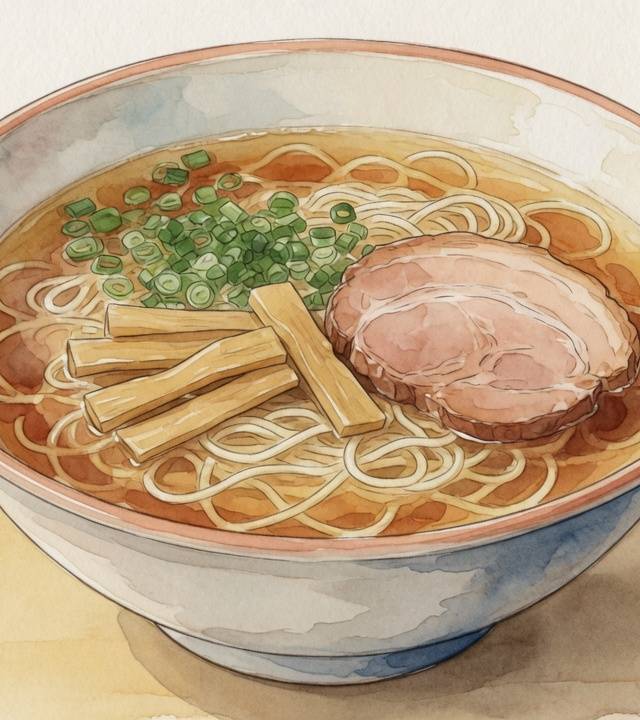
Soy-seasoned clear broth
The original Tokyo ramen. A translucent amber broth built on chicken or dashi, seasoned with soy sauce tare. Clean, complex, and endlessly versatile — the style that launched a thousand variations.
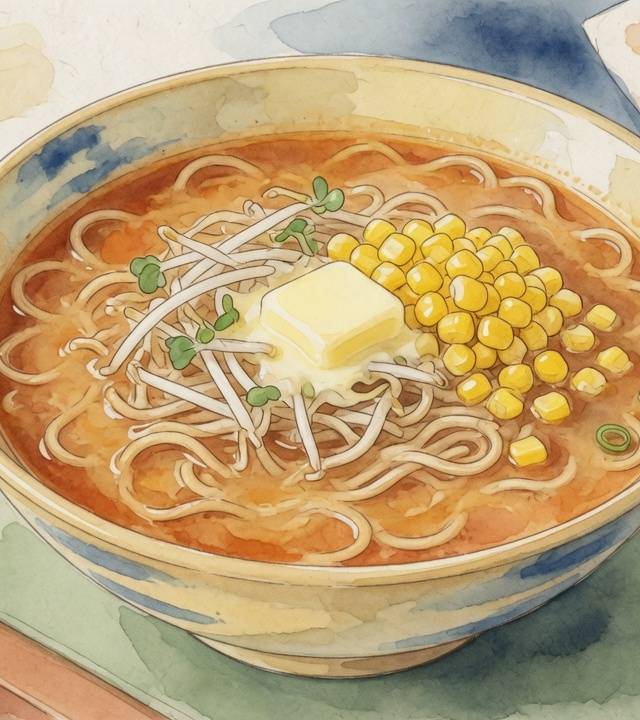
Fermented paste richness
Born in Sapporo in the 1950s, miso ramen blends deeply fermented soybean paste into a rich pork or chicken broth. Warming and complex, often topped with corn and butter in its Hokkaido homeland.
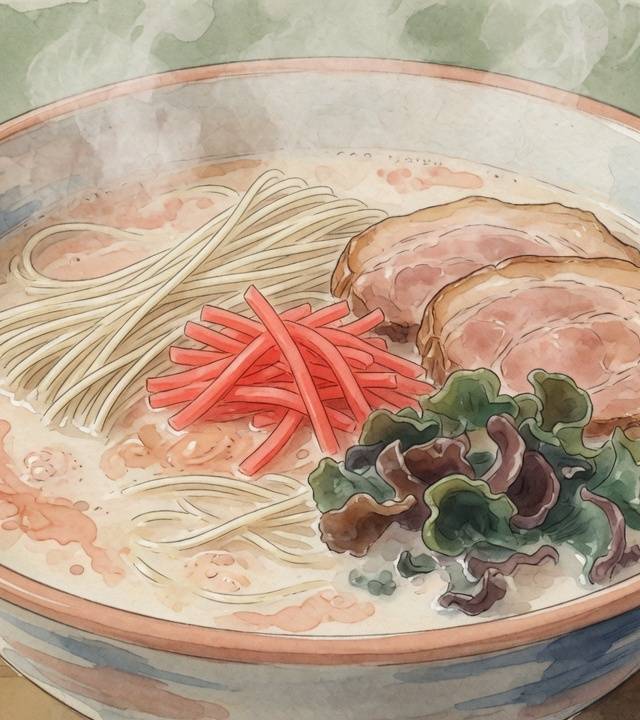
Milky pork bone broth
Fukuoka's gift to the ramen world. Pork bones boiled at high heat for hours produce a creamy white broth with a distinctive depth. Paired with ultra-thin noodles and the ritual of kaedama — ordering fresh noodles into leftover broth.
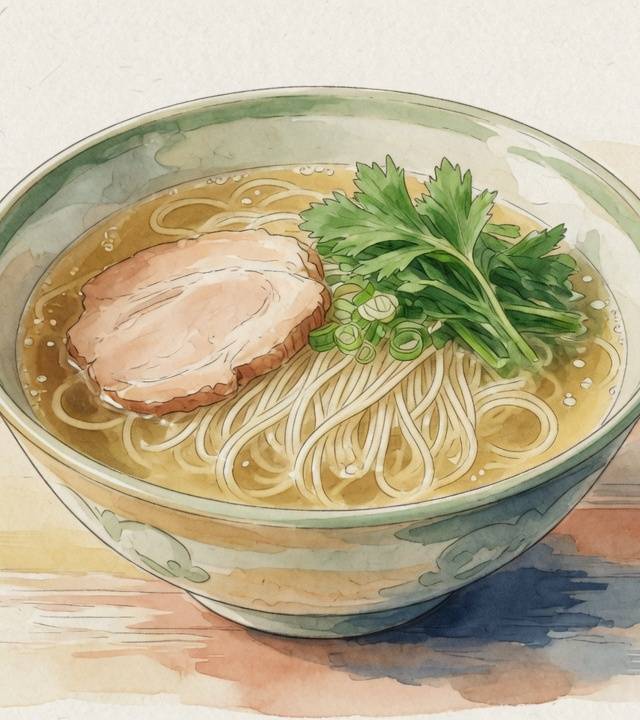
Pure salt-seasoned clarity
The most delicate of the four main styles. A pale, almost clear broth seasoned with salt tare rather than soy or miso. Shio showcases the purity of the stock — typically chicken, seafood, or both — without masking it.
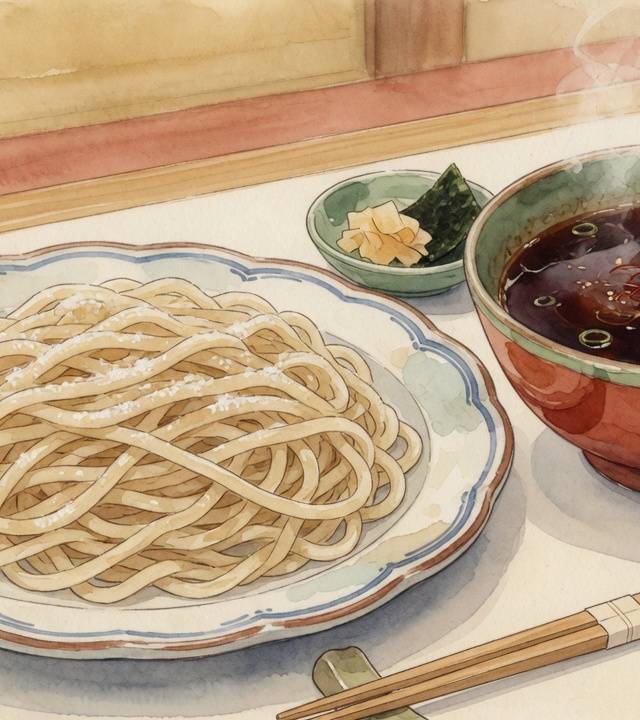
Dipping ramen
Noodles and broth arrive separately. You dip cold or warm noodles into a concentrated, intensely flavoured broth — then drink the diluted soup at the end. Popularised in Tokyo in the 1960s, it's now one of Japan's most beloved ramen formats.
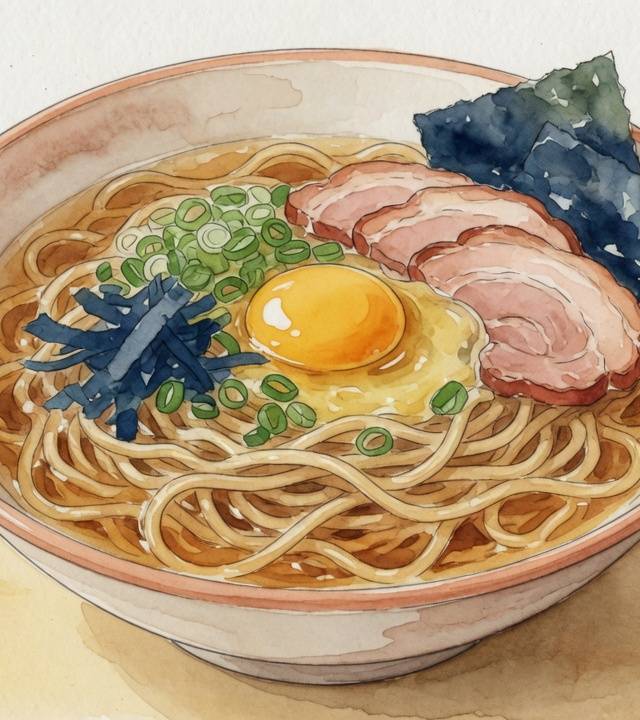
Soupless noodles
No broth at all. Noodles are tossed in seasoned oil and tare, topped with chashu, egg, and green onion. Sometimes called mazesoba when mixed with additional ingredients. Intensely flavoured and surprisingly satisfying.
Regional Identities
How each city's geography, climate, and culture shaped its bowl.
Tokyo
The ramen melting pot
Tokyo doesn't have one ramen identity — it has hundreds. The capital is where every regional style arrives, competes, and evolves. The classic Tokyo shoyu is a refined clear broth with a complex layered tare, often using chicken or dashi-forward stock. But the real story is diversity: you'll find Sapporo-style miso, Fukuoka tonkotsu, and forward-thinking modern bowls from chefs with Michelin backgrounds. Tokyo is where ramen becomes art.
Osaka
Lighter broths, bolder personalities
Osaka's ramen scene is defined by contrast to its Kansai reputation for light, dashi-forward food. You'll find creamy chicken paitan (white broth) as a local favourite, alongside playful experimental shops that bring Osaka's love of bold flavour and showmanship to the bowl. Unlike Tokyo's fine-dining aesthetic, Osaka ramen tends toward generous, convivial, sometimes theatrical. Many of the best spots have queues — locals take their ramen seriously.
Fukuoka
Hakata tonkotsu — the original
Fukuoka is where tonkotsu was born. The Hakata style uses pork bones boiled at high heat for hours to create a milky white, intensely rich broth with a distinct depth that's quite different from the watered-down versions found elsewhere. The noodle is unusually thin and firm — by design, so it doesn't go soggy in the rich broth. The defining ritual is kaedama: ordering a fresh noodle portion into your leftover broth when your bowl runs low. In Fukuoka, you don't waste good tonkotsu.
Kyoto
Refined elegance, dashi clarity
Kyoto's ramen scene reflects the city's broader culinary philosophy: restraint, precision, and depth without heaviness. The dominant style is a light, clear broth — often shio or a delicate shoyu — built on kombu and chicken dashi. Unlike the rich, assertive broths of Fukuoka or Sapporo, Kyoto bowls let the quality of individual ingredients speak. Several shops incorporate local Kyoto vegetables (kyo-yasai) as toppings, grounding the bowl in the city's agricultural traditions. The ethos here leans firmly toward clarity.
Nagoya
Taiwan ramen & red miso boldness
Nagoya's ramen identity is built around two extremes: the fiery, garlic-heavy Taiwan ramen and the deep, long-simmered red miso style that defines the city's broader food culture. Taiwan ramen is Nagoya's true creation — thin noodles in a spicy chicken broth loaded with chilli oil, minced pork, and raw garlic, despite the name having nothing to do with Taiwan. The red miso variant layers Hatcho miso's intense earthiness into the broth for something unmistakably local and unlike anything found elsewhere in Japan.
Yokohama
Birthplace of Iekei
Yokohama gave the ramen world Iekei — a hybrid style that blends rich pork-bone tonkotsu broth with dark soy tare, creating something more complex than either alone. The thick, flat noodles are built to carry the heavy broth. Each shop lets you customise richness, seasoning intensity, and garlic level — a ritual that regulars take seriously. Iekei was invented at Yoshimuraya in 1974 and has since spawned hundreds of direct disciples across Japan, all tracing their lineage back to this port city.
Hiroshima
Fish-forward shoyu, proudly local
Hiroshima ramen is built on a shoyu broth with a strong fish and chicken backbone — lighter than Fukuoka tonkotsu but deeper than Tokyo shoyu. The most distinctive characteristic is large pieces of pork backfat floating on the surface, adding bursts of richness to an otherwise lean broth. Hiroshima's ramen culture is proudly local and often overlooked nationally, which means shops here serve loyal neighbourhood regulars rather than tourists — you're more likely to encounter an authentic, unperformed experience than almost anywhere else.
Hokkaido · Sapporo
Birthplace of miso ramen
Sapporo is Japan's miso ramen capital — the style was invented here in the 1950s. The cold Hokkaido winters shaped a richer, heartier bowl: deeply fermented miso tare, often blended pork and chicken broth, and a thick noodle that holds the sauce. Corn and a pat of butter are classic toppings that speak to Hokkaido's agricultural heritage. Neighbouring Asahikawa adds its own northern tradition of double-soup layering. The result is warming, complex, and proudly regional.
Kumamoto
Tonkotsu with garlic oil depth
Kumamoto tonkotsu sits between Fukuoka's Hakata style and Kagoshima's milder variant, distinguished by one defining ingredient: mayu, blackened garlic oil stirred in at the table. It adds a smoky, pungent depth that transforms the bowl and is found virtually nowhere else. The broth itself is somewhat lighter than Hakata's most intense versions, giving the mayu real work to do. Kumamoto also uses kikurage (wood ear mushrooms) as a standard topping, adding earthy chew against the rich pork base.
Hakodate
Japan's clearest shio ramen
Hakodate claims shio ramen as its signature — arguably its finest expression in Japan. The broth is a beautifully clear, golden stock of chicken and seafood, seasoned with salt so every nuance of the base is exposed. There is nowhere to hide in a shio bowl: the clarity of the stock is the point. Hakodate was one of Japan's first open ports in 1854, and that early openness to outside influence reads in a ramen style that is understated, precise, and quietly confident about its ingredients.
Chiba
Niboshi intensity & hidden gems
Chiba sits in Tokyo's shadow but punches well above its weight. The defining Chiba style uses niboshi (dried sardine) for an umami-rich, slightly bitter broth unlike anything else in Japan. Tomita near Narita Airport is a Chiba institution that attracts pilgrims from abroad. The city rewards patience — tucked-away local spots often outshine their famous neighbours, and the niboshi tradition here runs deeper and more varied than almost any other prefecture.
Toyama
The black broth city
Toyama Black is one of Japan's most visually striking ramen styles: an almost jet-black shoyu broth, intensely salty, with a sharp umami depth that comes from soy sauce added directly to the bowl rather than blended into the broth. The style was created for factory workers who needed high-sodium meals to replenish through physical labour. Today it is a badge of regional pride — bold, assertive, and unmistakably Toyama.
Yamagata
Mountain flavours & cold ramen
Yamagata is famous for two things: intensely bold shoyu ramen, and a local love for cold ramen (hiyashi chuka). The region's inland mountain climate means beef is more common here than elsewhere — you'll find beef-broth ramen that's virtually unheard of in other cities. The shoyu tare tends to be darker and saltier than Tokyo's, with a directness that mirrors the Tohoku character.
Asahikawa
Hokkaido's double-soup pioneer
Asahikawa is Hokkaido's second great ramen city, with a style entirely its own. The defining technique is the double soup: a blend of seafood dashi and pork or chicken stock combined in the bowl, creating a layered complexity that's rare elsewhere. Shoyu tare is the usual seasoning. A coating of lard or pork backfat floats on the surface — a functional adaptation to extreme Hokkaido winters, insulating the broth and keeping the bowl hot longer. The wavy noodles trap this rich soup in every bite.
Kitakata
One of Japan's three great ramen cities
Kitakata is consistently ranked alongside Sapporo and Hakata as one of Japan's three great ramen cities — a remarkable claim for a small Fukushima city of 50,000. The style centres on flat, curly noodles (some of the thickest in Japan) in a light, clear pork-and-dried-fish shoyu broth. The noodles are the star: generously hydrated for a soft chew distinct from anywhere else. Kitakata has more ramen shops per capita than almost any other city in Japan, and locals eat ramen for breakfast — asa-ramen — as a matter of routine, not novelty.