Ramen Blog & Guides
Practical guides, city breakdowns, and cultural explainers for eating ramen in Japan — whether it's your first bowl or your fiftieth.
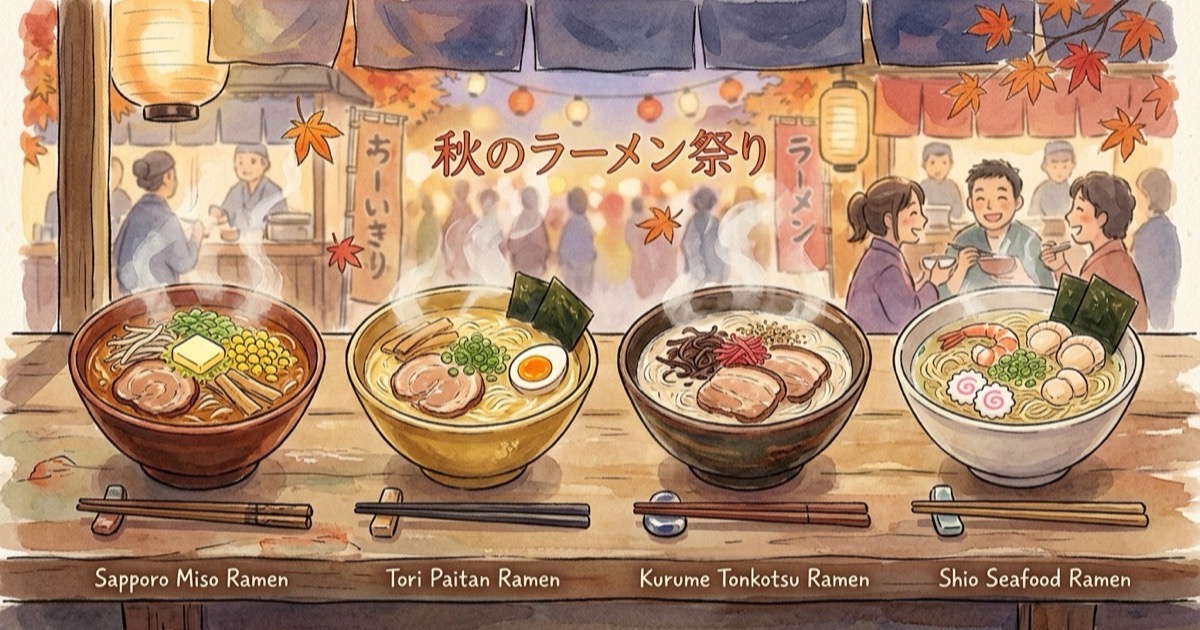
Learn How Real Tokyo Ramen Counters Work
Ticket machine decoders, counter etiquette, and self-guided walking routes. Built with authentic kitchen floor experience from training in Fukuoka.
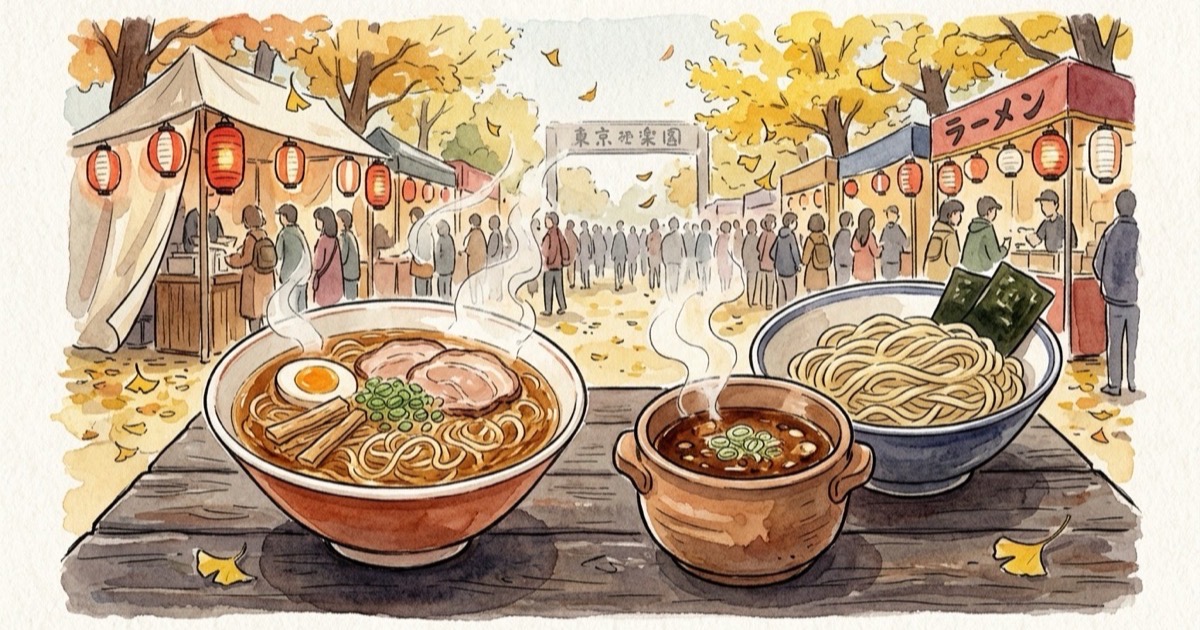
Tokyo Autumn Ramen Festivals 2026: Tsukemen Expo vs Tokyo Ramen Festa
Choosing between Dai Tsukemen Haku in Shinjuku and Tokyo Ramen Festa in Komazawa Park. Comparison table, atmospheres, budgets, and a 1-day itinerary.
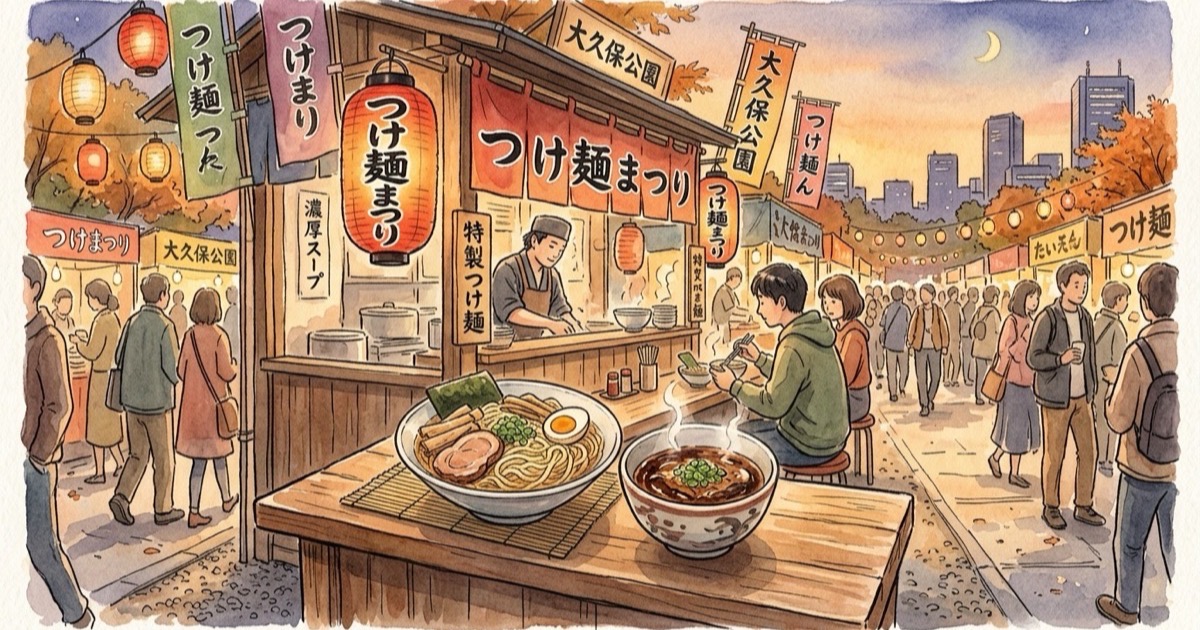
Dai Tsukemen Haku 2026: Shinjuku's 64-Shop Mega Festival Guide
Plan your visit to Dai Tsukemen Haku 2026 at Okubo Park in Shinjuku: 64 rotating shops, 8 competitive phases, voting rules, and queue survival tips.
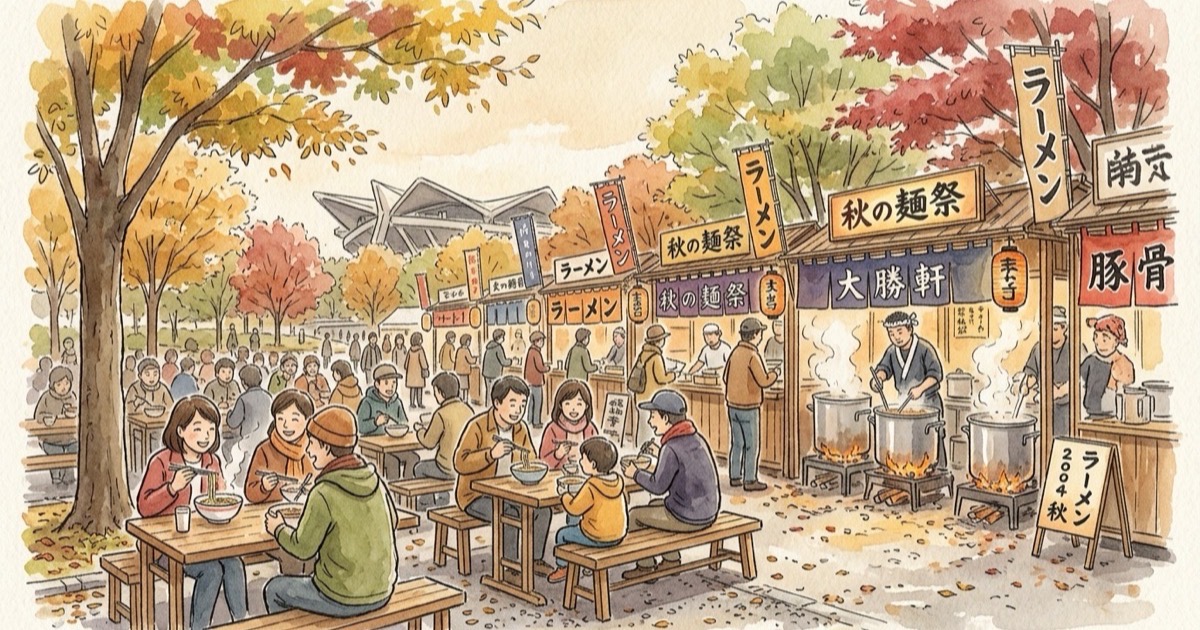
Tokyo Ramen Festa 2026: Dates, Tickets, and Komazawa Park Guide
Everything you need for Tokyo Ramen Festa 2026 at Komazawa Olympic Park: dates, ticket sales, train routes from Shibuya, booth layout, and queue tactics.
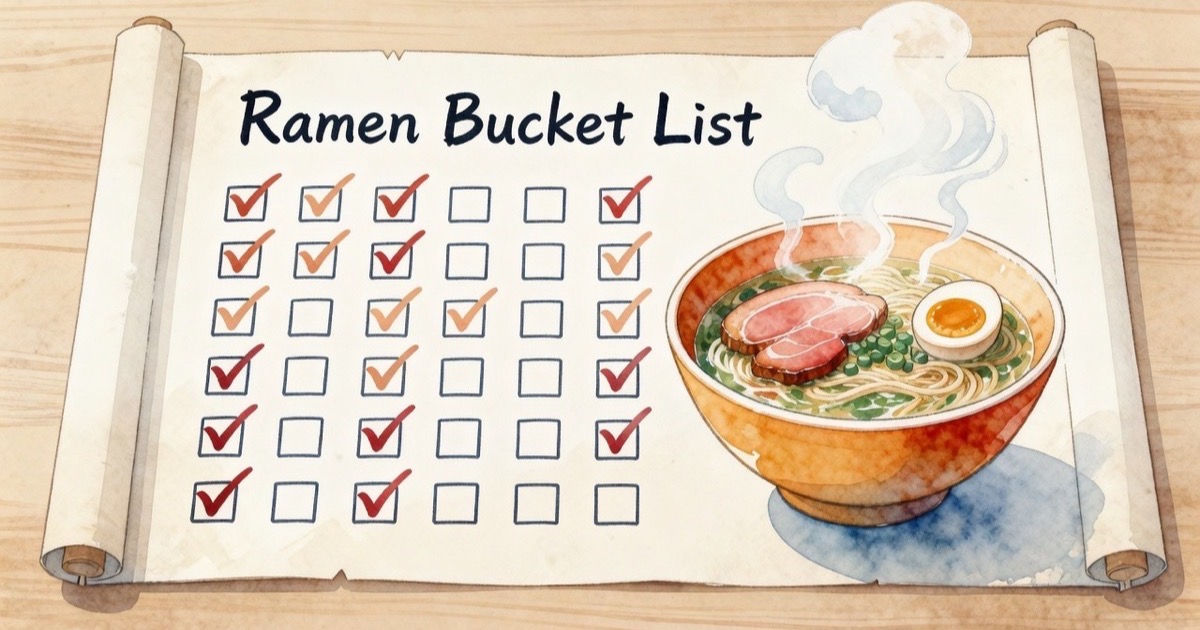
The Japan Ramen Bucket List: 25 Bowls to Eat Before You Die
The ultimate checklist for the dedicated ramen enthusiast. From historic shoyu legends to modern Michelin stars and extreme regional specialties, here are the 25 bowls that define the apex of Japanese noodle culture.
Rainy-Day Ramen: Tokyo Bowls Connected to Stations (No Umbrella Needed)
When the Tokyo rains set in, don't let damp socks ruin your appetite. These outstanding, top-tier ramen shops are accessible directly via underground passages from major train stations.
Ramen With Kids in Japan: Family-Friendly Shops and Survival Tactics
Tiny counters, hot broth, silent rules, and narrow doors can make eating ramen with children feel intimidating. Here is a practical guide to finding family-friendly shops, decoding child policies, and keeping everyone happy.
Your First Ramen After Landing: Narita, Haneda, and Kansai Airport Bowls
Don't wait until you reach the city centre. Japan's major airports host outstanding, high-quality branches of legendary ramen shops. Here is where to find the best bowls immediately after clearing customs.
The 7-Day Japan Ramen Road Trip: Tokyo to Fukuoka by Rail
Embark on the ultimate rail-bound pilgrimage across Japan's main island. From Tokyo's refined bowls to Yokohama's heavy-hitting Iekei, Nagoya's spicy Taiwan ramen, Osaka's craft scene, and Fukuoka's legendary tonkotsu, here is your day-by-day train itinerary.
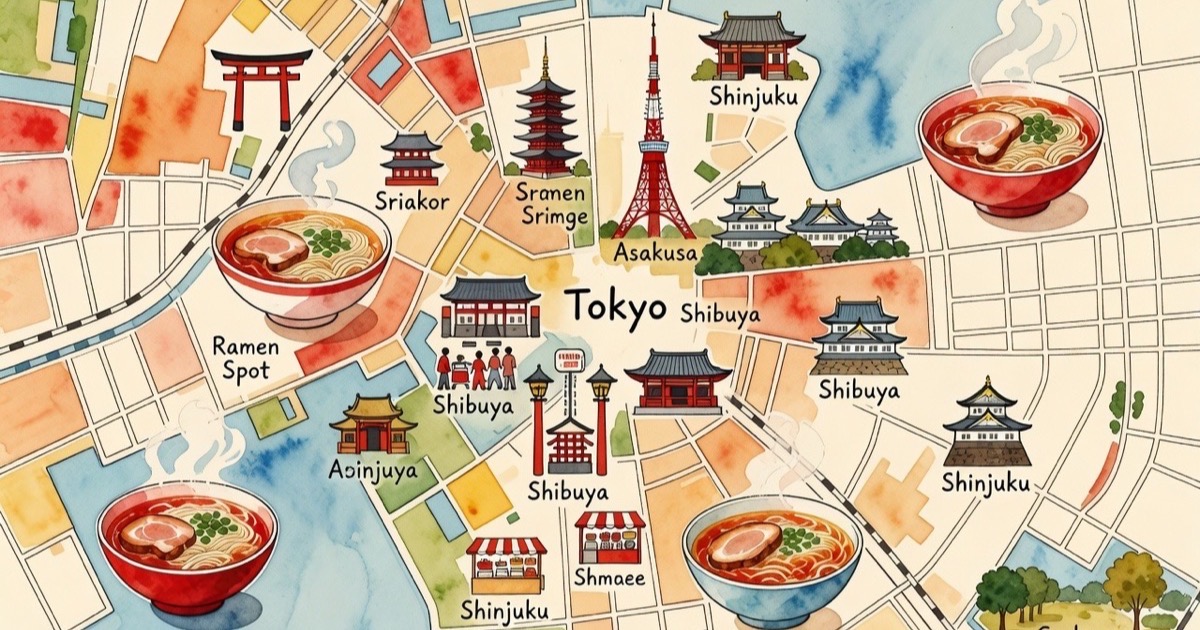
A 3-Day Tokyo Ramen Itinerary: 9 Bowls, Zero Regrets
Planning a trip to Tokyo and want to maximise your noodle intake? This intensive 3-day itinerary maps out 9 distinct bowls across Tokyo's most iconic neighbourhoods, designed to prevent palate fatigue while showing you the absolute best of the city's ramen scene.
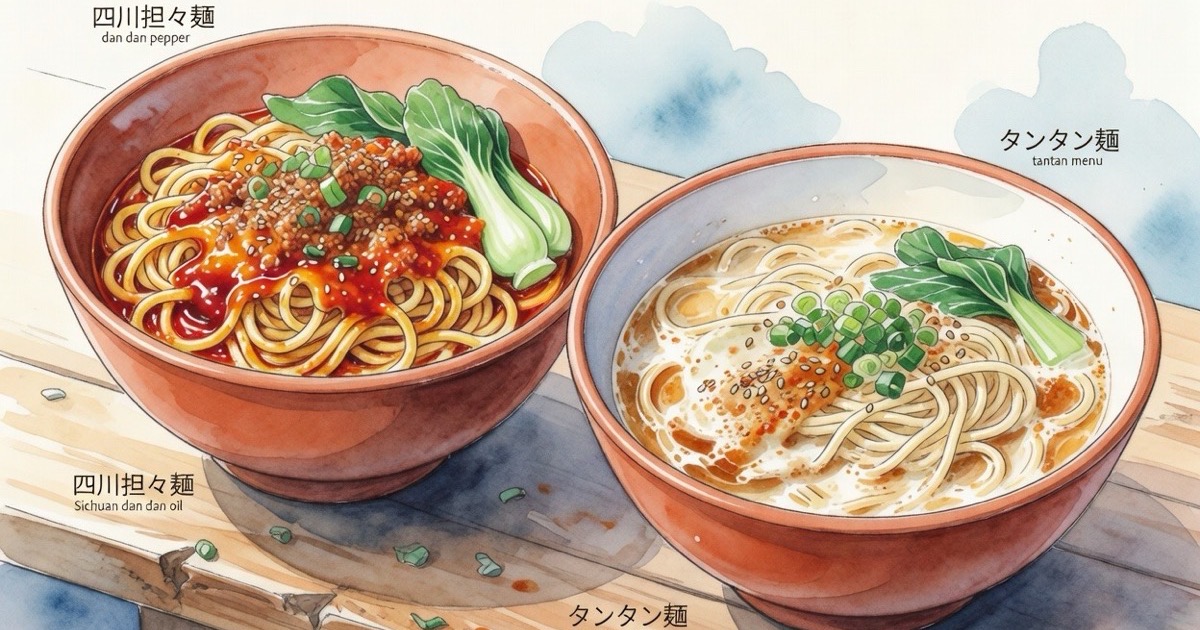
Dan Dan Noodles vs Tantanmen: Same Dish, Two Countries
Sichuan's fiery street-food snack Dan Dan Mian crossed the sea to Japan and evolved into the creamy, sesame-rich soup known as Tantanmen. Here is how they compare.
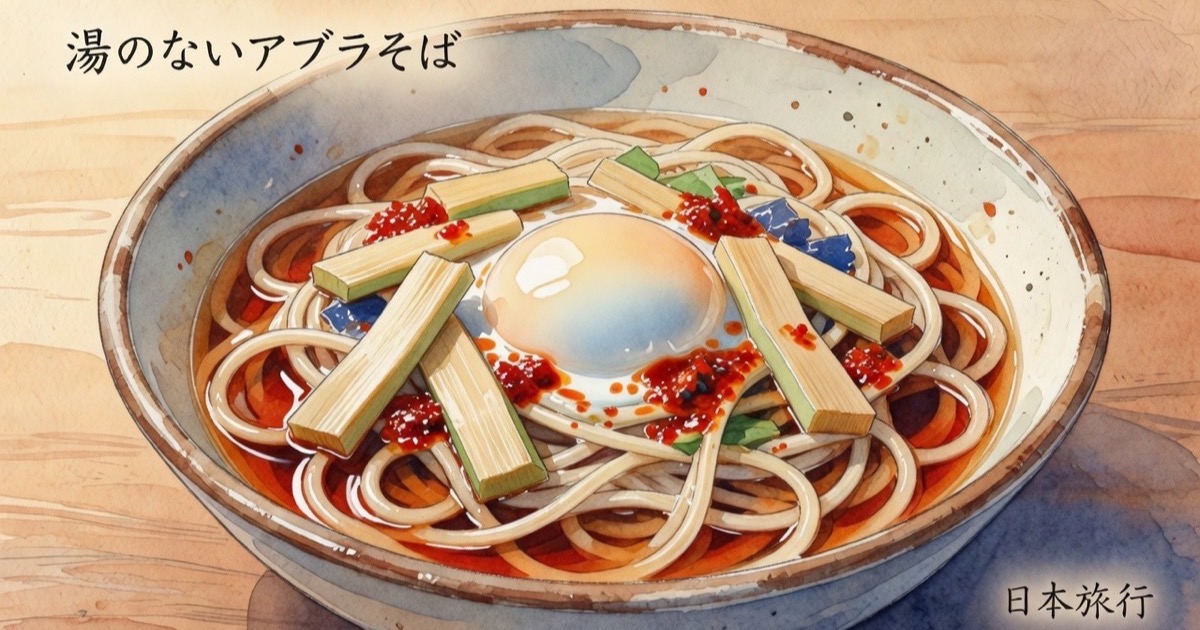
Abura Soba: Soup-less Ramen, Eating Rituals, and Mazesoba Differences
Abura soba is Tokyo's soup-less ramen style built on concentrated tare, hot aroma oils, thick noodles, and a vinegar-chili oil mixing ritual at the counter.
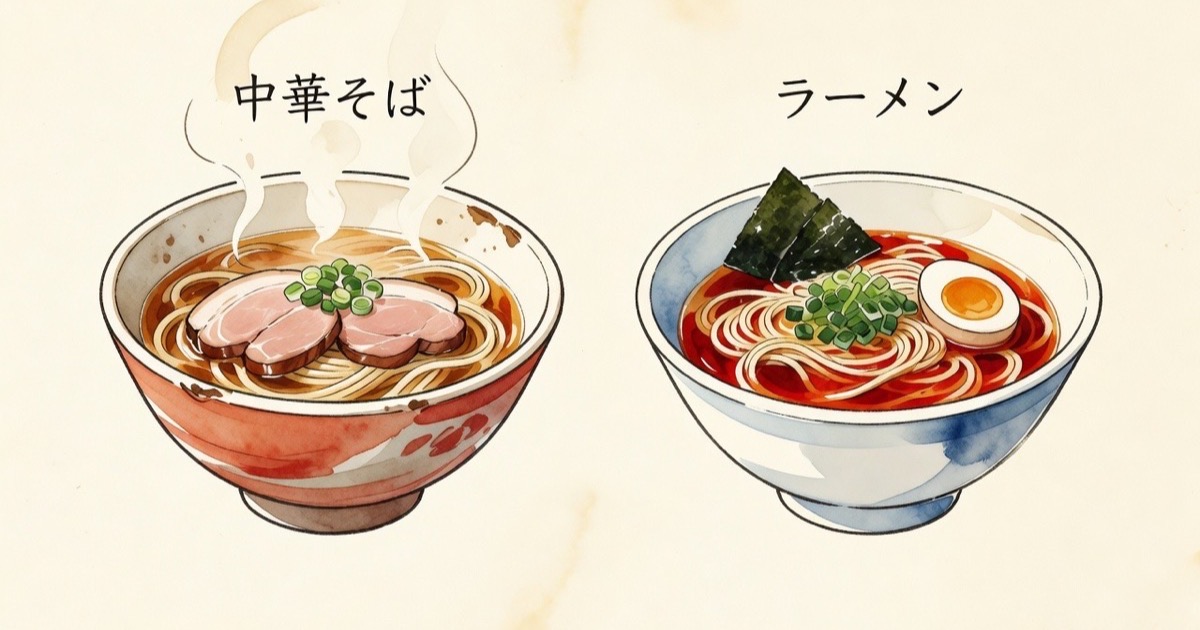
Chuka Soba vs Ramen: Why Some Shops Refuse the Word "Ramen"
Why do some of Tokyo's most celebrated modern noodle shops label their dishes as 'Chuka Soba' or 'Soba House'? Explore the fascinating history and stylistic nuances behind the terms.
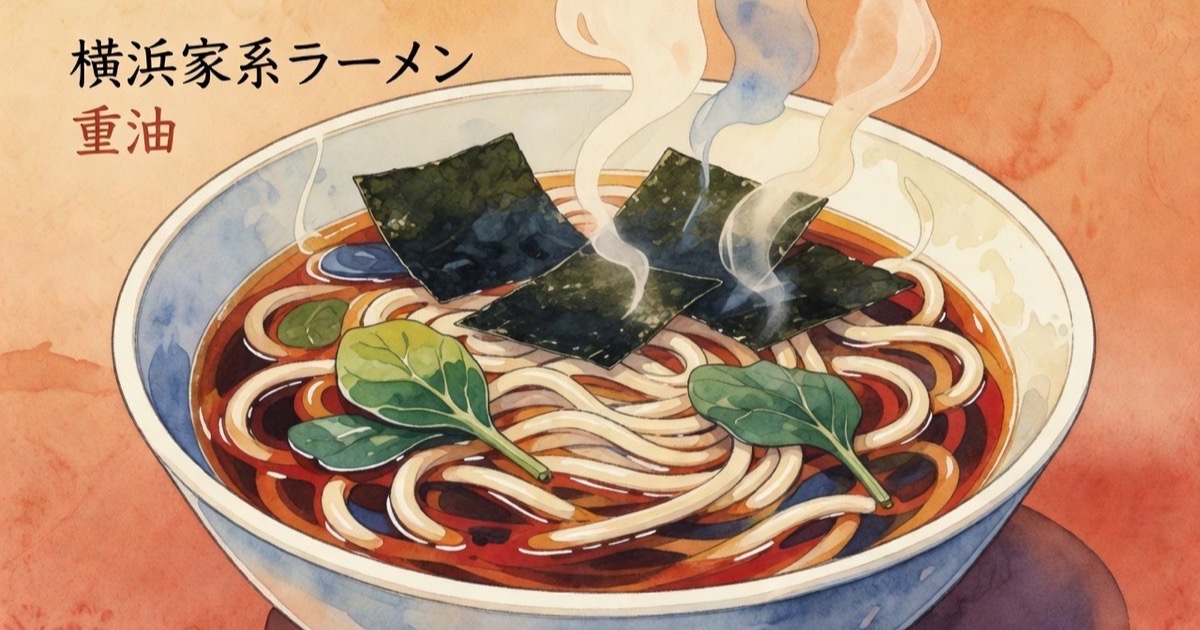
Iekei Ramen Explained: Yokohama's Rich Shoyu-Tonkotsu Hybrid
Born in Yokohama in 1974, Iekei ramen is a legendary hybrid of rich Kyushu-style pork broth and dark Tokyo soy sauce, topped with spinach, nori, and chicken oil.
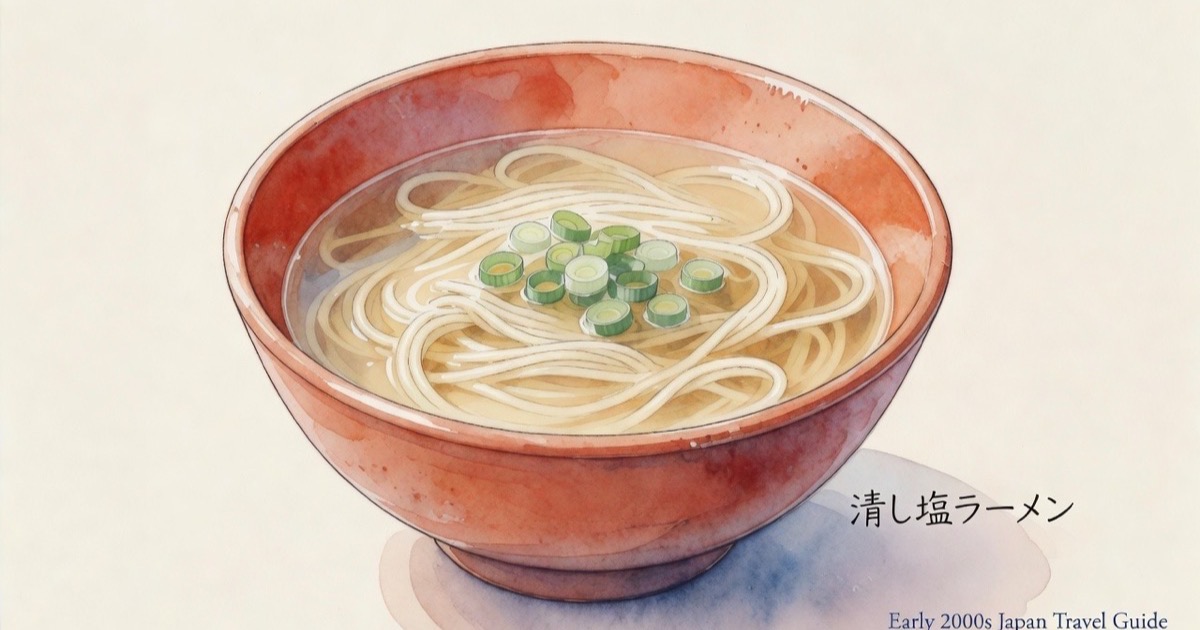
Shio Ramen Explained: The Hardest Style to Get Right
Unpack the delicate craft of shio (salt) ramen. Discover why chefs consider this clear, gold-hued style the ultimate test of their culinary technique and where to find the best bowls.
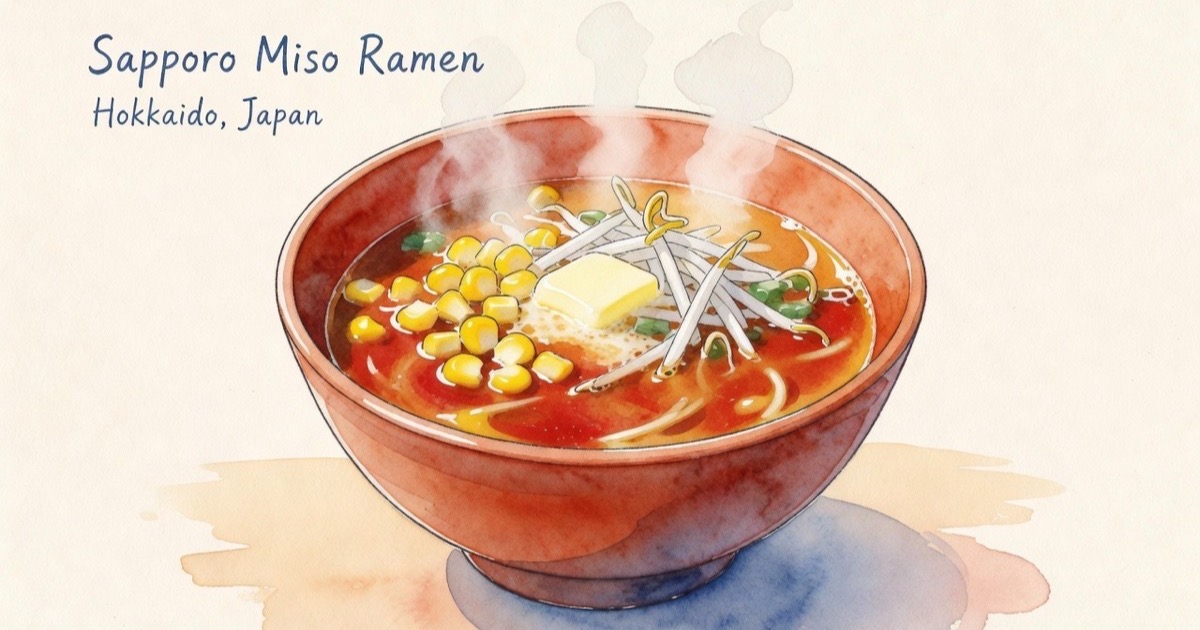
Miso Ramen Explained: Sapporo's Gift to Cold Winters
Warm up with the history and hearty flavours of miso ramen. From its origins in snowy Hokkaido to the intense wok-frying techniques and comforting toppings like butter and corn.
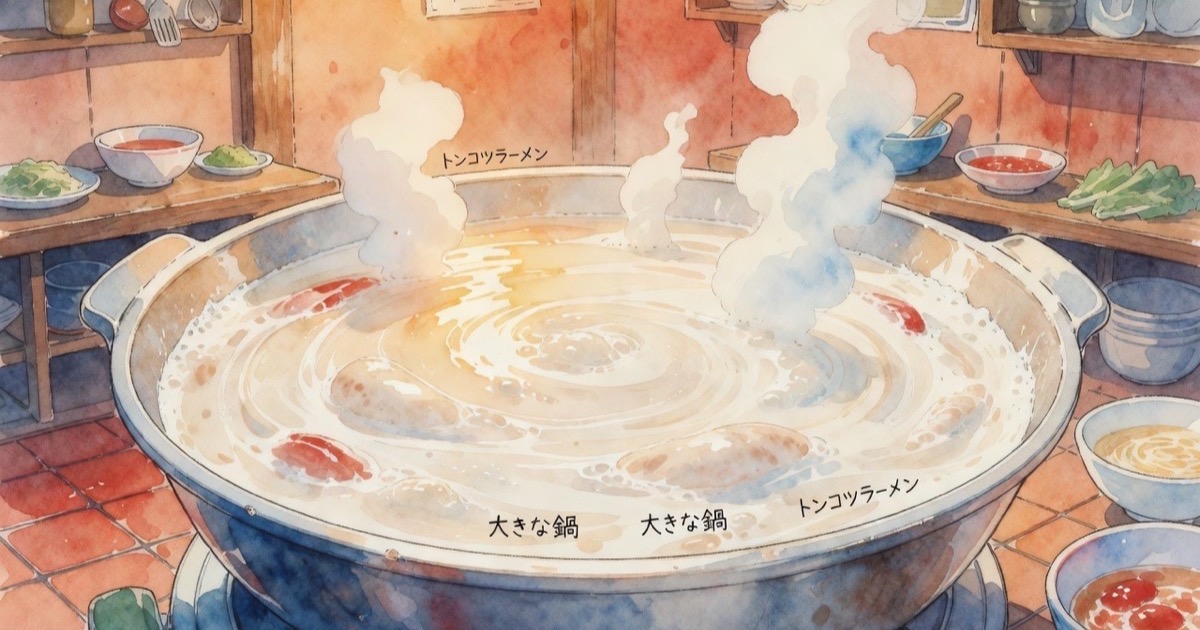
Tonkotsu Ramen Explained: The Pork-Bone Broth That Conquered the World
Explore the rich, creamy world of tonkotsu ramen. Learn about the hours-long boiling process, the origins of Fukuoka's signature style, and how to customise your bowl for the ultimate dining experience.
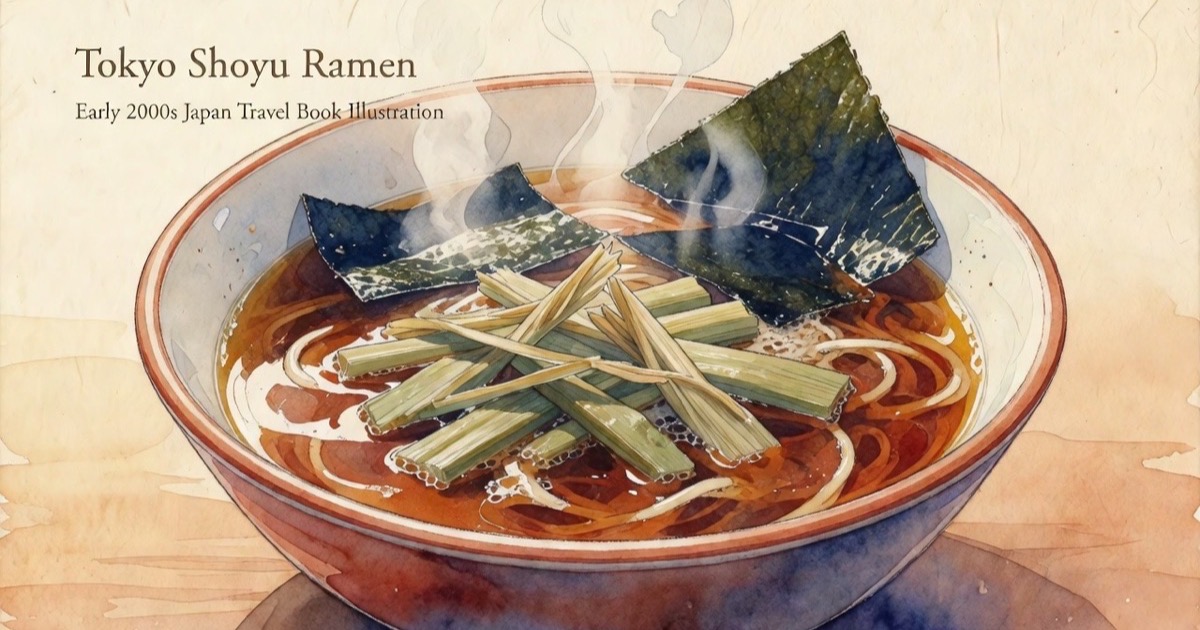
Shoyu Ramen Explained: Japan's Original Bowl
Discover the history and craftsmanship behind Japan's original ramen style. From clear chicken-and-pork broths to complex soy sauce tares and regional variants, explore what makes shoyu ramen the bedrock of noodle culture.
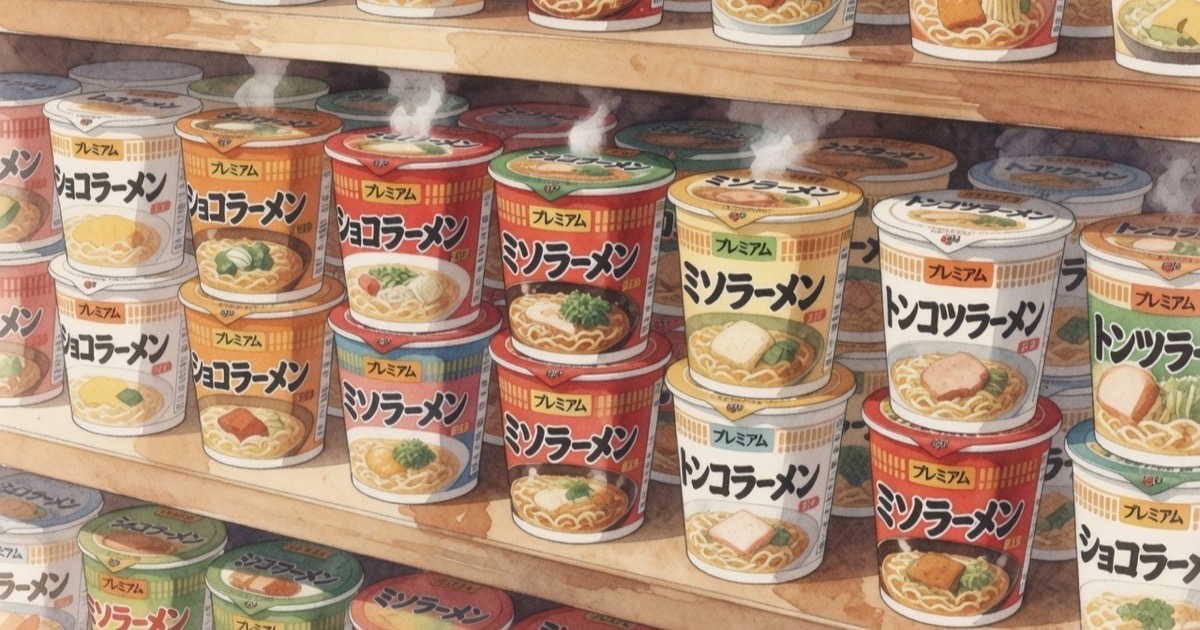
Konbini and Cup Ramen in Japan: When Not Going to a Shop Is Fine
Can't face another queue? Discover the world of Japanese convenience store ramen. From Michelin-starred collaborations to premium fresh bowls, here is your konbini guide.

Ramen Shop Hours in Japan: Why Everything Closes at 2pm (and What's Open Late)
Timing is everything in the Japanese ramen scene. Understand why standard shops close between lunch and dinner, what 'soup runs out' means, and how to find late-night bowls.
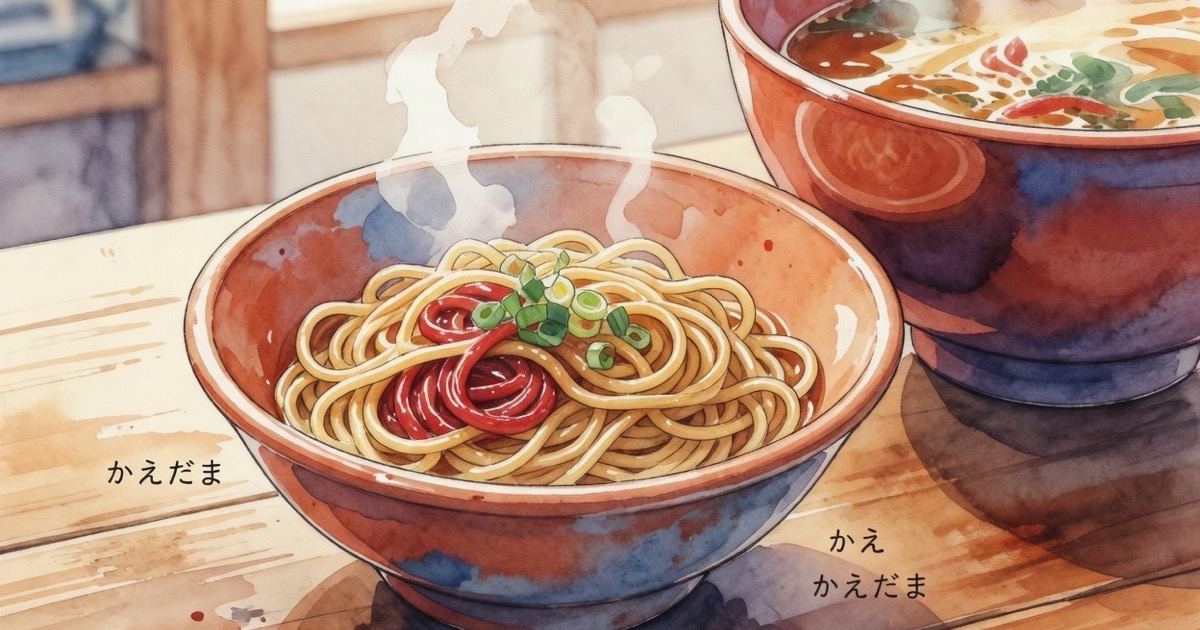
What Is Kaedama? How to Order a Ramen Noodle Refill
Kaedama means an extra serving of cooked noodles for the broth left in your bowl. Learn when it is available, when to order, and what to say.
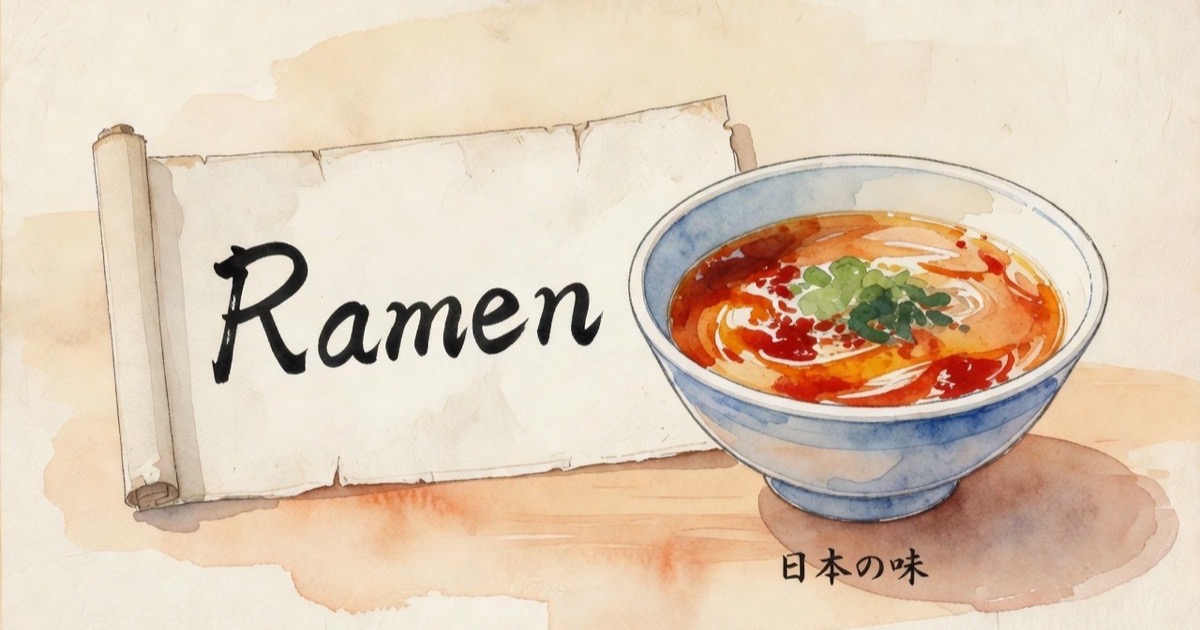
Ramen in Japanese: ラーメン, Kanji, and Menu Words
Ramen is usually written ラーメン in Japanese. Learn the hiragana and kanji forms, pronunciation, and menu characters for broth, toppings, and portion size.
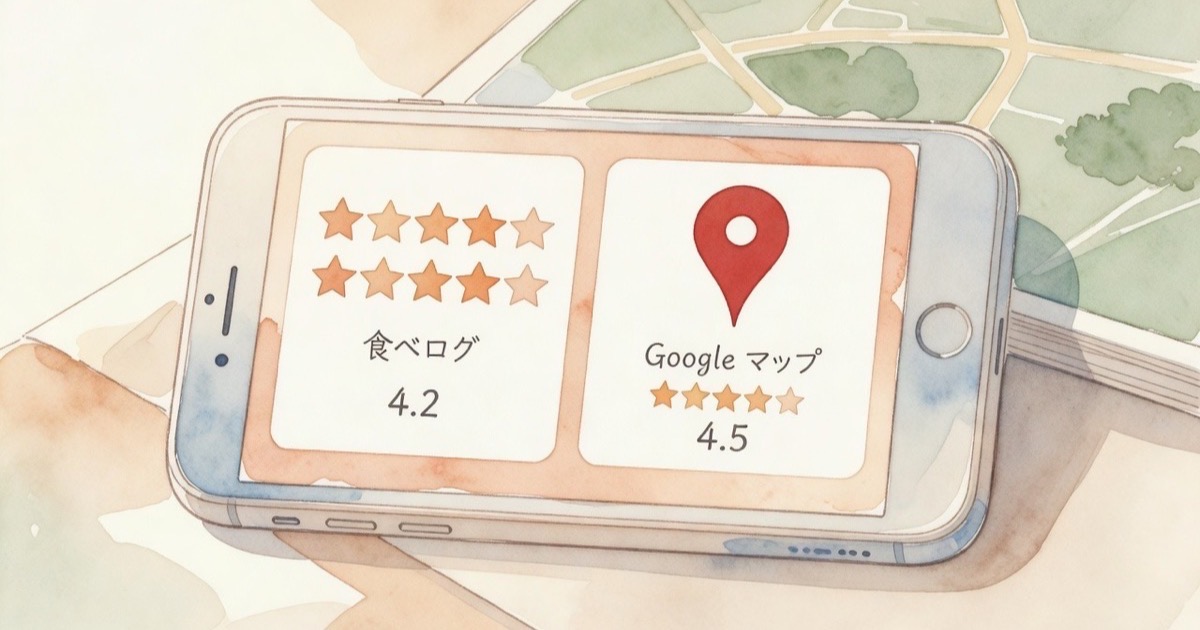
Tabelog vs Google Maps in Japan: Which Ratings Should You Trust?
Should you rely on Tabelog's harsh mathematical scoring or Google Maps' crowdsourced simplicity? Here is the ultimate guide to navigating food ratings in Japan.
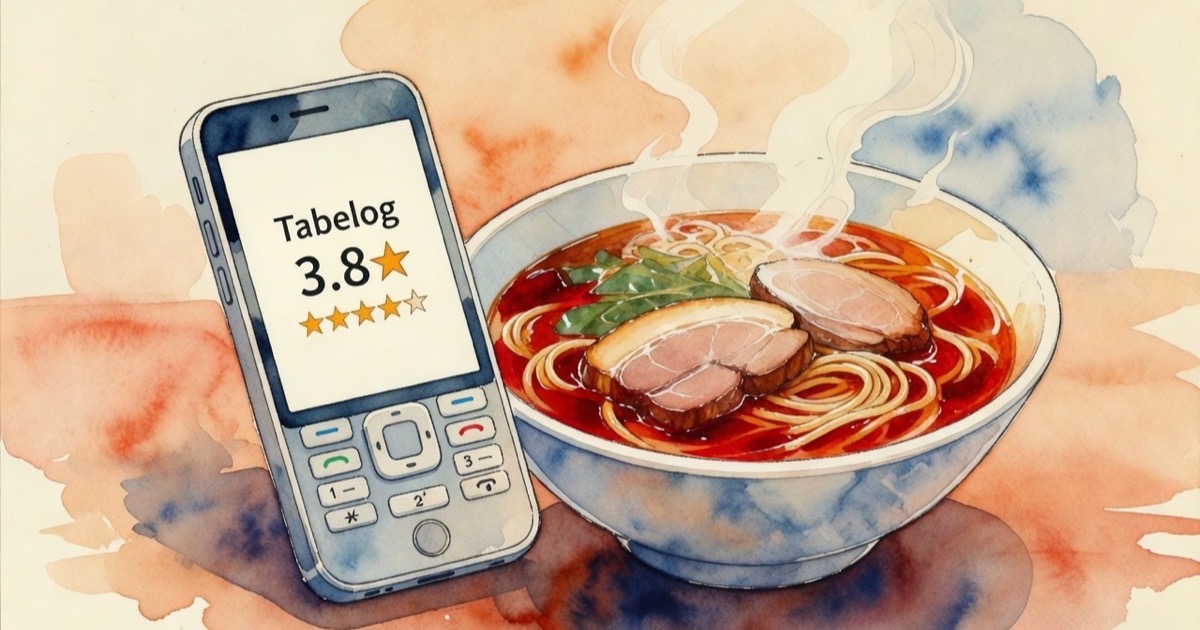
What's a Good Tabelog Rating? The Scoring System Decoded
Understand Japan's most reliable restaurant review platform. Decode how a 3.5 rating is actually elite, how the scoring algorithm works, and how to spot genuine culinary gems.
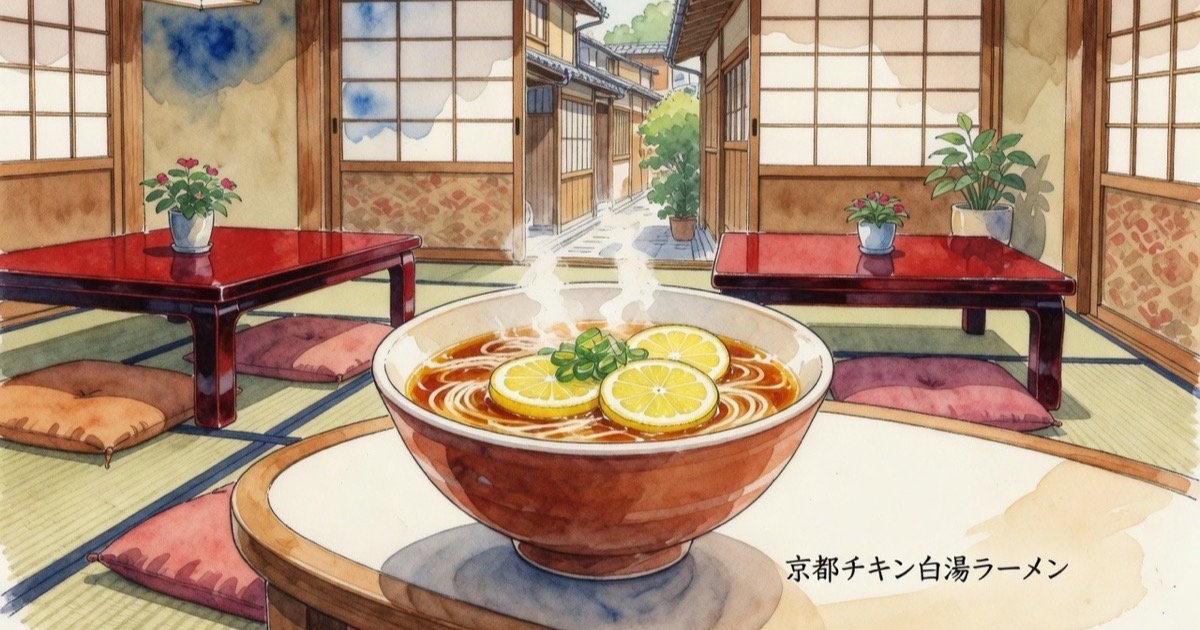
Ramen Muraji: Kyoto's Chicken Paitan in a Machiya Townhouse
Ramen Muraji offers a distinct Kyoto dining experience, serving a rich, velvety chicken paitan broth inside a beautifully preserved wooden townhouse in Gion. Learn why this female-chef-founded shop is one of Kyoto's absolute gems.
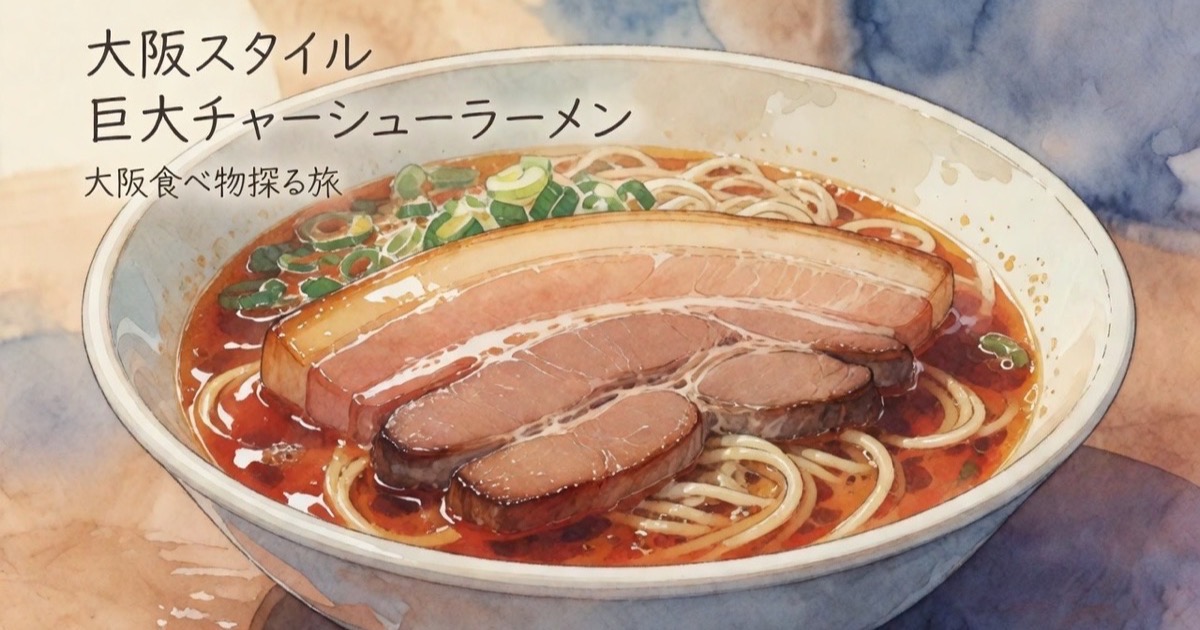
Jinrui Mina Menrui: Osaka's Instagram-Famous Giant-Chashu Bowl
Menya Jinrui Mina Menrui (The Human Beings and Noodles) is Osaka's most famous modern ramen shop. Known for its sweet shellfish broths, thick-cut chashu, and quirky Beatles-themed interior, here is what makes it a must-visit.
Ginza Hachigo Tokyo: TableCheck Reservations, Queue & Menu Guide (2026)
TableCheck booking rules, Saturday morning booking drops, walk-in queue times, 2026 menu prices, and how master chef Katsuyoshi Matsumura builds Ginza Hachigo's broth without tare.
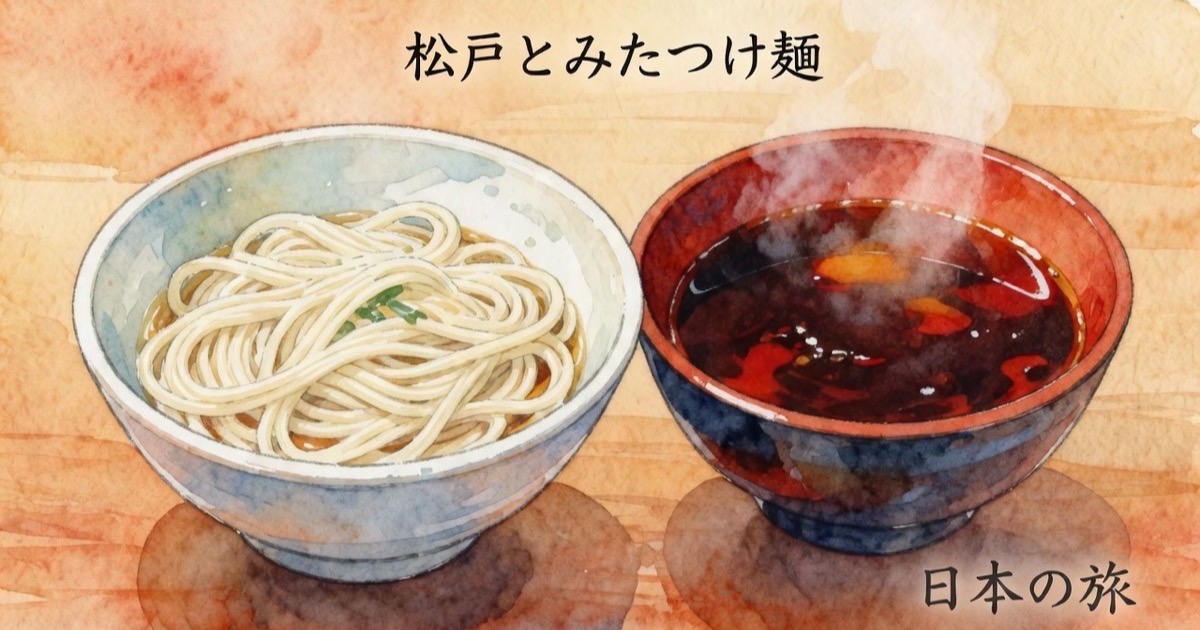
Tomita Matsudo: Japan's Most Famous Tsukemen and How to Actually Get In
Chuka Soba Tomita in Matsudo is widely considered the absolute pinnacle of tsukemen in Japan. Here is what makes this legendary pork-and-fish dipping bowl so special, and a step-by-step guide to securing a seat.
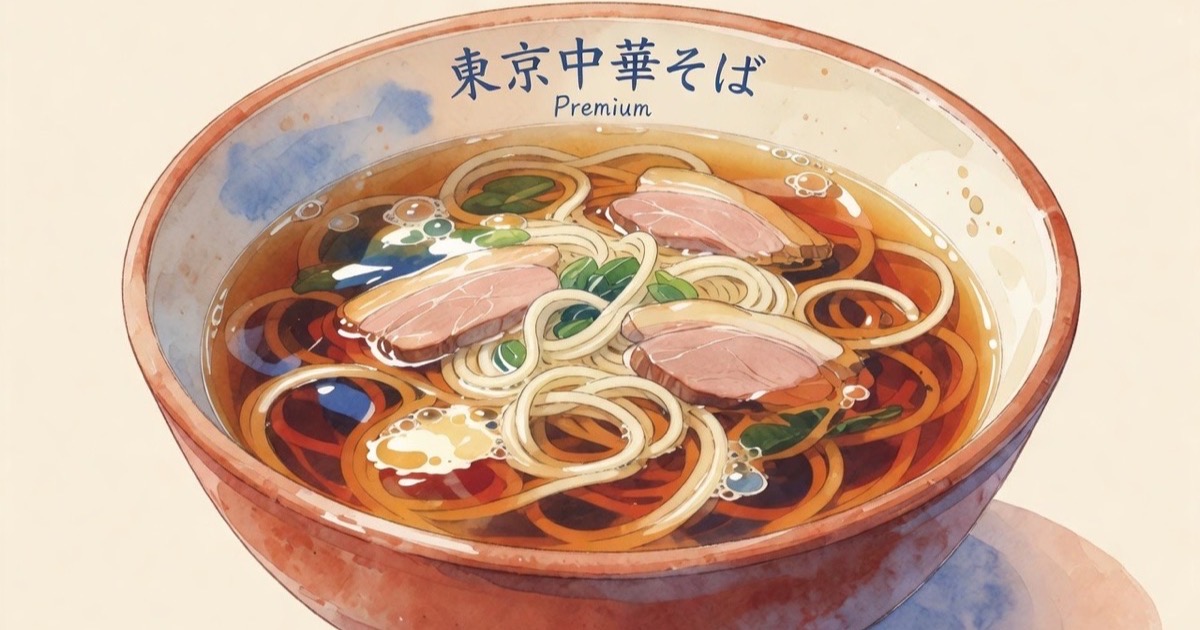
Chuka Soba Shibata: Why This Tokyo Shop Keeps Topping the Rankings
Located in the quiet suburbs of Komae, Chuka Soba Shibata is a legendary destination for purists. Discover why this shop maintains a near-perfect rating on Tabelog for its duck-infused soy broth.
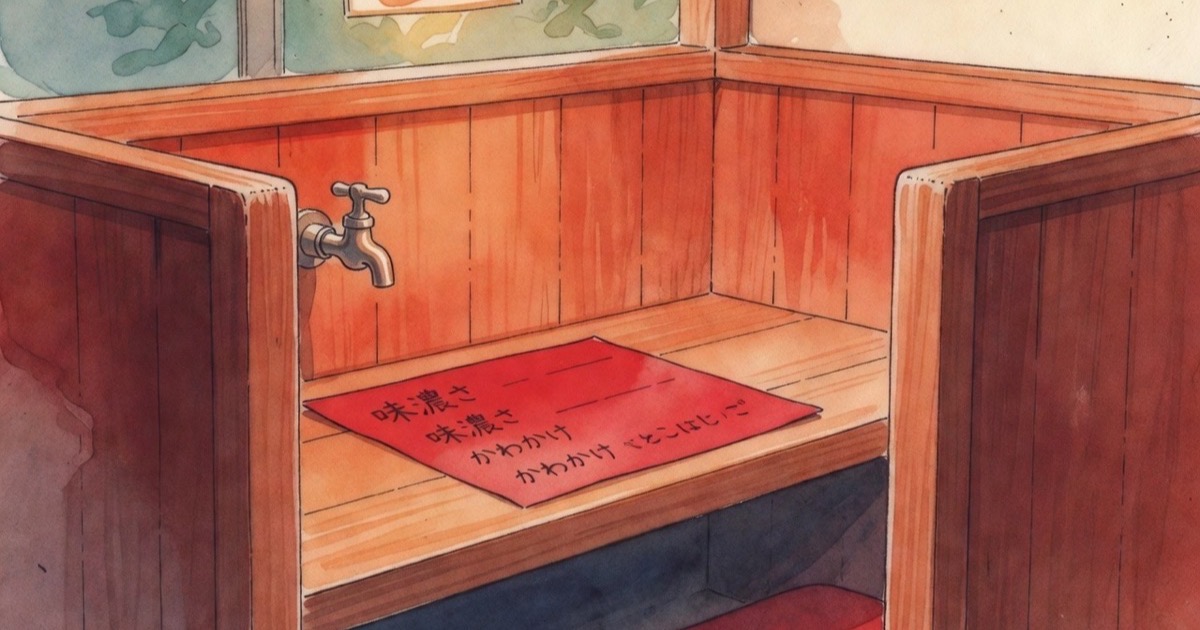
Ichiran Ramen: The Complete Guide to Japan's Solo-Booth Chain
Step into the ultimate solo-dining sanctuary. This complete guide walks you through Ichiran's ticketing, ordering slips, booth system, and how to custom-tailor your tonkotsu bowl.
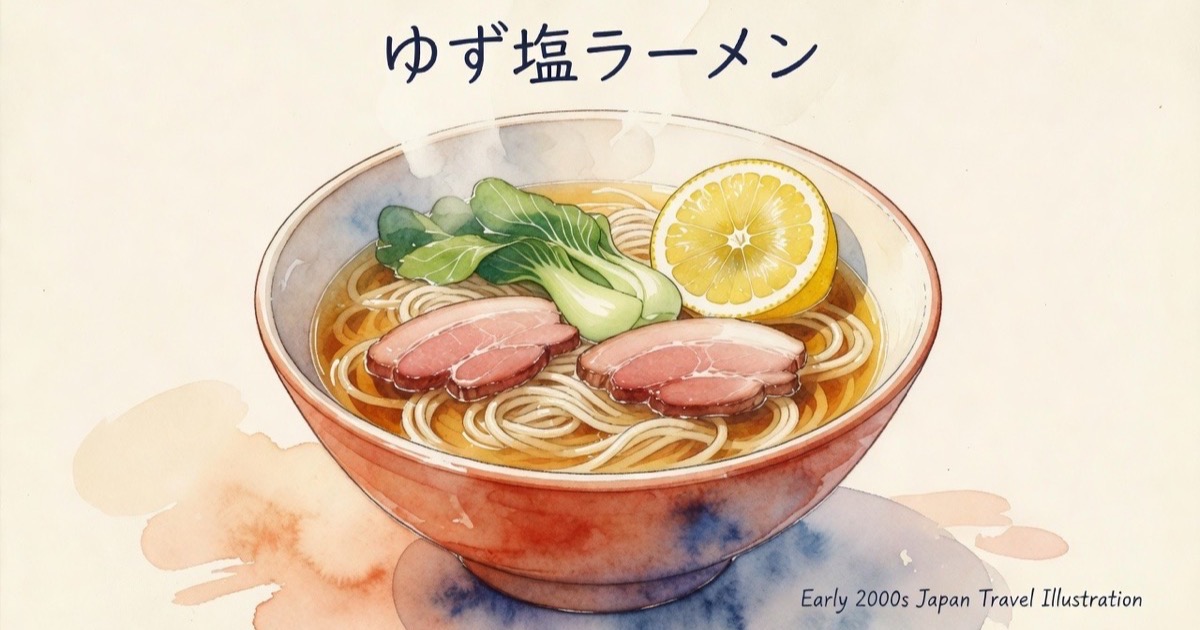
Afuri Ramen Guide: Yuzu Shio, Every Location, and What to Order
AFURI has redefined modern Tokyo ramen with its clean, yuzu-infused chicken broth. Here is everything you need to know about their signature bowls, vegetarian options, and prime locations.
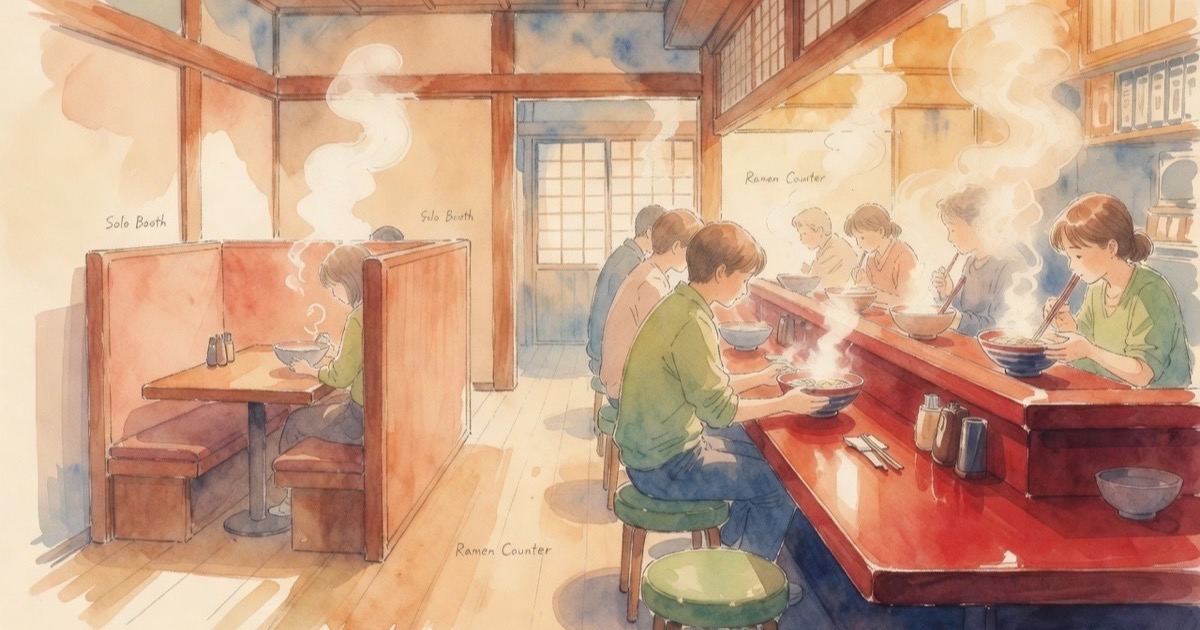
Ichiran vs Ippudo: Which Tonkotsu Chain Deserves Your First Bowl?
Two global giants of tonkotsu ramen go head-to-head. From customisation slips to broth thickness and noodle texture, here is the definitive comparison for your first bowl.
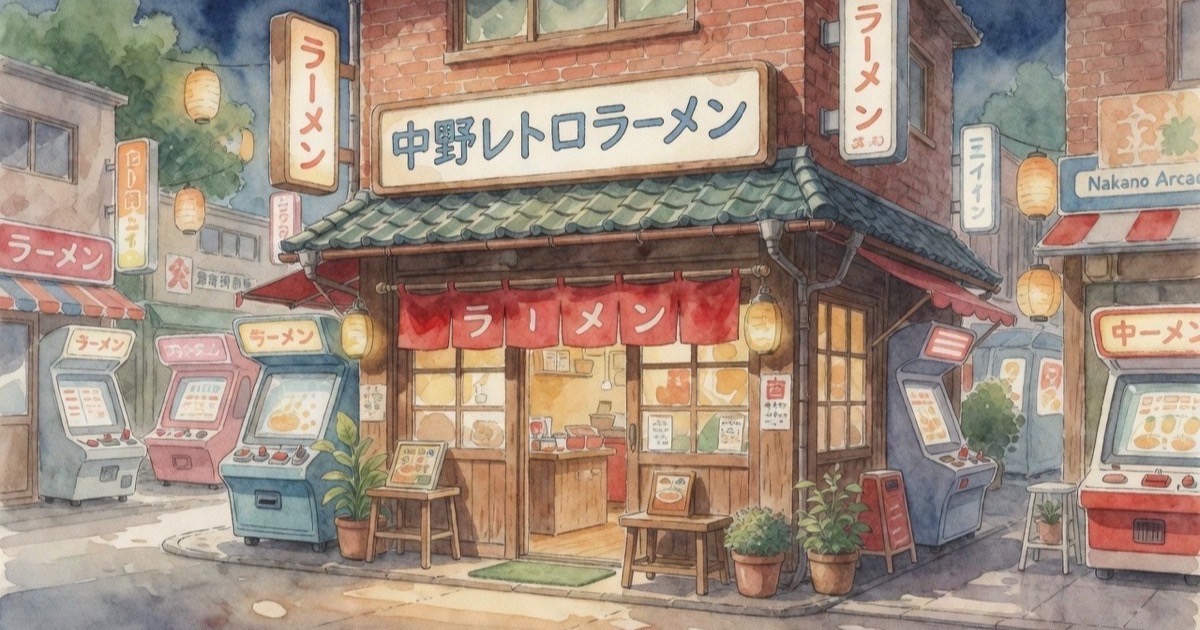
Nakano & Koenji: Ramen in Tokyo's Coolest Western Suburbs
Nakano and Koenji are famous for vintage shopping and indie music, but they also boast a legendary, unpretentious ramen culture. Here is where to eat in Tokyo's coolest western neighbourhoods.

Best Ramen in Ginza: Michelin Bowls in Tokyo's Luxury District
Ginza is synonymous with high-end shopping and fine dining, and its ramen scene is no exception. Discover elegant, Michelin-recognised chicken paitan and clean, complex shoyu broths.
Best Ramen in Ueno: Cheap Bowls Near the Museums
Visiting Ueno's parks and museums? Don't settle for museum café food. Ueno is packed with outstanding, budget-friendly ramen options from duck-based broths to rich tsukemen.
Best Ramen in Ikebukuro: Tokyo's Quiet Ramen Powerhouse
Often overshadowed by Shinjuku, Ikebukuro is a highly competitive ramen battleground. Discover the best dense tonkotsu, modern refined chicken broths, and historic dipping noodles in this vibrant northern hub.
Best Ramen in Asakusa: Bowls Near Senso-ji Worth the Detour
Visiting Tokyo's oldest temple? Skip the generic tourist-trap food stalls and discover Asakusa's authentic ramen spots, serving classic shoyu and rich pork-bone broth.
Best Ramen in Akihabara: Where to Eat Between Electronics Runs
Exploring Akihabara's neon streets? Fuel your anime and tech search with Akihabara's finest bowls, from warming Niigata ginger shoyu to refined scallop-forward dipping noodles.
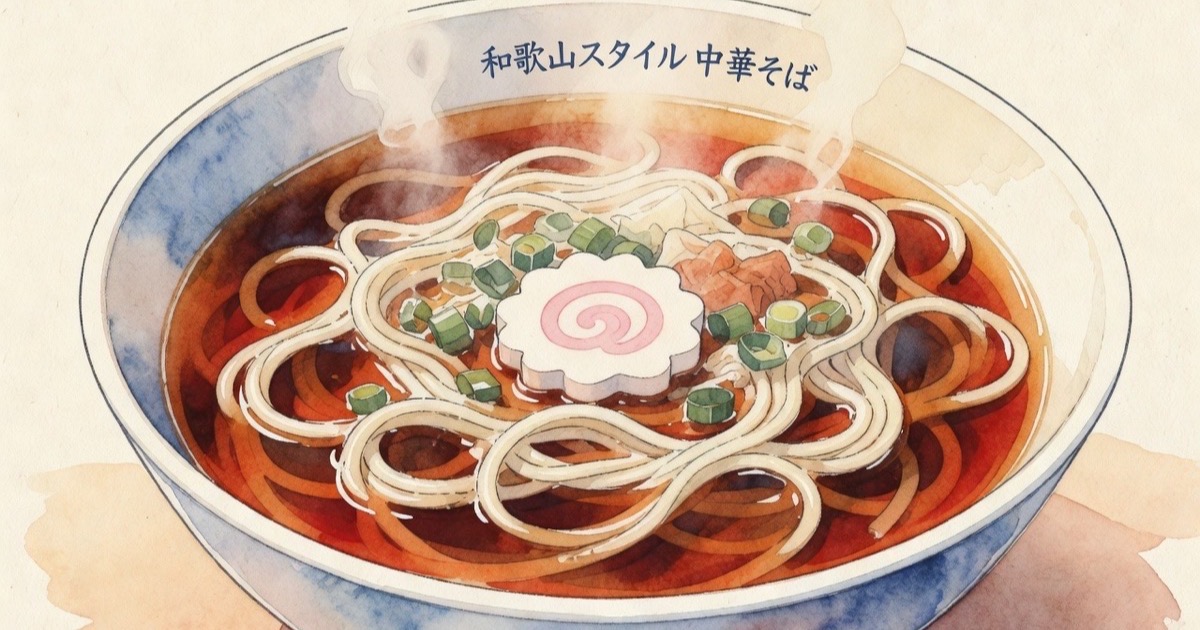
Wakayama Ramen: Chuka Soba Country South of Osaka
Wakayama ramen, locally known as Chuka Soba, is a legendary hybrid style combining rich, emulsified pork bone broth with dark, savoury soy sauce. Learn about this local food culture.
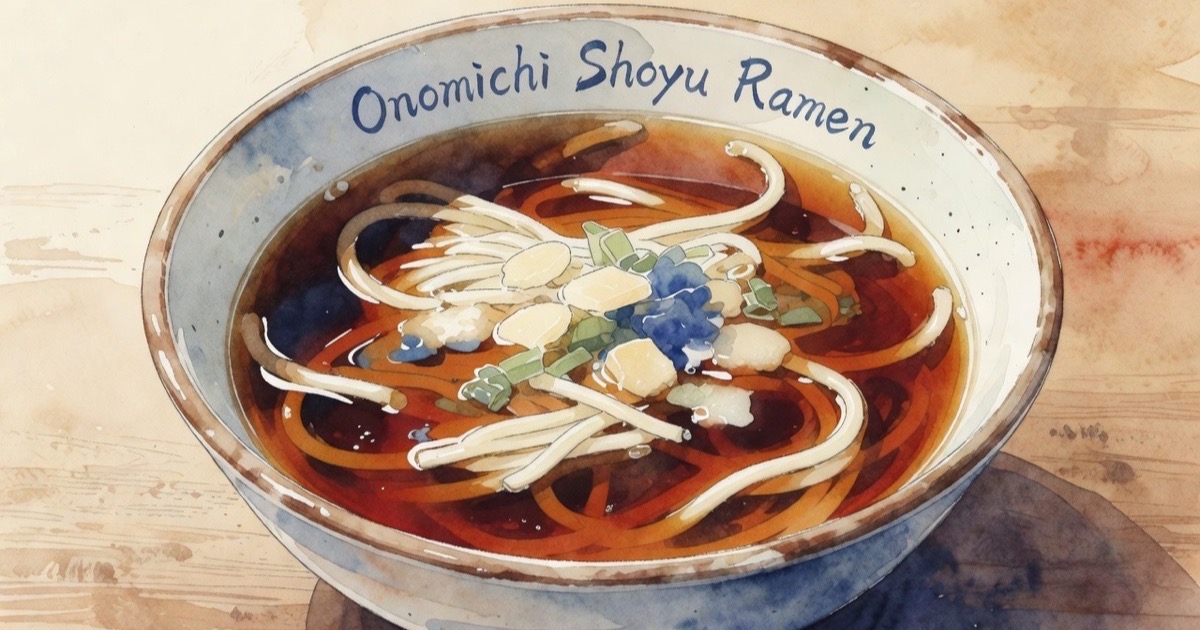
Onomichi Ramen: Hiroshima Prefecture's Flat-Noodle Seaside Style
Onomichi ramen is a beloved coastal style from Hiroshima prefecture, combining a clean soy-sauce broth with local seafood dashi and rich pork back fat. Explore this unique seaside bowl.
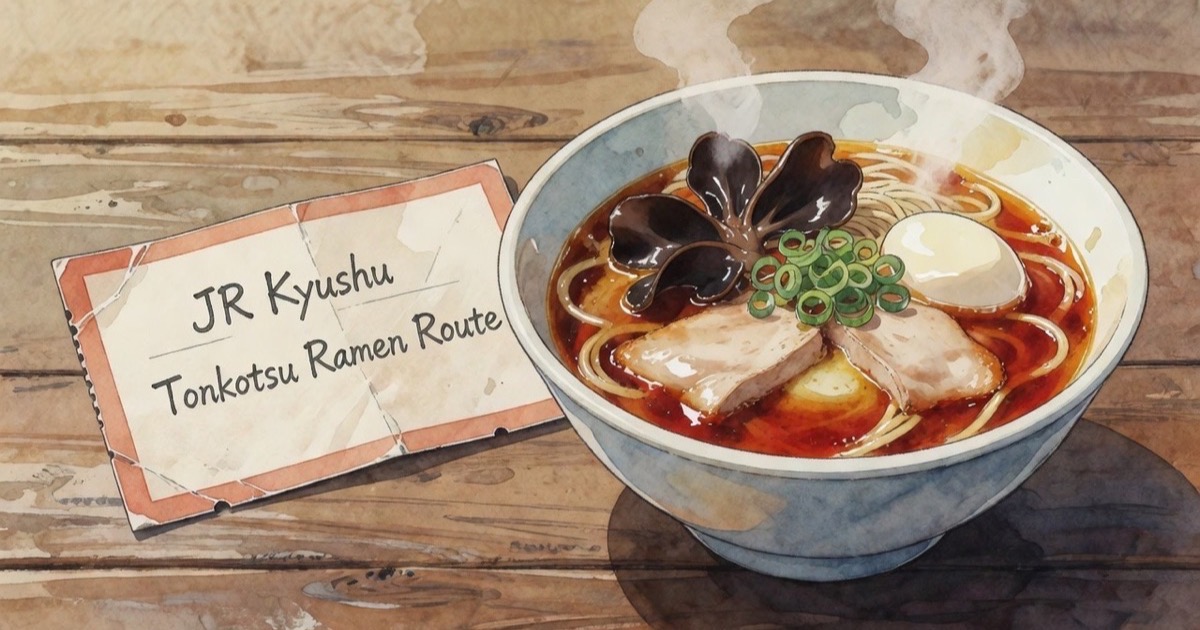
The Kyushu Tonkotsu Trail: Fukuoka, Kumamoto, Kagoshima
Kyushu is the undisputed homeland of pork-bone ramen. Embark on a journey down the tonkotsu trail, exploring the differences between Fukuoka, Kumamoto, and Kagoshima bowls.
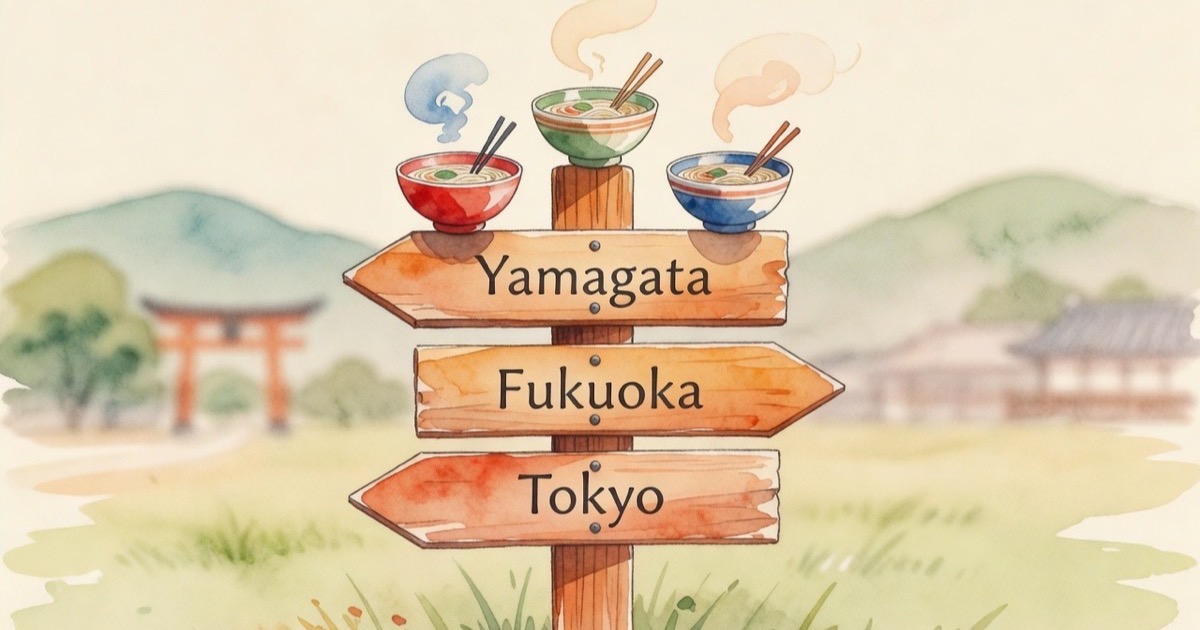
What Is the Ramen Capital of Japan? The Data-Backed Answer
Which Japanese city truly deserves the crown of 'Ramen Capital'? We look at shop density, spending statistics, and historical significance to crown the true winner.
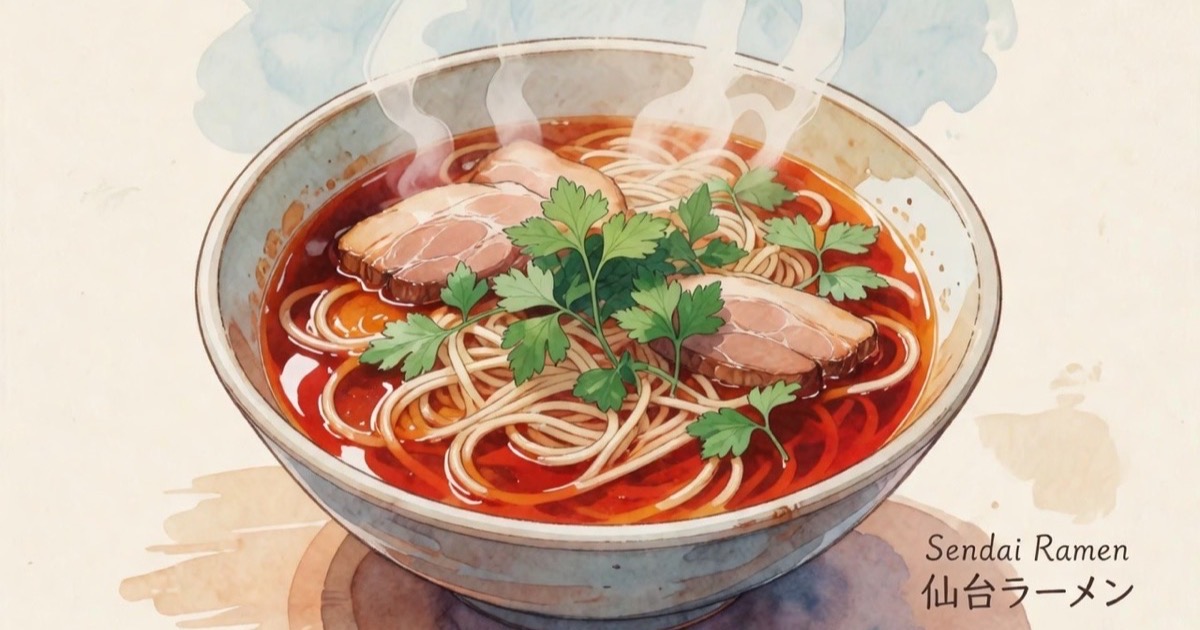
Sendai Ramen: The Tohoku City Tourists Skip (and Shouldn't)
Sendai, the capital of Miyagi prefecture, is home to a thriving and underrated ramen scene, highlighted by spicy red-miso bowls and delicate seafood dashi. Here is why you should add it to your itinerary.
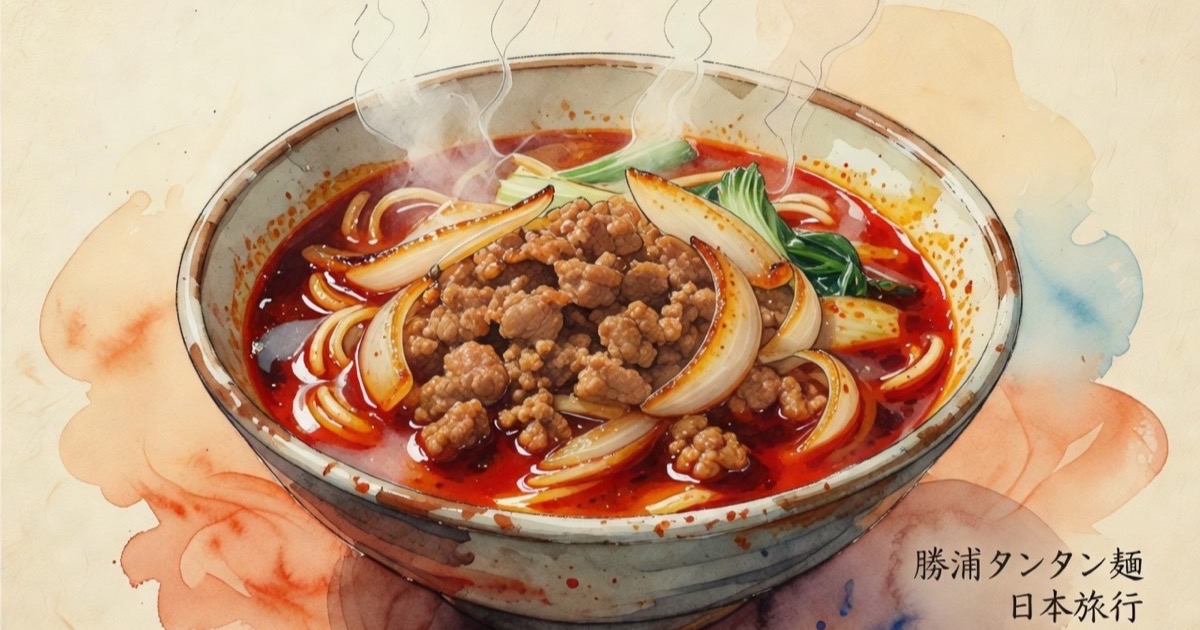
Chiba Ramen Guide: Katsuura Tantanmen and Bowls Beyond Tokyo's Edge
Chiba is a thriving ramen hub just east of Tokyo, famous for the fiery Katsuura Tantanmen and exceptional niboshi-forward dipping bowls. Discover the best styles and shops in the prefecture.
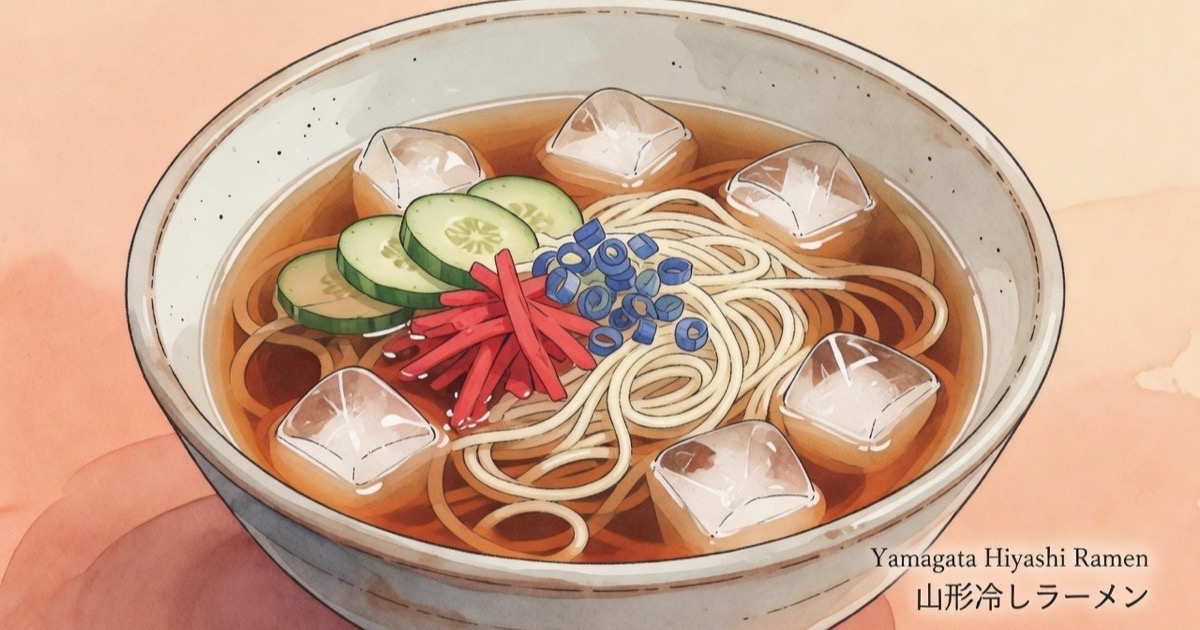
Yamagata: Japan's Ramen Consumption Capital (and Its Cold Ramen Secret)
Yamagata Prefecture is officially Japan's undisputed ramen consumption capital. Discover the secret of hiyashi ramen, a unique style of actual soup ramen served ice cold.
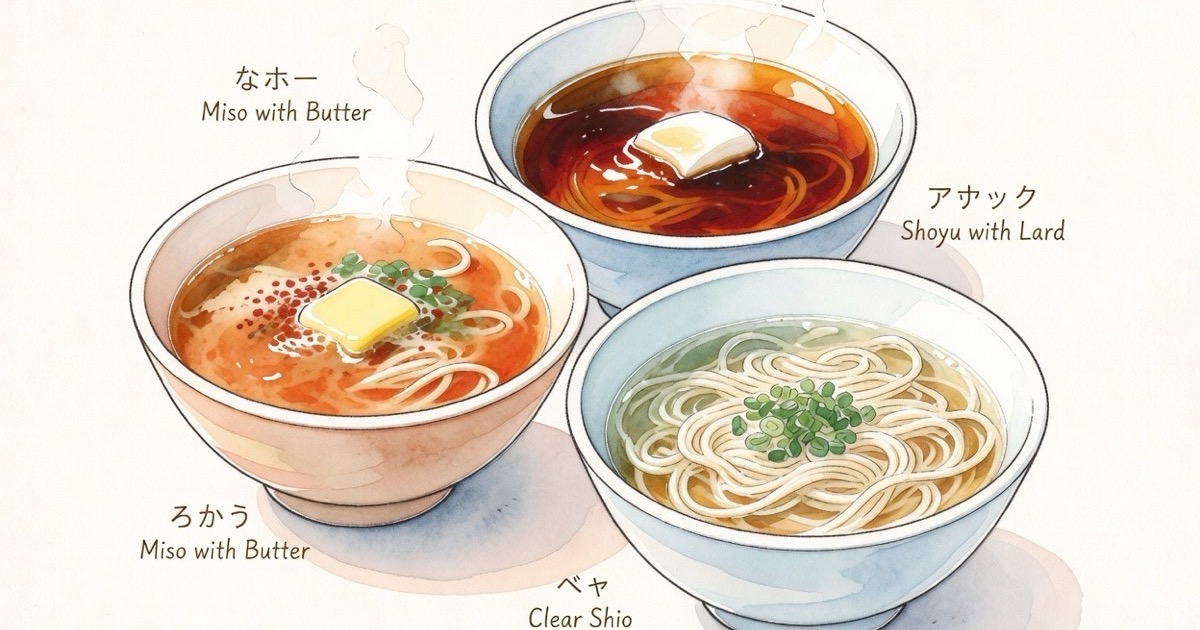
Hokkaido's Ramen Trilogy: Sapporo Miso vs Asahikawa Shoyu vs Hakodate Shio
Hokkaido's ramen scene is defined by three distinct regional styles collectively known as the Hokkaido Ramen Trilogy. Compare Sapporo miso, Asahikawa shoyu, and Hakodate shio.
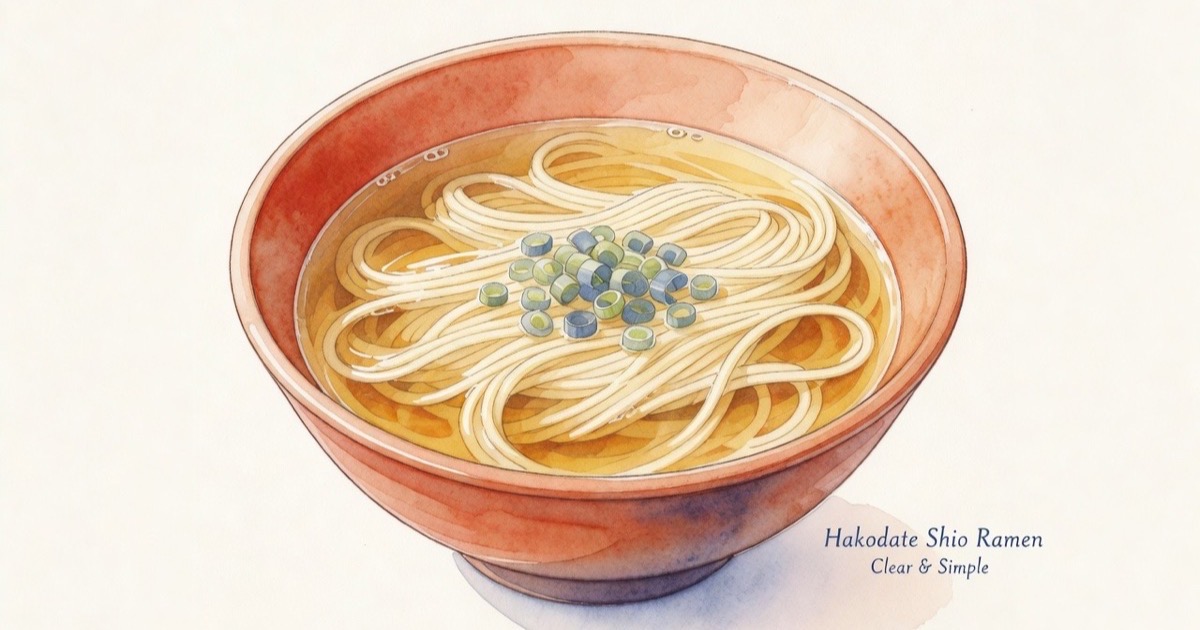
Hakodate Shio Ramen: Hokkaido's Clear, Delicate Third Style
Hakodate shio ramen is a historic, crystal-clear noodle soup distinguished by its delicate, salt-seasoned broth and clean flavour profile. Discover its history and where to eat it.
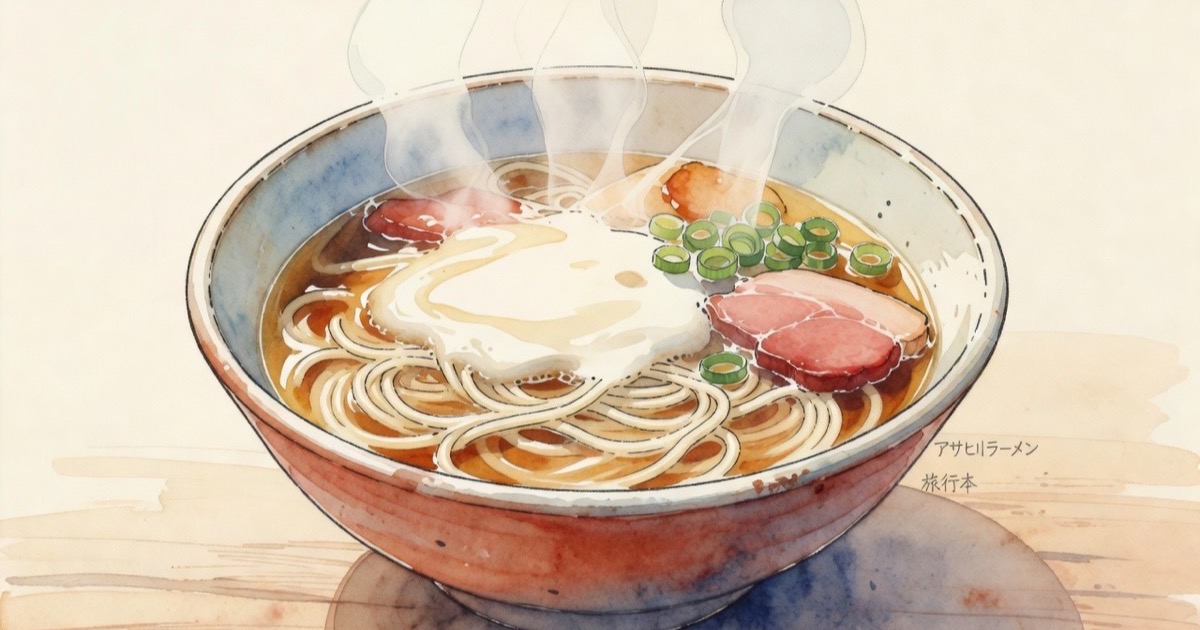
Asahikawa Ramen: The Shoyu Style Born in Japan's Coldest City
Asahikawa ramen is a hearty regional Japanese style celebrated for its deep soy-sauce-based double soup and a protective layer of lard that seals in steam and heat. Discover how this winter-proof bowl is prepared.
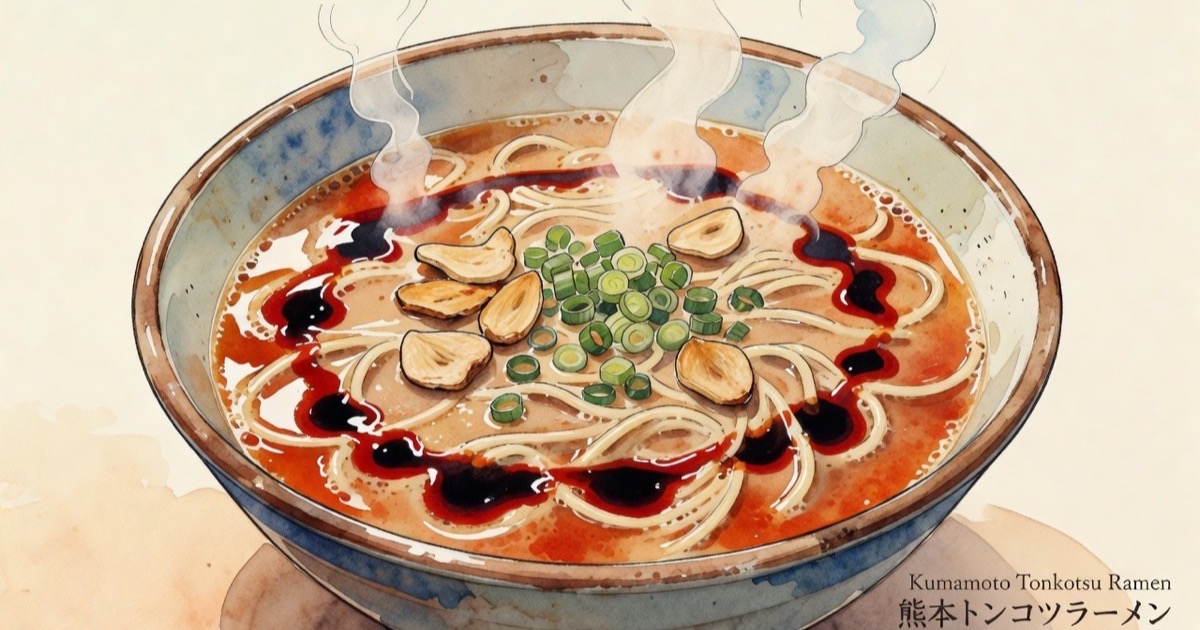
Best Kumamoto Ramen: Mayu, Tonkotsu, and Where to Eat
Kumamoto ramen is a distinctive style of Kyushu tonkotsu ramen characterised by its creamy pork-and-chicken broth, thick straight noodles, and a rich topping of black garlic oil. Discover how it differs from Hakata style.
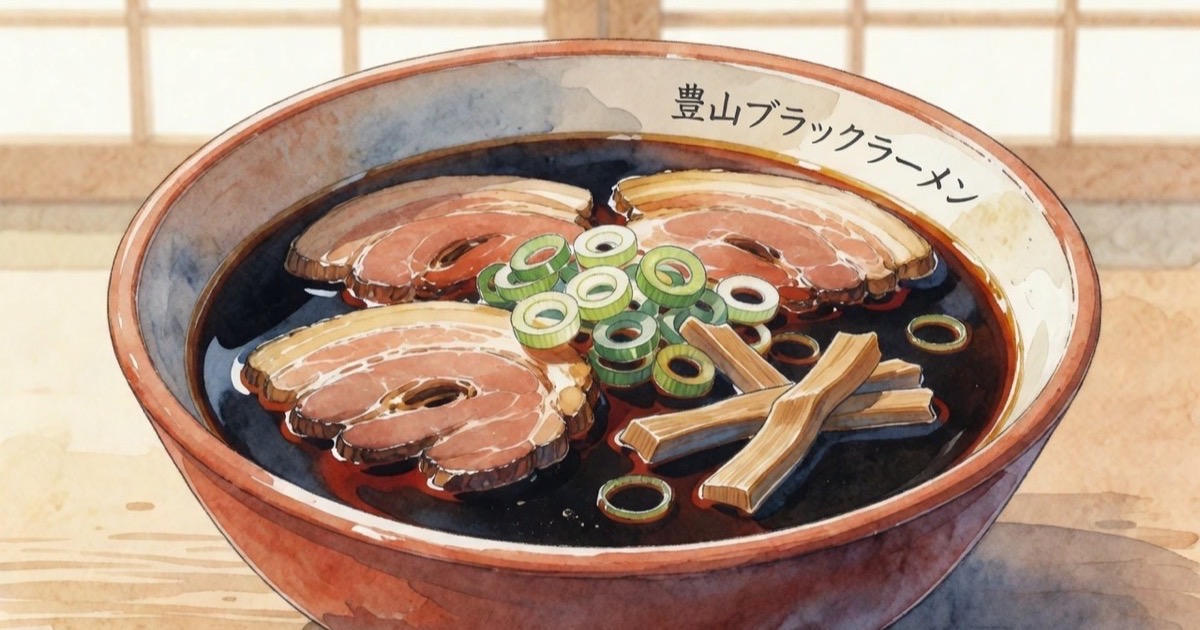
Toyama Black Ramen: Japan's Saltiest, Darkest Bowl Explained
Toyama Black ramen is a legendary regional Japanese noodle style defined by its ink-dark, intensely salty soy sauce broth topped with heavy black pepper and thick, chewy noodles. Discover the history behind this unique bowl and where to try it.
Halal Ramen in Tokyo: Certified Kitchens, Muslim-Friendly Bowls, and Station Access
Find verified halal-certified and Muslim-friendly ramen in Tokyo. Compare certified chicken paitan and wagyu broths, prayer spaces, and station access in Ueno, Asakusa, Shibuya, and Shinjuku.
Best Ramen in Shibuya: 10 Top Bowls by Broth, Budget, and Station Exit
Cut through the crowds at Shibuya Crossing. Here are the 10 best ramen counters in Shibuya organized by broth profile, ticket prices, and walking routes from Hachiko and West exits.
Vegan Ramen in Tokyo: The Complete Verified Shop & Station Guide
Standard Tokyo ramen broths rely on pork bone, chicken frames, or bonito dashi. Here are Tokyo's verified plant-based ramen shops by station, broth base, and kitchen setup.
Ramen in Japan with Kids: Table Seating, Child Bowls, and Etiquette
Most Japanese ramen shops seat fewer than ten people at narrow bar stools. Here are the family-friendly chains, table seating terminology, kid-safe broths, and stroller practicalities for traveling with children.
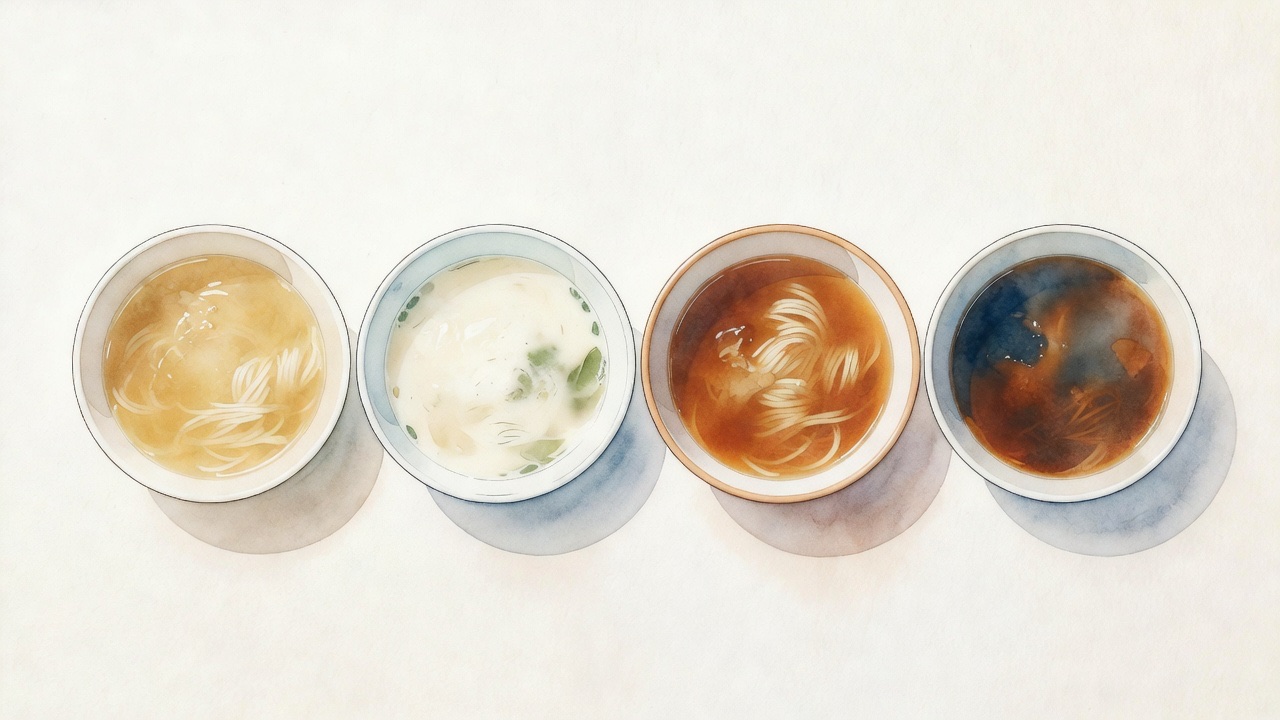
Shio Ramen Guide: Clear Salt Broth, Hakodate Roots, and Top Tokyo Shops
Shio ramen is Japan's oldest and most transparent style. Salt tare, chicken dashi, and kombu create a golden broth with nowhere for flaws to hide. Here are the regional roots, flavor mechanics, and five top shops to visit.
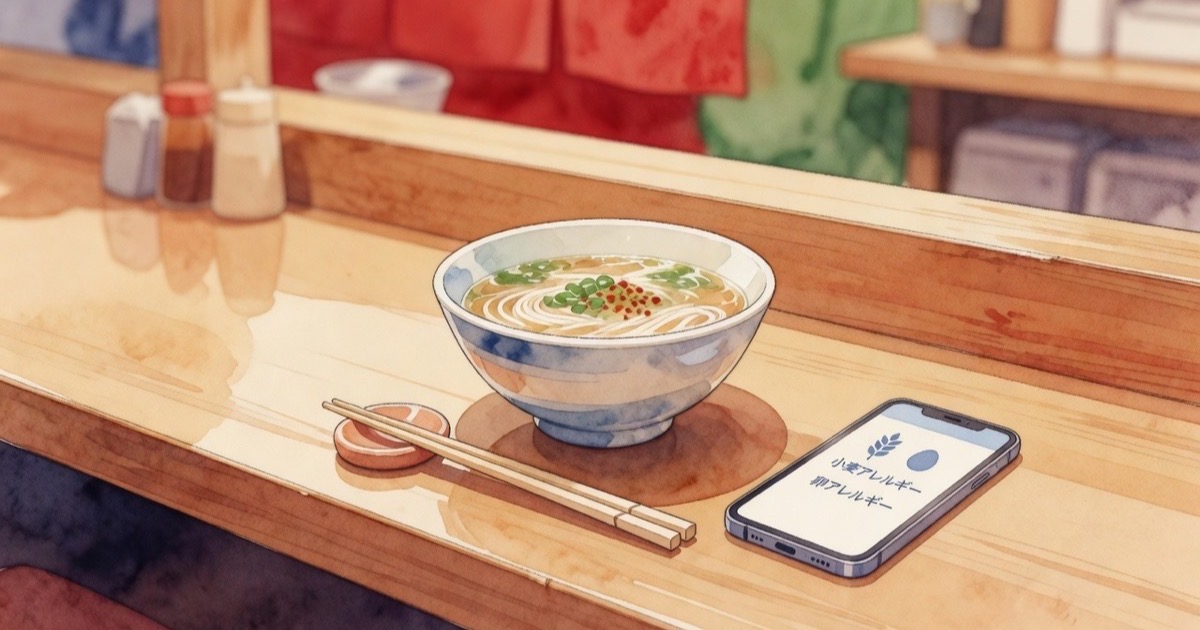
How to Eat Ramen with Food Allergies in Japan: Celiac, Egg, Soy, and Shellfish
Wheat noodles, fermented soy tare, egg binders, and hidden dashi make ramen difficult for allergic travelers. Here is how to identify safe broths, communicate with chefs, and find gluten-free shops.
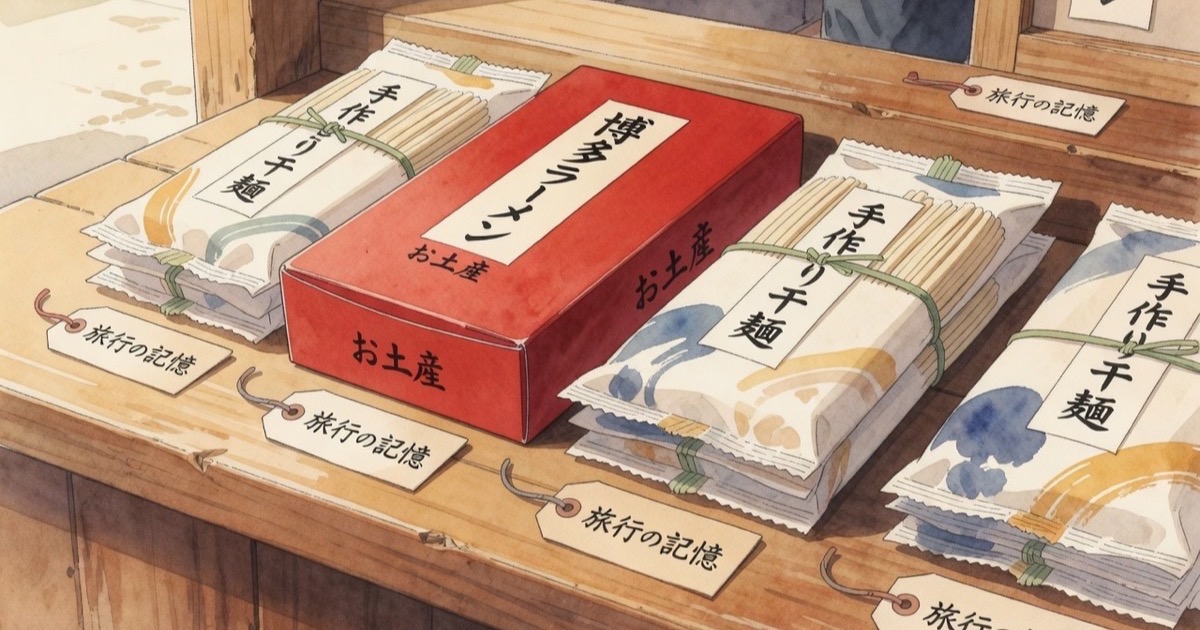
The Best Takeaway Ramen Noodle Kits to Bring Home (and Customs Rules)
Famous ramen shops like Ichiran, Ippudo, and Tomita sell packaged take-home boxes across Japan. Here is what to buy, how they compare, and how to clear customs without seizures.
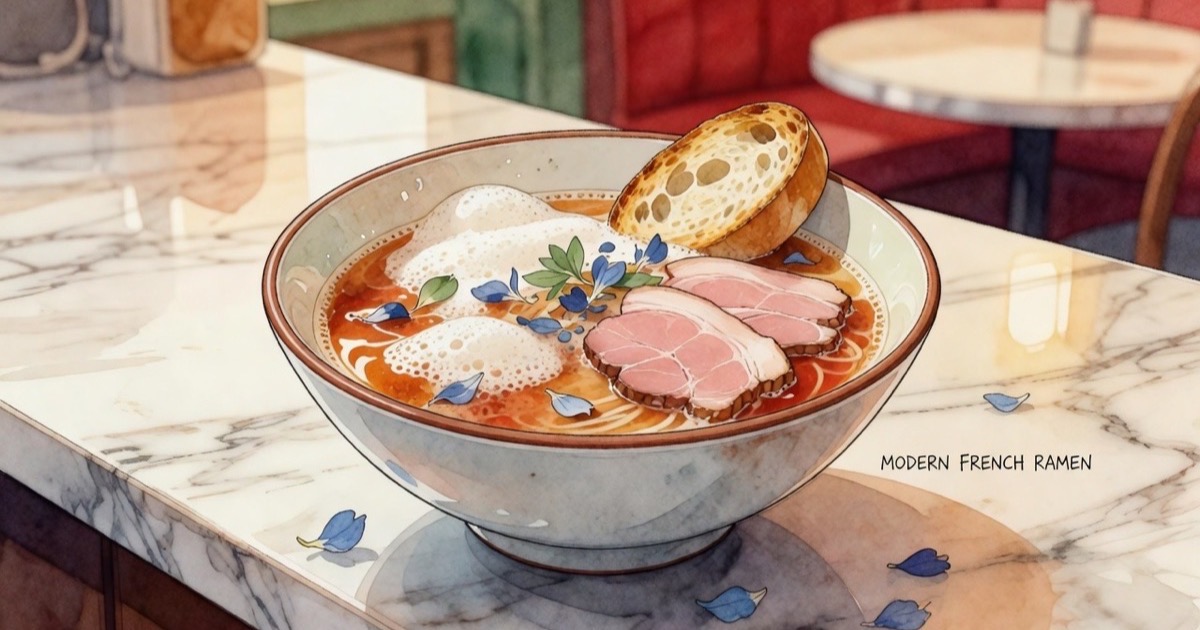
French Ramen in Japan: The 17-Shop Seafood Bistronomy Guide
French culinary techniques — fumet de poisson, aerated foam, and vegetable potages — are reshaping modern ramen across Tokyo, Kansai, Toyama, and Okinawa. Here is the full 17-shop roster.
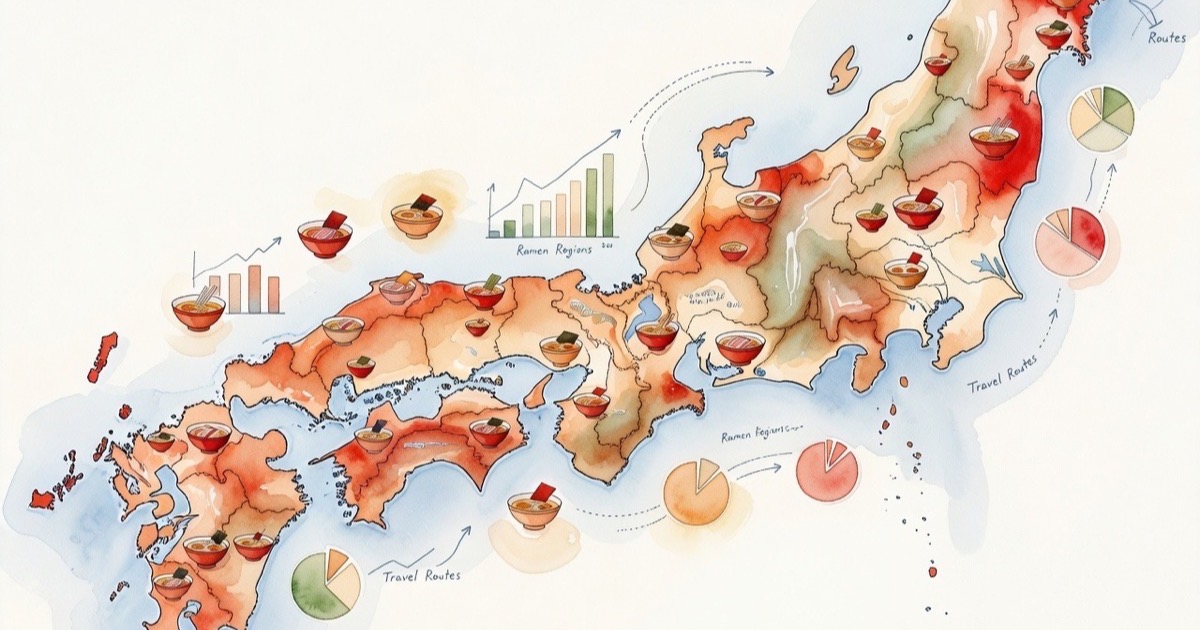
We Mapped 1,100+ Ramen Shops Across Japan: Prices, Ratings & Styles (2026)
An original data look at 1,100+ curated ramen shops on Japan Ramen Guide — average ratings, city coverage, style patterns, and what the numbers mean for travellers planning a 2026 trip.
Is Ichiran Overrated? An Honest Take for First-Time Visitors
Ichiran is the most famous ramen chain in Japan for tourists — solo booths, customisable tonkotsu, long queues. Is it worth it, or should you skip straight to local shops?
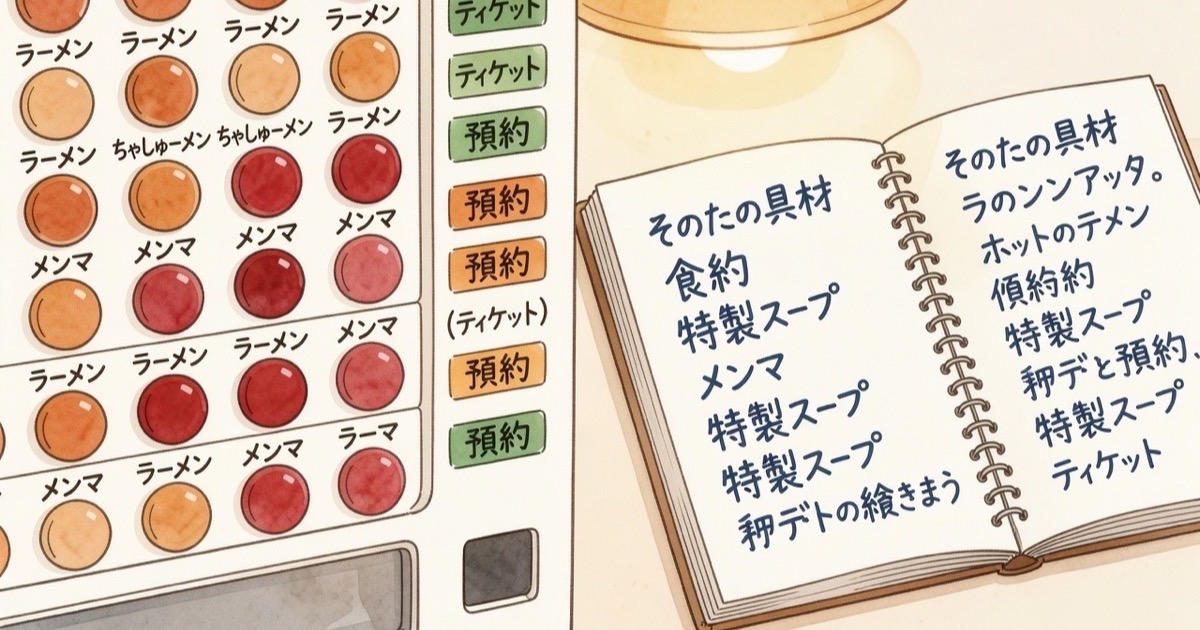
Ramen Katakana Cheat Sheet: Read Any Menu Without Speaking Japanese
Ramen menus are full of katakana loanwords and short Japanese labels. Learn the 30 words that unlock almost every ticket machine and wall menu in Japan.
Cheap Ramen in Tokyo Under ¥1,000: Where Locals Actually Eat
Yes — excellent ramen in Tokyo still costs under ¥1,000. Here's how to find affordable bowls (and which chains vs neighbourhood shops are worth it) without defaulting to tourist traps.
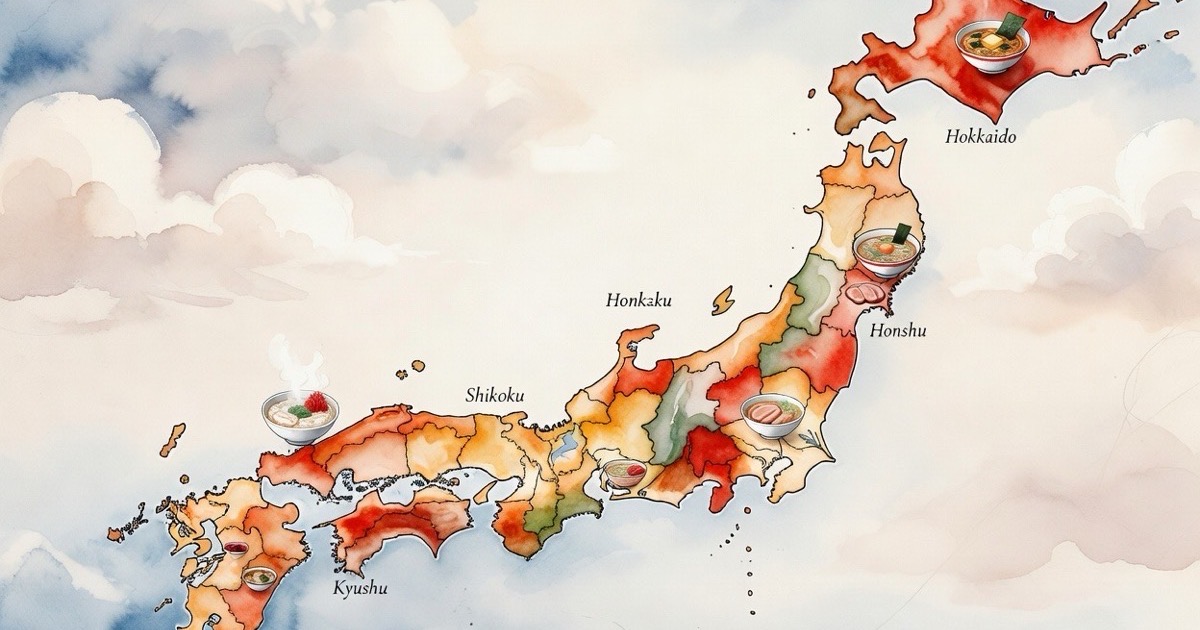
The Japan Regional Ramen Map: A Guide to Every Prefectural Style
Ramen changes completely depending on where you are in Japan. This regional guide and map details local styles from Hokkaido's miso to Kyushu's creamy tonkotsu.

Ichiran Shinjuku Kabukicho: Menu Guide, Ordering Secrets, and Queue Hacks
Navigating the basement-level Ichiran in Shinjuku's Kabukicho? Here is a practical menu guide, how to use the ordering ticket machine, and customisation tips for Tokyo's most famous chain shop.

How to Plan a Ramen Itinerary in Japan: Eating 3 Bowls a Day Without Overdoing It
Eating ramen in Japan requires planning: shops sell out, queues form, and three rich bowls a day will defeat you by day two without strategy. Here's how to structure a dedicated ramen trip.
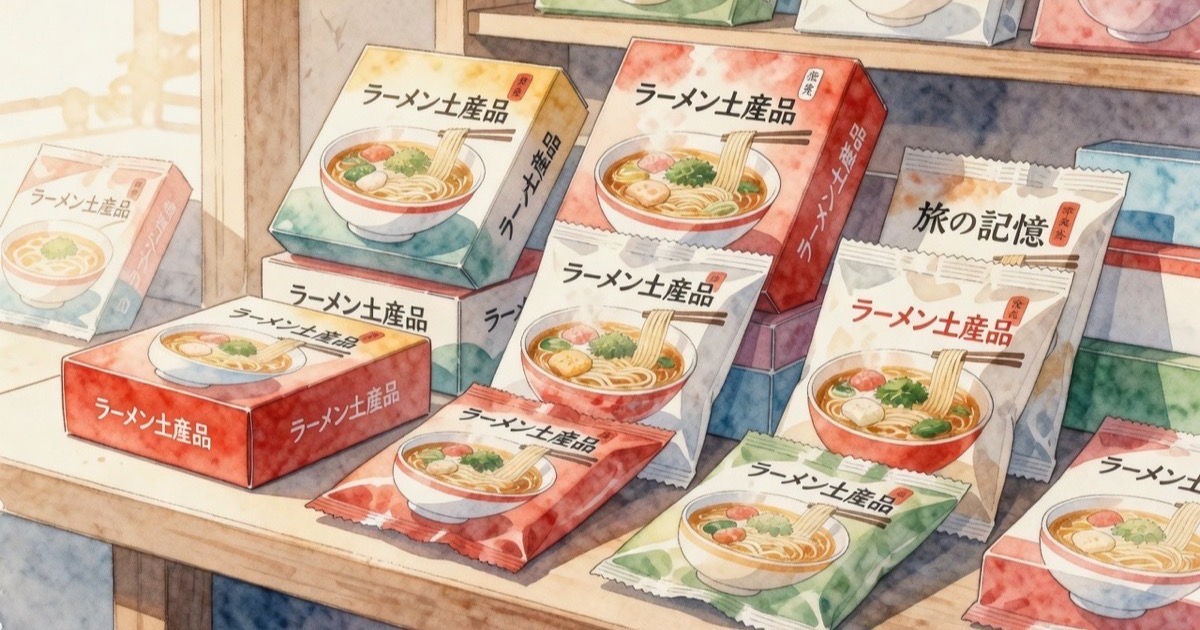
Ramen Souvenirs from Japan: What to Buy, Pack and Bring Home
Japan's best ramen souvenir isn't a bowl — it's a kit. Here's what to buy at shops, department stores, and airports, and what actually survives the journey home.
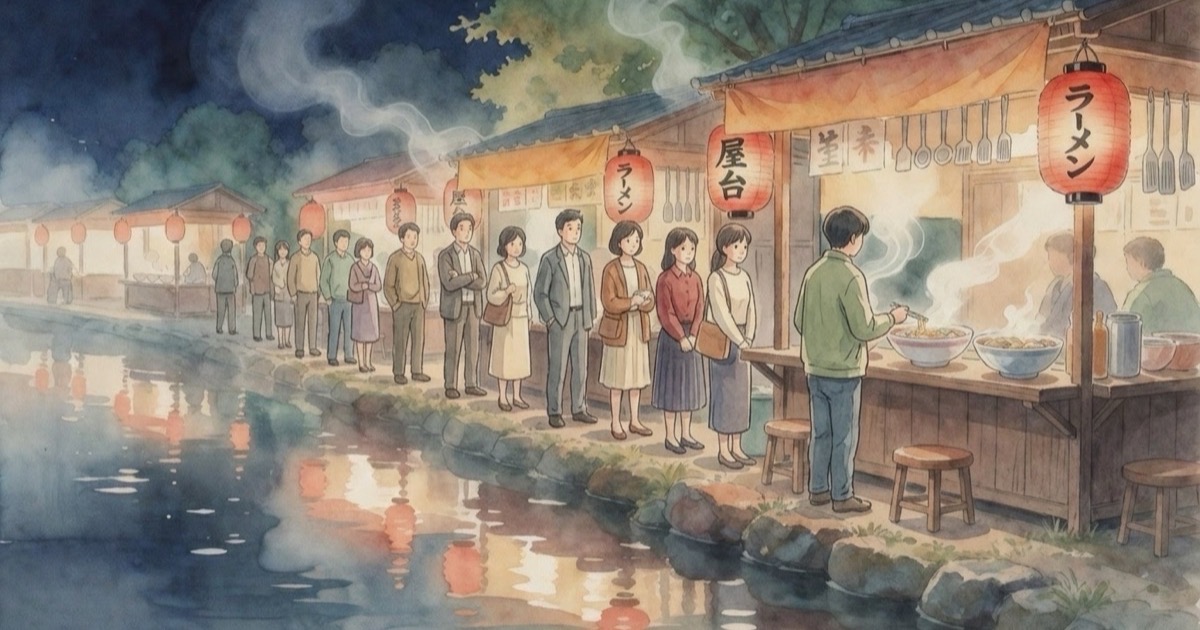
Ramen Queues in Japan: How to Beat the Wait at Popular Shops
Japan's best ramen shops routinely have queues of thirty minutes to two hours. Here's how to research opening times, arrive strategically, and decide when a queue is worth joining.
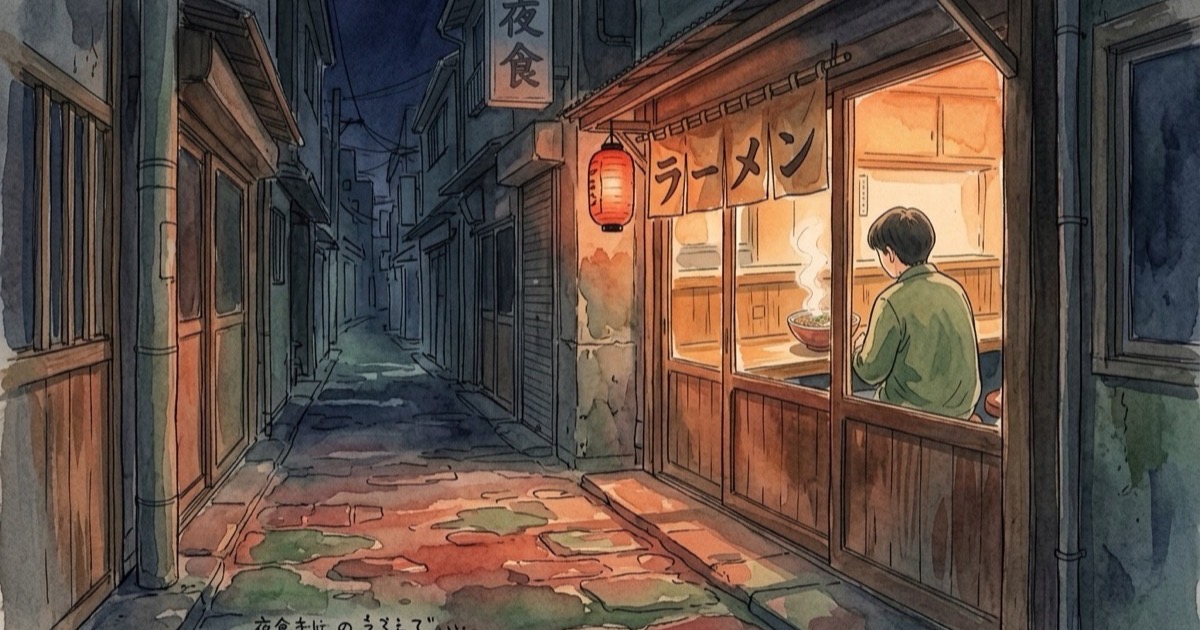
Late-Night Ramen in Tokyo: Where to Eat After Midnight
Tokyo's late-night ramen culture is one of the city's best-kept secrets. Many of the most interesting shops open at 11pm or later, and the atmosphere after midnight is something specific to Japan.
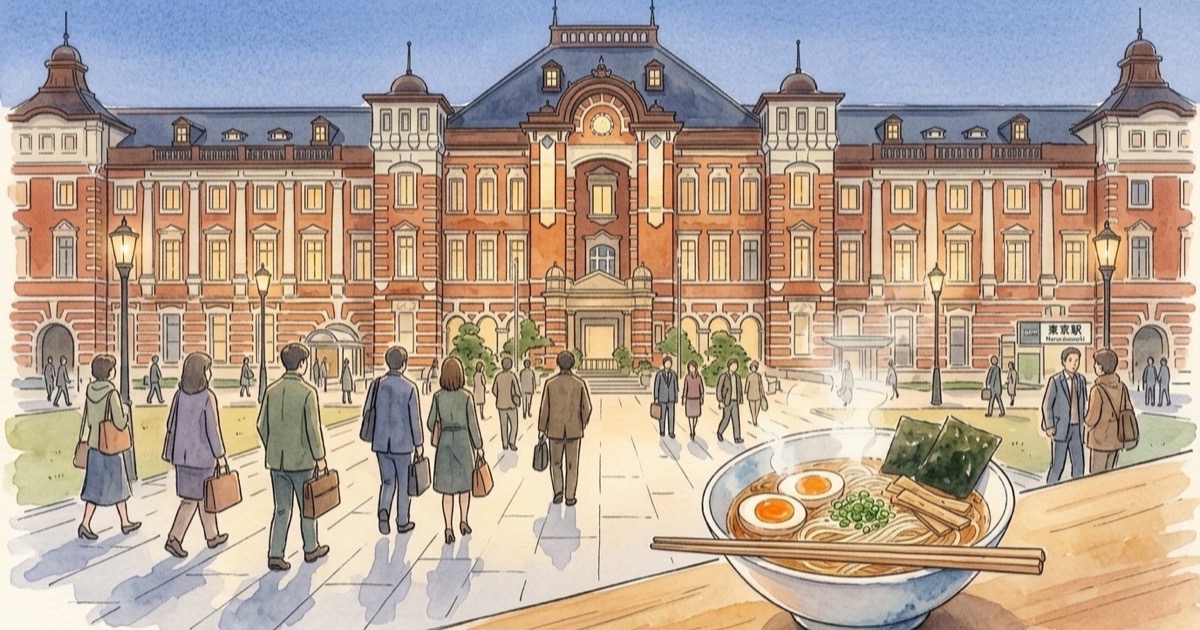
Best Ramen in Tokyo Station: Tokyo Ramen Street & KITTE Guide (2026)
Find the best ramen in Tokyo Station. Complete 2026 guide to Tokyo Ramen Street on Yaesu B1 and KITTE Marunouchi, including Rokurinsha tsukemen, opening hours, and walking directions.
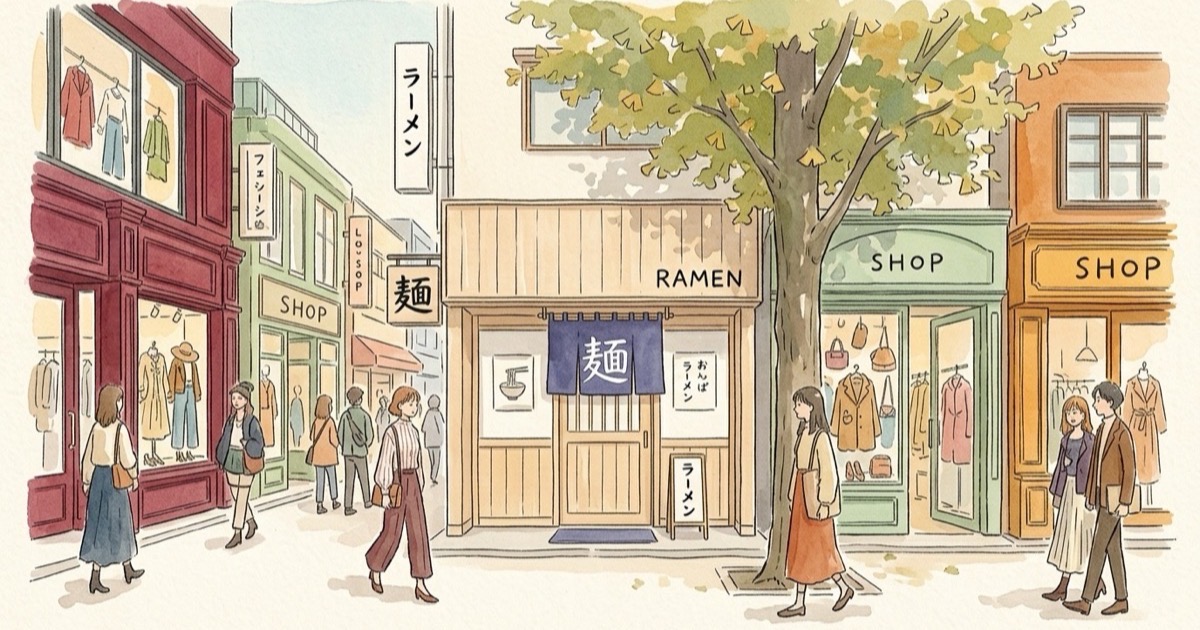
Best Ramen in Harajuku & Shibuya: Area and Shop Guide
Find ramen in Harajuku and Shibuya by area and style, from yuzu shio and tonkotsu to classic shoyu and tsukemen, with links to the Tokyo shop directory.

12 Best Ramen Shops in Shinjuku: Station Exits, Queues, and Signature Bowls
Navigate Shinjuku's dense ramen scene by station exit. From Nishi-Shinjuku's morning ticket queues to Kabukicho's late-night counters and South Exit tsukemen shrines.

Japanese Ramen Chains: 10 Best Japan Ramen Restaurant Chains Compared (2026)
Compare Ichiran, Ippudo, AFURI, Rokurinsha, and six more Japanese ramen chains. Broth styles, 2026 menu prices in JPY/USD, ticket machines, and dietary options.
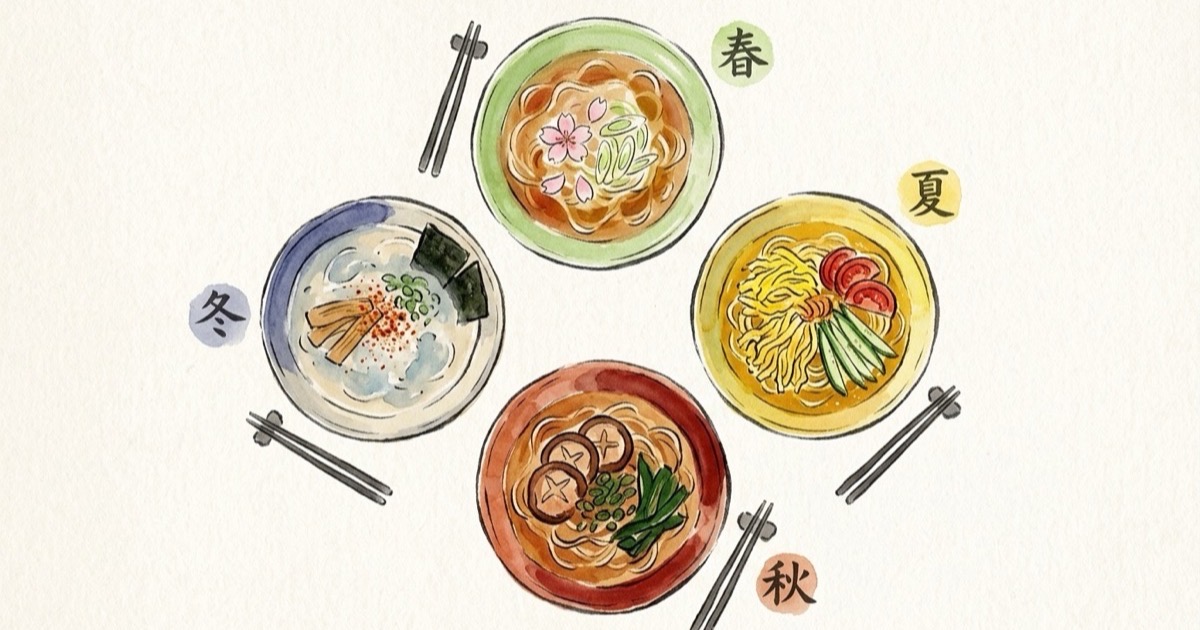
Seasonal Ramen in Japan: What to Order in Summer, Autumn, Winter and Spring
Ramen in Japan changes with the seasons — cold summer bowls, warming winter miso, spring bamboo toppings. Knowing what's seasonal helps you order the best version of each shop's menu.
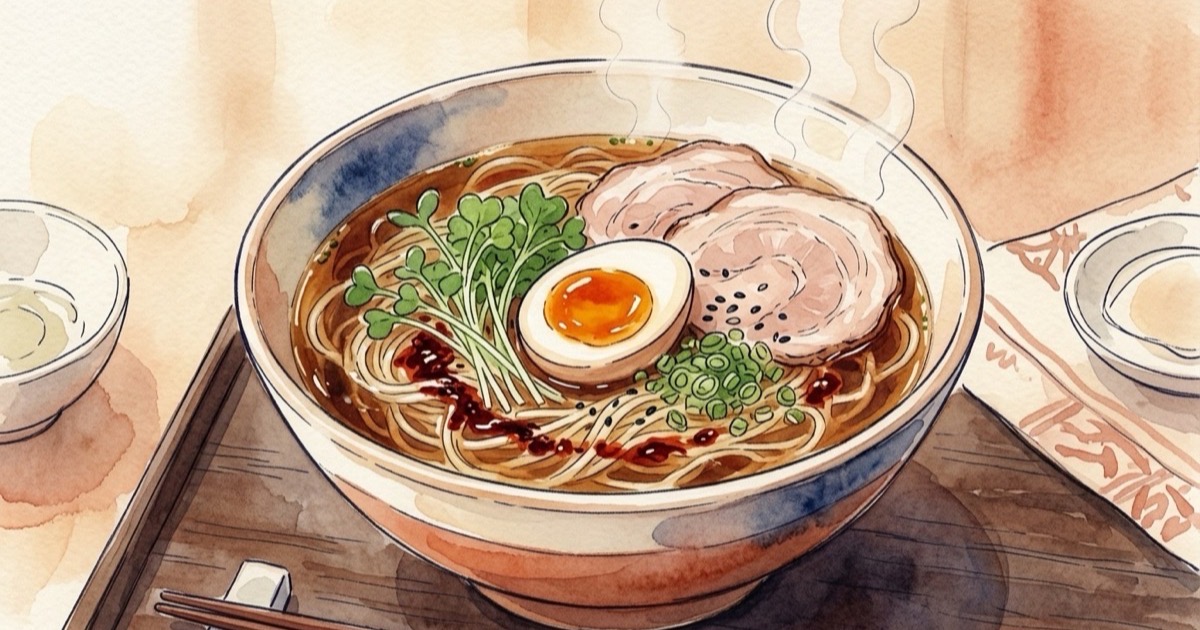
High-End Ramen in Japan: When a Bowl Costs ¥2,000 and Every Yen Is Earned
At the top of the ramen market are bowls that cost twice the average — and justify it through house-made noodles, rare ingredients, and years of refinement. Here's what separates premium ramen from the rest.
Cheap Ramen in Japan: How to Find Bowls Under ¥1,000
Cheap ramen under ¥1,000 still exists in Japan. Use recorded price bands, city filters, and menu tips to find a good-value bowl without stale lists.
Shin-Yokohama Ramen Museum: What It Is, What's Inside, and Whether It's Worth It
The world's first food theme park dedicated to a single dish opened in Yokohama in 1994. It recreates a 1958 Tokyo streetscape and rotates in ramen shops from across Japan. Here's what to expect.
Kitakata Ramen: The Small Town That's One of Japan's Three Great Ramen Cities
Kitakata has a population of 50,000 and more ramen shops per capita than almost anywhere in Japan. The style — flat wavy noodles in a light, clean broth — is unlike anything in Tokyo or Fukuoka.
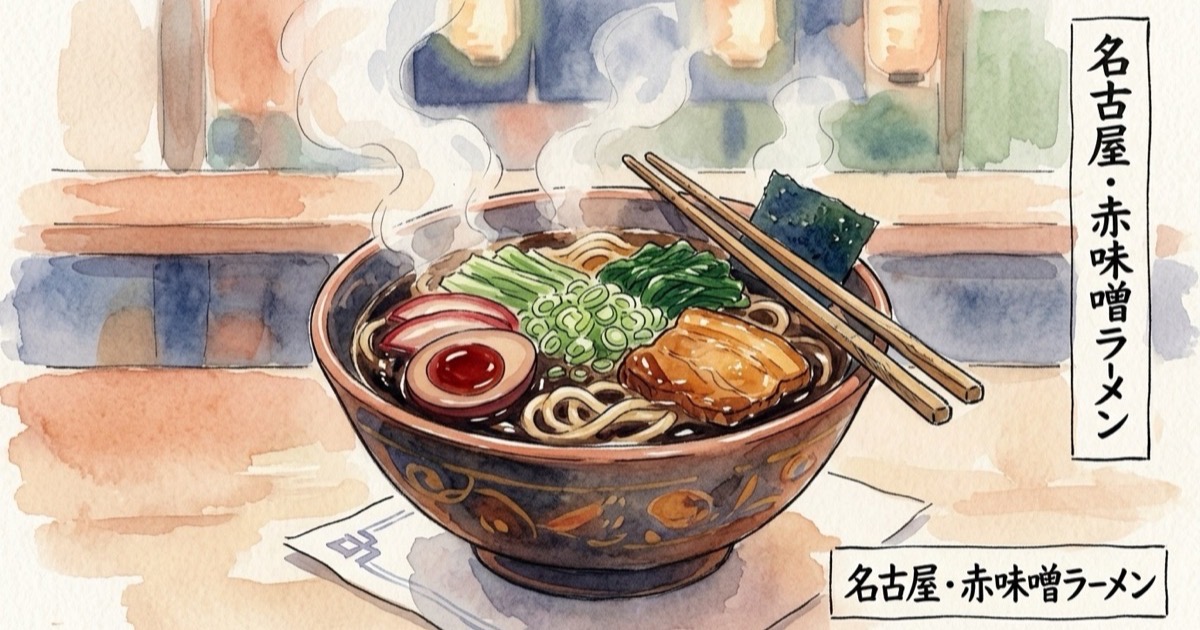
Nagoya Ramen: What to Expect in Japan's Most Underrated Food City
Nagoya is Japan's third-largest city and has a food culture all its own — including a ramen scene shaped by the local love of miso and bold flavours. Here's what to know before you visit.
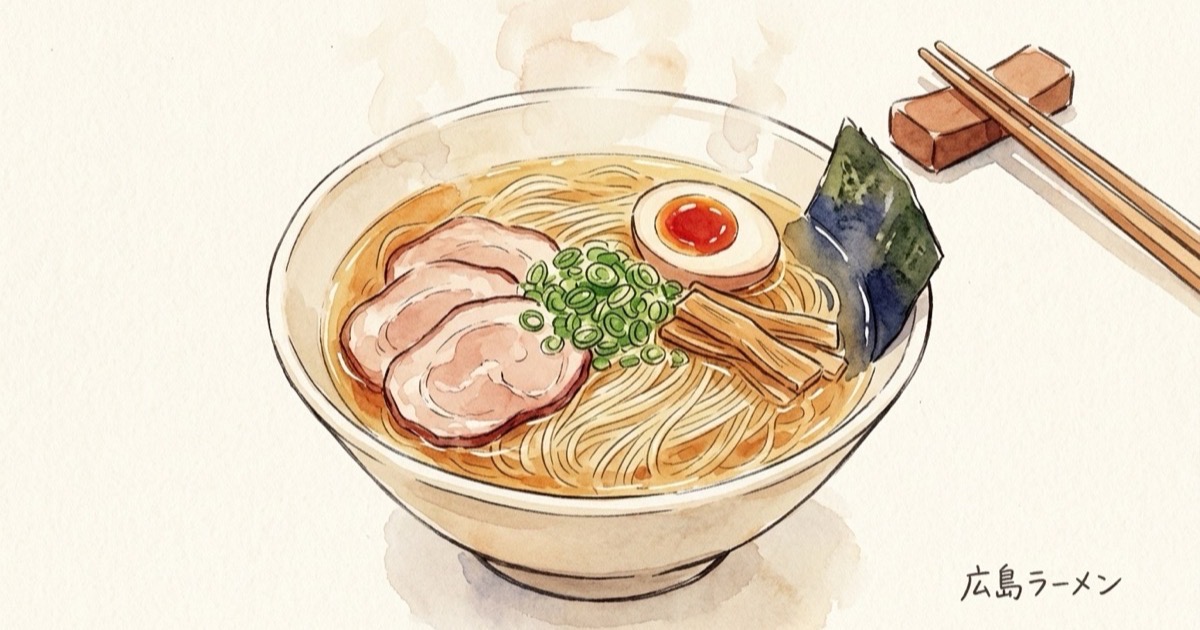
Hiroshima Ramen: The Regional Style Almost Nobody Talks About
Hiroshima has one of Japan's most distinctive regional ramen styles — a light soy broth with thin noodles and a raw egg cracked in at the end. Almost no one outside Japan knows about it.
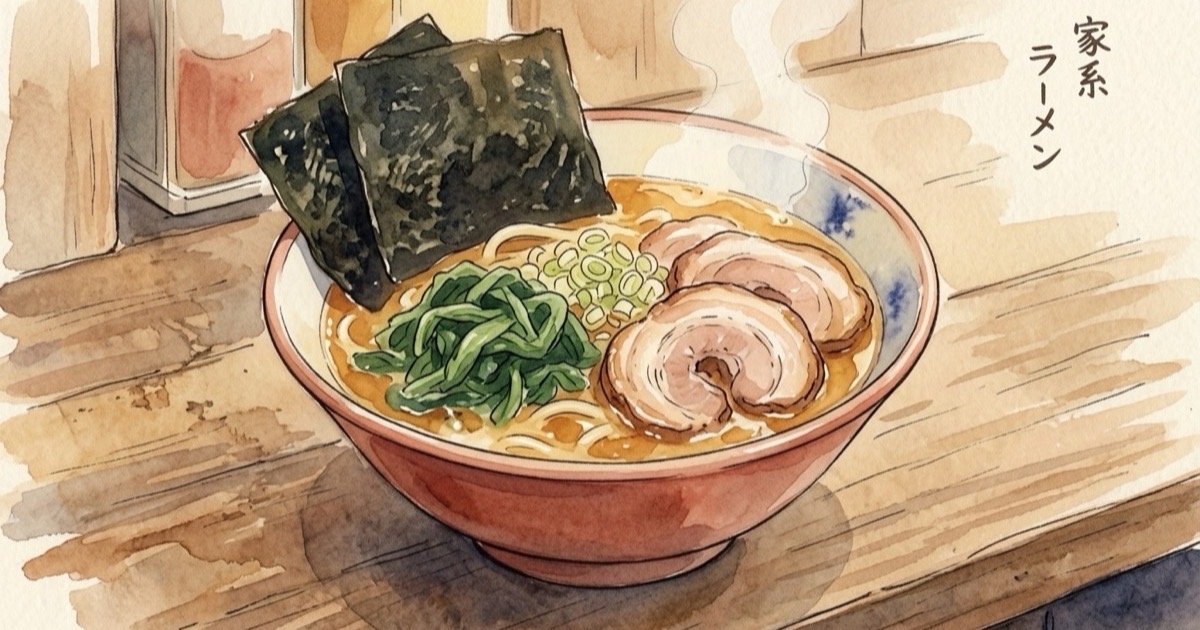
Best Ramen in Yokohama: Ie-Kei Style and Where to Eat
Find the best ramen in Yokohama for your trip. Learn the ie-kei tonkotsu-shoyu style, compare ranked shops, and decide whether to add the Ramen Museum.
Best Ramen in Kyoto: From Station Classics to the Ichijoji Ramen District
Kyoto ramen is far heartier than its delicate kaiseki reputation suggests. Discover Kyoto Station's dawn queues, refined dashi broths, and the legendary Ichijoji ramen street.
Osaka Ramen Guide: What to Eat, Where to Go, and Why It's Underrated
Osaka is famous for takoyaki and okonomiyaki, but its ramen scene is deeper than most visitors realise. Rich kotteri bowls, late-night shops, and a distinctly Kansai approach to broth make it worth seeking out.
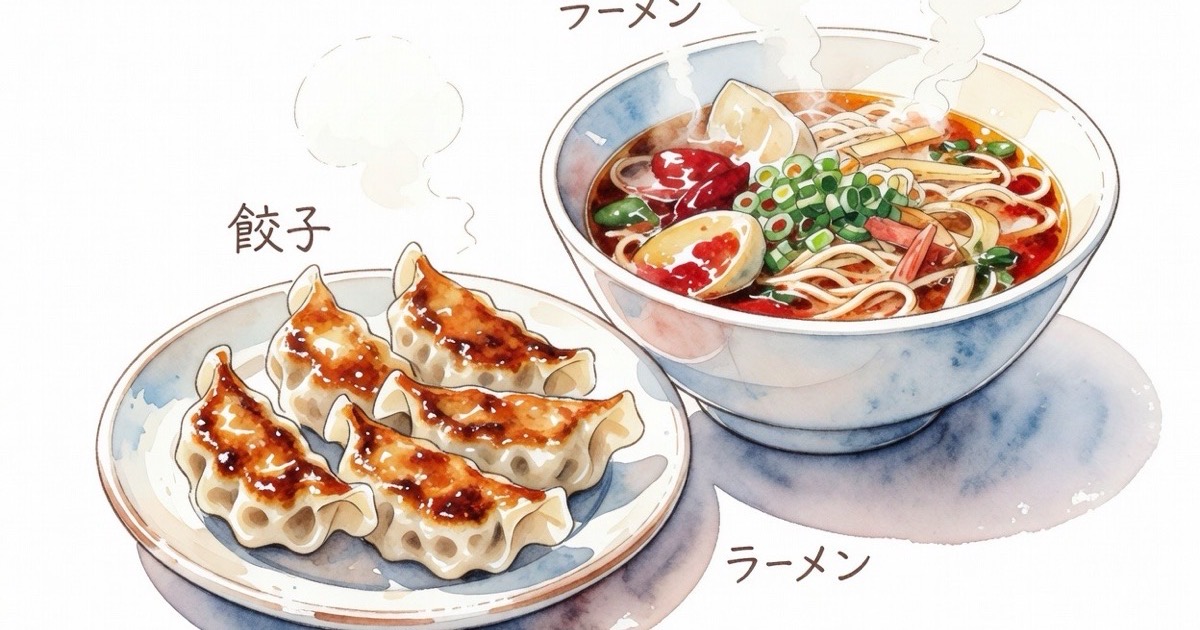
Gyoza, Karaage, and Rice: The Side Dishes That Make a Ramen Meal Complete
Ramen is the main event, but the sides at a good ramen shop are worth knowing about. Here's what to order alongside your bowl and how the combinations work.
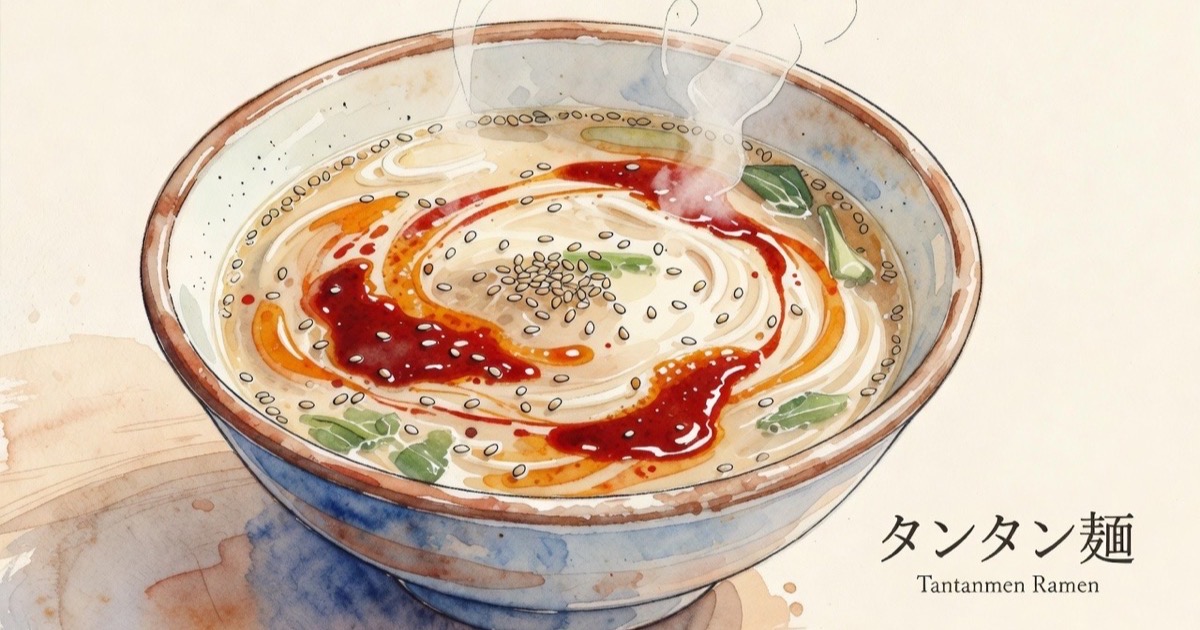
Tantanmen: Japan's Spicy Sesame Noodle Bowl and How It Differs From Chinese Dan Dan
Tantanmen started as Japan's version of Sichuan dan dan noodles — and then went in its own direction. It's now one of the most distinctive bowls in Tokyo, with a rich sesame broth and customisable heat.
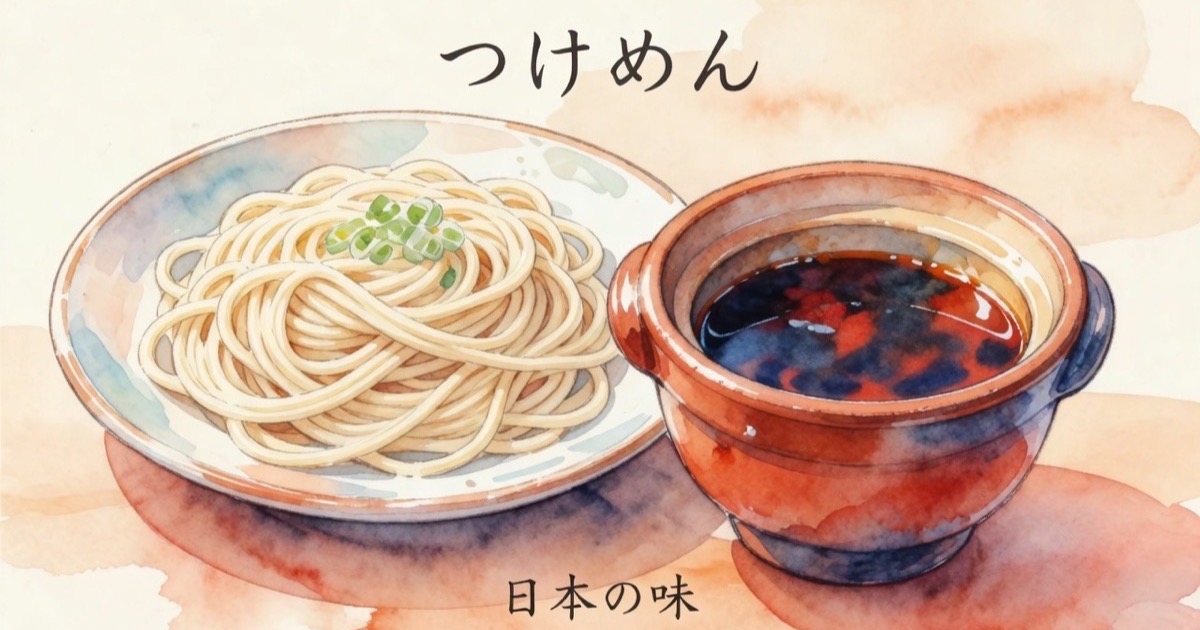
What Is Tsukemen? Japan's Dipping Ramen Explained
Tsukemen serves the noodles and broth separately — you dip cold or warm noodles into a concentrated dipping sauce. It sounds odd. It's one of the best things you'll eat in Japan.
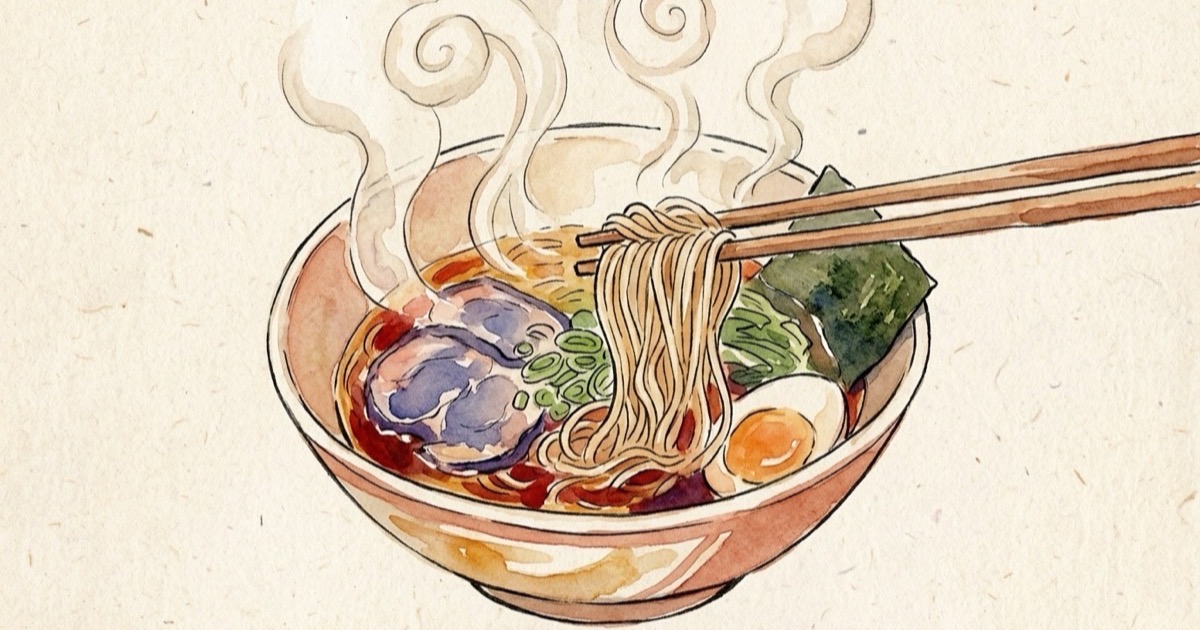
Ramen Noodles Explained: Thick, Thin, Wavy, Flat and Everything Between
Straight thin noodles go with shio and tonkotsu, wavy thick noodles hold miso broth. Here is the hydration and shape pairing logic Japanese ramen chefs use.
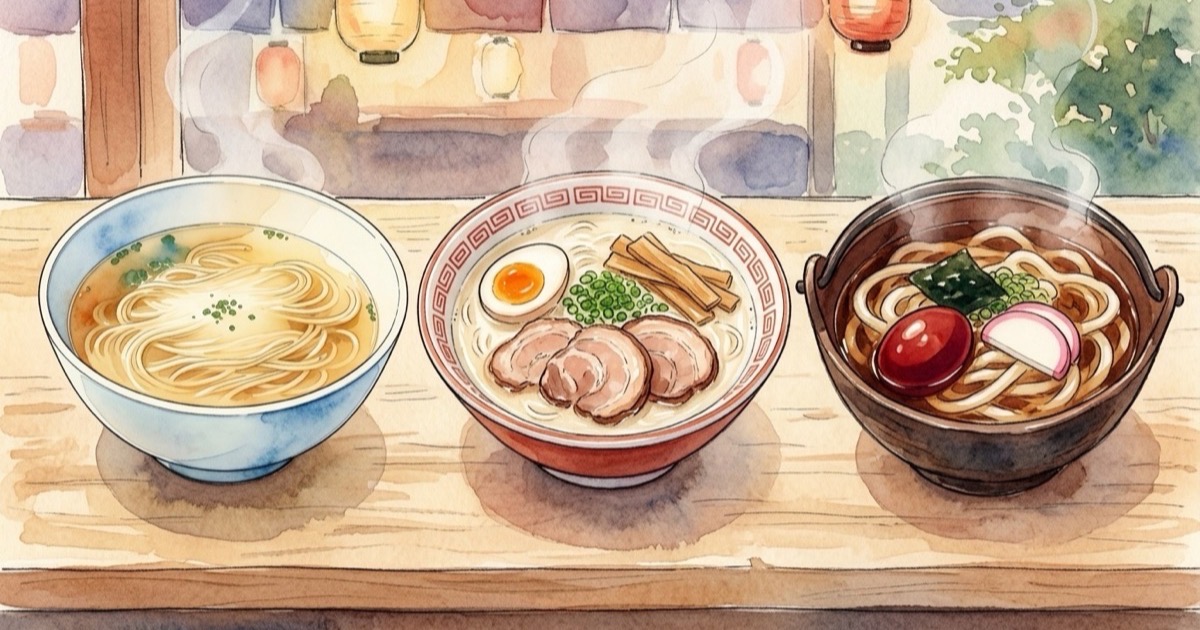
Ramen vs Udon vs Soba: What's the Difference and Which Should You Try First?
Japan has three great noodle dishes. Each uses different noodles, different broths, and fills a different role in Japanese food culture. Here's how to tell them apart and decide where to start.
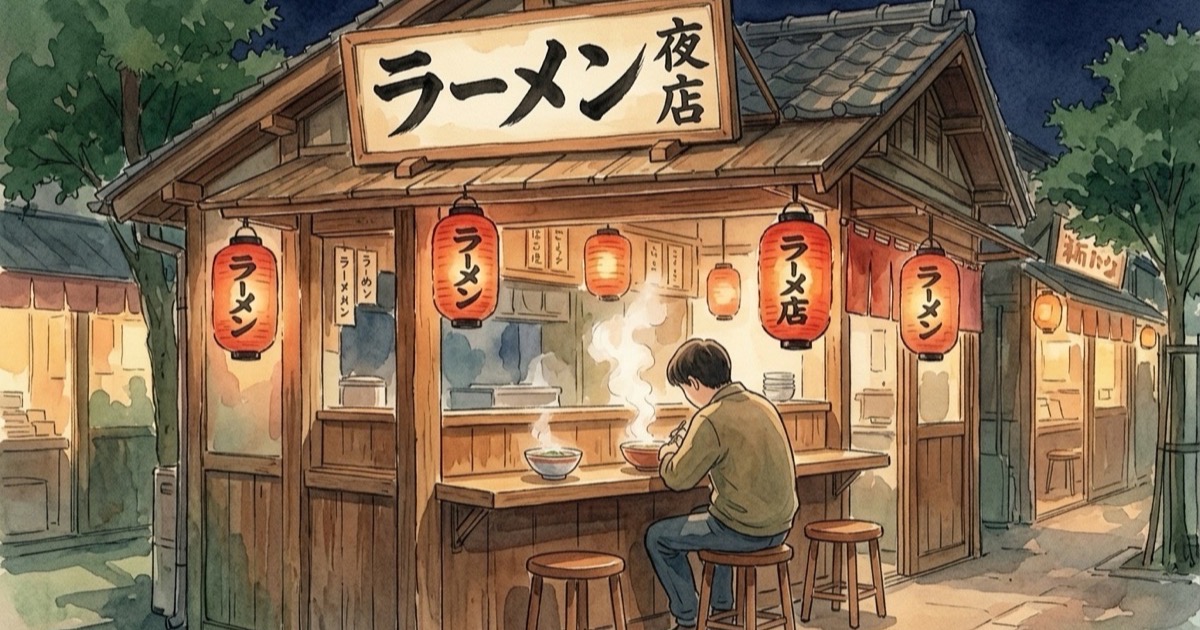
The History of Ramen: From Chinese Noodles to Japan's Most Beloved Dish
Ramen began as a Chinese immigrant food in the late 1800s, survived a world war, and became Japan's national obsession through a combination of necessity, creativity, and craft. Here's the full story.
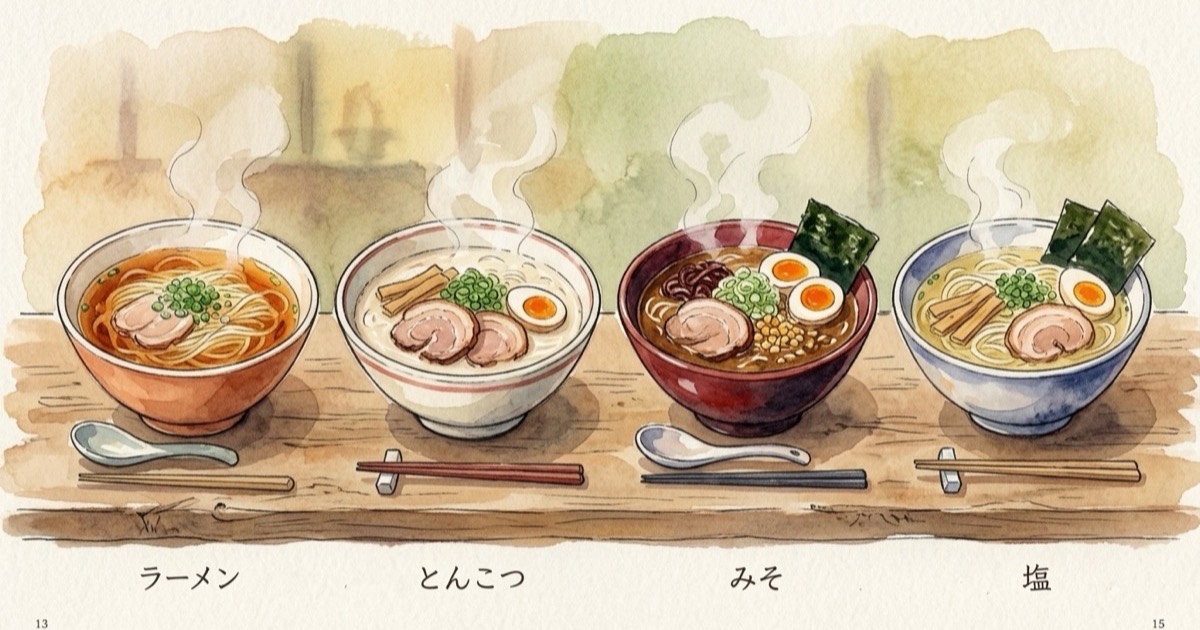
What Is Ramen? Japan's National Dish Explained From Scratch
Four broths, five noodle types, sixteen regional styles — and every bowl reflects a different set of trade-offs. Here's how to understand what you're actually eating when you sit down in a Japanese ramen shop.
Why Ramen Tastes Better in Japan Than Anywhere Else in the World
You've had ramen in New York, London, Sydney. It was good. Then you had it in Tokyo and it was something else entirely. Here's the science and craft behind that gap.
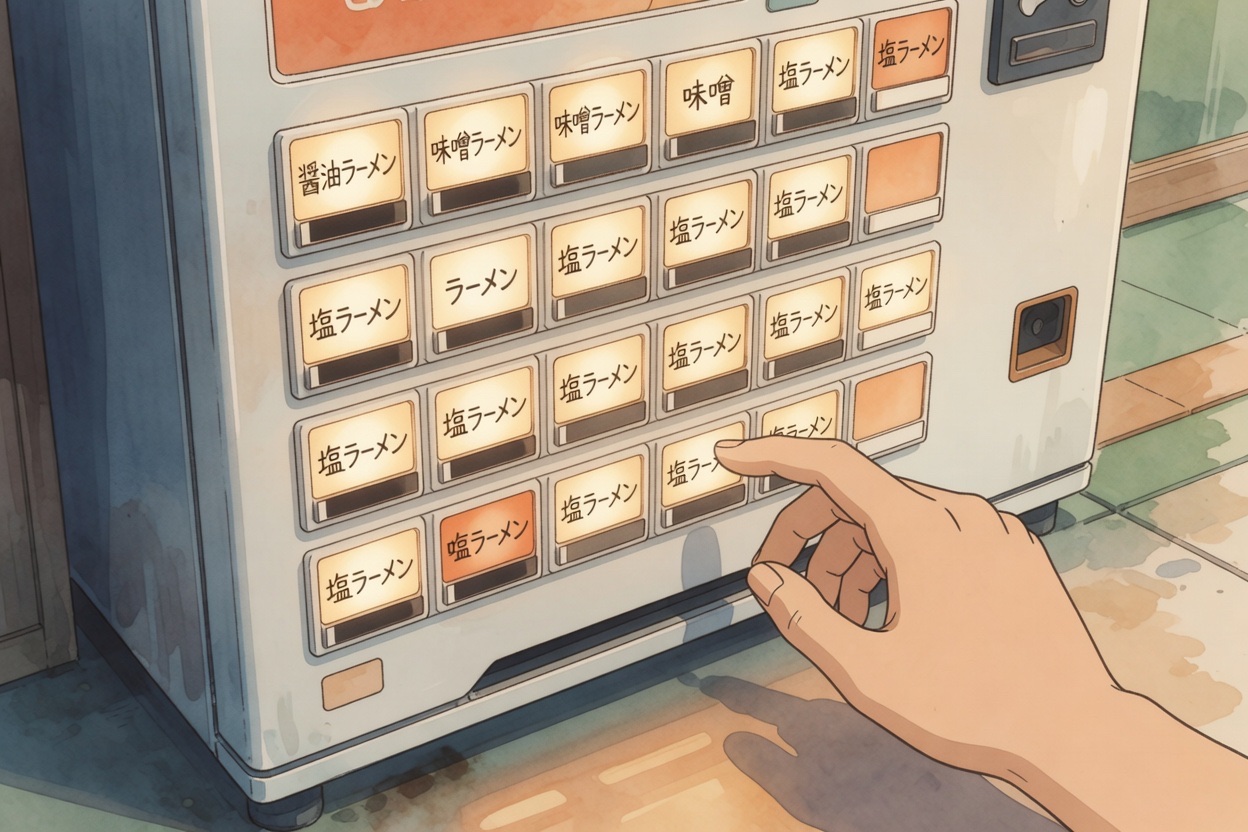
No English, No Problem: How to Order Ramen at Any Shop in Japan
The best ramen shops often have no English menu, no English signs, and staff who don't speak English. Here's a practical field guide for navigating exactly that situation.

Sapporo Ramen Guide: Miso, Butter Corn, and Why Hokkaido Does It Differently
Sapporo's miso ramen is one of Japan's great regional specialities — thick, warming, and uniquely tied to Hokkaido's cold climate and agricultural heritage. Here's everything you need to know.
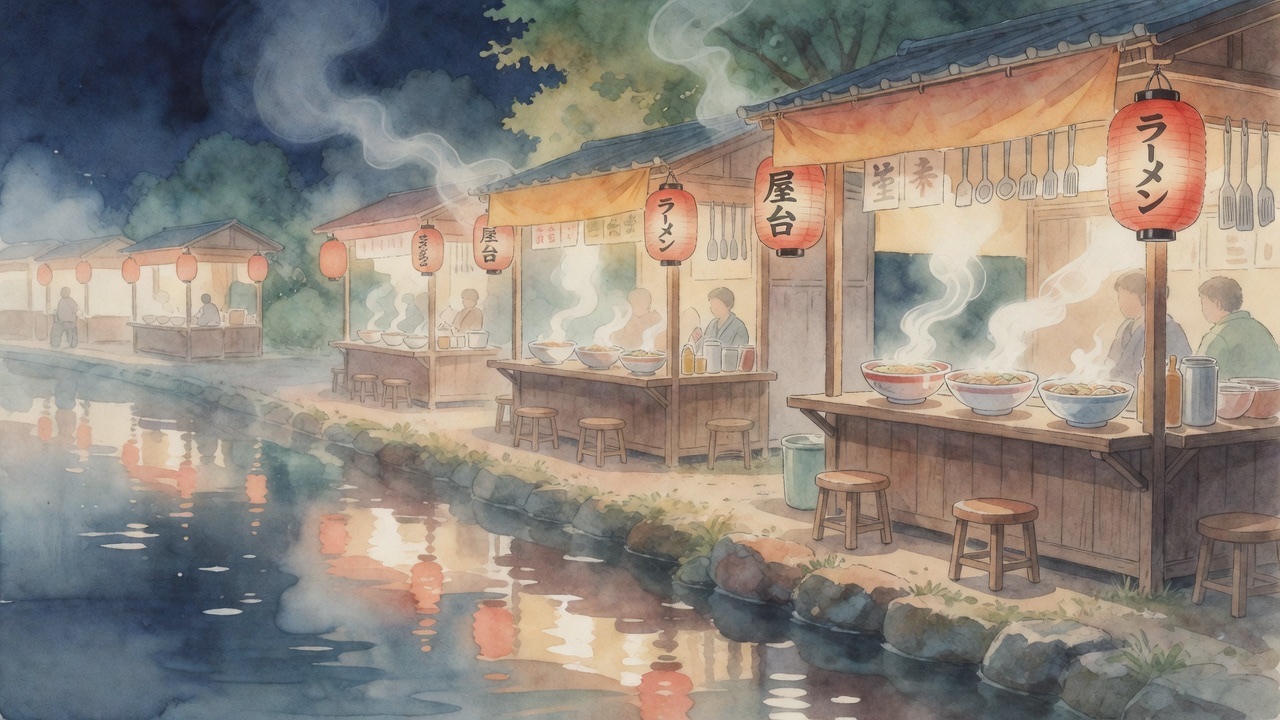
The Best Ramen in Fukuoka: A Guide to Tonkotsu's Hometown
Fukuoka is where tonkotsu ramen was born. The yatai stalls, the Hakata style, the kaedama ritual — here's everything you need for the best ramen experience in Kyushu.
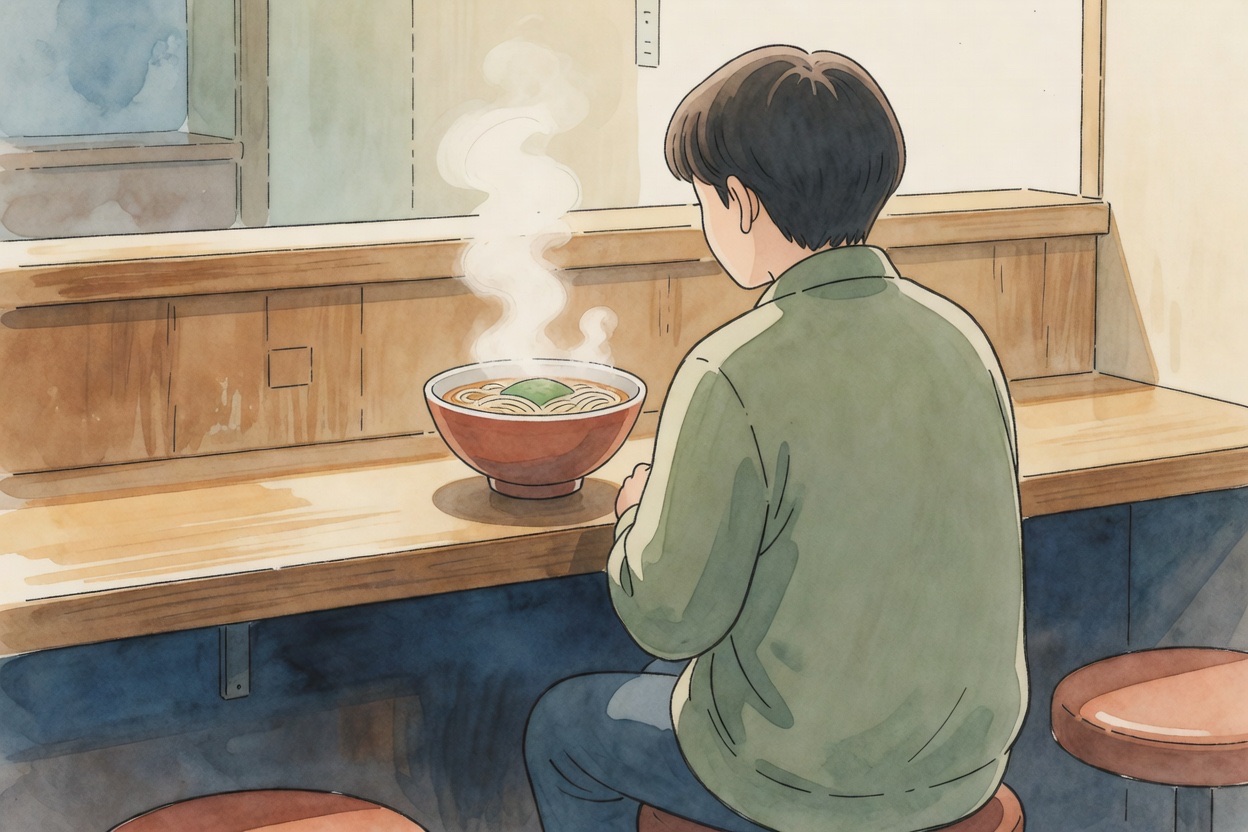
Eating Alone in Japan: Why Ramen Shops Are the Best Places for Solo Diners
Japan has designed the ramen shop around the solo diner. Counter seats, partition screens, and no expectation of conversation make it the world's most comfortable solo meal.
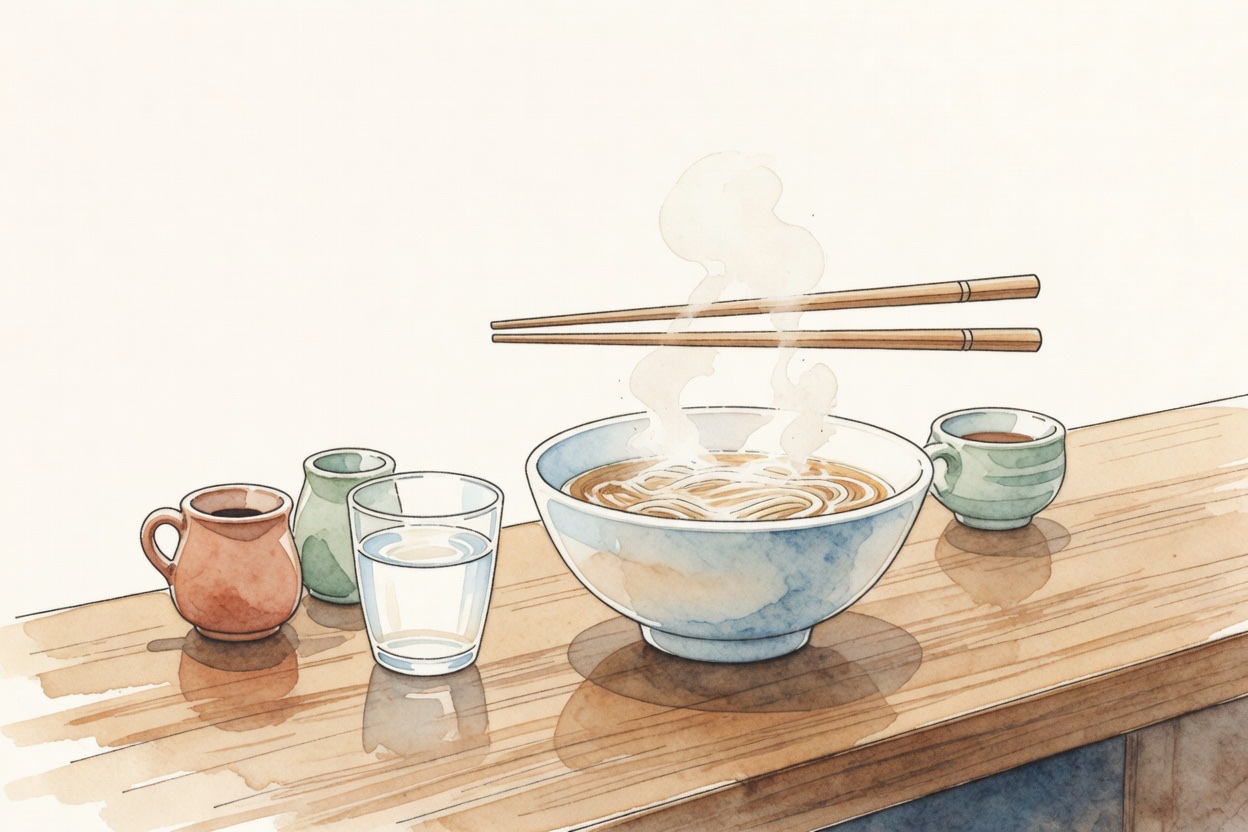
Ramen Etiquette for Tourists: The Unwritten Rules Nobody Tells You
Slurping is fine. Tipping is not. But there are a dozen other etiquette points that most tourists never learn. Here's the complete guide to behaving correctly in a Japanese ramen shop.
Ichiran, Ippudo, or a Local Shop? How to Choose Your Tokyo Ramen Experience
Chain restaurants are convenient and reliable. Local shops are where the real magic happens. Here's how to weigh both — and when each is the right choice.
Michelin-Starred Ramen in Japan: What It Means and Whether the Queue Is Worth It
Japan has more Michelin stars than France. Ramen is part of that story. Here's what Michelin recognition actually means for a ramen shop — and how to decide if it's worth the wait.
Halal Ramen Tokyo: 6 Best Halal-Certified & Pork-Free Shops (2026)
Find halal and pork-free ramen in Tokyo, Kyoto, and Osaka, and learn why halal-certified, Muslim-friendly, and pork-free are not interchangeable labels.
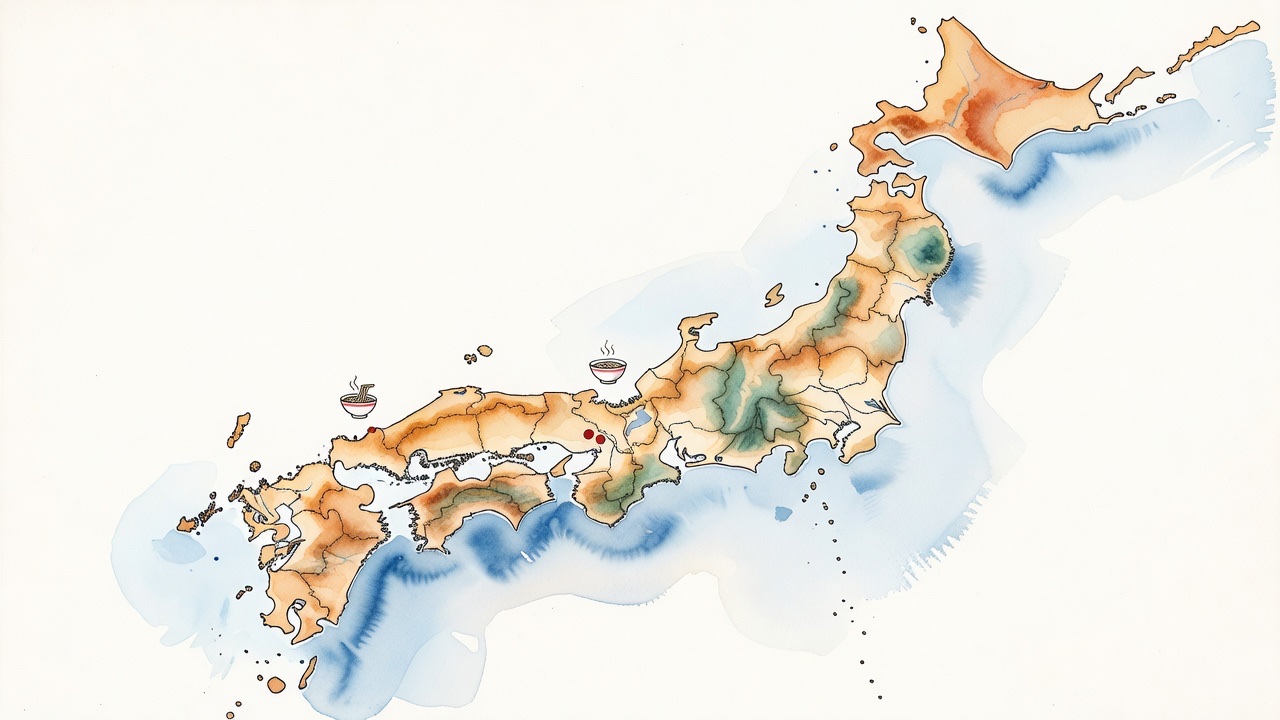
Tokyo vs Osaka vs Fukuoka: What to Order in Each City
Comparing Japan's top three ramen cities. Discover the distinct styles, broth profiles, and what you should order for your first bowl in Tokyo, Osaka, and Fukuoka.

What Is Tabelog? How Japan's Restaurant Ratings Work
Tabelog is a Japanese restaurant search and review platform. Learn why scores look low, how to read review counts, and how to use it with maps.
How Much Is a Bowl of Ramen in Japan? Price Guide
Plan on ¥1,000–¥1,500 for a standard bowl of ramen in Japan. See dated price-band data for four major cities, plus toppings, sides, and payment tips.
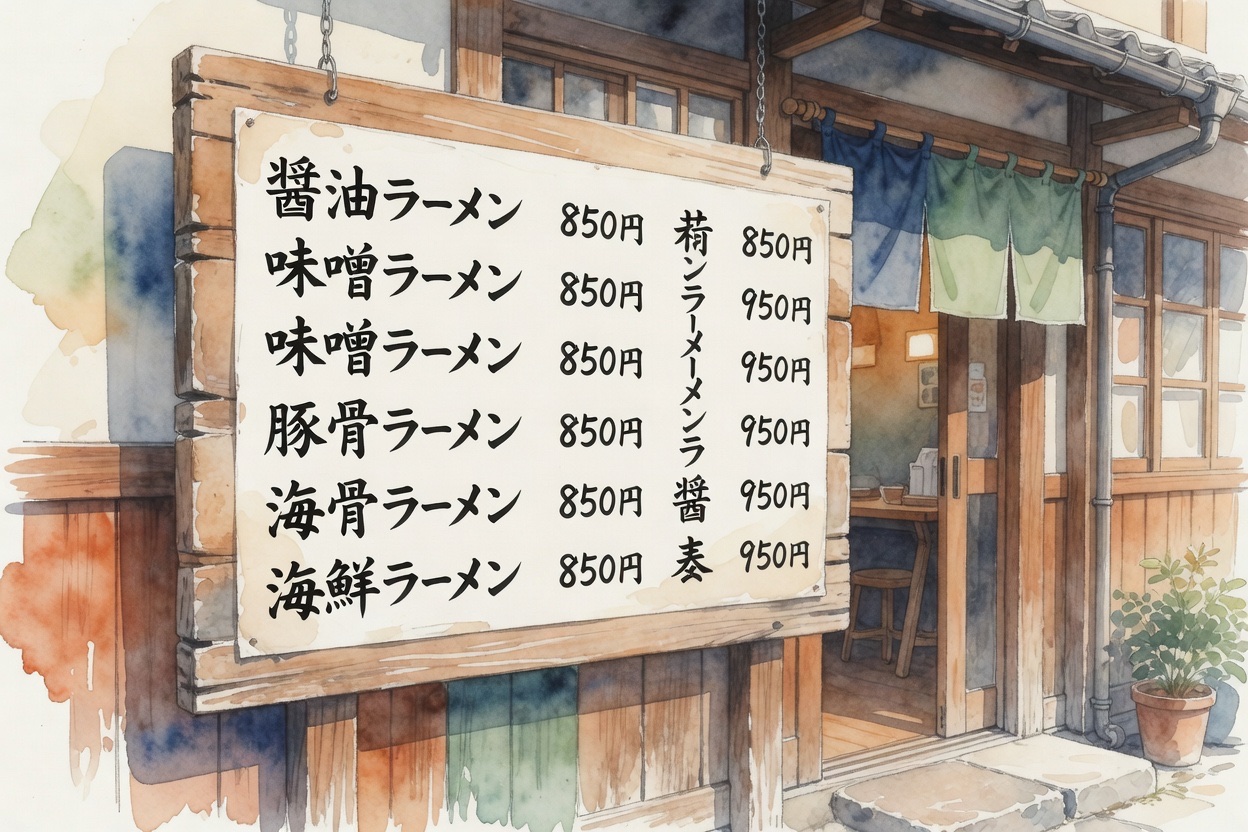
Reading a Japanese Ramen Menu When You Can't Read Japanese
No English, no photos — just kanji. Here's how to decode a ramen menu, order confidently, and avoid picking something you didn't want.
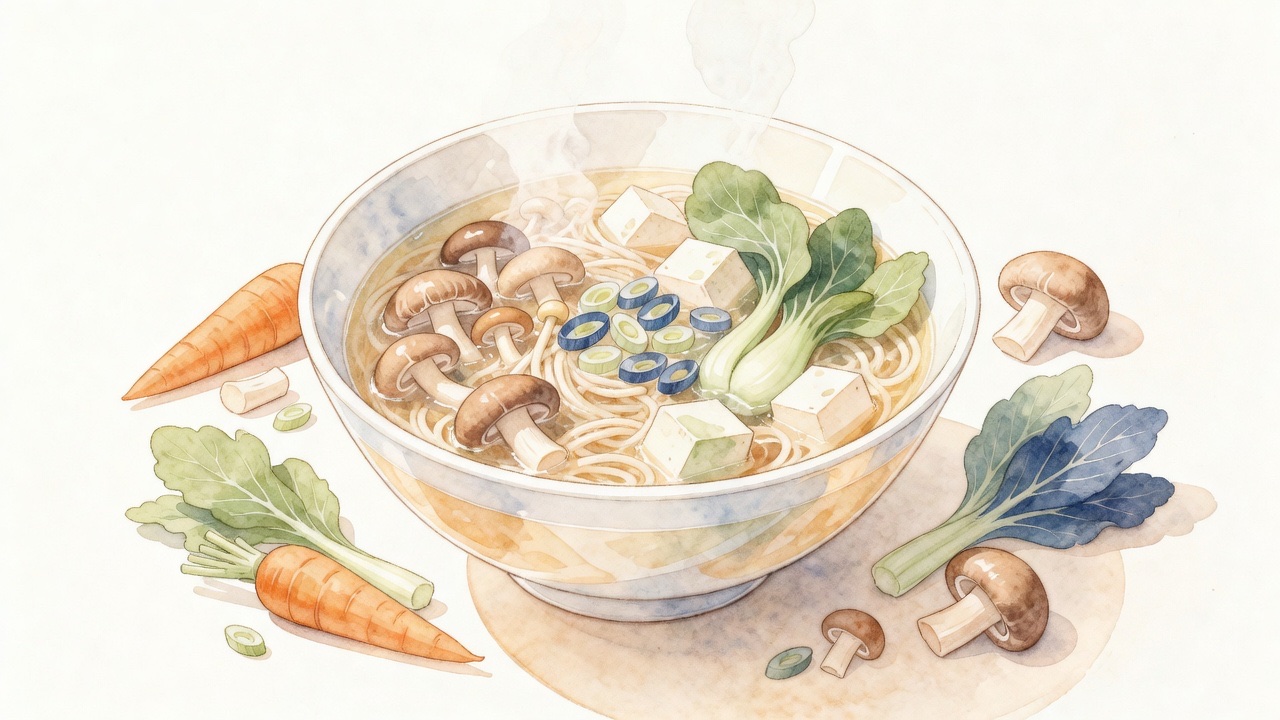
Vegan and Vegetarian Ramen in Tokyo: What to Check
Find vegan and vegetarian ramen in Tokyo and learn what to verify in broth, tare, noodles, and shared kitchens. Gluten-free needs a separate safety check.
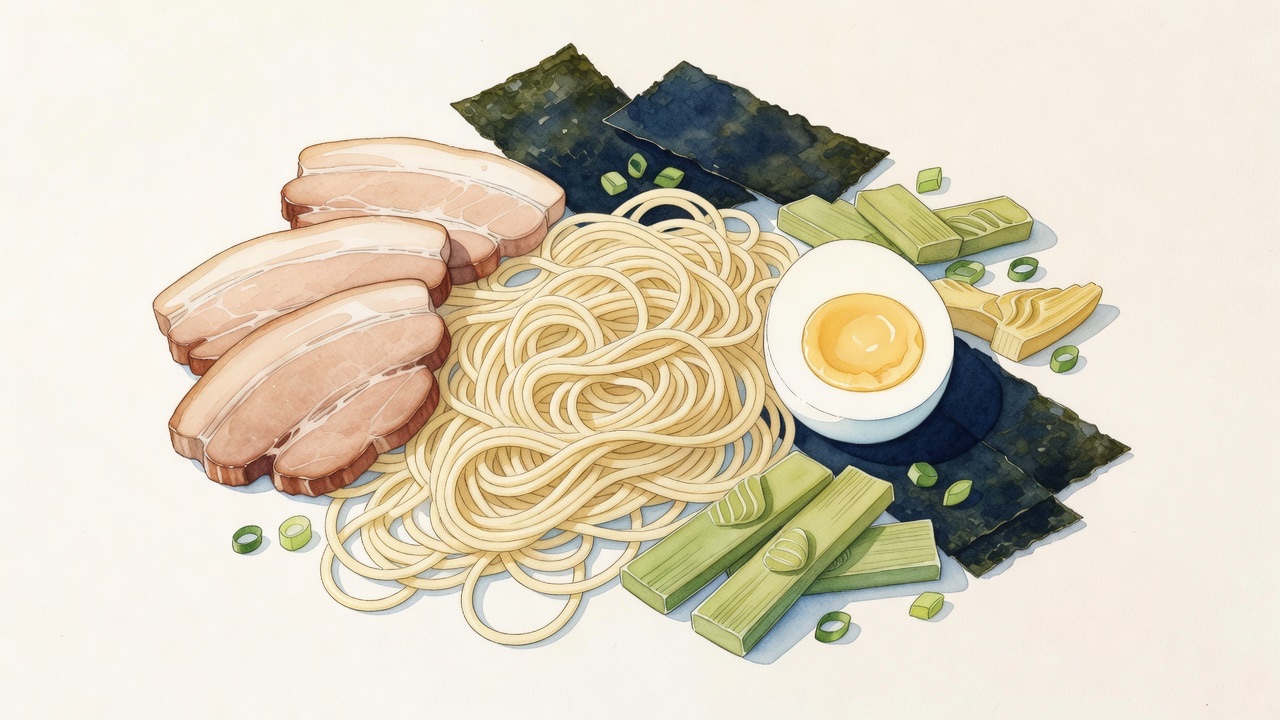
Ramen Toppings Explained: What's in Your Bowl and Why It's There
Chashu, soft ajitama eggs, menma bamboo, and nori each balance specific broths. Here is what every topping adds to the bowl and which extras are worth paying for.
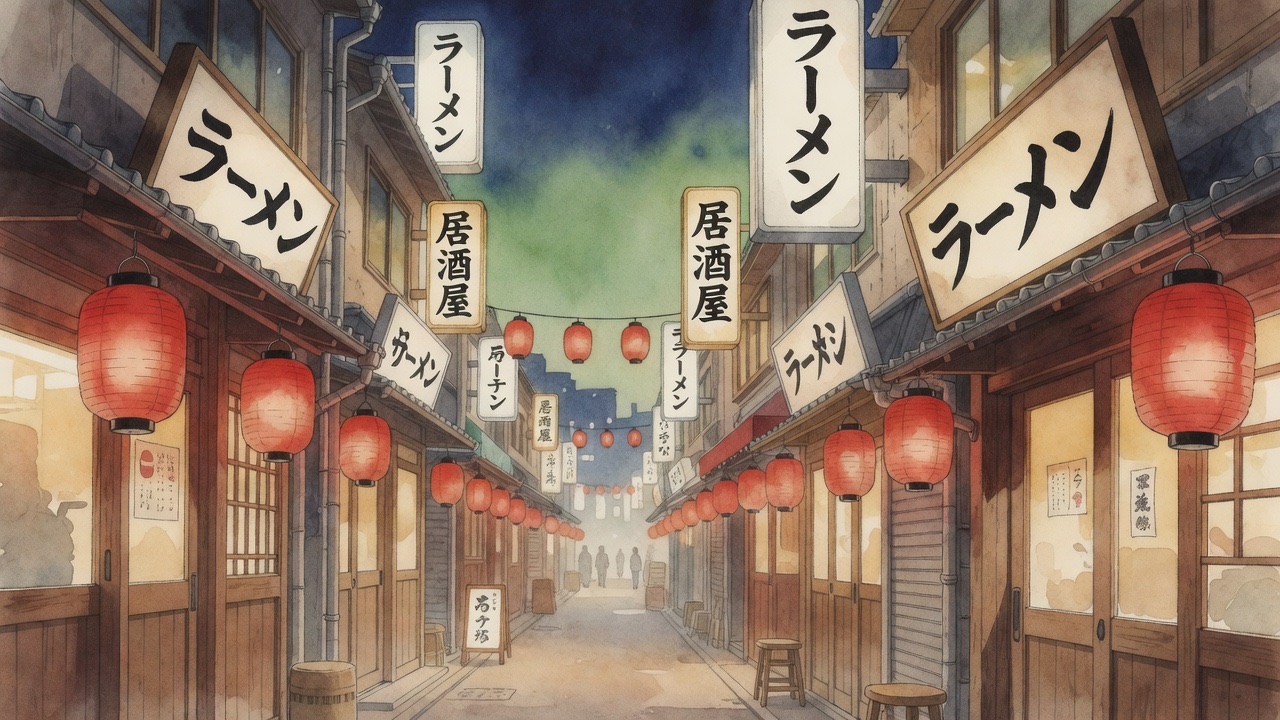
Tokyo Ramen Neighbourhoods: Where to Go and What Each Area Does Best
From Shinjuku's intense broth specialists to Ginza's refined tori paitan and Ikebukuro's creative new wave, here's how to navigate Tokyo's ramen map.
Your First Bowl: How to Choose a Ramen Style When You Have No Idea
Start with light shoyu in Tokyo, rich tonkotsu in Fukuoka, or sweet miso in Sapporo. Use this direct flavor and texture guide to order the right bowl on your first try.

How to Order Ramen in Japan: A Complete Guide for First-Timers
Nervous about walking into a Japanese ramen shop? This step-by-step guide covers ticket machines, counter seating, customisation, and every unspoken rule you need to know.