How to Eat Ramen with Food Allergies in Japan: Celiac, Egg, Soy, and Shellfish
Wheat noodles, fermented soy tare, egg binders, and hidden dashi make ramen difficult for allergic travelers. Here is how to identify safe broths, communicate with chefs, and find gluten-free shops.
Ramen poses severe challenges for travelers with food allergies. The noodles are made from wheat flour and alkaline water (kansui). The seasoning sauce (tare) almost always relies on wheat-fermented soy sauce. Eggs are used as noodle binders and marinated toppings, and stocks conceal dried seafood, bonito flakes, and sesame oil. Cross-contamination in the boiling noodle basket is standard across tight counter kitchens. Eating safely requires specific vocabulary, realistic expectations, and knowing which shops offer separate preparation.
The 5 Most Common Ramen Allergens
- Gluten and Wheat (小麦, Komugi): Standard ramen noodles are 100% wheat. Furthermore, almost all soy sauce (shoyu) brewed in Japan contains roasted wheat in a 50/50 proportion with soybeans. Even in salt ramen (shio), tare seasonings frequently incorporate a splash of wheat-brewed soy sauce or sake for depth.
- Egg (卵, Tamago): Whole raw eggs or powdered egg whites are frequently mixed into noodle flour to improve elasticity and chew. Marinated soft-boiled eggs (ajitama) sit in the same refrigerated tare as chashu pork, and the water pots used to boil eggs frequently share proximity with noodle stations.
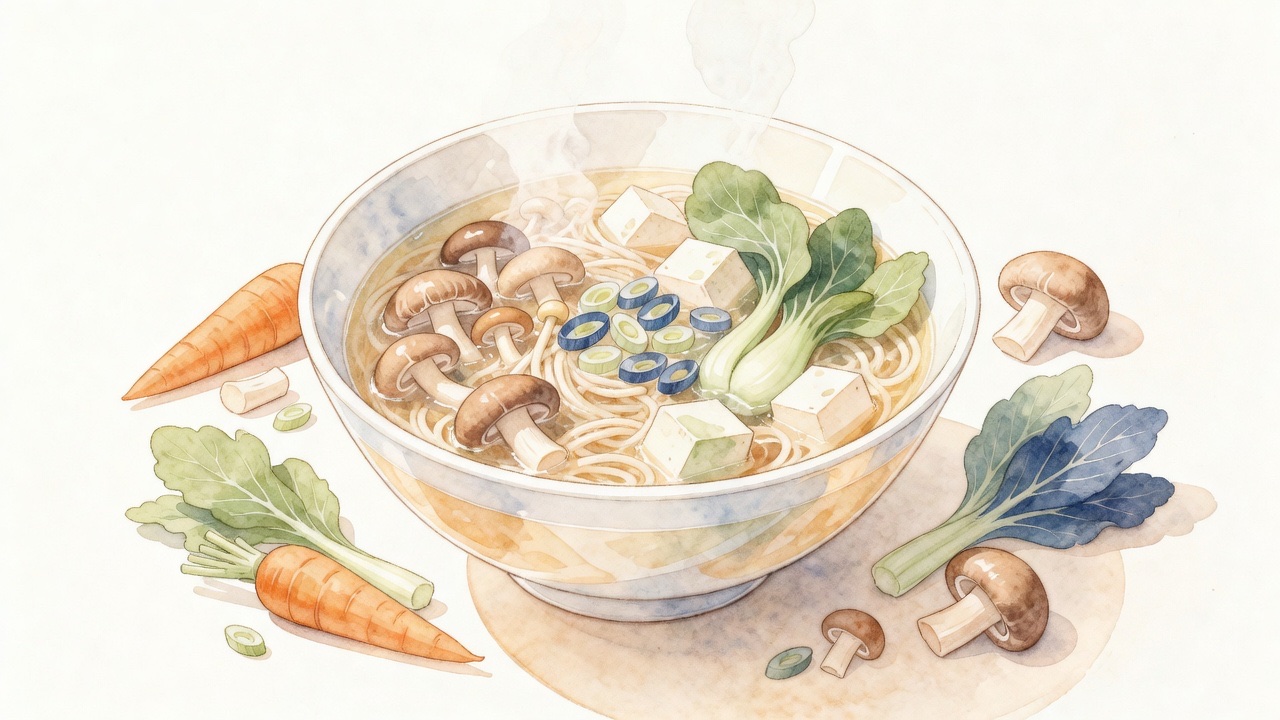
- Soy (大豆, Daizu): Present in shoyu tare, miso paste, and blended cooking oils. Salt ramen (shio) or pure chicken paitan using sea salt may be soy-free, but diners must verify whether the soup base contains processed soy proteins.
- Fish and Shellfish (魚介, Gyokai / 甲殻類, Kōkakurui): Tonkotsu, chicken, and vegetarian broths routinely incorporate dried skipjack tuna (katsuobushi), dried baby sardines (niboshi), kombu kelp, oyster sauce, or dried scallop adductor muscle (hotate) to boost umami.
- Sesame and Peanuts (ごま, Goma / 落花生, Rakkasei): Tantanmen and spicy abura soba rely heavily on ground sesame paste and sesame oil (goma-abura). Peanuts are occasionally ground into tantanmen broths or chili crisps.
Gluten-Free and Allergy-Friendly Ramen Shops
Dedicated allergy-safe ramen shops remain uncommon in Japan, but pioneering kitchens cater specifically to gluten-free and celiac travelers:
- Soranoiro NIPPON (Tokyo Station Ramen Street): Offers dedicated vegan and gluten-free ramen using noodles made from brown rice flour, served with vegetable broth and seasonal vegetable toppings. Staff handle allergy requests routinely.
- Chabuya Zutto Sarai (Kyoto): Specialises in vegetarian, vegan, and gluten-free ramen broths using rice noodles and tamari (wheat-free soy sauce).
- Mendokoro Honda / Modern Shio Specialists: Select high-end shio shops can prepare bowls seasoned solely with salt and mirin if alerted 24 hours in advance, though noodle baskets still boil wheat noodles for other guests.
Safe Alternatives When Ramen Is Too Risky
For travelers with severe celiac disease or anaphylactic seafood allergies, standard ramen shops carry too much airborne flour dust and shared cooking water to guarantee safety. Look instead for:
- Jūwari Soba (十割そば): 100% buckwheat noodles prepared in dedicated soba shops with zero wheat flour. Verify that the dipping sauce (tsuyu) uses wheat-free tamari or bring your own travel-sized tamari.
- Harusame (春雨) and Rice Noodle Cafes: Mung bean vermicelli and pho-style rice noodle kitchens operate with low wheat exposure in major shopping centers.
How to Use Our Allergy Card Tool
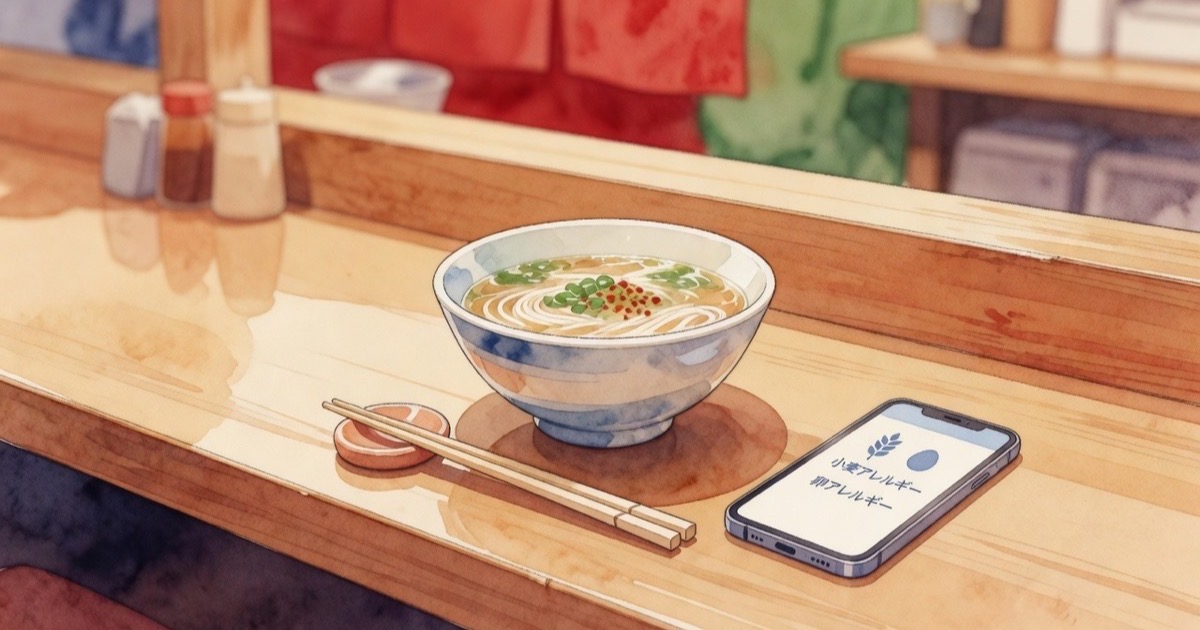
Japanese chefs take written dietary declarations seriously. Showing an unambiguous written card in Japanese is far safer than attempting English conversation across a noisy kitchen counter. Use our interactive Allergy and Phrase Tools to display clear Japanese statements confirming your specific restrictions.
Key Japanese Phrases for Allergic Diners
- Komugi arerugī ga arimasu (小麦アレルギーがあります) — I have a wheat allergy.
- Tamago wa haitte imasu ka? (卵は入っていますか?) — Does this contain egg?
- Sakana ya kairui no dashi wa tsukawarete imasu ka? (魚や貝類のだしは使われていますか?) — Is fish or shellfish stock used?
- Daizu arerugī desu (大豆アレルギーです) — I have a soy allergy.
Browse ranked shops in Tokyo
Mapped list with ratings, stations, and tourist-friendly filters.
Best ramen in TokyoTokyo ramen planning
Explore Tokyo by neighborhood and trip style
Open the full Tokyo guidePlanning a Tokyo Ramen Crawl?
Skip the 90-minute tourist lines. Use our free curated walking routes and ticket machine guides to explore neighborhood counters with confidence.
Former Fukuoka tonkotsu ramen apprentice and creator of Japan Ramen Guide. When not exploring Japan's ramen alleys, I build tools for Japan life like Daruma Japan Life and recommend foreigner-friendly housing through Affarah.