Vegan and Vegetarian Ramen in Tokyo: What to Check
Find vegan and vegetarian ramen in Tokyo and learn what to verify in broth, tare, noodles, and shared kitchens. Gluten-free needs a separate safety check.
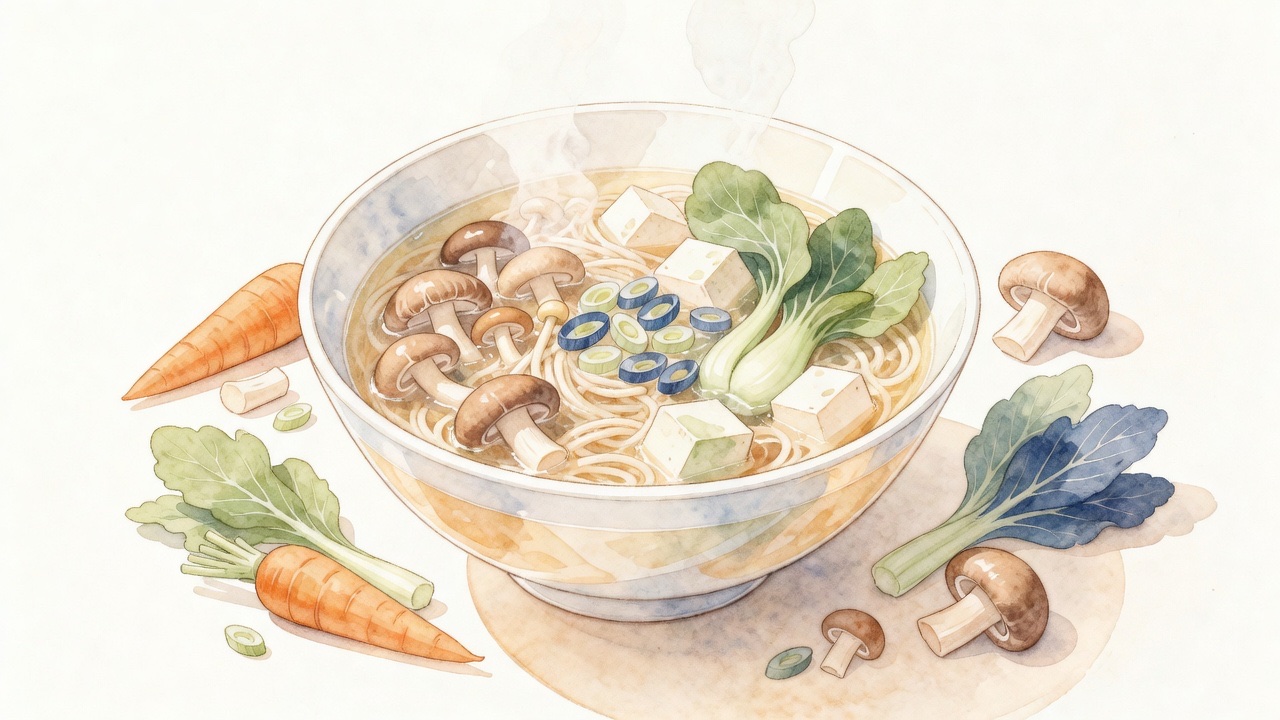
Vegan and vegetarian ramen exists in Tokyo, but a vegetable topping does not make a bowl plant-based. Standard broth, dashi, tare, aroma oil, and toppings may contain pork, chicken, fish, egg, dairy, or other animal ingredients. Look for a bowl the restaurant explicitly identifies as vegan or vegetarian, then confirm the current menu directly.
Gluten-free is a separate requirement: a vegan broth may still use wheat noodles or wheat-containing soy sauce, and a noodle substitution does not address shared boiling water or cross-contact. Travelers with celiac disease or allergies should consult the ramen allergy guide, or use the offline Japan Food Allergy & Celiac app to show verified Japanese cards and play native audio clips directly to cooks.
A traveler's guide to finding vegan and vegetarian ramen in Japan
Tokyo Vegan Ramen Shops at a Glance (2026 Comparison)
| Shop Name | Neighborhood / Station | Signature Vegan Bowl | Price (JPY) | Gluten-Free Option |
|---|---|---|---|---|
| Soranoiro Kojimachi Honpo | Chiyoda (Kojimachi Exit 1) | Vege Soba (Carrot & Paprika) | ¥1,200 | Yes (Brown rice noodles) |
| T's Tantan | Tokyo Station & Ueno Station | Golden Sesame Tantanmen | ¥1,100 | No (Standard wheat) |
| AFURI Harajuku | Harajuku (JR Harajuku Exit) | Vegan Yuzu Shio Ramen | ¥1,580 | Yes (Konjac noodles) |
| Jikasei MENSHO | Shibuya (Parco B1F) | Vegan Oat Milk Tantanmen | ¥1,350 | No (Whole wheat) |
| Kyushu Jangara Harajuku | Harajuku (Omotesando Exit) | Kobonshan Vegan Ramen | ¥1,100 | No (Wheat noodles) |
| TeamLab Vegan Ramen UZU | Toyosu (Shin-Toyosu Exit) | Vegan Shoyu / Green Tea Oat | ¥1,800 | Yes (Gluten-free noodles) |
| Chabuzen | Setagaya (Daitabashi Exit) | Organic Medicinal Broth | ¥1,100 | Yes (100% Rice noodles) |
| Tsuta | Shibuya (Yoyogi-Uehara) | Truffle Vegan Soba | ¥2,200 | No (Craft wheat) |
1. Soranoiro Kojimachi Honpo: The Plant-Based Pioneer
Founder Chihiro Miyazaki opened Soranoiro Kojimachi Honpo in 2011 to prove that ramen could excel without animal products. Soranoiro earned Michelin Bib Gourmand recognition for its vegetable-focused cooking and remains Tokyo's gold standard for vegan ramen.
- Signature Bowl: Vege Soba (¥1,200 JPY). The orange-hued broth combines carrot puree with cabbage stock, seasoned with olive oil and garlic. The chewy noodles are kneaded with paprika flour.
- Toppings: Roasted tomato, shredded cabbage, barley grains, baby leaves, and a dab of spicy red yuzu kosho paste on the rim.
- Gluten-Free Option: Diners can substitute the wheat-paprika noodles for gluten-free brown rice noodles (additional ¥150 JPY).
- Transit & Location: 1-3-10 Hirakawacho, Chiyoda-ku. A 3-minute walk from Kojimachi Station (Exit 1) or 5 minutes from Hanzomon Station (Exit 1). Travelers passing through Tokyo Station can also visit sister branch Soranoiro NIPPON on Tokyo Ramen Street.
2. T's Tantan: Tokyo Station & Ueno Station Convenience
T's Tantan operates completely vegan kitchens inside major Tokyo rail stations. Their menu contains zero meat, seafood, dairy, or eggs, making it the safest choice for travelers with strict dietary requirements.
- Signature Bowl: Golden Sesame Tantanmen (¥1,100 JPY). A rich, nutty soup made from ground white sesame paste, soy milk, and aromatic chili oil, topped with seasoned soy meat mince and bok choy.
- Other Options: Black Sesame Tantanmen (¥1,150 JPY) with charred sesame notes, and clear Shoyu Ramen with yuzu citrus.
- Station Access: Located inside the JR ticket gates at Tokyo Station (Keiyo Street near the Keiyo Line transfer) and Ueno Station (Ecute, 3rd floor). If not boarding a train, buy a JR platform ticket (¥150) at the automated ticket machine to enter.
3. AFURI Harajuku: Light Citrus Broth & Konjac Noodles
AFURI Harajuku serves a dedicated 100% plant-based bowl alongside its classic chicken broths. The shop sits three minutes on foot from JR Harajuku Station.
- Signature Bowl: Vegan Yuzu Shio Ramen (¥1,580 JPY). The soup is brewed from local root vegetables, kombu kelp, and cold-pressed yuzu juice.
- Toppings: Fresh watercress, cherry tomatoes, charred lotus root, and sliced portobello mushroom.
- Gluten-Free Substitution: Request konjac noodles at the touchscreen ordering terminal for a zero-gluten, low-calorie alternative.
- Payment Note: AFURI operates 100% cashless. Pay using Suica/Pasmo IC cards, Apple Pay, or credit cards.
4. Jikasei MENSHO: Oat Milk & Sesame Tantanmen
Located on the B1F Chaos Kitchen floor of Shibuya Parco, Jikasei MENSHO represents the modern wave of Tokyo craft ramen led by chef Tomoharu Shono (who also heads MENSHO in Gokokuji).
- Signature Bowl: Vegan Tantanmen (¥1,350 JPY). Built on an unctuous emulsion of house-pressed oat milk, roasted sesame paste, and spicy sansho pepper chili oil.
- Noodles: Dense, wavy whole-wheat noodles milled in-house daily. Contains wheat gluten.
- Location: Shibuya Parco B1F, 15-1 Udagawacho, Shibuya-ku (6-minute walk from Shibuya Station Hachiko Exit).
5. Kyushu Jangara Harajuku: Vegan Hakata Tonkotsu Alternative
Kyushu Jangara is known across Tokyo for rich Hakata tonkotsu, but their Harajuku flagship features a dedicated vegan menu designed for international travelers.
- Signature Bowl: Kobonshan Vegan (¥1,100 JPY). Replicates the creamy mouthfeel of pork bone broth using soy milk, garlic vegetable oil, and vegetable dashi, topped with soy meat pieces and wood ear mushrooms (kikurage).
- Location: 1-13-21 Jingumae, Shibuya-ku (2-minute walk from JR Harajuku Station Omotesando Exit).
Gluten-Free Ramen in Tokyo: What You Need to Know
Finding gluten-free ramen in Japan requires caution. Standard ramen noodles are made from wheat flour (komugiko) mixed with kansui alkaline solution. Furthermore, almost every shoyu (soy sauce) tare contains wheat fermented during brewing.
- Celiac Safety: For strict celiacs, dining at general ramen shops is risky due to shared boiling water pots for noodles.
- Dedicated preparation: Ask whether the broth, tare, noodles, toppings, boiling water, and utensils meet your needs; do not infer this from a rice- or konjac-noodle option.
- Konjac substitutions: A non-wheat noodle can reduce one source of gluten, but the tare and shared kitchen still require verification.
Essential Japanese Phrases for Plant-Based Diners
- Bīgan taiō no rāmen wa arimasu ka? (ヴィーガン対応のラーメンはありますか?): Do you have vegan ramen?
- Niku to sakana to tamago o taberaremasen. (肉と魚と卵を食べられません): I cannot eat meat, fish, or eggs.
- Dashi ni niku ya sakana ga haitte imasu ka? (出汁に肉や魚が入っていますか?): Does the soup base contain meat or fish?
- Komugi arerugī ga arimasu. (小麦アレルギーがあります): I have a wheat allergy.
- Niku nashi de onegaishimasu. (肉なしでお願いします): Without meat, please.
Browse the directory by recorded dietary features: vegan options or vegetarian options. These filters are starting points; confirm the current bowl and preparation with the restaurant.
Frequently asked questions
Is ramen usually vegan or vegetarian in Japan?
No. Traditional Japanese ramen broths use pork bones (tonkotsu), chicken (tori paitan), or dried fish dashi (katsuobushi and niboshi). Always verify that a shop offers a designated vegan broth made with kombu, shiitake, or soy milk.
Where can I find vegan ramen inside Tokyo Station?
T's Tantan is located inside the JR ticket gates on Keiyo Street, serving 100% plant-based sesame tantanmen. Additionally, Soranoiro NIPPON on Tokyo Ramen Street (Yaesu Underground) serves plant-based Vege Soba.
Can celiacs eat gluten-free ramen in Tokyo?
Some restaurants advertise gluten-free noodles or dishes, but suitability for celiac disease depends on every ingredient and cross-contact controls. Verify the current recipe, boiling water, utensils, and kitchen process directly with the restaurant.
Does AFURI serve vegan ramen?
Yes. AFURI serves a Vegan Yuzu Shio Ramen made from 100% vegetable and kombu dashi, topped with yuzu citrus, fresh greens, and lotus root. Diners can substitute konjac noodles.
Browse ranked shops in Tokyo
Mapped list with ratings, stations, and tourist-friendly filters.
Best ramen in TokyoTokyo ramen planning
Explore Tokyo by neighborhood and trip style
Open the full Tokyo guidePlanning a Tokyo Ramen Crawl?
Skip the 90-minute tourist lines. Use our free curated walking routes and ticket machine guides to explore neighborhood counters with confidence.
Former Fukuoka tonkotsu ramen apprentice and creator of Japan Ramen Guide. When not exploring Japan's ramen alleys, I build tools for Japan life like Daruma Japan Life and recommend foreigner-friendly housing through Affarah.