Tonkotsu Ramen Explained: The Pork-Bone Broth That Conquered the World
Explore the rich, creamy world of tonkotsu ramen. Learn about the hours-long boiling process, the origins of Fukuoka's signature style, and how to customise your bowl for the ultimate dining experience.
Tonkotsu (pork-bone) ramen is the most internationally famous ramen style. Known for its thick, creamy, milky-white broth, it offers a luxurious mouthfeel and intense savoury depth. Unlike lighter, clear broths, tonkotsu is a heavy-hitting bowl that has converted millions of diners worldwide. Its unique texture is achieved through a labour-intensive boiling process that transforms hard pork bones into a velvety, emulsified soup.
The Science of the Milky Broth
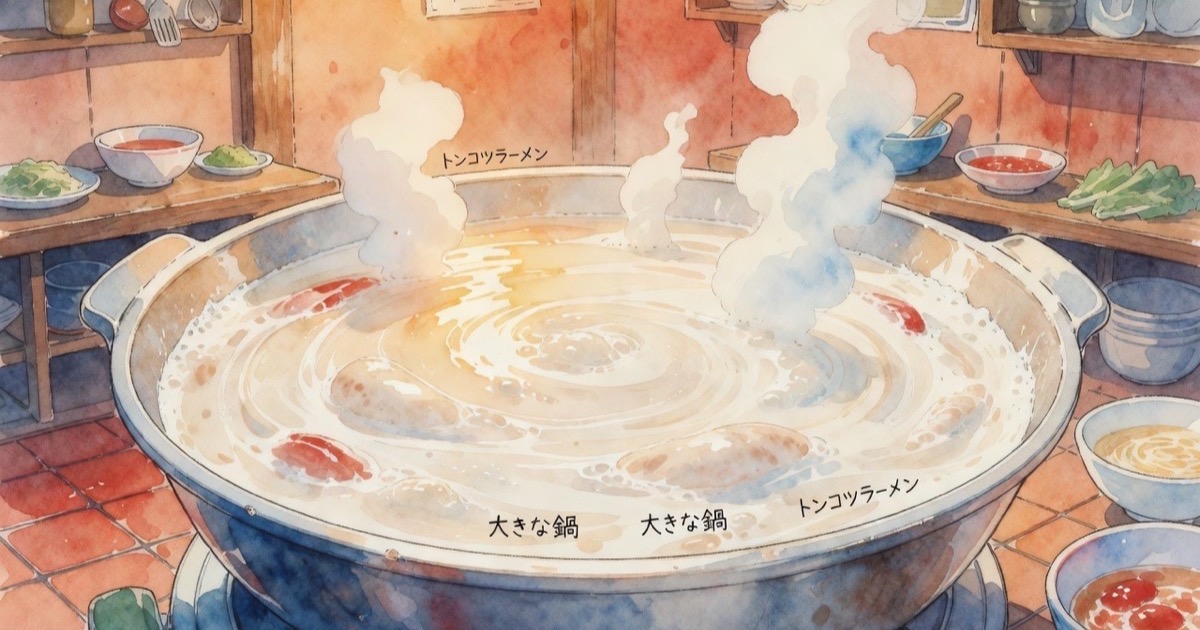
The defining characteristic of tonkotsu is its opaque, creamy appearance. This is not achieved by adding dairy, but through high-heat emulsification. Chefs boil pork femur bones, backbones, and heads—which are rich in collagen, marrow, and fat—over a rolling boil for 12 to 18 hours. As the water boils intensely, the fat and dissolved gelatin are broken down and suspended in the liquid, creating a thick, creamy emulsion. It is a slow, hot, and aromatic process that requires constant monitoring.
The Hakata Origin
Tonkotsu ramen originated in Fukuoka's Hakata district on the southern island of Kyushu. Originally sold at mobile pushcarts (yatai) near the fish markets, it was designed as a fast, cheap, and energy-dense meal for busy labourers. To minimise cooking time, the chefs paired the rich broth with ultra-thin, straight noodles that cook in under a minute. Today, Hakata remains the spiritual home of tonkotsu, where you can still eat at traditional outdoor yatai stalls along the Nakasu River.
How to Customise Your Tonkotsu
Because tonkotsu is so rich, many specialised shops—especially Hakata-style establishments—allow diners to customise their bowl to match their exact preferences. You will often be handed a paper customisation sheet where you can select:
- Broth Richness (Kotteri-do): Adjust the amount of melted pork fat (seabura) added to the soup, ranging from light to ultra-rich.
- Noodle Firmness (Katasu): Choose how long the thin noodles are boiled. Popular levels include yawa (soft), futsuu (regular), kata (firm), barikata (very firm), and kona-otoshi (extra firm / flour-dropped).
- Garlic & Spice: Choose the amount of grated garlic and spicy red pepper paste to cut through the heavy pork fat.
The Kaedama System
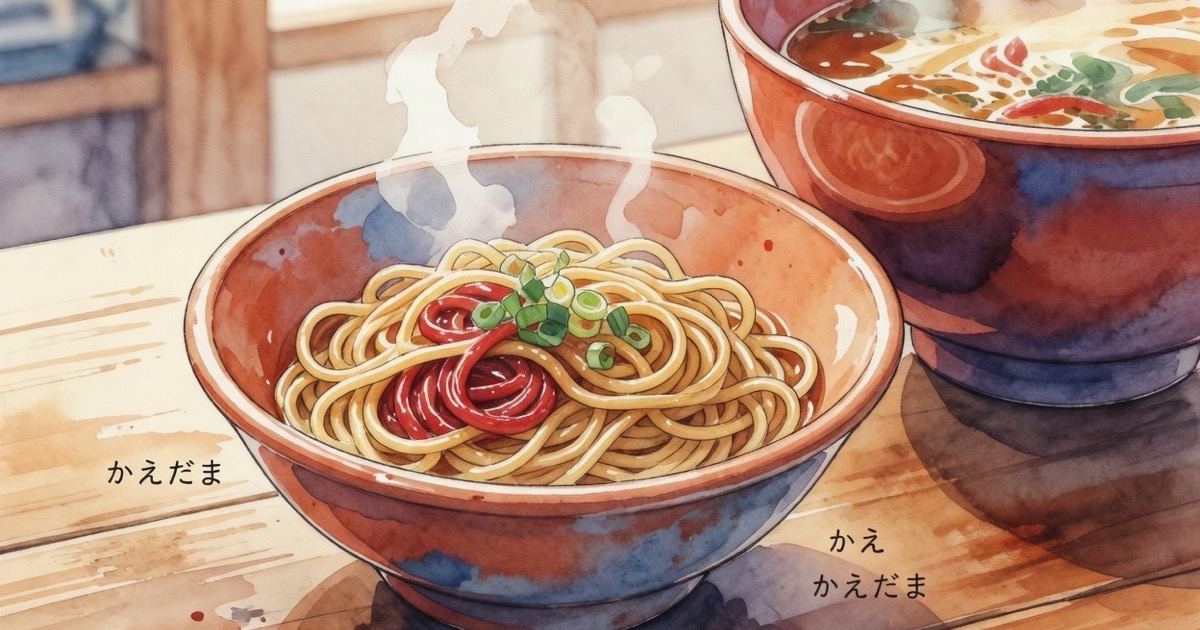
Because Hakata noodles are exceptionally thin, they absorb broth quickly and turn soft if left in the hot soup for too long. To prevent this, shops serve relatively small noodle portions. If you are still hungry, you order a kaedama (noodle refill). Here are the rules for a successful kaedama:
- Always leave enough soup in your bowl when ordering a refill—shops do not top up your broth.
- Order your kaedama when you are about halfway through your current portion, ensuring the new noodles arrive before the remaining broth cools down.
- Once the new noodles are added to your bowl, use the tabletop condiments (like pickled red ginger, crushed sesame seeds, or spicy mustard greens) to refresh the flavour profile.
Tonkotsu is not just a style; it's a sensory experience. The rich aroma of simmering pork bones is the defining scent of Fukuoka's nightlife.
Browse ranked shops in Fukuoka
Mapped list with ratings, stations, and tourist-friendly filters.
Best ramen in FukuokaPlanning a Tokyo Ramen Crawl?
Skip the 90-minute tourist lines. Use our free curated walking routes and ticket machine guides to explore neighborhood counters with confidence.
Former Fukuoka tonkotsu ramen apprentice and creator of Japan Ramen Guide. When not exploring Japan's ramen alleys, I build tools for Japan life like Daruma Japan Life and recommend foreigner-friendly housing through Affarah.