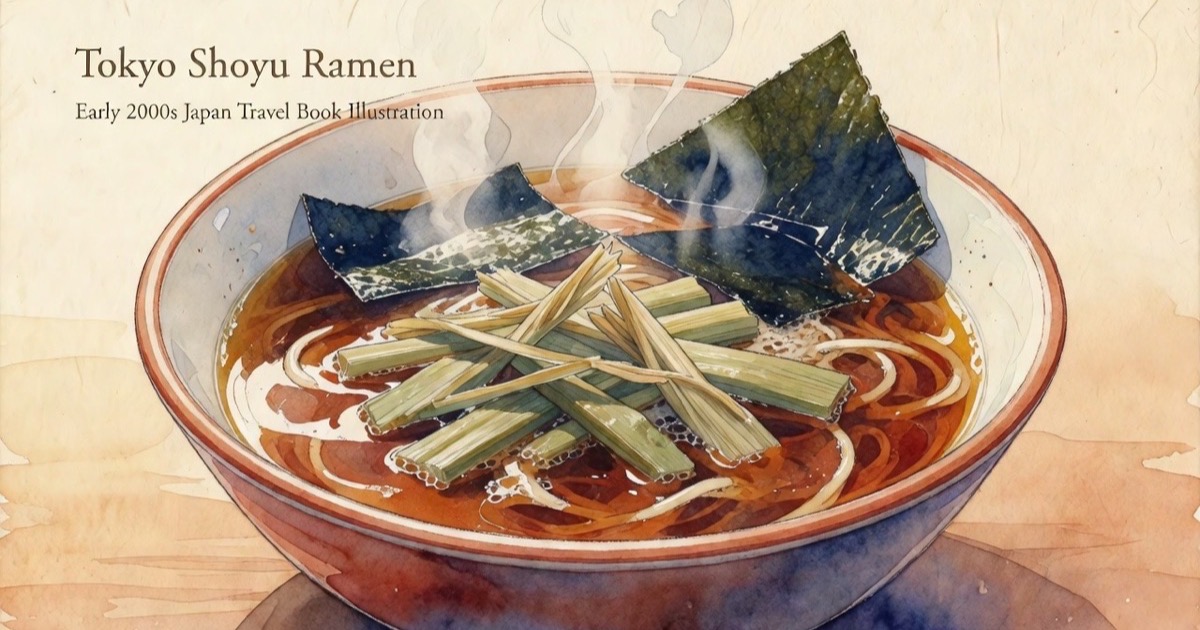
Shoyu Ramen Explained: Japan's Original Bowl
Discover the history and craftsmanship behind Japan's original ramen style. From clear chicken-and-pork broths to complex soy sauce tares and regional variants, explore what makes shoyu ramen the bedrock of noodle culture.
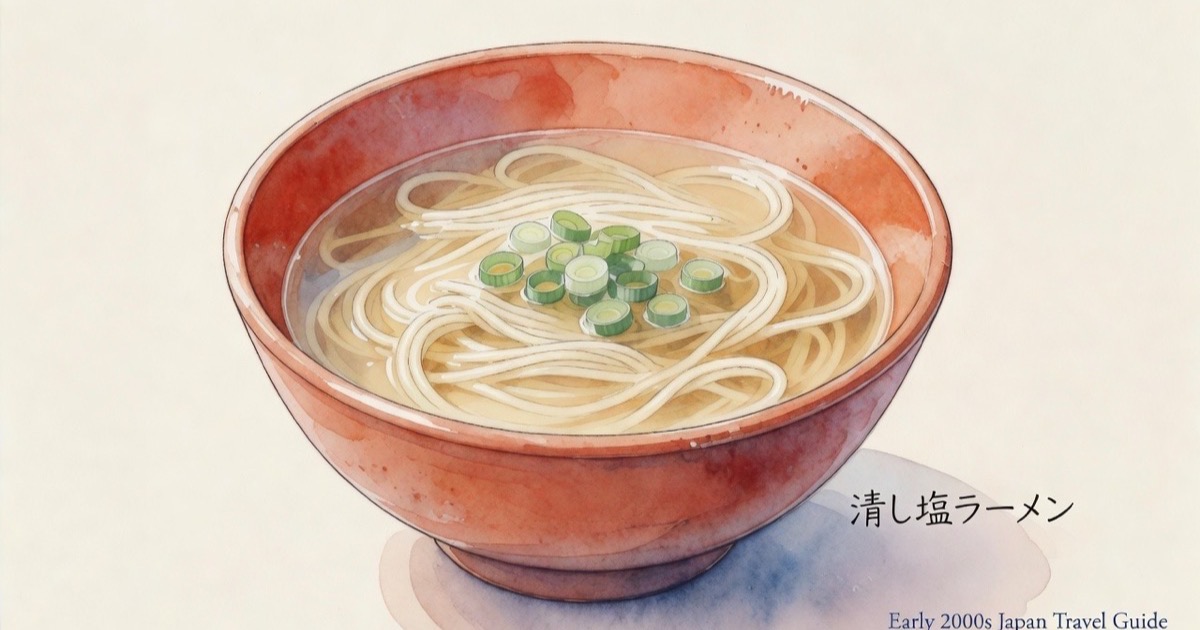
If you have spent any time exploring Japan's noodle scene, you have undoubtedly encountered shoyu (soy sauce) ramen. This style is the absolute baseline of the ramen world. Originating in Tokyo's historic Asakusa district at a pioneering shop called Rairaiken in 1910, shoyu ramen established the blueprint for what we know as modern ramen today. For decades, a clear, soy-seasoned bowl was simply referred to as 'chuka soba' (Chinese noodles) or 'shina soba', representing the absolute essence of Tokyo's early culinary culture.
The Anatomy of a Shoyu Bowl
A bowl of shoyu ramen is built on a delicate balance of stock and seasoning. Unlike heavier styles, it prioritises clarity and clean flavours. The stock is typically brewed by simmering chicken carcasses (torigara), pork bones, and a variety of vegetables. To add depth, chefs frequently blend in a seafood dashi made from dried kelp (kombu) and bonito flakes (katsuobushi). The result is a light, amber-to-dark-brown soup that carries a deep, complex umami profile without feeling greasy.
The Tare: The Soul of Shoyu
If the stock is the body of the soup, the tare (seasoning base) is its soul. For shoyu ramen, the tare is a custom soy sauce blend. High-end chefs do not simply pour soy sauce from a bottle; they create a proprietary mixture by combining several types of soy sauce—such as dark (koikuchi), light (usukuchi), and raw (nama)—sourced from traditional breweries across Japan. This blend is simmered with mirin, sake, kombu, and sometimes dried scallops to create a seasoning that is rich, slightly sweet, and intensely savoury.
Regional Shoyu Variations
Shoyu ramen is not a monolith. Different regions across Japan have adapted the style to match local ingredients and climates. Here are some of the most famous regional shoyu variations:
- Tokyo Style: The classic baseline. A clear, light broth combining chicken and fish dashi, served with medium-thin curly noodles, chashu pork, menma, and a sheet of nori.
- Kitakata Style: Hailing from Fukushima prefecture, this style features a slightly richer pork-based shoyu broth paired with thick, flat, hand-wavy noodles that offer a delightful chew.
- Asahikawa Style: A cold-weather variant from Hokkaido. It features a rich, oily layer of lard on top of a double-soup (seafood and pork) shoyu broth to keep the soup piping hot in freezing temperatures.
- Hiroshima Onomichi Style: A seafood-forward shoyu broth containing suspended bits of rich pork back fat, adding a decadent texture and savoury crunch to the clear soup.
Essential Toppings for Shoyu Ramen
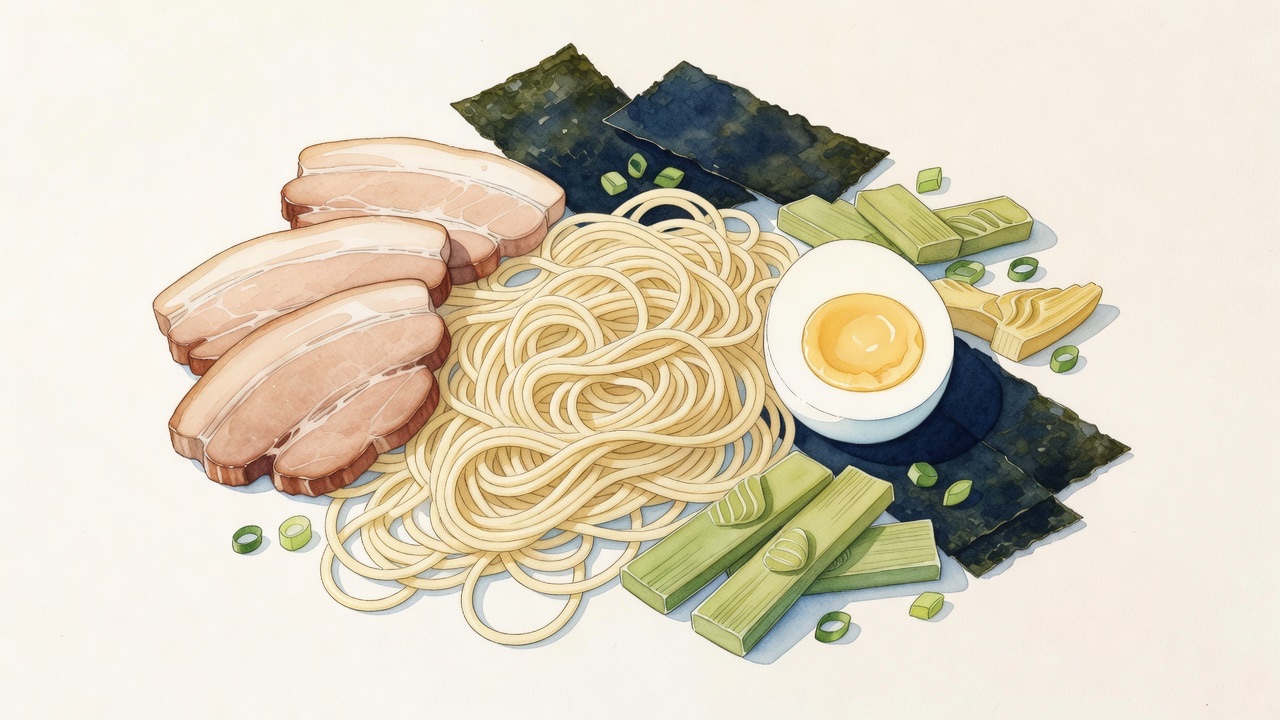
The toppings on a shoyu bowl are selected to complement, rather than overwhelm, the clean soup profile. Every element has its place:
- Chashu: Typically tender rolled pork belly or shoulder, slow-braised in a sweet soy mixture until it melts in the mouth.
- Menma: Fermented and seasoned bamboo shoots that provide a earthy, crunchy contrast to the soft noodles.
- Ajitama: The classic marinated soft-boiled egg, whose rich, custardy yolk pairs beautifully with the savoury shoyu broth.
- Nori & Negi: A sheet of roasted seaweed for a hint of ocean aroma, and freshly chopped green spring onions to cut through any richness.
Shoyu ramen is the ultimate test of a chef's restraint. Without thick fats or heavy spices to hide behind, every single element of the broth must be perfectly balanced.
Browse ranked shops in Tokyo
Mapped list with ratings, stations, and tourist-friendly filters.
Best ramen in TokyoTokyo ramen planning
Explore Tokyo by neighborhood and trip style
Open the full Tokyo guidePlanning a Tokyo Ramen Crawl?
Skip the 90-minute tourist lines. Use our free curated walking routes and ticket machine guides to explore neighborhood counters with confidence.
Former Fukuoka tonkotsu ramen apprentice and creator of Japan Ramen Guide. When not exploring Japan's ramen alleys, I build tools for Japan life like Daruma Japan Life and recommend foreigner-friendly housing through Affarah.