Shio Ramen Explained: The Hardest Style to Get Right
Unpack the delicate craft of shio (salt) ramen. Discover why chefs consider this clear, gold-hued style the ultimate test of their culinary technique and where to find the best bowls.
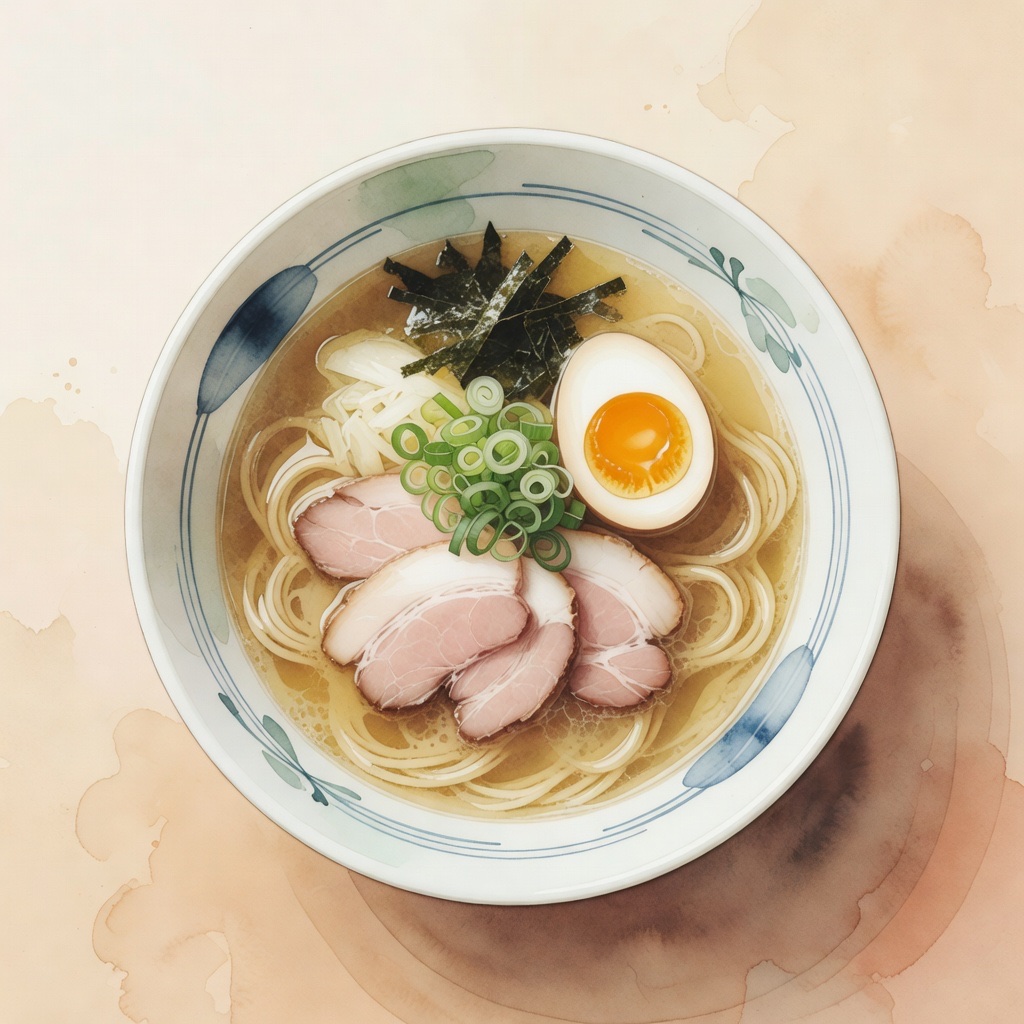
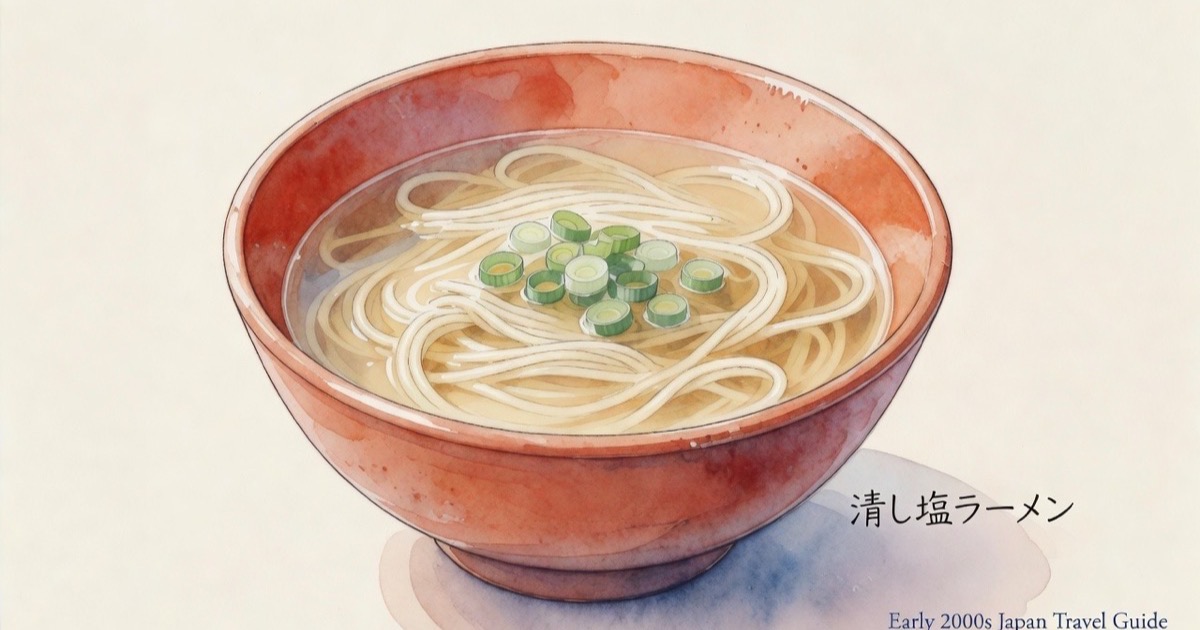
Shio (salt) ramen is the oldest and purest form of ramen. Boasting a transparent, pale golden broth, it offers a delicate and clean flavour profile that showcases the quality of the underlying ingredients. Because there are no strong soy sauces or heavy misos to mask imperfections, chefs consider shio the absolute hardest style to master. A single misstep in the kitchen will immediately show in the bowl.
The Architecture of Clarity
To create a perfect shio ramen, a chef must maintain absolute clarity in the soup. The stock is typically brewed by simmering chicken carcasses, pork bones, and vegetables at a gentle, sub-boiling temperature for several hours. If the pot boils even once, the fat emulsifies and turns the broth cloudy, ruining the delicate flavor. This clean stock is then blended with a seafood dashi made from dried kelp (kombu), dried bonito (katsuobushi), and sometimes dried baby sardines (niboshi) or scallops.
The Tare: Salt as an Art Form
The tare (seasoning base) for shio ramen relies on salt, but it is far from simple. High-end shops use a blend of sea salts sourced from different coastal regions of Japan (such as salt from Okinawa or Ishikawa) or mineral salts from around the world. The salt is simmered with sake, mirin, and dried seafood extracts to create a tare that is packed with umami. This seasoning boosts the savoury taste of the soup while keeping the broth beautifully clear and golden.
The Hakodate Legacy
While shio ramen is enjoyed across Japan, its historic home is Hakodate, a port city in southern Hokkaido. In the late 19th century, Hakodate was one of the first Japanese ports opened to international trade, attracting Chinese merchants who introduced clear, salt-seasoned noodle soups. Hakodate shio ramen remains a distinct regional speciality, featuring a very clean, chicken-and-kelp broth paired with thin, straight noodles.
- Lightness: The broth is exceptionally clean, with minimal oil on the surface, making it easy to finish.
- Seafood Depth: The soup relies heavily on local kelp and dried seafood, reflecting Hakodate's coastal geography.
- Minimalist Toppings: Kept intentionally simple—typically just tender chashu, green spring onions, and a few bamboo shoots.
How to Fully Appreciate Shio Ramen
Eating a bowl of shio ramen requires a slightly different approach than a heavy tonkotsu or miso. To get the most out of your bowl:
- Observe the Clarity: Take a moment to admire the soup—a high-quality shio broth is clear enough to see the noodles at the bottom of the bowl.
- Sip the Soup First: Drink a spoonful of the broth before eating any toppings or noodles to experience the subtle, layered dashi flavours.
- Savour the Toppings: The light broth allows the natural flavours of the chicken chashu, egg, and green onions to shine through.
In a world of heavy, fatty food trends, shio ramen remains a quiet testament to the Japanese philosophy of subtraction—letting the purity of ingredients speak for themselves.
Browse ranked shops in Hakodate
Mapped list with ratings, stations, and tourist-friendly filters.
Best ramen in HakodatePlanning a Tokyo Ramen Crawl?
Skip the 90-minute tourist lines. Use our free curated walking routes and ticket machine guides to explore neighborhood counters with confidence.
Former Fukuoka tonkotsu ramen apprentice and creator of Japan Ramen Guide. When not exploring Japan's ramen alleys, I build tools for Japan life like Daruma Japan Life and recommend foreigner-friendly housing through Affarah.