What Is Tsukemen? Japan's Dipping Ramen Explained
Tsukemen serves the noodles and broth separately — you dip cold or warm noodles into a concentrated dipping sauce. It sounds odd. It's one of the best things you'll eat in Japan.
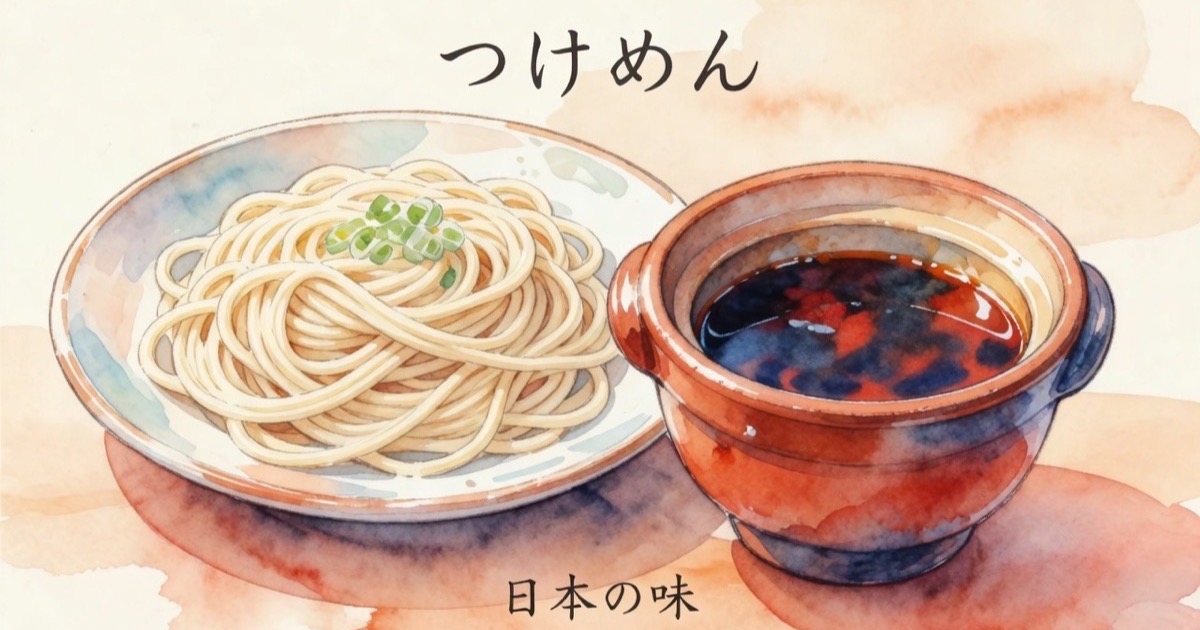
Tsukemen (つけ麺) literally means 'dipping noodles.' Instead of noodles sitting in broth, you receive them on a separate plate or bowl — sometimes cold, sometimes at room temperature — alongside a small vessel of intensely concentrated dipping broth. You pick up a clump of noodles with your chopsticks, dip them into the broth, and eat. It's the same components as ramen, deconstructed.
Where Tsukemen Came From
Tsukemen was invented in Tokyo in the 1950s by Kazuo Yamagishi, the chef at Taishoken in Higashi-Ikebukuro. The story goes that he used to eat his own ramen by dipping noodles into the broth rather than combining them — and eventually put it on the menu as a staff meal option. Customers noticed and asked for it. By the 1980s it had spread across the city, and today it's a full category of its own with dedicated tsukemen shops throughout Japan.
How the Broth Is Different
Tsukemen dipping broth is much more concentrated than regular ramen broth — sometimes two to three times the intensity. It needs to be, because you're only coating the noodles rather than submerging them. The base is often a blend of tonkotsu and seafood dashi (dried sardines, mackerel), giving the broth an umami depth that would be overwhelming as a soup but works perfectly as a dip. The flavour hits harder on the front palate and fades cleanly.
How to Eat It
- Dip a small amount of noodles at a time — a few strands, not a full forkful. More broth coating per noodle.
- Don't shake off excess broth. Let it coat the noodles.
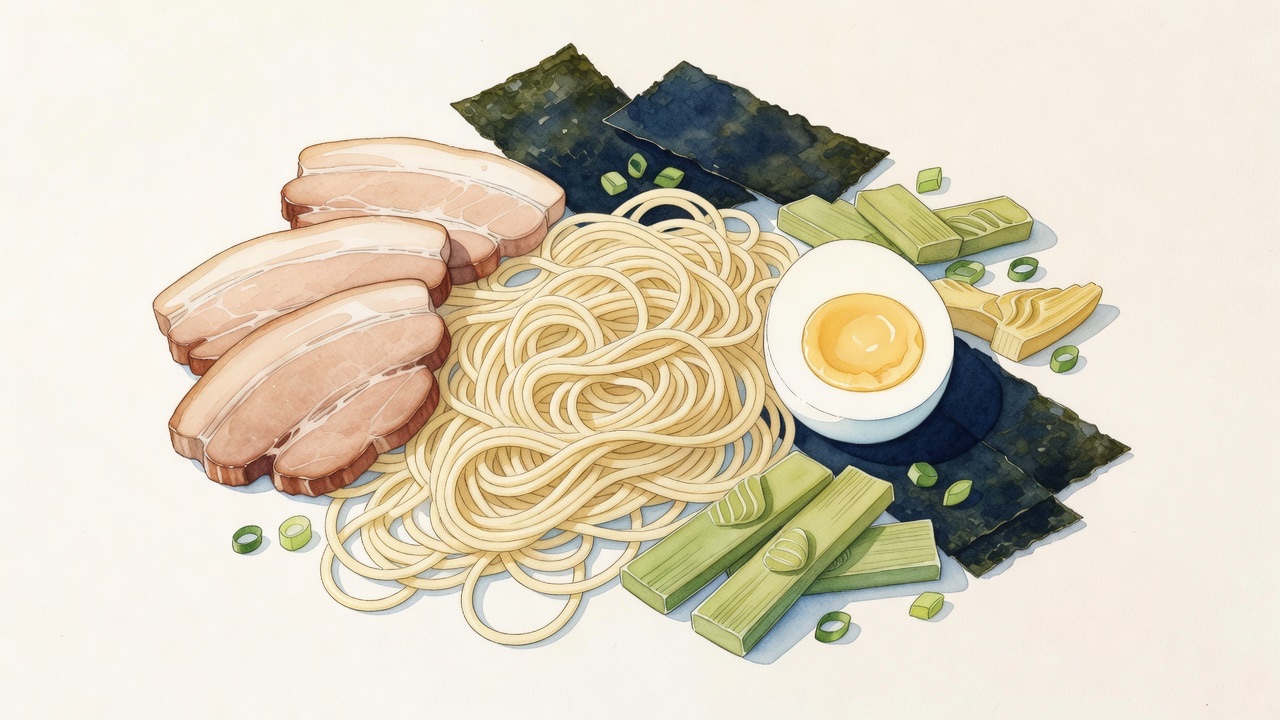
- Mix up the toppings between dips — the chashu, egg, and menma in the broth all change the flavour as you work through it.
- Near the end, ask the staff for warishita (割り下) — hot stock or dashi added to your remaining dipping broth to thin it into a drinkable soup. Almost all tsukemen shops offer this.
How to eat Tsukemen step-by-step, including the warishita soup finish
Where to Try It
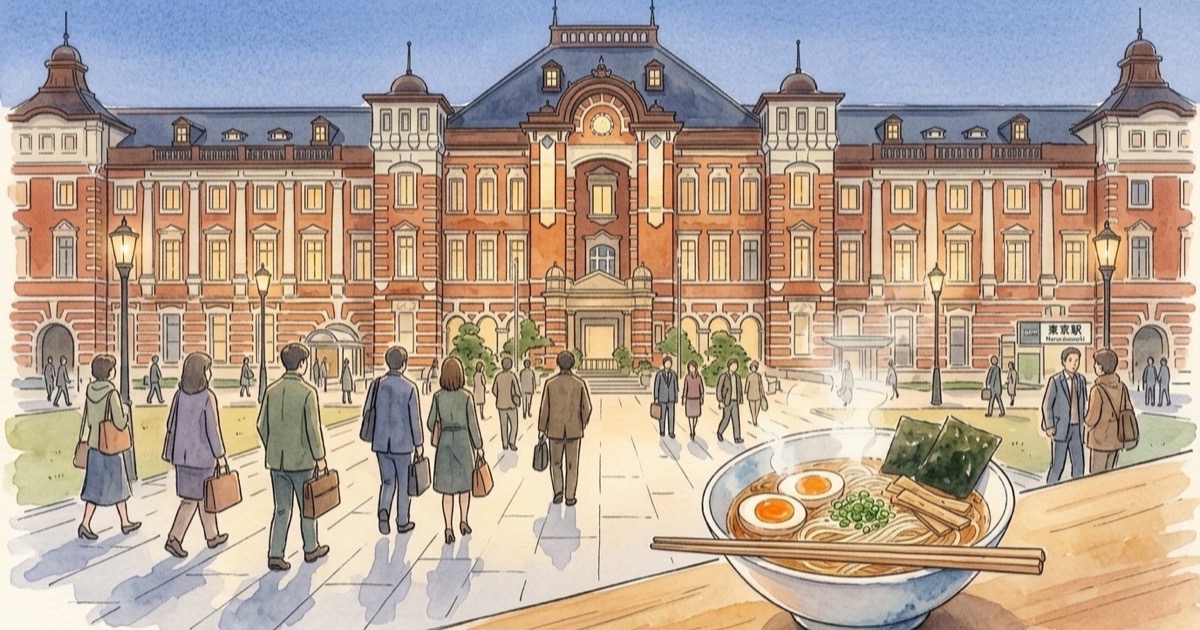
Rokurinsha at Tokyo Station is consistently rated among the best tsukemen in the city — its fish-heavy dipping broth has a strong following and the location makes it easy to fit into a travel day. Expect a queue, particularly at lunchtime. Our guide to handling queues has timing advice.
Browse ranked shops in Tokyo
Mapped list with ratings, stations, and tourist-friendly filters.
Best ramen in TokyoTokyo ramen planning
Explore Tokyo by neighborhood and trip style
Open the full Tokyo guidePlanning a Tokyo Ramen Crawl?
Skip the 90-minute tourist lines. Use our free curated walking routes and ticket machine guides to explore neighborhood counters with confidence.
Former Fukuoka tonkotsu ramen apprentice and creator of Japan Ramen Guide. When not exploring Japan's ramen alleys, I build tools for Japan life like Daruma Japan Life and recommend foreigner-friendly housing through Affarah.