Ramen Queues in Japan: How to Beat the Wait at Popular Shops
Japan's best ramen shops routinely have queues of thirty minutes to two hours. Here's how to research opening times, arrive strategically, and decide when a queue is worth joining.
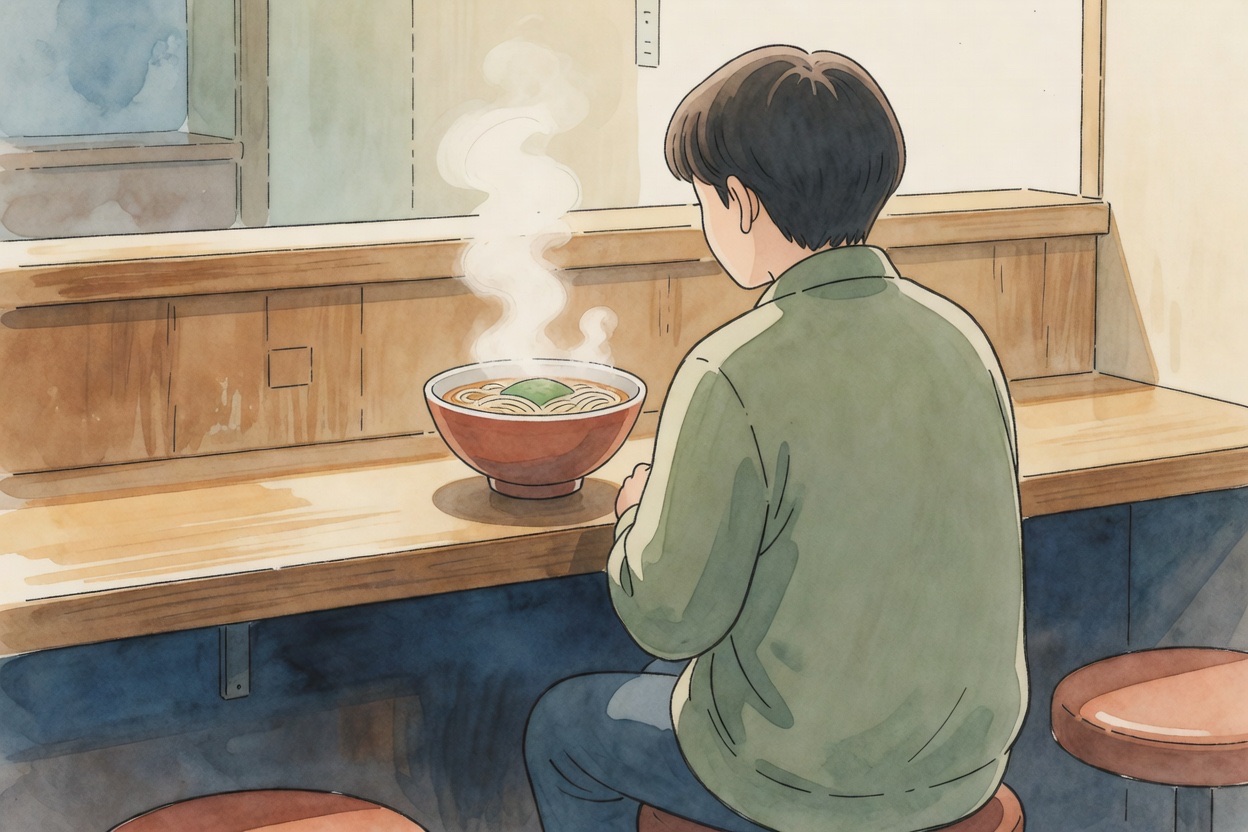
The queue outside a popular ramen shop in Japan is orderly, patient, and almost always worth it. But standing in line for ninety minutes when you could have arrived at 11am and walked straight in is an avoidable tax on your day. Understanding how Japanese ramen shops handle demand — and how to work with rather than against it — saves time and stress without compromising the bowl.
Understanding Japan's ramen ticketing machines and queuing etiquette
Why Queues Exist
The best ramen shops are small — typically eight to fifteen seats. Many sell out of broth before the end of service (this is deliberate: fresh broth, not preserved). They operate on a first-come basis with no reservations. Supply is intentionally constrained to maintain quality. A shop serving forty bowls a day will be very good. A shop serving four hundred bowls a day is managing throughput differently. The queue is the price of the small-batch model.
Opening Time Strategy
The most reliable queue-minimisation strategy: arrive ten minutes before the shop opens. Most top Tokyo ramen shops open at 11am or 11:30am. Arriving at 10:50am means you're in the first seating. Most shops turn tables in twenty to thirty minutes, so the first seating clears quickly. If you arrive at 11:15am you may already be second-seating, adding thirty to forty minutes.
The Afternoon Gap
Many ramen shops have a natural quiet period between 2pm and 5pm — after the lunch rush, before the evening crowd. Some shops take a break during this time; others stay open with reduced queues. If you miss the morning opening, 2:30–4pm is often the next best window. Check if the shop takes a break (many list this on their social media) before planning around this.
How to Research Opening Times
The most reliable source for current opening hours is the shop's own social media — particularly Instagram and X (formerly Twitter). Japanese ramen chefs update these constantly, including day-off changes, early closes, and temporary suspension announcements. Google Maps hours are second-best. Tabelog shows hours but updates less frequently. If a shop is at the top of your list, check their social accounts the day before.
When to Skip a Queue
- Over 45 minutes and you have other plans: the food is good but probably not worth restructuring your day around.
- It's past 1pm and the queue hasn't moved in twenty minutes: the shop may be close to selling out — ask the last person in line how long they've been waiting.
- You're already full from a previous bowl: ramen eaten when not hungry is a shadow of itself. Wait for genuine appetite.
- The shop has a Tabelog score under 3.50 with under 100 reviews: unknown quality isn't worth significant time investment.
Planning a Tokyo Ramen Crawl?
Skip the 90-minute tourist lines. Use our free curated walking routes and ticket machine guides to explore neighborhood counters with confidence.
Former Fukuoka tonkotsu ramen apprentice and creator of Japan Ramen Guide. When not exploring Japan's ramen alleys, I build tools for Japan life like Daruma Japan Life and recommend foreigner-friendly housing through Affarah.