Behind Japan Ramen Guide
From an 8-seat tonkotsu counter in Nishijin, Fukuoka to building independent software and cataloging 1,100+ verified ramen shops across Japan.
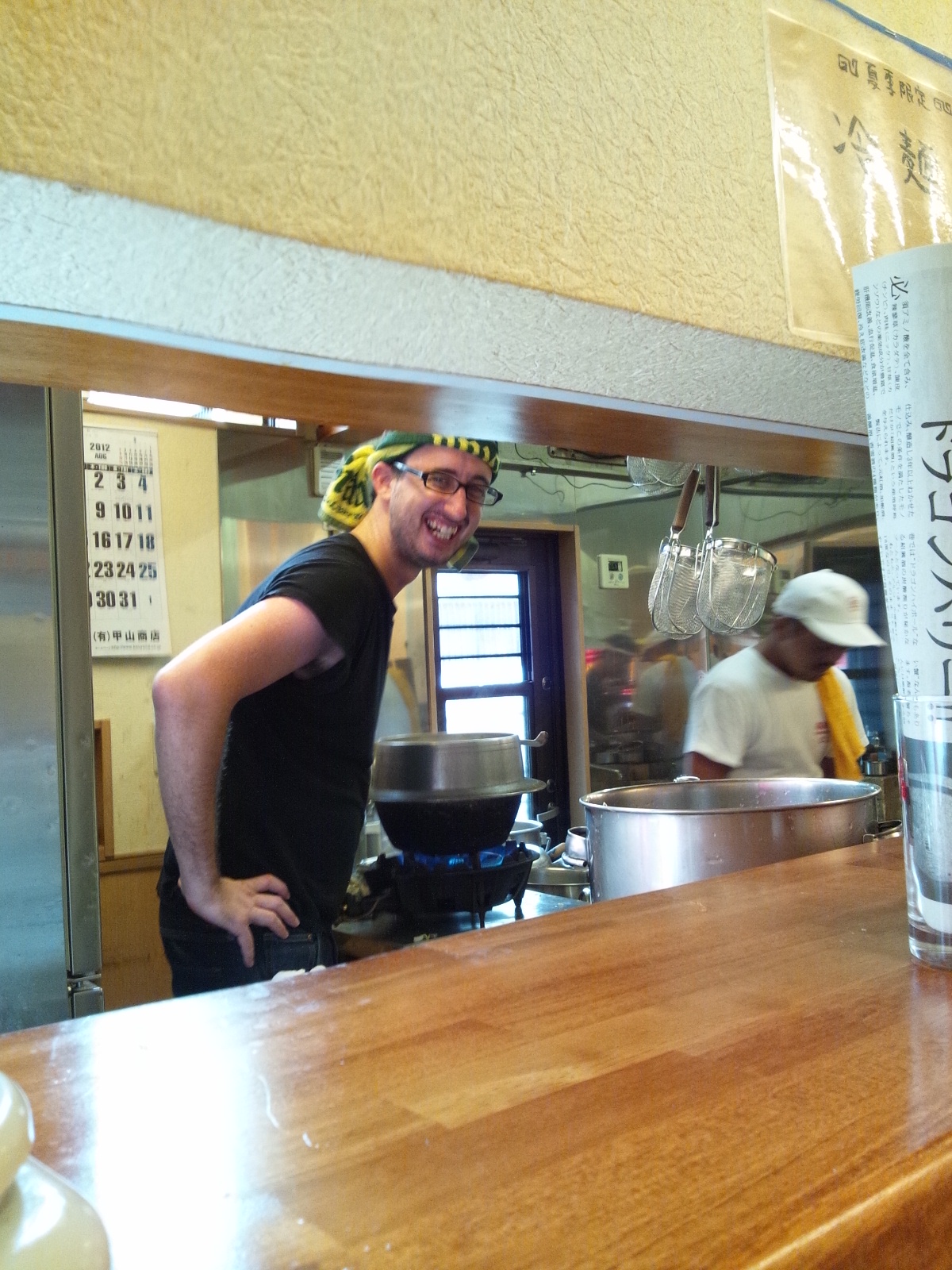
From boiling pork bones in Fukuoka to building software in Tokyo
Before building Japan Ramen Guide, I worked behind the counter of an old-school tonkotsu shop in Nishijin, Fukuoka while studying at Fukuoka University (Nagahama Ramen Jiro, now closed, but the training stayed with me).
Working the line in a Hakata shop meant boiling down pork marrow bones for 12 hours, timing noodles to the second (15 seconds for katamen, 8 seconds for barikata), and serving neighborhood regulars. Most English travel sites ignore that kitchen reality, repeating the same five tourist chains with broken map pins. I built Japan Ramen Guide to catalog 1,100+ vetted shops across Japan with station exit directions, ticket machine walkthroughs, and exact counter ordering phrases.
Today, I live in Tokyo and build independent software products focused on Japan, from foreign residency compliance tools to real estate search. I regularly write about indie hacking, software engineering, and building products in Tokyo on X.
Living & Settling in Japan
Software and resources for foreign residents, digital nomads, and newcomers.

Daruma Japan Life
Residency deadlines, tax rules, and civic compliance in Japan
Moving to Japan involves strict administrative requirements. Foreign residents must register their address at the municipal ward office (*kuyakusho* or *shiyakusho*) within 14 days of moving. Second-year residents often face surprise residence tax (*jūminzei*) bills, complex national pension (*nenkin*) payment slips, and narrow visa renewal windows. Daruma Japan Life provides deadline tracking, timeline checklists, and clear English guides so foreign residents manage their legal and civic obligations in Japan without missing deadlines.
- Track city hall deadlines, residence tax dates, and visa renewal windows
- Clear English breakdowns of Japanese health insurance, pension, and civic obligations
- Built specifically for expats, engineers, and digital nomads moving to Japan

Affarah Friendly Homes
Foreigner-friendly Tokyo apartments and rental guidance
Renting an apartment in Tokyo presents steep obstacles for foreign residents. Many traditional landlords refuse non-Japanese tenants outright, require Japanese-citizen joint guarantors (*rentai hoshōnin*), or charge non-refundable gift money (*reikin*) alongside heavy agency fees. Affarah connects expats, digital nomads, and newcomers with pre-vetted housing across Tokyo, offering bilingual support, clear fee breakdowns, and housing options that welcome foreign residents.
- Apartments pre-vetted to accept foreign residents and working visas
- Transparent contracts without surprise guarantor company hurdles or hidden fees
- Bilingual consultation across major Tokyo transit lines and central wards
Ramen Tools & Experiences
Practical tools and private tastings to experience Japanese noodle culture like a local.
Counter Tastings & Apprenticeship Insights
Understanding Japanese ramen culture from behind the counter
Most tourists in Tokyo wait 90 minutes in lines at franchised chains like Ichiran, eating alone in partitioned wooden cubicles. Our guides and walks focus on getting travelers onto counter stools at authentic neighborhood shops where locals actually eat.
We believe the best experiences come from understanding what happens in the kitchen: mastering all-kanji ticket vending machines, dialing in noodle hydration (katamen) and pork back-fat (kotteri), and understanding real broth mechanics from 12-hour marrow boils.
- Zero tourist traps: Focus on discreet 8-seat neighborhood counters
- Ticket machine mastery: Decode buttons, options, and tare customizations
- Kitchen floor perspective: Broth boiling mechanics and counter etiquette
- Free self-guided tools: Mapped crawls and step-by-step phrasing cards
Pocket Phrases
100+ native Japanese audio recordings for ordering firm noodles (*katamen*), fat levels, and refills.
Style Guide
In-depth breakdown of Shoyu, Tonkotsu, Miso, Tsukemen, Iekei, and regional broth styles across Japan.
Ramen Mobile App
Native iOS & Android app with offline shop maps, one-tap subway exits, and camera-based ticket translations.
Practical Japan Essentials
Field-tested advice to keep transit, payments, and dining smooth.
Add a digital Suica or Pasmo directly in Apple Wallet on iPhone (Settings → Wallet & Apple Pay → Transit Card). Top up with Mastercard or Amex to tap through subway gates, drink vending machines, and convenience stores. (Note: Foreign Visa cards often fail due to JR East 3D-Secure policies).
Most classic 8-seat ramen counters only accept cash. Small ticket vending machines take ¥1,000 notes and coins, but reject ¥5,000 or ¥10,000 bills. Use Ryōgae itadakemasu ka? to ask staff for change. Use Seven Bank ATMs inside 7-Eleven stores for zero-surcharge foreign cash withdrawals.
Skip airport rental desks and bulky pocket Wi-Fi routers that require nightly charging. Install an eSIM on your smartphone before departing. Data connects immediately on landing at Narita or Haneda, keeping Google Maps and train navigation online 24/7.
Ramen counters rely on quick seat turnover. Slurp your noodles to aerate the broth and cool the strands. Do not linger on your phone once you finish. Place your bowl onto the raised counter ledge, wipe your space with the towel provided, say Gochisousama deshita, and exit.
Get in Touch
Have a question, feedback, or travel partnership inquiry? Send a note directly to my inbox below, or message me on X (@kaynesheenan).