Best Ramen in Tokyo Station: Tokyo Ramen Street & KITTE Guide (2026)
Find the best ramen in Tokyo Station. Complete 2026 guide to Tokyo Ramen Street on Yaesu B1 and KITTE Marunouchi, including Rokurinsha tsukemen, opening hours, and walking directions.
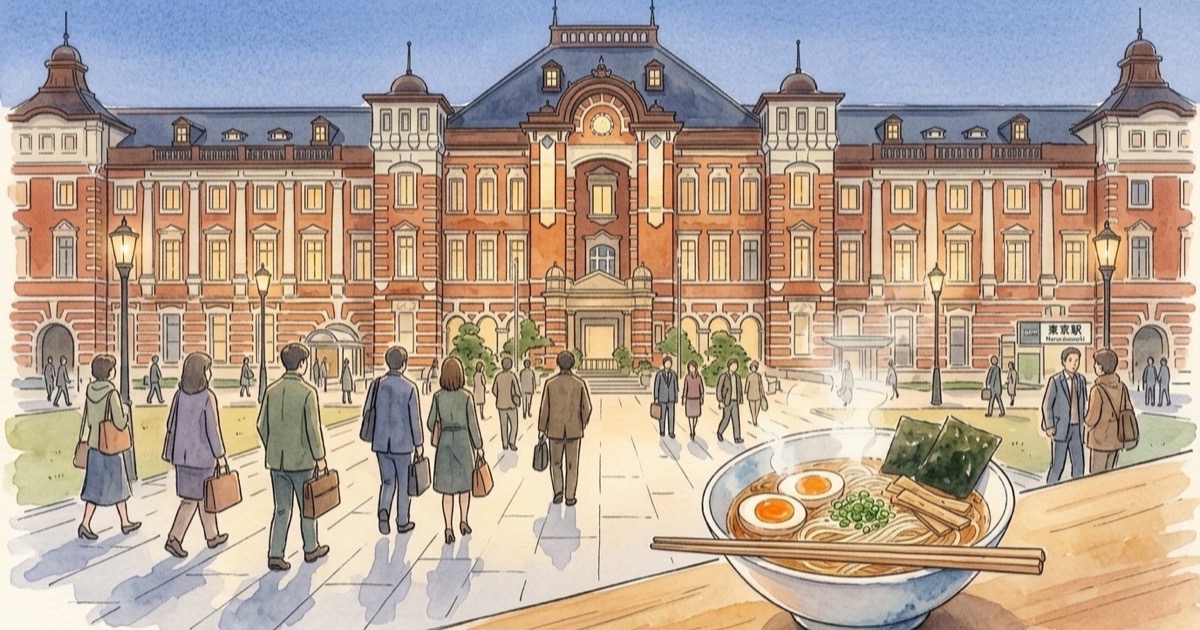
Tokyo Station is Japan’s primary rail terminal, but it is also one of the country's densest ramen destinations. The station complex houses two major basement clusters: Tokyo Ramen Street on the Yaesu side, and KITTE Ramen Gekisenku on the Marunouchi side. Together, they host 13 distinct shops serving acclaimed tsukemen, delicate shio, rich tonkotsu, miso, and certified vegan options.
The challenge for travelers is navigating the station's underground maze to the correct exit before their train departs. This guide provides exact walking directions, operating hours, and a full breakdown of the shops.
Tokyo Ramen Street: How to Get There & Location
Tokyo Ramen Street is located on the B1 floor of First Avenue Tokyo Station (Tokyo Eki Ichibangai), on the Yaesu (east) side outside the JR ticket gates.
Step-by-step walking directions:
- From any Shinkansen or JR platform, follow the yellow overhead signs toward the Yaesu Underground Central Exit (八重洲地下中央口).
- Pass through the ticket gates to the outside concourse.
- Walk straight for 30 seconds into First Avenue Tokyo Station (Tokyo Eki Ichibangai). Tokyo Ramen Street runs directly along the south-facing basement corridor.
- Orientation check: If you see signs for Marunouchi, KITTE, or the Imperial Palace, you are heading west. Turn around and follow signs east toward Yaesu.
Operating hours: Most shops run from 10:30 a.m. to 11:00 p.m. (last order 10:30 p.m.). Rokurinsha is the main exception, opening early at 7:30 a.m. for morning tsukemen before closing briefly between 9:45 a.m. and 10:00 a.m.
The 8 Shops on Tokyo Ramen Street at a Glance
| Shop Name | Signature Broth | Price Range (JPY) | Opening Hours |
|---|---|---|---|
| Rokurinsha (六厘舎) | Thick Pork & Seafood Tsukemen | ¥950–¥1,350 | 7:30–9:45 (Morning) / 10:00–23:00 |
| Tokyoeki Ikaruga (いかるが) | Balanced Seafood Tonkotsu | ¥950–¥1,250 | 10:30–23:00 (LO 22:30) |
| Soranoiro NIPPON (ソラノイロ) | Veggie Soba (Vegan & Gluten-Free) | ¥1,000–¥1,400 | 9:00–23:00 (LO 22:30) |
| Chuka Soba Hirugao (ひるがお) | Shio Ramen (Scallop & Kelp Dashi) | ¥900–¥1,200 | 10:30–23:00 (LO 22:30) |
| Tokyo Niboshi Gyoku (玉) | Rich Dried Sardine Broth | ¥950–¥1,300 | 10:30–23:00 (LO 22:30) |
| Hanamichian (花道庵) | Thick Fermented Miso | ¥950–¥1,250 | 10:30–23:00 (LO 22:30) |
| Oreshiki Jun (俺式 純) | Hakata Tonkotsu Pork Bone | ¥850–¥1,150 | 10:30–23:00 (LO 22:30) |
| Kakushinka TOKYO (革新家) | Yokohama Iekei (Pork-Soy) | ¥900–¥1,200 | 10:30–23:00 (LO 22:30) |
Which Tokyo Ramen Street Shop Should You Choose?
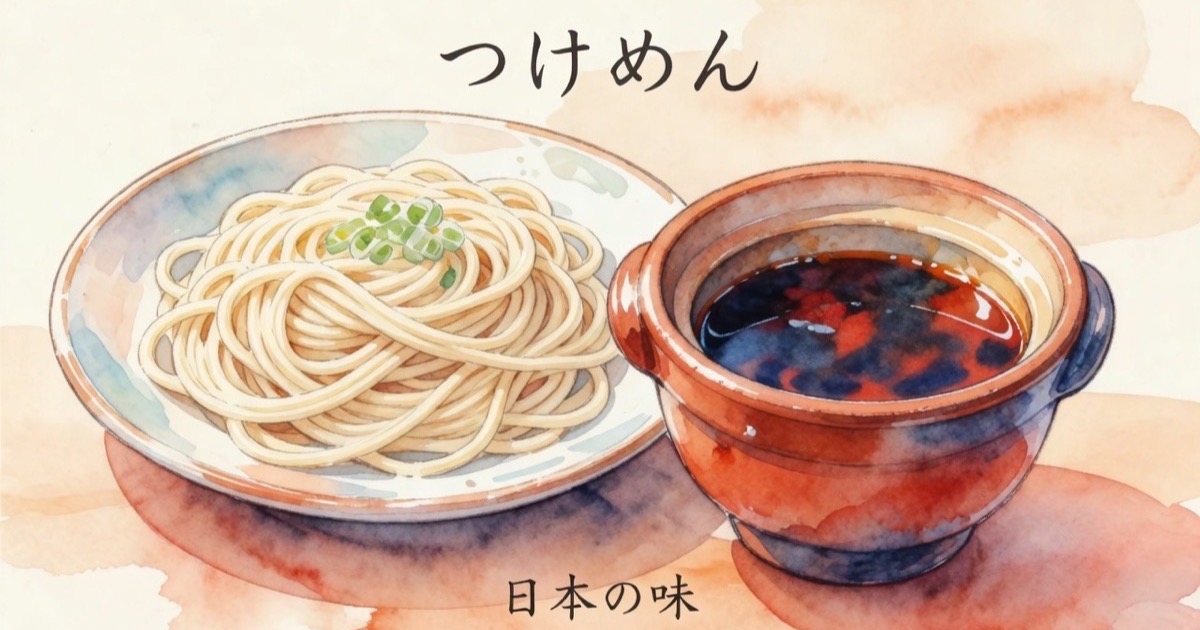
- Rokurinsha (Tokyo-Style Tsukemen): Thick, chewy noodles paired with a reduced pork, chicken, vegetable, and seafood dipping broth. Dip noodles one mouthful at a time. When finished with the noodles, ask the counter staff for soup-wari to dilute the remaining dipping sauce into a drinkable broth.
- Hirugao (Shio Ramen): The broth combines chicken dashi with kelp, dried scallop, and sardine, finished with yuzu peel and thin noodles. This is the best choice when you want clean flavor without heavy fat.
- Soranoiro NIPPON (Vegan & Dietary Options): Soranoiro serves plant-based veggie soba alongside classic shoyu ramen, with labeled vegan and gluten-free noodle alternatives on the ticket machine.
- Tokyo Niboshi Ramen Gyoku (Dried Sardine Broth): Gyoku blends a rich chicken base with intensely aromatic dried sardines (niboshi) for diners who enjoy deep umami with a bitter edge.
- Hanamichian (Rich Miso): A dense, garlicky Tokyo-style miso ramen served with thick stir-fried bean sprouts.
- Oreshiki Jun (Creamy Tonkotsu): A straightforward Hakata-style pork bone soup. Rapid service makes this a reliable backup when train departure times are tight.
- Tokyoeki Ikaruga (Balanced Tonkotsu-Gyokai): Blends seafood stock and pork bone broth evenly. Approachable and aromatic.
- Kakushinka TOKYO (Yokohama Iekei): Rich pork-and-chicken broth with dark soy sauce, thick flat noodles, spinach, and roasted chashu.
The West Side Alternative: KITTE Marunouchi B1
If you arrive on the west side of Tokyo Station or find long queues at Yaesu, walk to the B1 floor of KITTE Marunouchi, located right outside the Marunouchi South Exit. This area is called Ramen Gekisenku (Ramen Battleground).
The main attraction here is Matsudo Tomita Menban, the Tokyo station outpost of Japan's most famous tsukemen master, Tomita. It serves dense, velvety tonkotsu-gyokai broth with dense noodles milled in-house. Do Miso offers spicy Tokyo-style miso ramen, while Chuka Soba Fukumi serves clean, golden chicken shoyu ramen.
KITTE is particularly useful if you arrive on the Marunouchi side, want more choices, or find the Yaesu queues unappealing. Most of the B1 ramen shops currently open from 11 a.m., with earlier closing on weekends and holidays; verify the latest lineup and hours on the official KITTE floor guide.
When to go and how to handle the queue
The busiest period is the conventional lunch rush, particularly from about 11:30 a.m. to 2 p.m. Weekday office workers join travellers, while weekends bring more sightseeing groups. An early lunch, mid-afternoon bowl, or later dinner generally gives you more flexibility, but a famous shop can have a line at almost any time.
A few practical rules help:
- Check the queue before buying anything. Some shops ask you to buy a meal ticket before lining up; others direct you to the machine later. Follow the signs or the staff member managing the line.
- Choose the bowl before reaching the machine. Photos and English labels are common, but deciding while a queue forms behind you is stressful.
- Keep everyone together. Staff may not seat a group until all members are present, and one person should not hold several places while the others shop.
- Do not leave the line without asking. If you need the restroom or must retrieve luggage, speak to the queue attendant first.
- Set a firm walk-away time. Work backward from your train’s departure, including time to find the platform, pass through gates, and buy drinks for the journey.
Ordering without stress
Many ramen shops use a ticket vending machine. Insert payment, select the dish and any extras, collect the printed ticket and change, then hand the ticket to staff or join the indicated queue. Cash and a charged transport IC card are the safest combination because payment methods vary by shop. Smaller notes are also easier for older machines than a ¥10,000 bill.
Useful menu words include:
- Ramen / chuka soba: noodles served in soup
- Tsukemen: noodles and concentrated dipping broth served separately
- Tokusei: a “special” version, usually with extra toppings
- Ajitama: seasoned soft-boiled egg
- Chashu: sliced cooked pork
- Omori: large serving of noodles
- Kaedama: extra noodles, offered at some tonkotsu shops
The most expensive button is not automatically the best order. A tokusei bowl can add egg, extra pork, nori, and other toppings, making an already rich meal much larger. When eating between trains, the standard signature bowl is often the better choice.
Luggage, children, and accessibility
Ramen shops are designed for fast turnover, and seats and aisles can be compact. A large suitcase is awkward in a queue and may not fit beside a stool. Tokyo Station and First Avenue have coin lockers, and KITTE lists lockers on B1; using one before lunch makes the experience easier for you and everyone around you. Locker availability is not guaranteed, especially during weekends and holiday periods, so do not build a tight itinerary around finding one immediately.
Families are welcome, but counter seating, hot bowls, and queues can make some shops easier than others. Ask the attendant about table seating or space for a stroller before purchasing tickets. Travellers who need step-free access should use station elevators and confirm the final route with station staff—the fastest signed route may include stairs or escalators.
Is Tokyo Station ramen worth it?
Yes, provided you treat convenience as part of the value. These are branches in a major transport hub, not quiet neighbourhood shops, and the most famous names attract tourist-heavy lines. Yet the cooking is serious, the range of styles is unusually broad, and you can eat an excellent bowl without adding another cross-city journey to an already busy day.
The best strategy is simple: pick a style rather than chasing a single “number one” shop, check the queue against your real departure time, and keep a backup on either side of the station. With that approach, Tokyo Station becomes one of the easiest places in the city to turn an ordinary transfer into a memorable meal.
Using Tokyo Station as a ramen base
Tokyo Station also works well as a base for a broader ramen trip. The Yamanote, Chuo, Marunouchi, and other lines provide straightforward access to major ramen areas across the city, while the Tokaido Shinkansen reaches Shin-Yokohama quickly for the Shin-Yokohama Ramen Museum. There is no need to force several cities into one day: one destination bowl, one neighbourhood, and enough time to enjoy both will usually produce a better trip.
Planning a Tokyo Ramen Crawl?
Skip the 90-minute tourist lines. Use our free curated walking routes and ticket machine guides to explore neighborhood counters with confidence.
Former Fukuoka tonkotsu ramen apprentice and creator of Japan Ramen Guide. When not exploring Japan's ramen alleys, I build tools for Japan life like Daruma Japan Life and recommend foreigner-friendly housing through Affarah.