Best Ramen in Harajuku & Shibuya: Area and Shop Guide
Find ramen in Harajuku and Shibuya by area and style, from yuzu shio and tonkotsu to classic shoyu and tsukemen, with links to the Tokyo shop directory.
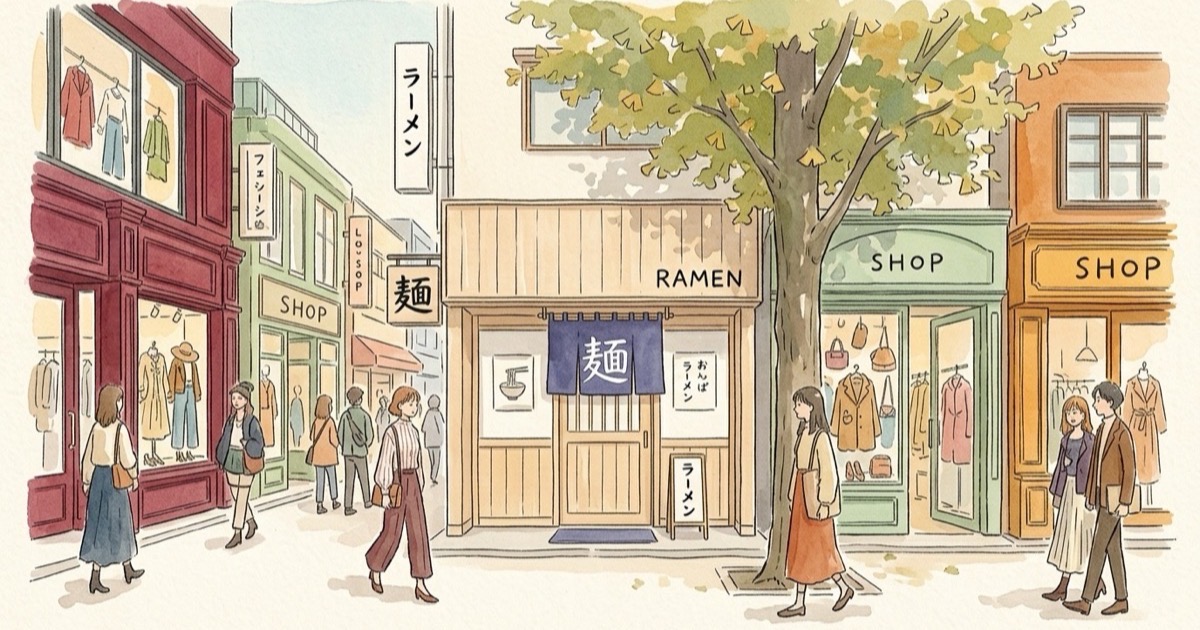
For ramen in Harajuku, start with AFURI for yuzu shio or Kyushu Jangara for tonkotsu; for a wider independent-shop choice, continue to Shibuya. The two stations are one stop apart on the JR Yamanote Line and can also be combined on foot through the Cat Street area.
Use this shortlist to choose by broth and location, then open the linked shop or Tokyo directory page to verify the latest menu, hours, payment method, and dietary details before visiting.
Harajuku & Shibuya Ramen at a Glance
| Shop | Area | Style | Recorded lunch price band |
|---|---|---|---|
| AFURI Harajuku | Harajuku | Yuzu shio | ¥1,000–¥1,999 |
| Kyushu Jangara Harajuku | Harajuku | Tonkotsu | Under ¥1,000 |
| Chuka Menten Kiraku | Shibuya / Shinsen | Shoyu | Under ¥1,000 |
| Chuka Soba Hayashi | Shibuya | Shoyu / tonkotsu-gyokai | ¥1,000–¥1,999 |
| Jikasei MENSHO | Shibuya | Tori paitan / tantanmen | ¥1,000–¥1,999 |
| Dogenzaka Mammoth | Shibuya / Dogenzaka | Tsukemen | ¥1,000–¥1,999 |
Best Ramen in Harajuku
1. AFURI Harajuku: Refreshing Yuzu Shio
AFURI Harajuku is a convenient Harajuku Station-area option recorded in the directory.
- Signature style: Yuzu shio, a light citrus-forward chicken and dashi bowl.
- Meat & Charcoal: Pork belly chashu is flame-seared over white-hot binchotan charcoal behind the counter upon ordering.
- Dietary options: The directory records vegan and vegetarian options. Confirm the current bowl and preparation directly; a noodle substitution alone does not establish gluten-free safety.
- Before visiting: Check the branch's current payment methods and menu rather than relying on an older price list.
2. Kyushu Jangara Harajuku: Custom Hakata Tonkotsu
Kyushu Jangara's Harajuku branch is a station-area option for travelers who want tonkotsu rather than a light shio bowl.
- Signature style: Kyushu tonkotsu with optional toppings such as kakuni, mentaiko, and egg.
- Alternative Style: Kobonshan features a deep roasted garlic oil (ma-yu) infused into the pork broth.
- Plant-Based Option: Jangara offers a dedicated vegan tonkotsu-style ramen made with soy milk and vegetable dashi.
3. Noodle Stand Tokyo: Modern Chemical-Free Bowls
Situated just off Meiji-dori near the entrance of Takeshita Street, Noodle Stand Tokyo emphasizes chemical-free, non-MSG dashi.
- Style: Modern shoyu and creative bowls rather than a classic tonkotsu-only menu.
- Before visiting: Confirm the current menu and dietary options directly.
Best Ramen in Shibuya
4. Chuka Menten Kiraku: Historic 1952 Fried Onion Shoyu
Chuka Menten Kiraku has operated in Dogenzaka since 1952. It represents old-school Tokyo ramen at its absolute best.
- Signature Bowl: Moyashi Wonton-men (¥1,050 JPY). A dark soy sauce broth coated with fragrant Taiwanese-style fried shallots (negi oil), piled high with wok-charred bean sprouts and tender pork wontons.
- The Noodles: Thick, flat, chewy wheat noodles that grip the rich fried shallot oil.
- Address: 2-17-6 Dogenzaka, Shibuya-ku. A 7-minute walk up Dogenzaka hill from Shibuya Station.
5. Hayashi: Exquisite Lunch-Only Pork & Fish Dashi
The directory records Hayashi as a focused, lunch-only chukasoba shop. Recheck the current schedule before making a special trip.
- Signature style: Chukasoba built on a pork-and-seafood double broth.
- Planning note: The directory records lunch-only service and cash payment. Recheck current service days and sell-out notices before visiting.
6. Jikasei MENSHO: Modern Craft Ramen in Shibuya Parco
Located on the basement floor of Shibuya Parco, Jikasei MENSHO blends Tokyo fashion culture with technical ramen craftsmanship.
- Menu range: Creative bowls include tantanmen and plant-based options; confirm the current lineup directly.
- In-House Milling: All wheat noodles are extruded fresh daily in a glass-walled pasta laboratory inside the restaurant.
7. Dogenzaka Mammoth: Heavy Dipping Tsukemen
For travelers craving thick noodles dipped in boiling-hot pork and seafood gravy, Dogenzaka Mammoth is Shibuya's premier tsukemen destination.
- Signature style: Thick noodles with concentrated pork-and-seafood dipping broth.
- Location: 2-10-1 Dogenzaka, Shibuya-ku (5-minute walk from Shibuya Station).
Queue Times and Walking Route Tips
- Avoid a long detour: compare shops within Harajuku or Shibuya first, then keep one nearby backup.
- Walking route: combine Harajuku and Shibuya with Cat Street if both areas are already on your itinerary.
- Time-sensitive details: recheck service hours, closures, queues, ticket machines, and payment methods on the day.
Before choosing by score alone, read how Tabelog ratings work. For a cheaper fallback, use the under-¥1,000 ramen guide or browse the full Tokyo ramen directory.
Frequently asked questions
What is the best ramen in Harajuku?
AFURI is a practical first choice for yuzu shio, while Kyushu Jangara suits travelers looking for tonkotsu. Compare the current menu and recorded shop data before deciding which style fits you.
Does AFURI Harajuku accept cash?
Payment policies can change. Check AFURI's current branch information and the symbols on the ordering terminal before visiting, and carry a backup payment method.
Where can I find old-school traditional ramen in Shibuya?
Chuka Menten Kiraku in Dogenzaka has operated since 1952, serving dark soy sauce ramen topped with Taiwanese-style crispy fried shallots, thick noodles, and wontons.
Is Hayashi in Shibuya open for dinner?
The directory records Hayashi as a lunch-only shop that may close when broth sells out. Check its current service days and hours before making a special trip.
Browse ranked shops in Tokyo
Mapped list with ratings, stations, and tourist-friendly filters.
Best ramen in TokyoTokyo ramen planning
Explore Tokyo by neighborhood and trip style
Open the full Tokyo guidePlanning a Tokyo Ramen Crawl?
Skip the 90-minute tourist lines. Use our free curated walking routes and ticket machine guides to explore neighborhood counters with confidence.
Former Fukuoka tonkotsu ramen apprentice and creator of Japan Ramen Guide. When not exploring Japan's ramen alleys, I build tools for Japan life like Daruma Japan Life and recommend foreigner-friendly housing through Affarah.