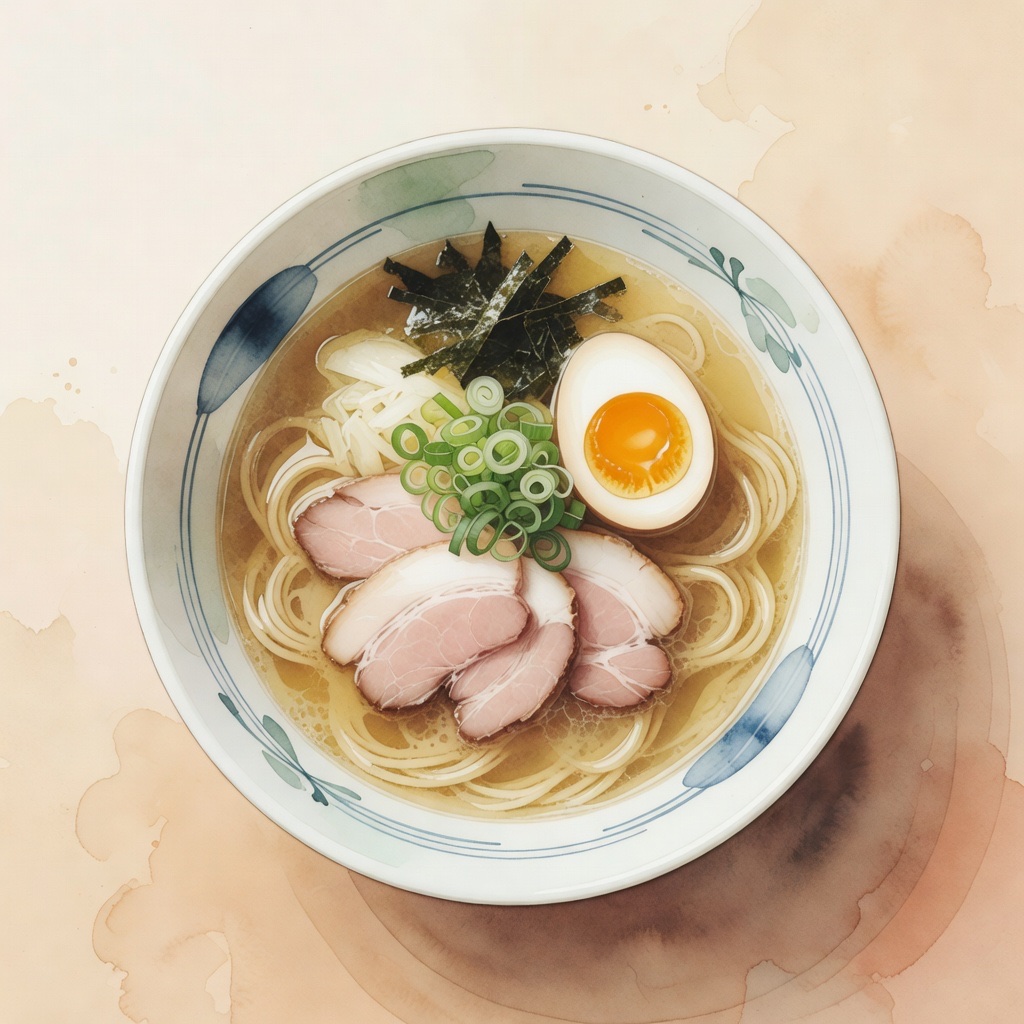
What Is Tabelog? How Japan's Restaurant Ratings Work
Tabelog is a Japanese restaurant search and review platform. Learn why scores look low, how to read review counts, and how to use it with maps.
Tabelog (食べログ) is a Japanese restaurant search and review platform. Diners use it to compare restaurants, ratings, reviews, photos, menus, opening information, and reservation options. The key difference for visitors is that Tabelog does not present its score as a simple arithmetic average, so its numbers should not be read like Google Maps stars.
How to use Tabelog to find Japan's top-rated hidden gem ramen shops
What Is Tabelog?
Tabelog is a restaurant discovery and review platform founded in 2005. Users submit reviews, photos, and ratings; the platform aggregates these into a single score per restaurant. It covers all food categories but is particularly powerful for ramen, sushi, izakaya, and soba — the categories where Japanese diners are most discerning.
How Tabelog Scores Work
Tabelog says restaurant scores are calculated with a weighted system rather than a straight average of every star rating. Reviewer influence and the amount of rating evidence can affect the displayed result, and scores can change over time. That is why familiar-looking numbers should not be converted directly into Google Maps equivalents. Tabelog's official scoring explanation is the source of truth for the current method.
- Do compare like with like: ramen against nearby ramen, not a casual counter against a special-occasion restaurant.
- Do read the review count: a score supported by more diner activity gives you different context from a new listing with limited evidence.
- Do inspect recent photos and notices: they help confirm the menu, queue setup, and whether the listing still matches your plan.
- Do not use a hard cutoff: a neighbourhood shop below an arbitrary threshold may still be exactly the bowl you want.
How to Use Tabelog as a Foreigner
English Mode
Tabelog has a limited English interface available at tabelog.com/en. The English version shows ratings, photos, location, and opening hours. Full review text remains in Japanese, but Google Translate handles this adequately for most purposes.
Searching for Ramen
Search by an area or station name plus ラーメン. Use filters to narrow the genre and budget, then compare the result's score, review count, photos, and walking distance. Our ramen Japanese characters guide covers the menu words you will see after you arrive.
A Practical Two-App Workflow
- Use Tabelog to build a short list within the same station area and ramen category.
- Open the finalists in your preferred map app to check the route and recent operating information.
- Check the shop's official website or social account before making a long detour, especially for temporary closures or sell-outs.
- Keep one nearby backup instead of crossing the city for a tiny score difference.
Tabelog vs Michelin
Tabelog and Michelin often diverge, especially at the premium end. Michelin focuses on technical excellence assessed by anonymous inspectors; Tabelog reflects the aggregate opinion of thousands of returning customers. Shops like NAKIRYU and Homemade Ramen Muginawa score high on both, but many excellent neighbourhood shops score 3.5–3.6 on Tabelog with no Michelin involvement. Both sources are useful.
Tabelog vs Google Maps: Which Should You Use?
The two services answer different parts of the decision. Tabelog is useful for restaurant discovery and comparison within Japan; a map app is convenient for routes, nearby alternatives, and recent visitor photos. Use both, and verify time-sensitive details with the restaurant itself. You can also browse our city shortlists for Tokyo, Osaka, and Kyoto.
Planning a Tokyo Ramen Crawl?
Skip the 90-minute tourist lines. Use our free curated walking routes and ticket machine guides to explore neighborhood counters with confidence.
Former Fukuoka tonkotsu ramen apprentice and creator of Japan Ramen Guide. When not exploring Japan's ramen alleys, I build tools for Japan life like Daruma Japan Life and recommend foreigner-friendly housing through Affarah.