Ramen in Japanese: ラーメン, Kanji, and Menu Words
Ramen is usually written ラーメン in Japanese. Learn the hiragana and kanji forms, pronunciation, and menu characters for broth, toppings, and portion size.
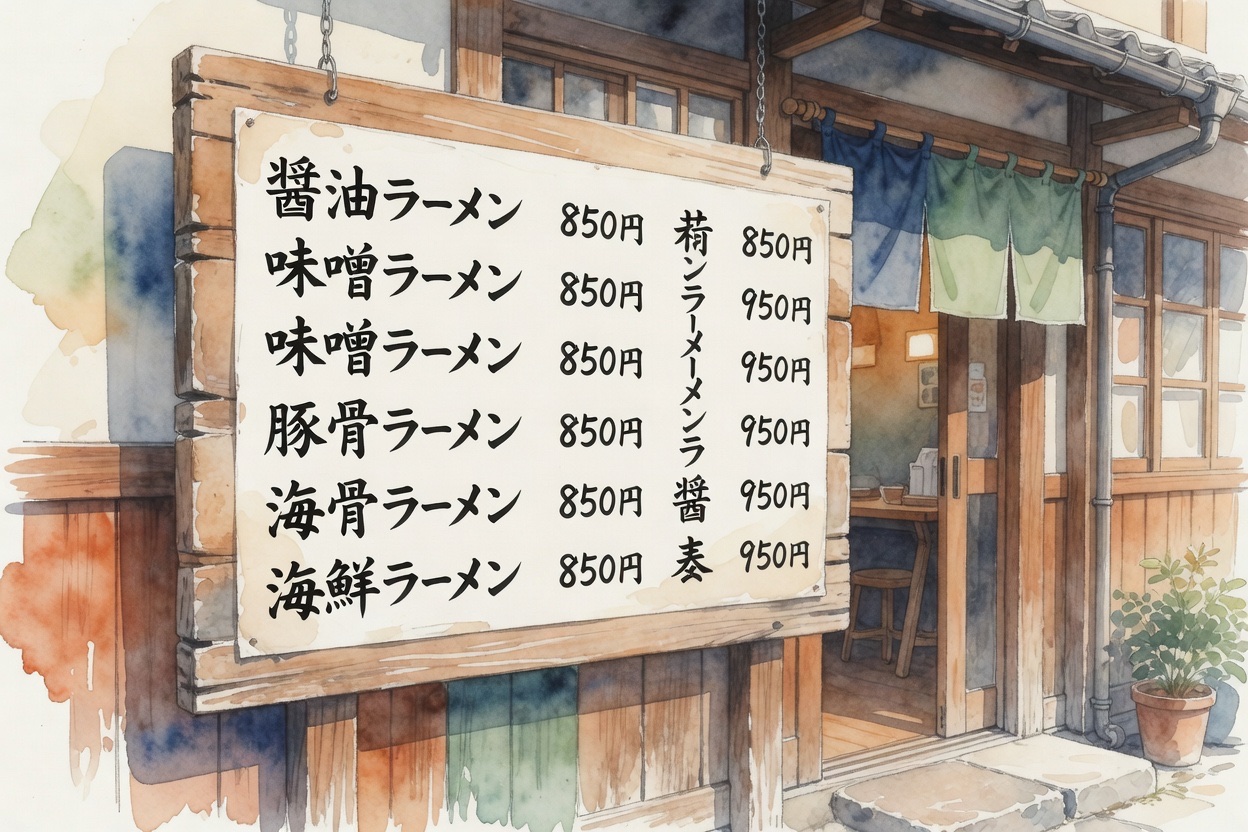
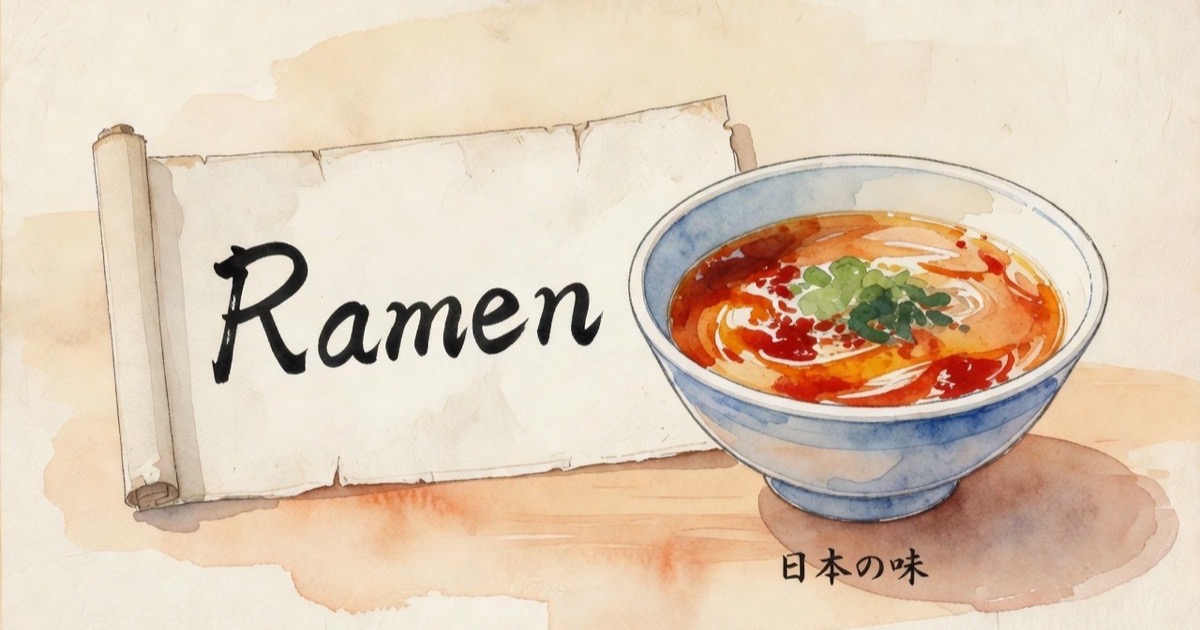
Ramen is usually written ラーメン in Japanese and pronounced roughly ‘raa-men.’ You may also see らーめん in hiragana, 拉麺 in kanji, or 中華そば (chūka soba) as a traditional menu name for a ramen-style Chinese noodle bowl. If you only memorise one form before your trip, make it ラーメン.
How "Ramen" is Written: The Three Variations
Shop names and menus use several spellings. They are useful visual clues, but the typography alone does not reliably tell you the broth style, price, or quality.
1. Katakana: ラーメン (The Modern Standard)
This is the standard spelling most visitors should learn. Katakana is commonly used for words of foreign origin. The long dash ー lengthens the first vowel: ラ (ra) + ー + メン (men).
2. Hiragana: らーめん or らぁ麺 (The Artisanal Touch)
Some shops choose らーめん, らぁめん, or a mixed form such as らぁ麺 for branding. Read all of them as ramen; do not infer the broth style from the script alone.
3. Kanji: 拉麺 or 中華そば (The Heritage Standard)
拉麺 is a kanji spelling of ramen, though it is less common than ラーメン. 中華そば means chūka soba (‘Chinese-style noodles’) and is a common alternative dish or shop label. You may also encounter the older term 支那そば. These names often appear at classic shops, but they do not guarantee one specific broth.
Decoding the Ticket Machine: Key Menu Words
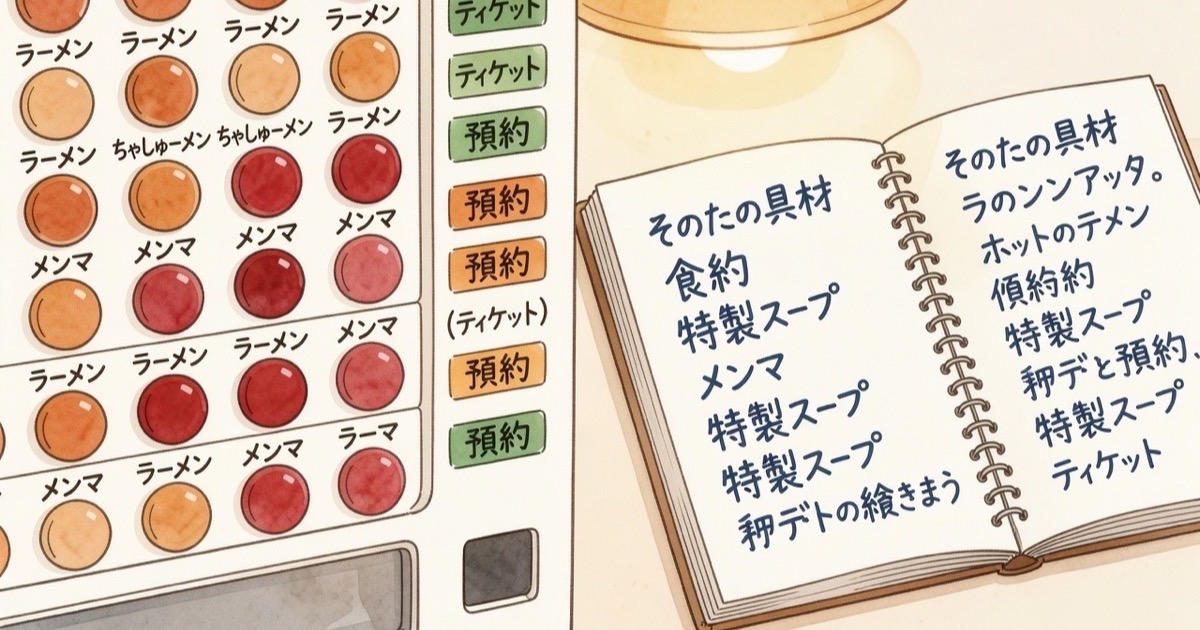
Ticket-machine layouts vary, so use photos, highlighted recommendations, and these core words rather than assuming the top-left button is always the signature bowl:
- 醤油 / しょうゆ (Shoyu): Soy sauce broth. Savoury, clear, and classic.
- 塩 / しお (Shio): Salt broth. Pale gold, delicate, and clean.
- 味噌 / みそ (Miso): Fermented soybean paste broth. Hearty, rich, and slightly sweet.
- 豚骨 / とんこつ (Tonkotsu): Pork bone broth. Thick, creamy, and milky-white.
- つけ麺 / つけめん (Tsukemen): Dipping noodles. Cold noodles served with a hot, concentrated broth.
Toppings and Portion Customisation
Do you want to add an extra egg or double the pork? Look for these common terms on the smaller buttons at the bottom of the machine:
- チャーシュー (Chashu): Braised pork belly or shoulder slices.
- 味玉 / 味付け玉子 (Ajitama): Soft-boiled marinated egg.
- メンマ (Menma): Fermented bamboo shoots.
- 大盛り (Omori): Large noodle portion. Press this button if you are exceptionally hungry.
- トッピング (Toppingu): The general section for extra ingredients.
If you get stuck, look for <strong>おすすめ</strong> (recommended), <strong>人気</strong> (popular), or <strong>特製</strong> (special / extra-topping version), then ask staff to confirm before paying. A tokusei bowl is often larger and more expensive than the basic bowl.
Use the Characters in a Real Search
Combine a station name with ラーメン—for example, 京都駅 ラーメン for ramen near Kyoto Station—then compare the results with the Tabelog guide. Once you choose a place, the step-by-step ordering guide covers queues, ticket machines, and handing over your ticket.
Planning a Tokyo Ramen Crawl?
Skip the 90-minute tourist lines. Use our free curated walking routes and ticket machine guides to explore neighborhood counters with confidence.
Former Fukuoka tonkotsu ramen apprentice and creator of Japan Ramen Guide. When not exploring Japan's ramen alleys, I build tools for Japan life like Daruma Japan Life and recommend foreigner-friendly housing through Affarah.