Tokyo Ramen Neighbourhoods: Where to Go and What Each Area Does Best
From Shinjuku's intense broth specialists to Ginza's refined tori paitan and Ikebukuro's creative new wave, here's how to navigate Tokyo's ramen map.
Tokyo has over 10,000 ramen shops. Knowing which neighbourhood to head to dramatically narrows the field and helps you match your mood to the right bowl. Here's a practical breakdown of where to go and what to expect.
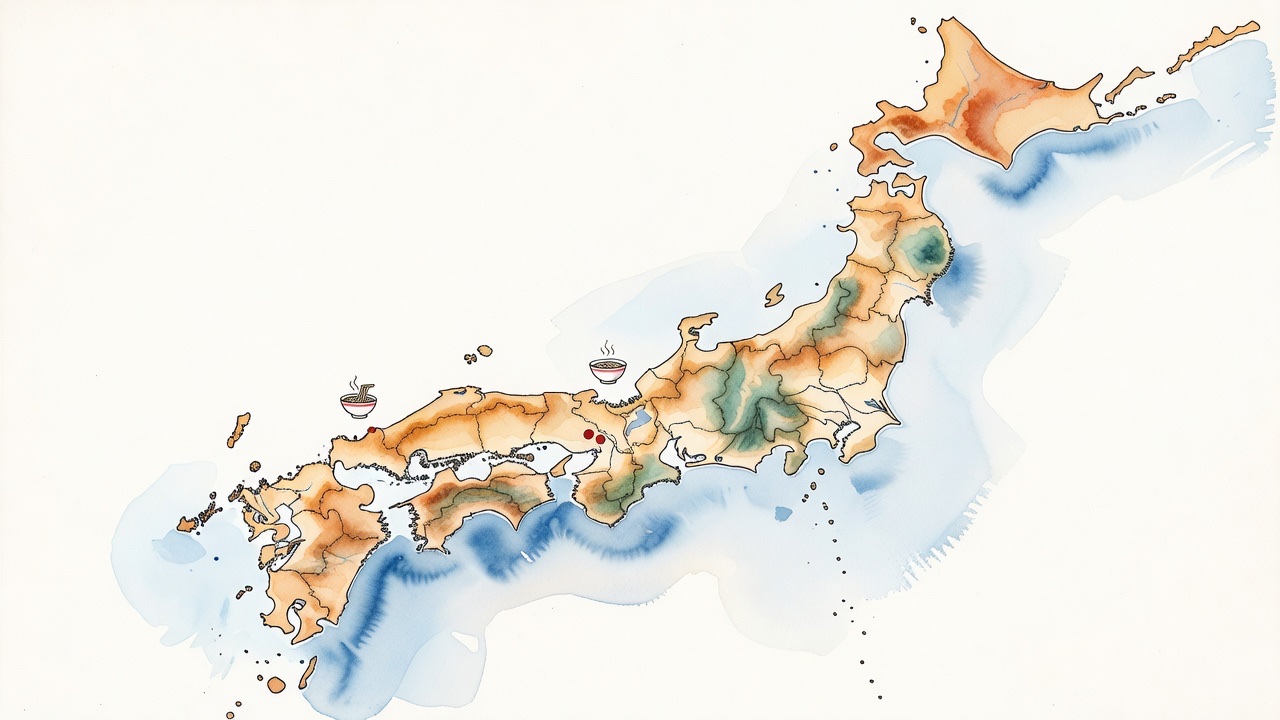
A tour of Tokyo's most popular ramen neighborhoods and top shop recommendations
Shinjuku — The Intensity Capital
Shinjuku has more ramen shops per square kilometre than almost anywhere in Tokyo. If you're planning your stay, booking a hotel in Shinjuku keeps you close to the late-night shops. The west side (Nishi Shinjuku) is home to some of the most technically accomplished bowls in the city. Expect complex, layered broths from chefs who've spent years refining a single recipe.
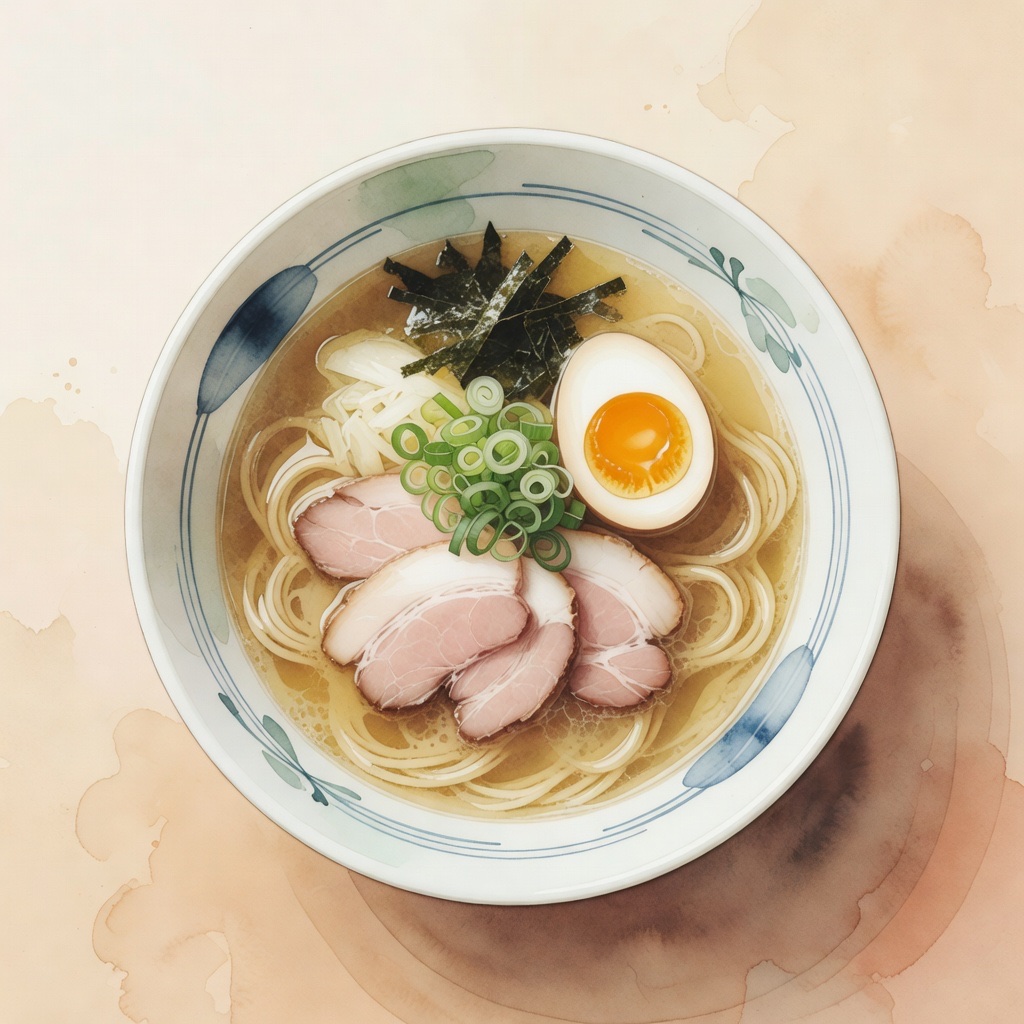
Raa Menya Shima in Nishi Shinjuku is rated among the top five shops in all of Tokyo — its shio ramen achieves a transparency of flavour that seems impossible for something so satisfying. Lunch only, closes when sold out. Konjiki Hototogisu near Shinjuku Gyoen has Michelin recognition for its shellfish-and-truffle broth — a genuinely extraordinary bowl.
Ginza — Refined and Upmarket
Ginza's ramen scene reflects the neighbourhood's character: precise, expensive by ramen standards, and aimed at diners who treat a bowl as seriously as a restaurant meal. This is where tori paitan (chicken broth) comes into its own.
Ginza Kagari pioneered the thick, silky tori paitan that's now copied across Japan. Ginza Hachigo offers a lighter alternative with an English-friendly menu — a rarity in this category.
Akihabara and Kanda — Tsukemen Country
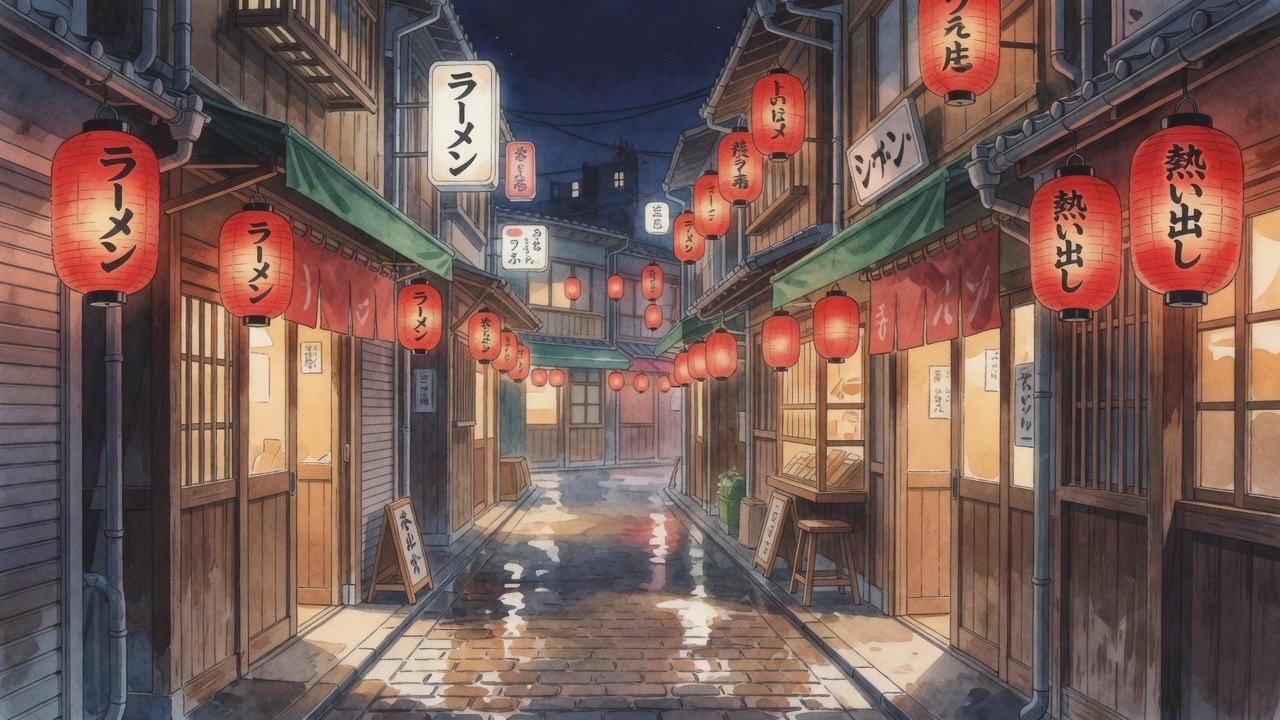
The area around Kanda and Akihabara has a strong tsukemen culture — the dipping-noodle format that lets you control the broth-to-noodle ratio with each bite. Shops here tend to be unpretentious, efficient, and very good. Rokurinsha at Tokyo Station is the most famous, though the queue can be long — arrive when it opens.
Roppongi — Late-Night and Tourist-Friendly
Roppongi is where you come when you want ramen at midnight after a long night out. The neighbourhood has several shops that stay open until 2–4 AM and are accustomed to non-Japanese customers. Quality varies widely, but there are genuine gems among them. Iruka Tokyo in Roppongi is a cut above the late-night average.
Ikebukuro — The New Wave
Ikebukuro has become a testing ground for experimental ramen styles: seafood-forward dashi broths, vegetarian options, fusion styles that use French or Italian techniques. It's where young chefs open their first shops. The neighbourhood rewards exploration — some of the best discoveries here have no online presence at all.
Asakusa — Traditional Tokyo Style
Asakusa preserves old Tokyo (shitamachi) character and its ramen tends toward the classic: clear shoyu broths, thin straight noodles, straightforward execution. If you want to understand what ramen tasted like before it became an international obsession, Asakusa is the place.
Browse ranked shops in Tokyo
Mapped list with ratings, stations, and tourist-friendly filters.
Best ramen in TokyoTokyo ramen planning
Explore Tokyo by neighborhood and trip style
Open the full Tokyo guidePlanning a Tokyo Ramen Crawl?
Skip the 90-minute tourist lines. Use our free curated walking routes and ticket machine guides to explore neighborhood counters with confidence.
Former Fukuoka tonkotsu ramen apprentice and creator of Japan Ramen Guide. When not exploring Japan's ramen alleys, I build tools for Japan life like Daruma Japan Life and recommend foreigner-friendly housing through Affarah.