Tokyo vs Osaka vs Fukuoka: What to Order in Each City
Comparing Japan's top three ramen cities. Discover the distinct styles, broth profiles, and what you should order for your first bowl in Tokyo, Osaka, and Fukuoka.
Tokyo, Osaka, and Fukuoka form the most travelled triangle in Japan. Each city is a ramen destination in its own right, but with entirely different characters. Eating ramen in all three gives you a genuine cross-section of what the dish can be.
Tokyo — The Shoyu Capital and Birthplace of Modern Ramen
Tokyo's ramen identity is shoyu (soy sauce) based — the original style that arrived from China in the early 20th century and was reinvented by Japanese cooks into something wholly new. The broth is typically clear to amber, built on chicken or pork, and seasoned with soy sauce tare. It's nuanced, relatively light for ramen, and rewards careful attention.
Tokyo is also the city where ramen became a form of culinary expression — where chefs like those at Tsuta or Raa Menya Shima push technical boundaries. Innovation is constant. Every neighbourhood has its own character, and the competition for the best bowl is fierce.
- Signature style: Shoyu (soy sauce broth), Tokyo-style tori paitan
- Noodle type: Thin, straight or slightly wavy
- Price range: ¥1,000–1,800 for quality shops
- When to go: Year-round — great ramen any time
- Don't miss: Tsukemen at Rokurinsha, tori paitan at Ginza Kagari
Osaka — Kansai Style and the Lighter Tradition
Osaka's ramen identity is less defined than Tokyo's or Fukuoka's — the city is more famous for takoyaki, okonomiyaki, and kushikatsu — but its ramen scene is excellent. Osaka tends toward lighter, dashi-forward broths that reflect Kansai's broader cooking philosophy: prioritise ingredient flavour over heavy seasoning.
The city also imports well — Fukuoka tonkotsu shops and Sapporo miso specialists all have Osaka outposts. Alongside these, Kyoto's kotteri (thick) chicken broth style bleeds across into some Osaka shops, resulting in a surprisingly varied ramen scene for a city not traditionally defined by it.
- Signature style: No single dominant style — varied and import-driven
- Noodle type: Varies widely by shop
- Price range: ¥900–1,500
- When to go: Best combined with a broader Kansai food tour
- Don't miss: Small local shops away from the Dotonbori tourist strip

Fukuoka — Tonkotsu's Spiritual Home
If ramen is Japan's soul food, tonkotsu is Fukuoka's. The thick, white, collagen-rich broth made from pork bones boiled for many hours defines the city's food identity in a way that no other ramen style defines any other city. Fukuoka's version — Hakata-style — uses thin straight noodles, minimal toppings, and maximum broth intensity.
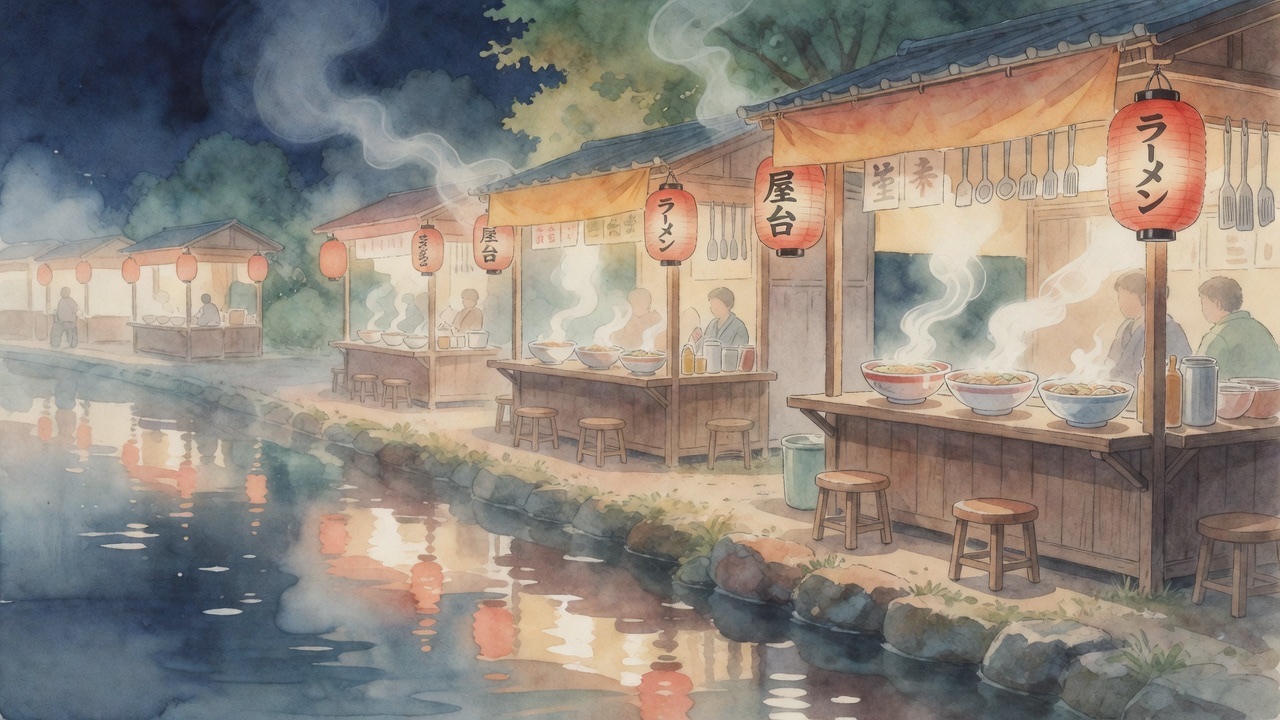
What makes Fukuoka special isn't just the ramen — it's the yatai culture. Outdoor food stalls along the Nakasu river and in Tenjin operate through the night, serving bowls from around ¥650. Eating here — shoulder-to-shoulder with strangers under canvas awnings at 1 AM — is an experience ramen shops anywhere else can't replicate. Our full Fukuoka guide covers where to go and what to expect.
- Signature style: Hakata-style tonkotsu — thin noodles, white pork bone broth
- Noodle type: Very thin, straight — specifically calibrated for tonkotsu
- Price range: ¥650–1,100 — the cheapest great ramen in Japan
- When to go: September to May (summer is extremely humid)
- Don't miss: Yatai stalls at night, kaedama (extra noodles into remaining broth)
Which City Should You Prioritise for Ramen?
If ramen is a primary motivation for your trip: Fukuoka. The combination of the lowest prices, the most distinctive style, and the yatai atmosphere is unmatched. If you're doing a standard Tokyo-Osaka itinerary: spend a focused morning or evening on ramen in Tokyo (the range is extraordinary) and use Osaka as a complement rather than a destination.
Browse ranked shops in Fukuoka
Mapped list with ratings, stations, and tourist-friendly filters.
Best ramen in FukuokaPlanning a Tokyo Ramen Crawl?
Skip the 90-minute tourist lines. Use our free curated walking routes and ticket machine guides to explore neighborhood counters with confidence.
Former Fukuoka tonkotsu ramen apprentice and creator of Japan Ramen Guide. When not exploring Japan's ramen alleys, I build tools for Japan life like Daruma Japan Life and recommend foreigner-friendly housing through Affarah.