Sapporo Ramen Guide: Miso, Butter Corn, and Why Hokkaido Does It Differently
Sapporo's miso ramen is one of Japan's great regional specialities — thick, warming, and uniquely tied to Hokkaido's cold climate and agricultural heritage. Here's everything you need to know.
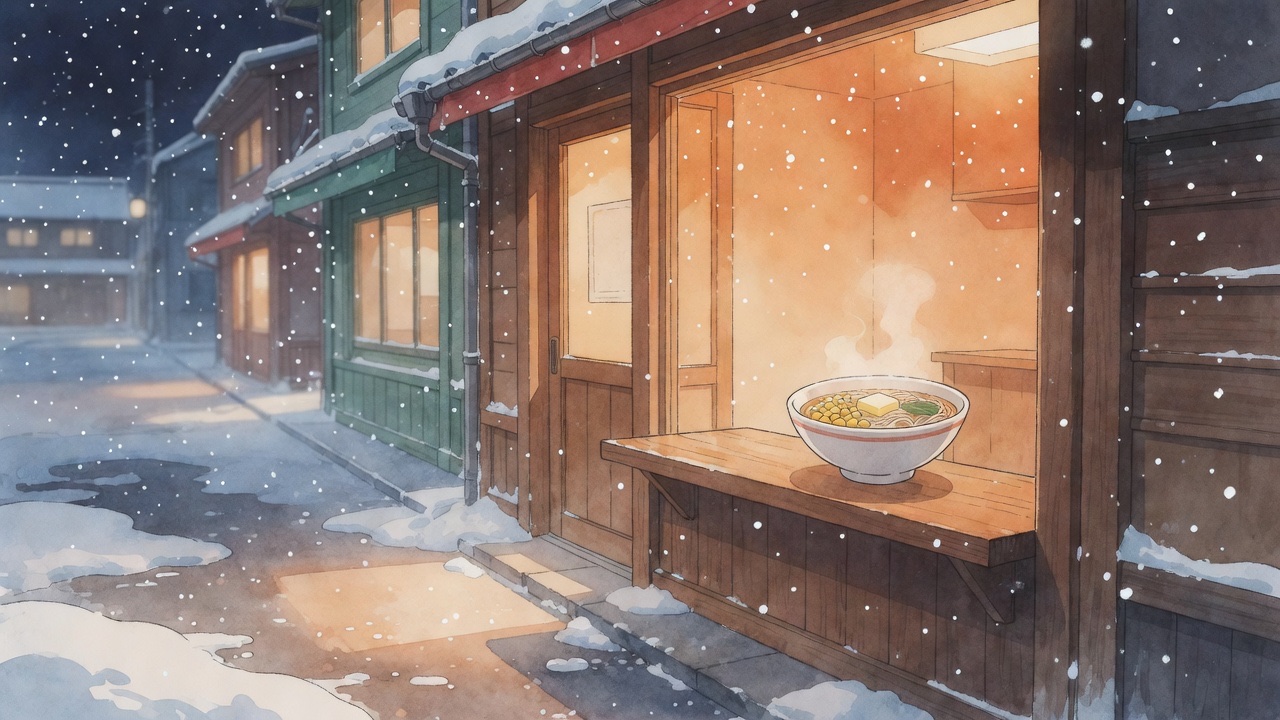
Sapporo is cold. In winter, temperatures drop to -15°C and snow buries the city. The ramen that emerged from this climate is the most warming bowl in Japan: thick, fermented miso broth, hand-pulled noodles, bean sprouts stir-fried in lard, sweet corn, and a pat of butter melting on top. It's the bowl that Hokkaido invented to survive its winters.
A culinary guide to Sapporo's miso ramen, butter-corn toppings, and famous Ramen Alleys
What Makes Sapporo Miso Ramen Unique
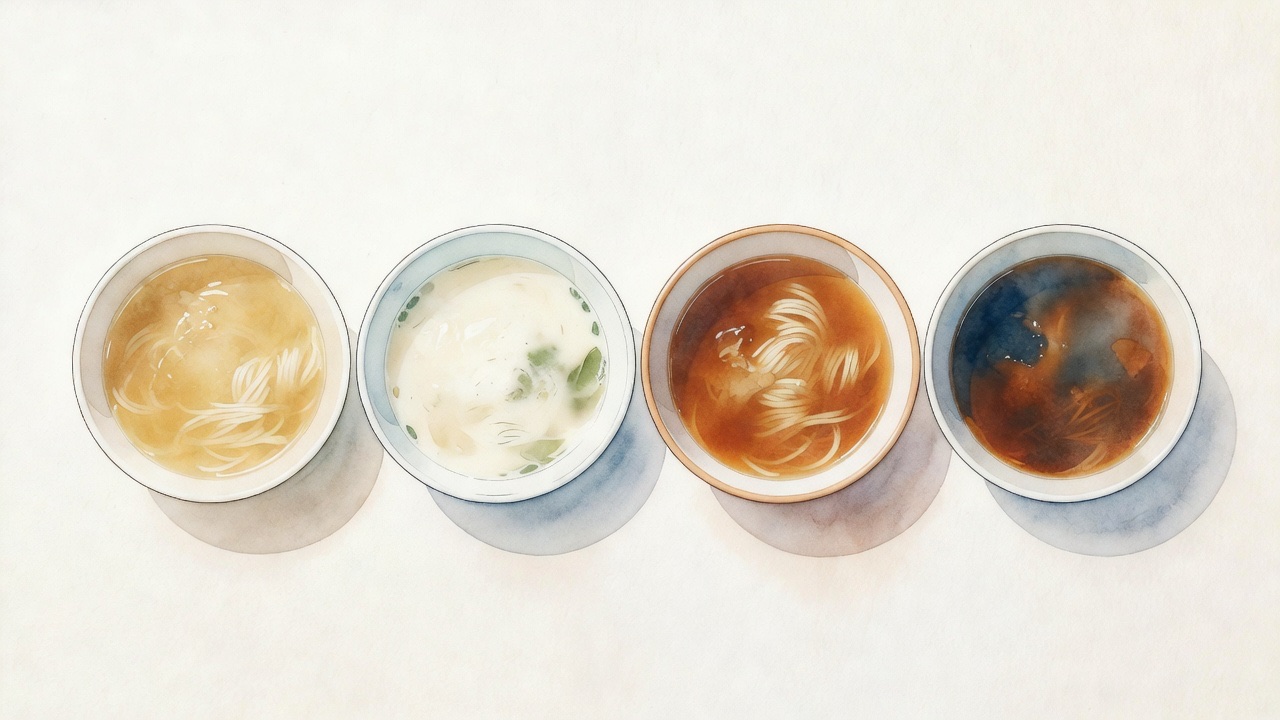
Sapporo miso ramen was developed in the late 1950s, when ramen stalls began adding miso paste — a cornerstone of Hokkaido cooking — to their broths. The result was distinctive in several ways: the broth is thicker and more complex than shoyu or shio, the noodles are typically thick and wavy (designed to hold the heavy broth), and the soup is finished with stir-fried vegetables rather than simply adding raw toppings to the bowl.
The Signature Toppings
- Corn (tomorokoshi): Sweet, golden, and ubiquitous — Hokkaido grows some of Japan's best corn.
- Butter: A small block placed on the surface, melting slowly as you eat and enriching the broth progressively.
- Moyashi (bean sprouts): Stir-fried in the wok before the bowl is assembled — they arrive warm and slightly smoky.
- Chashu pork: Often thicker-cut and richer than Tokyo versions to match the heavier broth.
- Green onions: Generous amounts, adding freshness to cut through the miso richness.
Ramen Alley (Susukino Ramen Yokocho)
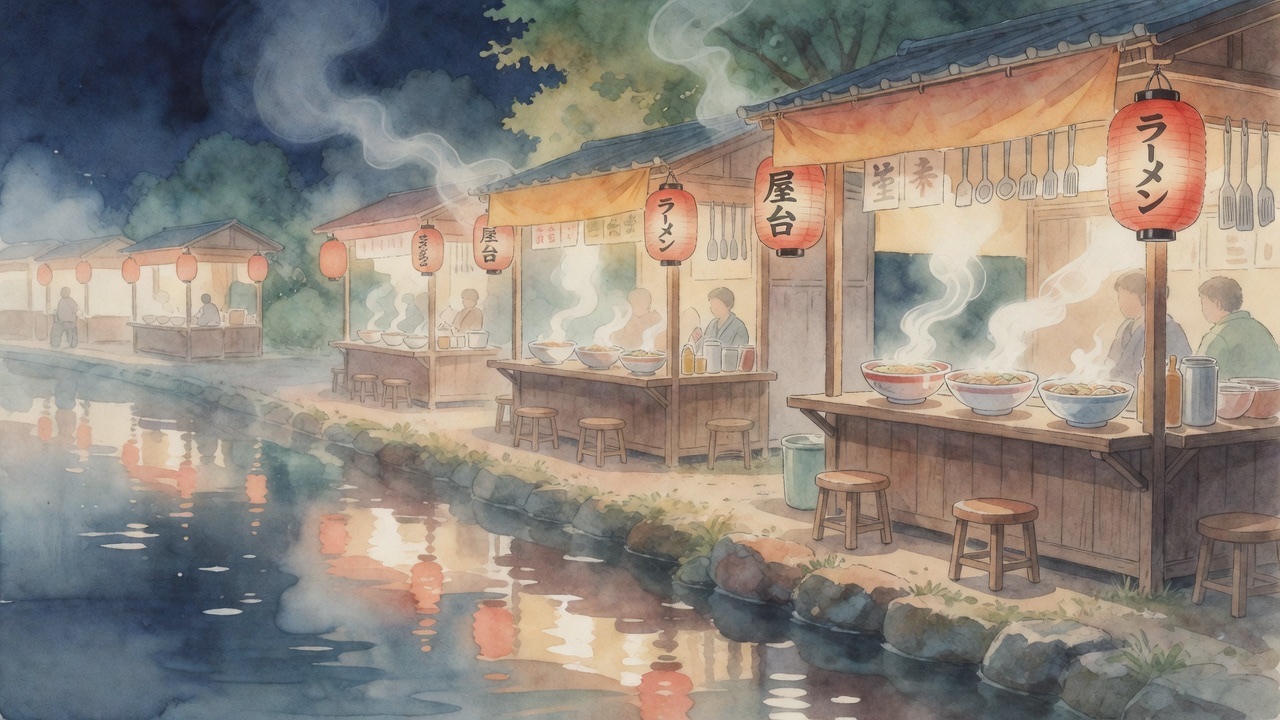
Sapporo's Ramen Alley (ラーメン横丁) is a narrow lane in the Susukino entertainment district, originally established in 1950 and home to 17 small ramen shops. Each shop seats around 10 people, menus are short, and the competition between neighbours keeps quality high. The atmosphere — neon-lit, slightly cramped, smelling of miso and pork fat — is wonderful.
Beyond Miso: Shio and Shoyu in Sapporo
Sapporo does excellent shio and shoyu ramen too, often using Hokkaido seafood — scallop, crab, and salmon — in the broth base. Seafood-forward ramen reflects the coast that lies 60 kilometres west of the city. If you're visiting in summer, a lighter shio bowl with hokkaido scallop dashi is a revelatory alternative to the rich miso standard.
When to Visit Sapporo for Ramen
Sapporo is famous for its Snow Festival in February, and the combination of -10°C weather with a steaming bowl of miso ramen is one of Japan's more elemental pleasures. But summer (June–August) is also excellent — the city empties of tourists, queues are shorter, and the corn-topped bowls are made with genuinely seasonal local produce.
Sapporo vs Tokyo vs Fukuoka: The Miso Advantage
Tokyo and Fukuoka both have excellent miso ramen, but it's always an import. In Sapporo, miso is the native style — every local shop has been refining its miso tare for decades. The depth you get from a Sapporo shop's fermented paste, aged and adjusted over years, is categorically different from a chain ramen shop's version anywhere else.
Browse ranked shops in Hokkaido
Mapped list with ratings, stations, and tourist-friendly filters.
Best ramen in HokkaidoPlanning a Tokyo Ramen Crawl?
Skip the 90-minute tourist lines. Use our free curated walking routes and ticket machine guides to explore neighborhood counters with confidence.
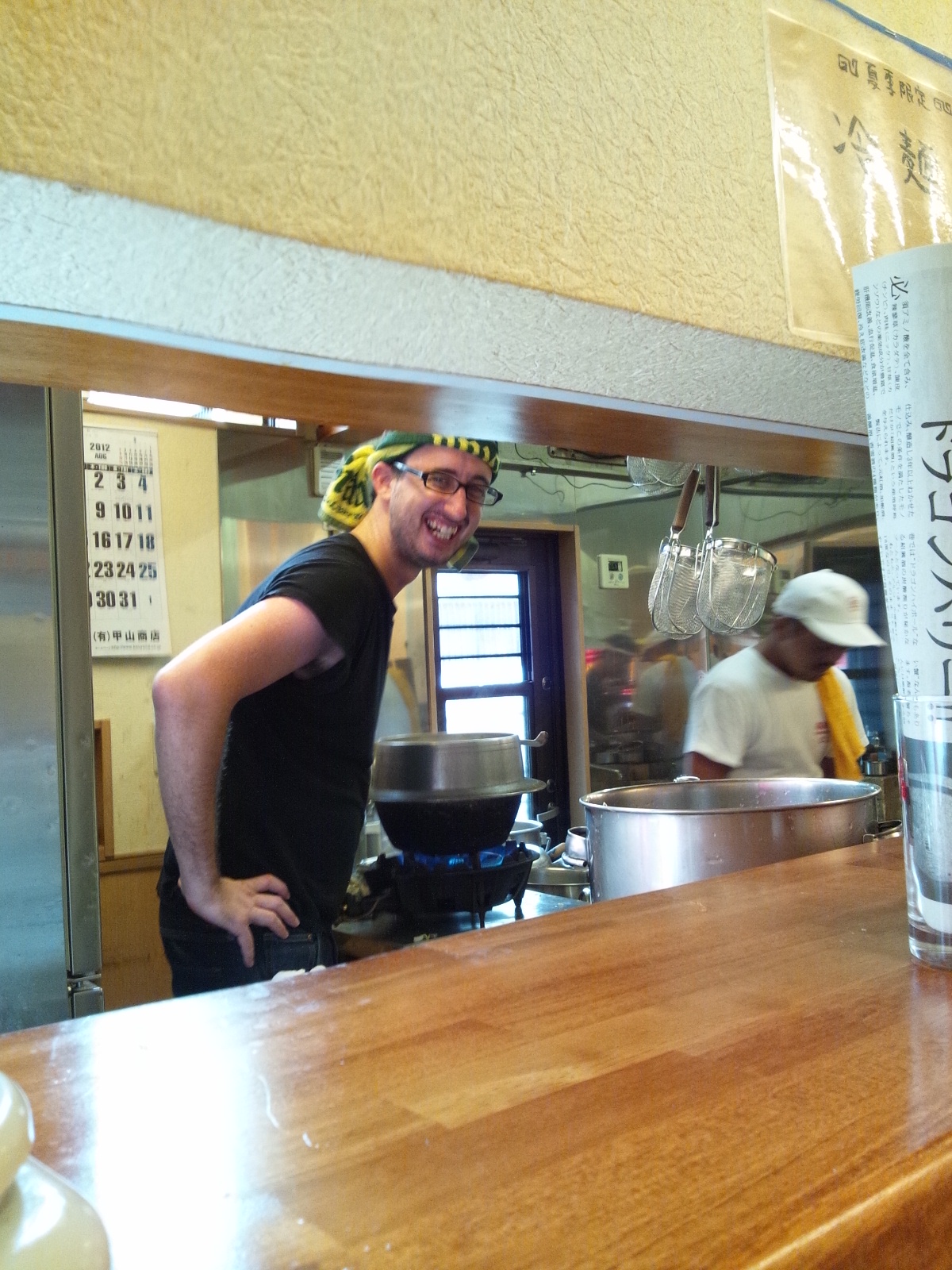
Former Fukuoka tonkotsu ramen apprentice and creator of Japan Ramen Guide. When not exploring Japan's ramen alleys, I build tools for Japan life like Daruma Japan Life and recommend foreigner-friendly housing through Affarah.