Why Ramen Tastes Better in Japan Than Anywhere Else in the World
You've had ramen in New York, London, Sydney. It was good. Then you had it in Tokyo and it was something else entirely. Here's the science and craft behind that gap.
The question comes up every time: you've eaten at respected ramen shops in your home city and they were genuinely good. Then you had your first bowl in Tokyo — at a counter shop in Shinjuku, or a tiny place near a station you'd never heard of — and it was something different. What is the gap, exactly? And why does it exist?
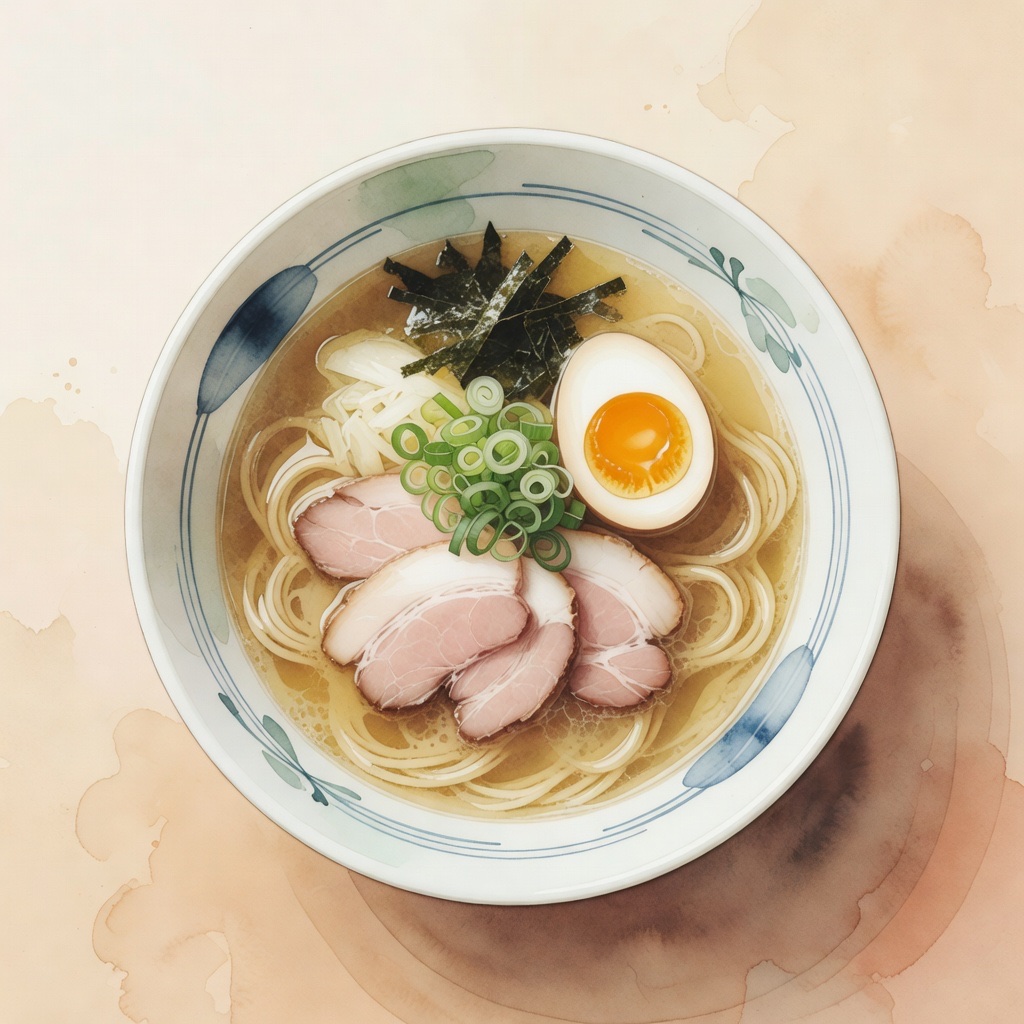
The science and craft behind why ramen tastes better in Japan
The Water Factor
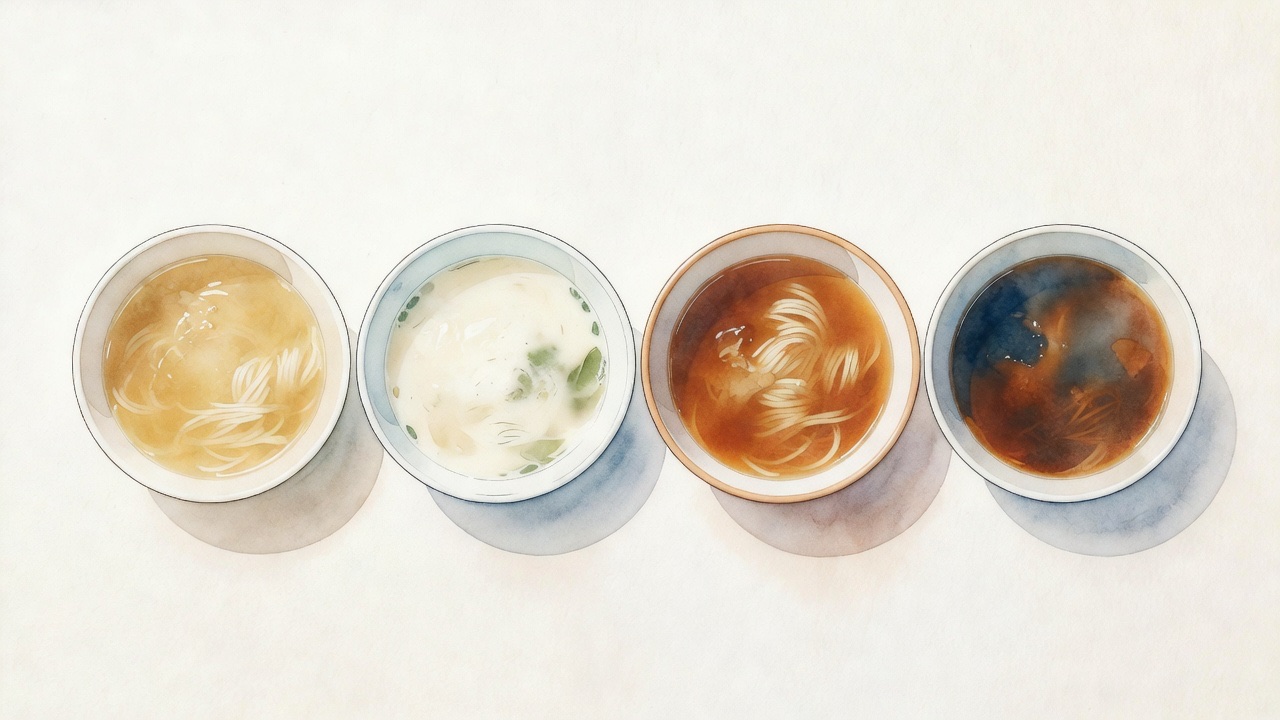
Tokyo's water is soft — low in calcium and magnesium, with a mineral content around 60mg/L compared to 200+ mg/L in London or 300+ mg/L in much of the US Midwest. Hard water suppresses umami perception and affects how dashi extracts from kombu and katsuobushi. Tokyo's soft water allows the full range of savoury flavours to emerge without mineral interference. Ramen broth made in Tokyo, with Tokyo water, tastes different from the identical recipe made in hard-water cities — and the difference is immediately apparent to trained palates.
The Obsession Economy
Japan has a culture of extreme craft applied to everyday things — from knife making to convenience store sandwiches. Ramen sits in this continuum. The chefs at shops like Homemade Ramen Muginawa or Raa Menya Shima spend years — sometimes their entire adult lives — refining a single bowl. A ramen chef in Japan is not making ramen because it's their job; they're making ramen because it's their discipline.
This creates an environment where mediocrity is systematically excluded. With 10,000 ramen shops in Tokyo, a shop that produces a merely adequate bowl doesn't survive. The competition forces a continuous upward pressure on quality that doesn't exist in markets where ramen is exotic and novel.
Ingredient Freshness and Proximity
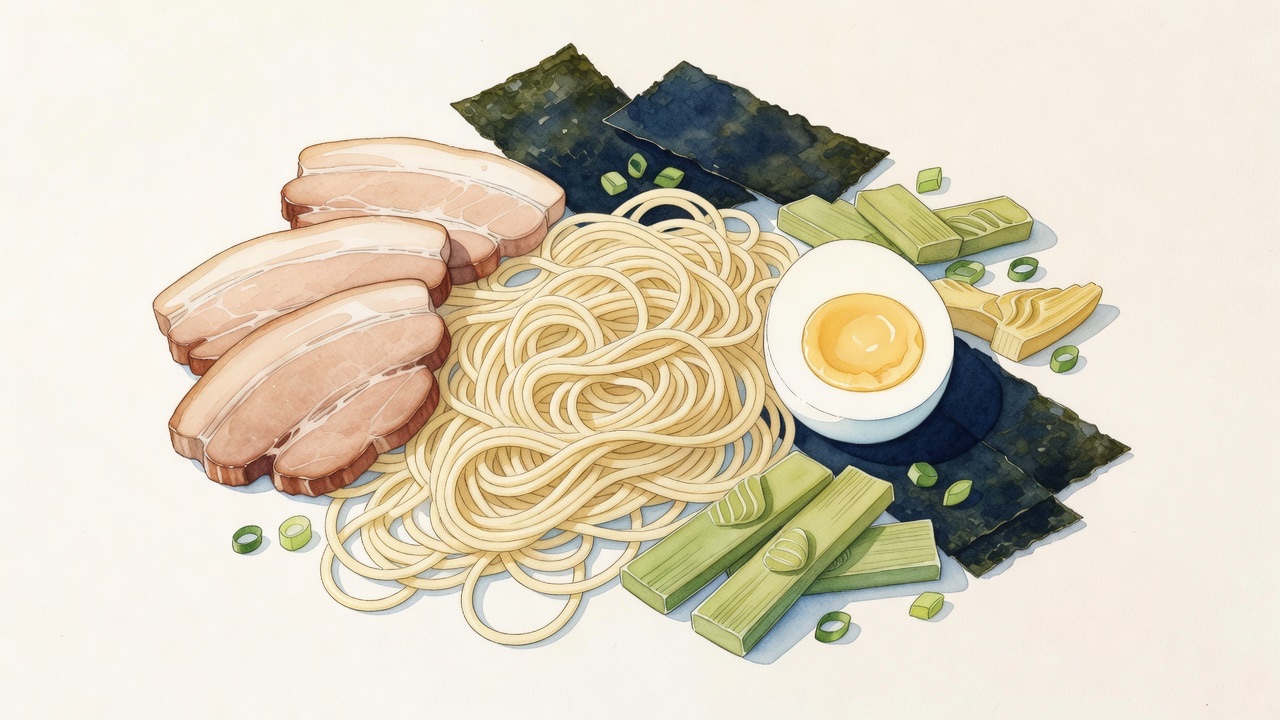
The noodles at most serious ramen shops in Japan are made that morning, or sourced daily from specialist noodle manufacturers who supply specific recipes to specific shops. The chashu is braised in-house on a regular cycle. The ajitama eggs are marinated in the shop's own tare for a specific number of hours. In overseas ramen shops — even excellent ones — supply chain constraints mean more pre-made, more frozen, more compromised.

The Broth: Time and Discipline
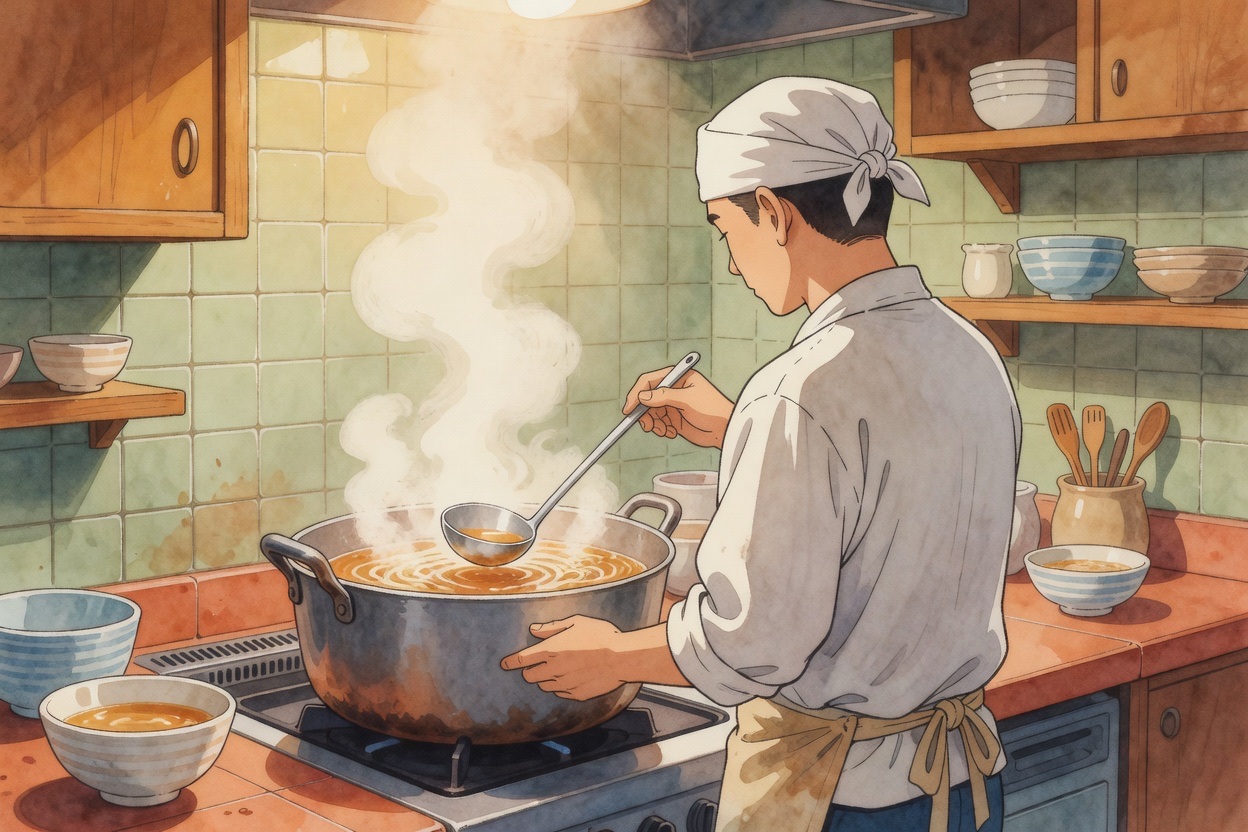
A tonkotsu broth requires 12–18 hours of continuous high-heat simmering. A complex dashi-based shoyu broth involves multiple extraction stages, each with precisely controlled temperatures. Most overseas ramen shops, constrained by labour costs and kitchen hours, compress these processes. The best shops in Japan don't. The broth you're drinking at NAKIRYU or Tsuta has been carefully tended for 18+ hours by someone who considers this their life's work.
The Cultural Context
This may be the most important factor and the hardest to quantify. Eating ramen in Japan comes with context that changes the experience: the ritual of the queue, the counter seating, the sound and smell of the kitchen three feet away, the silence of other diners focused on their bowls. Japanese ramen etiquette shapes the environment in which you eat, and the environment shapes how food tastes. The same bowl in a loud, brightly lit room would taste objectively different.
Can You Replicate It?
Partially. The best overseas ramen shops increasingly import Japanese noodles, source local equivalents of Japanese ingredients, and train under Japanese masters. But the water is different, the competitive pressure is different, and the cultural surround is absent. The gap is closing — but it will never fully close, because some of what makes ramen in Japan exceptional is Japan itself.
The bowl that made you reconsider what ramen could be wasn't just better cooked. It was made in a specific place, by a specific person, with specific water, for a specific culture. That combination isn't reproducible elsewhere.
Planning a Tokyo Ramen Crawl?
Skip the 90-minute tourist lines. Use our free curated walking routes and ticket machine guides to explore neighborhood counters with confidence.
Former Fukuoka tonkotsu ramen apprentice and creator of Japan Ramen Guide. When not exploring Japan's ramen alleys, I build tools for Japan life like Daruma Japan Life and recommend foreigner-friendly housing through Affarah.