Best Ramen in Kyoto: From Station Classics to the Ichijoji Ramen District
Kyoto ramen is far heartier than its delicate kaiseki reputation suggests. Discover Kyoto Station's dawn queues, refined dashi broths, and the legendary Ichijoji ramen street.
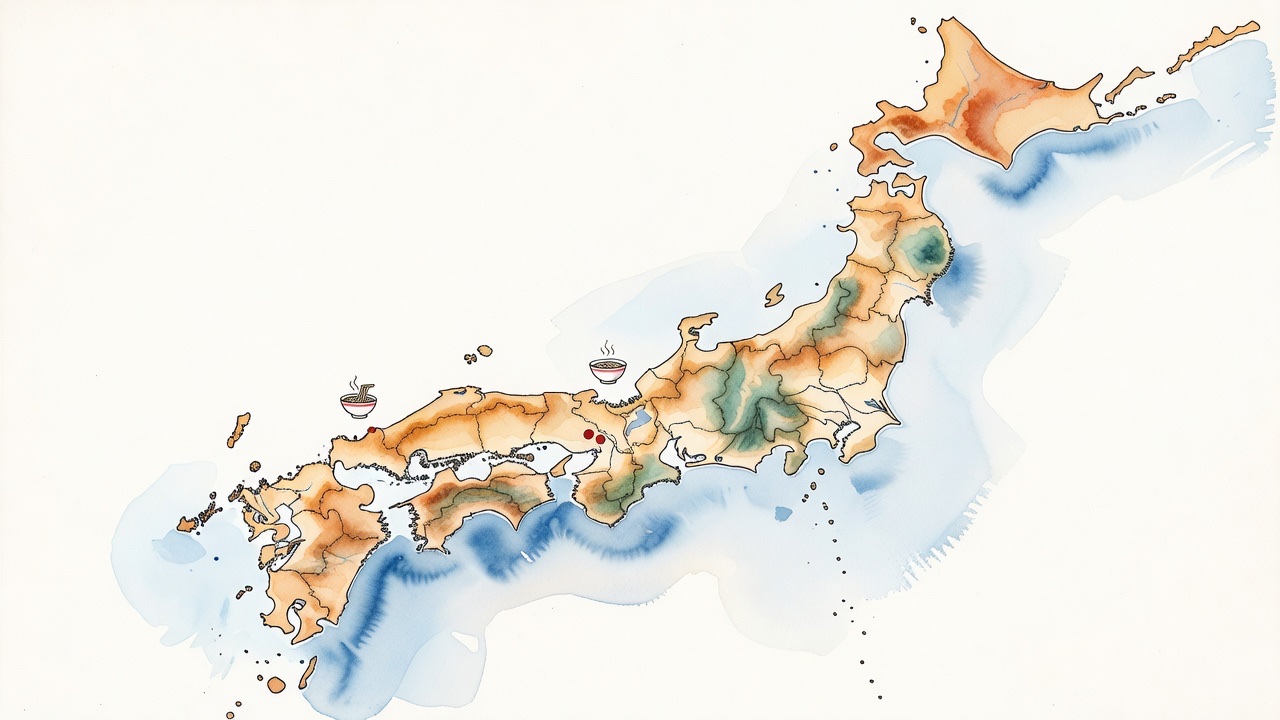
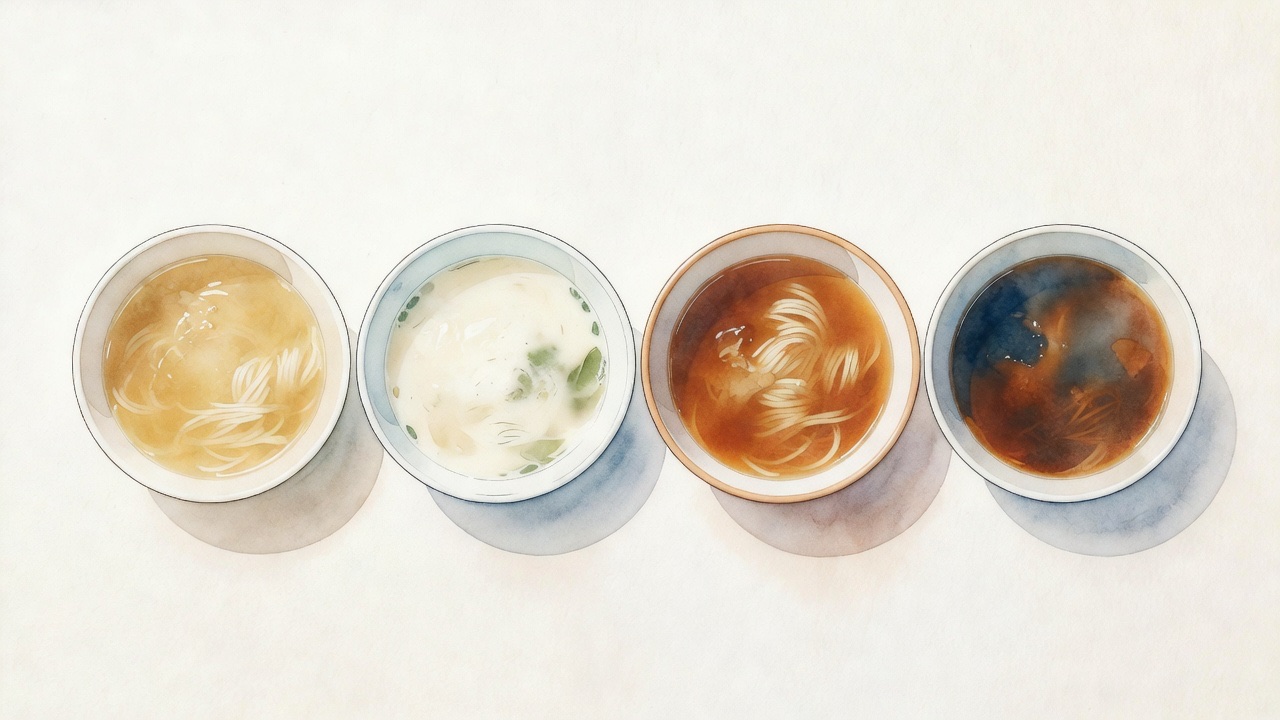
Visitors often assume Kyoto cuisine is strictly subtle, seasonal temple food (shojin ryori) and multicourse kaiseki. Kyoto's ramen tradition is the opposite: deeply savory, rich with rendered chicken collagen, layered with local pork back fat (*seabura*), and garnished with heaps of peppery Kyoto Kujo green onions (*Kujo negi*). Whether arriving by shinkansen at Kyoto Station or venturing to student-packed Ichijoji, the city's ramen scene is distinct from both Tokyo and neighboring Osaka.
Kyoto Ramen Shortlist
| Shop | Area / Station | Signature Style | Base Ticket | Hours |
|---|---|---|---|---|
| Honke Daiichi Asahi | Kyoto Station (5 min) | Clear Dark Pork Shoyu & Kujo Negi | ¥900 | 5:00 AM – 2:00 AM (Closed Thu) |
| Menya Inoichi | Kawaramachi (5 min) | Michelin Seafood Dashi Shoyu | ¥1,300 | 11:00–14:30 / 17:30–21:00 |
| Kaidashi Men Kitada | Kyoto Station (4 min) | Hamaguri Clam & Shellfish Dashi | ¥950 | 7:00 AM – 22:00 PM |
| Menya Inoichi Hanare | Shijo (4 min) | White Soy Dashi & Sliced Beef | ¥1,350 | 11:00–14:30 / 17:30–21:00 |
| Ramen Sen no Kaze | Shijo Kawaramachi (2 min) | Pork & Seafood Chintan Shio | ¥1,050 | 11:30–16:00 / 17:00–21:30 |
1. Kyoto Station: Dawn Bowls & Historic Rivalries
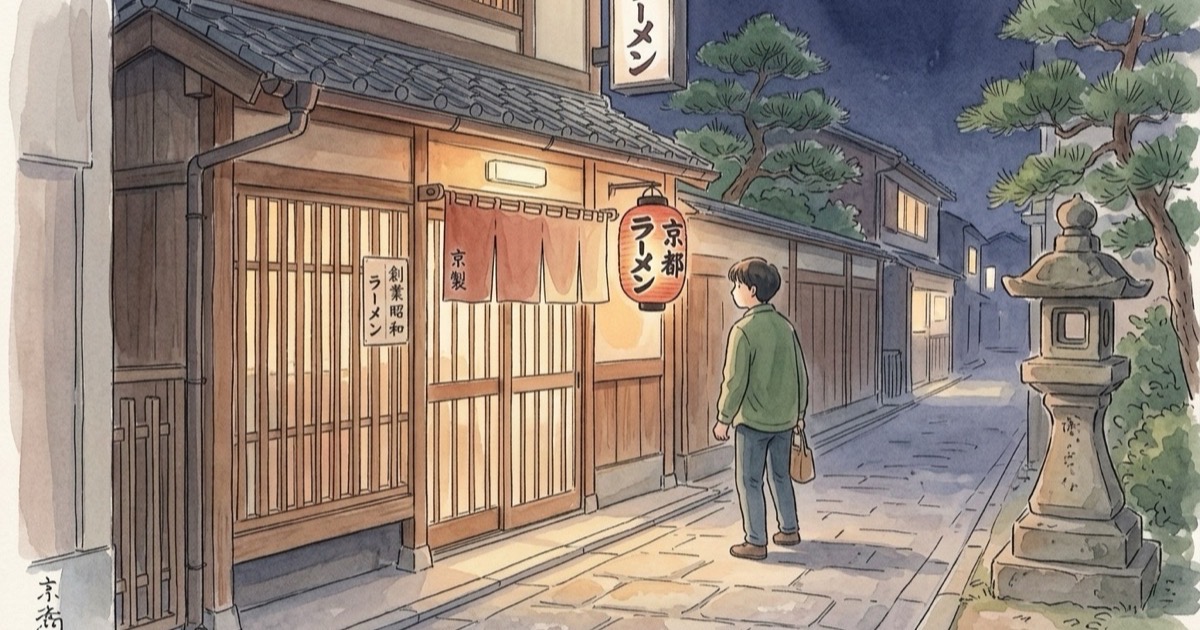
Five minutes east of Kyoto Station's Central Exit sits Kyoto's most historic noodle rivalry. Honke Daiichi Asahi has operated since 1953, opening at 5:00 AM. Their broth is brewed solely from female Japanese pig bones, producing a clean, dark amber soy broth topped with heaps of sweet, thinly shaved Kujo green scallions and sliced pork chashu. Queues form as early as 5:30 AM with early-shift workers and travelers arriving off overnight night trains.
For morning travelers craving seafood rather than pork, Kaidashi Men Kitada opens at 7:00 AM nearby, serving bowls infused with Hamaguri clam, oyster, and scallop reduction topped with soft bamboo shoots.
2. Downtown Kawaramachi & Gion: Refined Dashi Mastery
The traditional shopping corridors of Shijo-Kawaramachi host Kyoto's most refined, Michelin-recognized establishments. Menya Inoichi strips away heavy animal fats, engineering an exceptionally clear soup built on seven varieties of dried fish dashi and aged Makurazaki bonito shavings. Bowls are finished with tender sous-vide pork or Kuroge wagyu beef, served with house-made yuzu pepper (*yuzu kosho*).
Its sister shop, Menya Inoichi Hanare, focuses on white soy sauce (*shiro shoyu*) and pork gyoza. Both shops operate strict ticketing boards during peak tourist seasons—stop by at 10:30 AM to collect a numbered return slip.
3. Ichijoji: The Student Ramen Battleground
Located in Sakyo Ward along the Eizan Railway line, the neighborhood of Ichijoji is famous across western Japan as 'Ramen Street' (Ramen Gekisen-ku). Over twenty competing ramen shops crowd a 500-meter stretch of Higashioji-dori, fueled by nearby Kyoto University students. The prevailing style here is heavy: viscous chicken potage at Menya Gokkei (where broth is thick enough to suspend a spoon upright) and fatty tonkotsu seabura at Tentenyu.
Frequently asked questions
What time should I queue for Honke Daiichi Asahi at Kyoto Station?
Arriving before 6:30 AM or between 2:30 PM and 4:30 PM guarantees the shortest wait (10 to 20 minutes). Lunch and dinner queues regularly exceed 60 to 80 minutes.
What makes Kyoto ramen different from Tokyo ramen?
While Tokyo ramen relies heavily on chicken carcasses and dried niboshi sardines with soy tare, classic Kyoto ramen leans heavily into pork bone broth emulsified with pork back fat (seabura) and piled high with local Kujo scallions.
Are there good vegetarian or vegan ramen options in Kyoto?
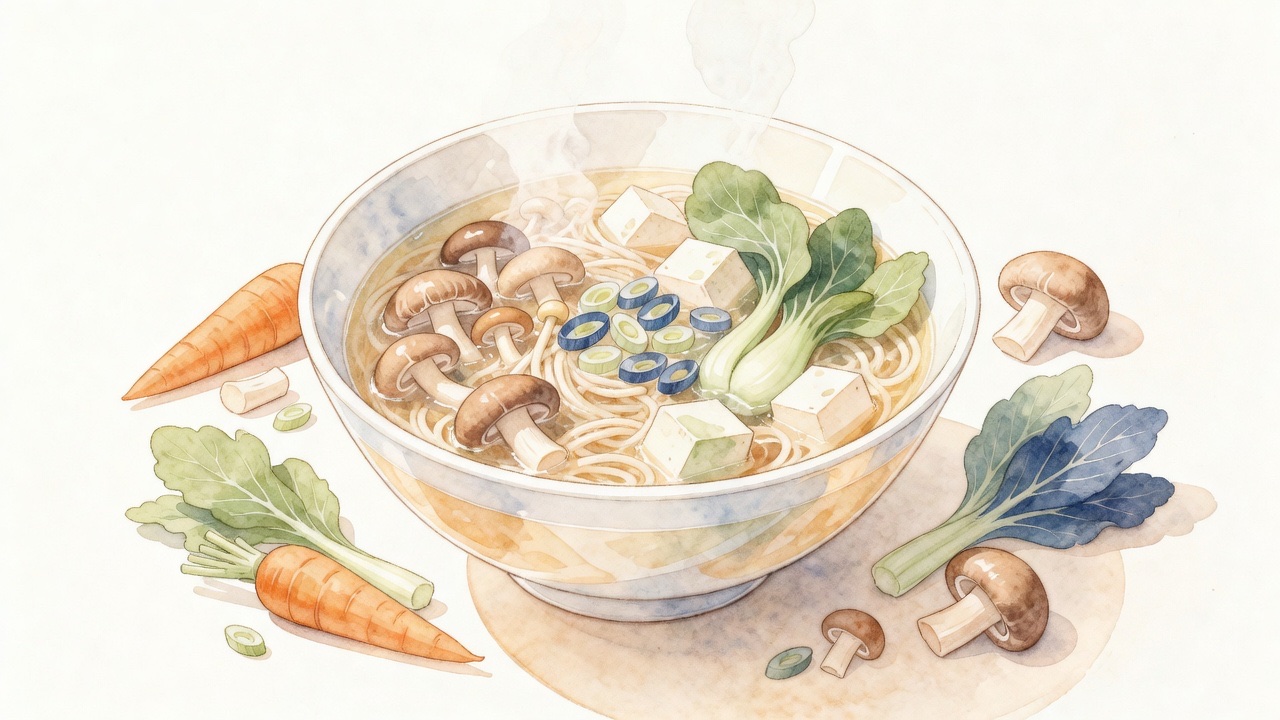
Yes. Vegan Ramen UZU KYOTO (Shop #550) in Kawaramachi is a dedicated teamLab plant-based venue serving dashi brewed from Rausu kombu and dried shiitake.
Browse ranked shops in Kyoto
Mapped list with ratings, stations, and tourist-friendly filters.
Best ramen in KyotoPlanning a Tokyo Ramen Crawl?
Skip the 90-minute tourist lines. Use our free curated walking routes and ticket machine guides to explore neighborhood counters with confidence.
Former Fukuoka tonkotsu ramen apprentice and creator of Japan Ramen Guide. When not exploring Japan's ramen alleys, I build tools for Japan life like Daruma Japan Life and recommend foreigner-friendly housing through Affarah.