Hakodate Shio Ramen: Hokkaido's Clear, Delicate Third Style
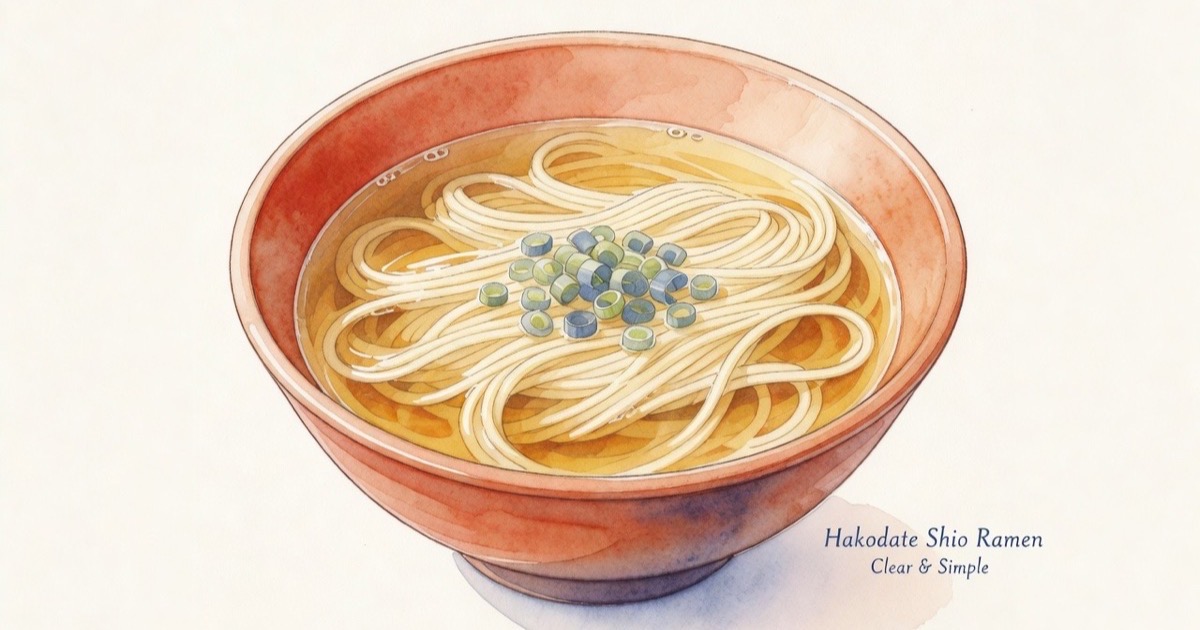
Hakodate shio ramen is a historic, crystal-clear noodle soup distinguished by its delicate, salt-seasoned broth and clean flavour profile. Discover its history and where to eat it.
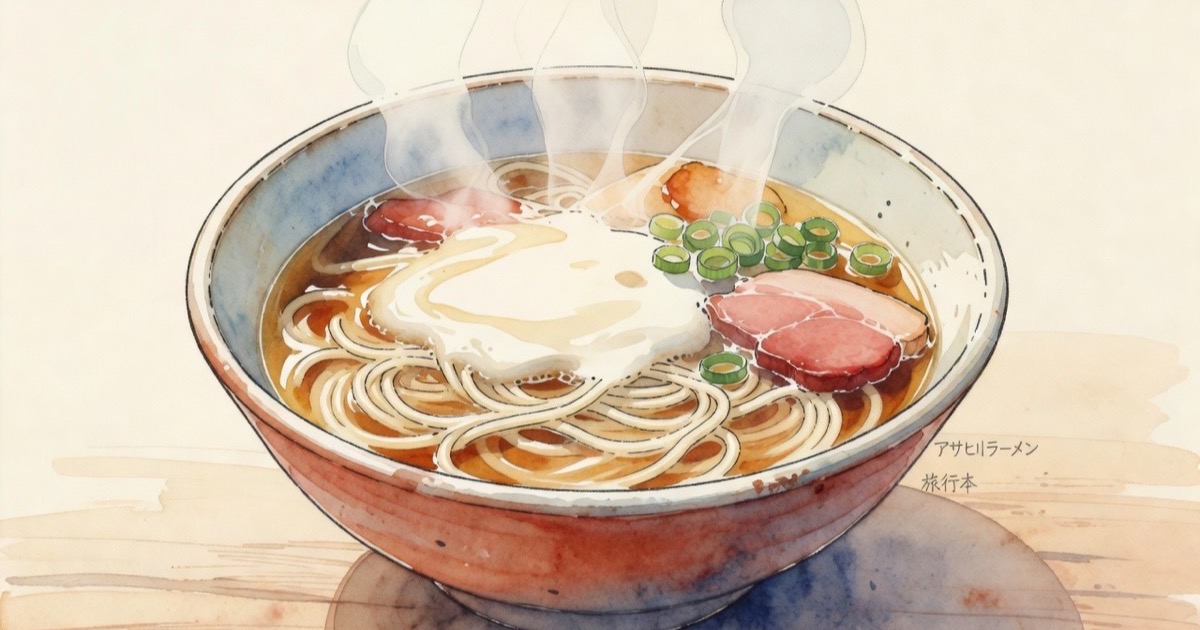
Hakodate shio ramen is a historic, crystal-clear noodle soup distinguished by its delicate, salt-seasoned broth and clean flavour profile. As Hokkaido's oldest ramen style, it traces its roots back to the mid-19th century when Hakodate opened as an international port, introducing Chinese noodle techniques that were adapted into a light, elegant chicken-and-kelp stock.
The Port City Origins of Japan's Shio Ramen
In 1854, the Treaty of Kanagawa opened the port of Hakodate to international trade, attracting merchants from China and the West. These Chinese immigrants brought with them a traditional salt-flavoured noodle soup known as *la-mian*. Local chefs adapted this dish to Japanese palates, making Hakodate the historical birthplace of salt-based (shio) ramen in Japan.
Chinese Culinary Influence
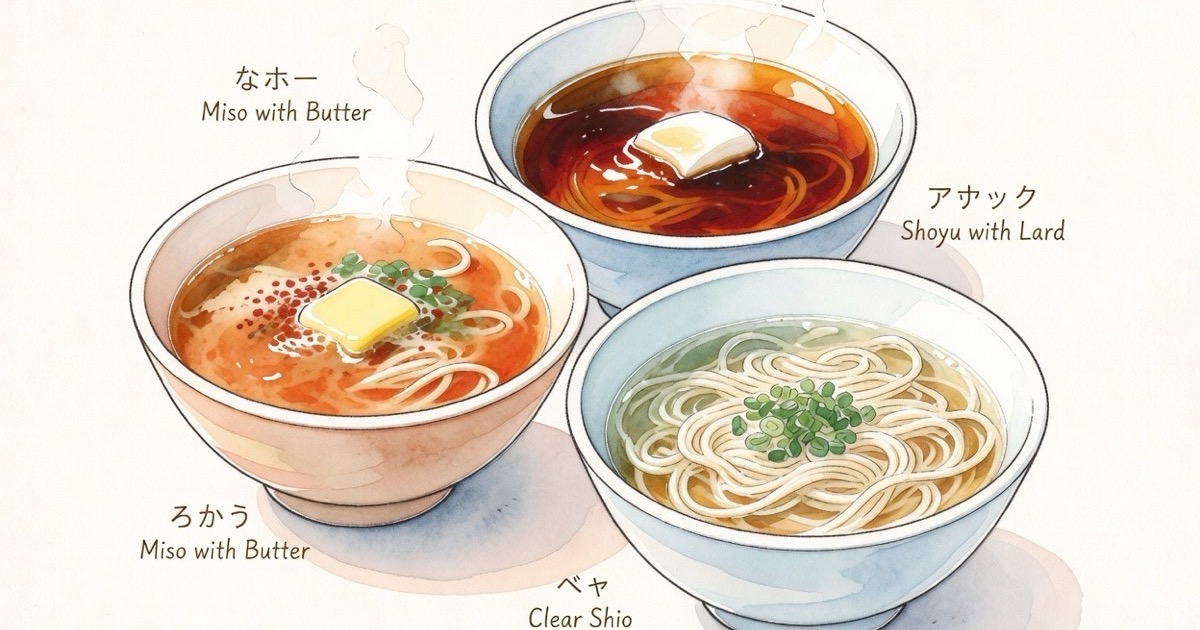
The clear appearance and delicate seasoning of Hakodate shio ramen are direct inheritances from Chinese cooking. Unlike the emulsified, heavy broths found in Kyushu or the fat-laden soups of northern Hokkaido, Hakodate style focuses on transparency, light body, and clean aromatics.
The Essence of the Broth: Clear, Chicken-Led, and Sea-Kissed
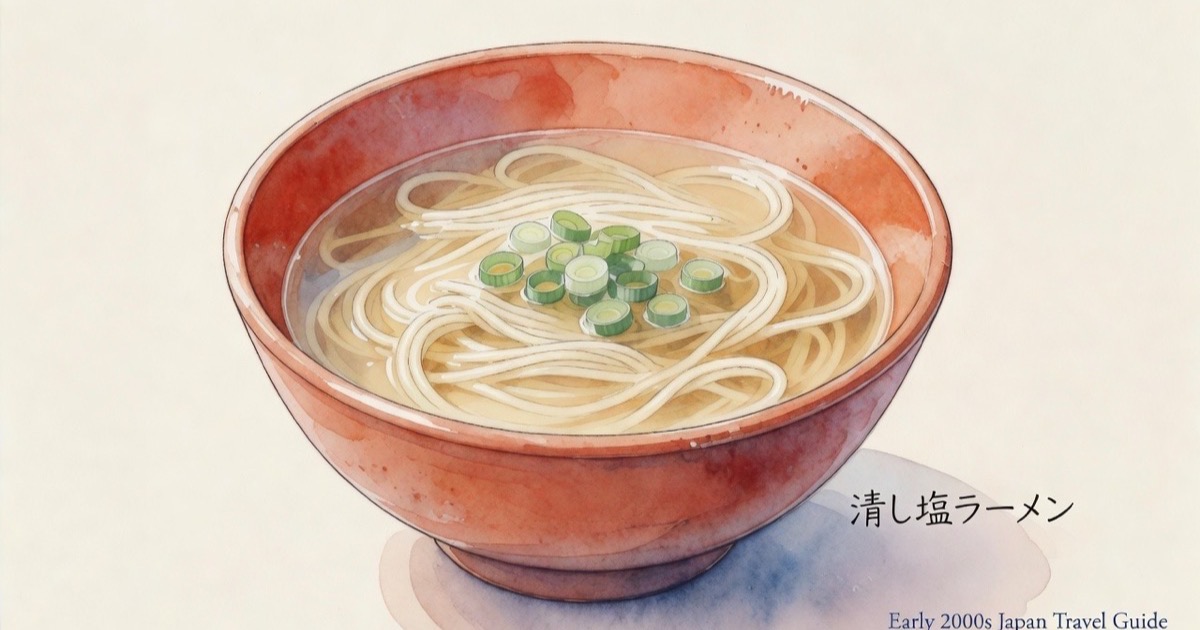
A great bowl of Hakodate shio ramen should be transparent enough that you can see the bottom of the bowl through the soup. To achieve this clarity, chefs simmer chicken carcasses and a small amount of pork bones very gently over a low flame, ensuring the fat does not emulsify into the liquid.
- Chicken Stock Base — Provides a gentle, savoury sweetness and light body.
- Local Kombu (Kelp) — Sourced from Hokkaido's coastal waters, adding rich natural glutamates and ocean salinity.
- Straight, Medium-Thin Noodles — Chosen for their smooth texture and clean bite, sliding easily through the delicate soup.
- Simple Toppings — Classic garnishes like chashu pork, bamboo shoots (menma), and fresh green spring onions, allowing the broth to remain the hero.
How to Enjoy Hakodate Shio Ramen
Because the broth is so clean and delicate, it is highly sensitive to adjustments. First-timers should avoid adding heavy condiments like chilli oil or minced garlic immediately, as these will overwhelm the delicate balance of chicken and kelp.
Finding the Best Shio Ramen in Hakodate
From the old town district of Motomachi to the bustling morning market area, Hakodate is filled with traditional ramen stalls. You can explore our mapped directory of the absolute best spots on the Best Ramen in Hakodate page.
Frequently Asked Questions
Why is Hakodate ramen so clear?
The broth is simmered at a very low heat without boiling, preventing the meat fats and marrow from emulsifying and clouding the soup.
Does Hakodate shio ramen contain seafood?
Yes, most shops incorporate local Hokkaido kelp (kombu) and dried seafood into the stock to add depth and natural umami.
Browse ranked shops in Hokkaido
Mapped list with ratings, stations, and tourist-friendly filters.
Best ramen in HokkaidoPlanning a Tokyo Ramen Crawl?
Skip the 90-minute tourist lines. Use our free curated walking routes and ticket machine guides to explore neighborhood counters with confidence.
Former Fukuoka tonkotsu ramen apprentice and creator of Japan Ramen Guide. When not exploring Japan's ramen alleys, I build tools for Japan life like Daruma Japan Life and recommend foreigner-friendly housing through Affarah.