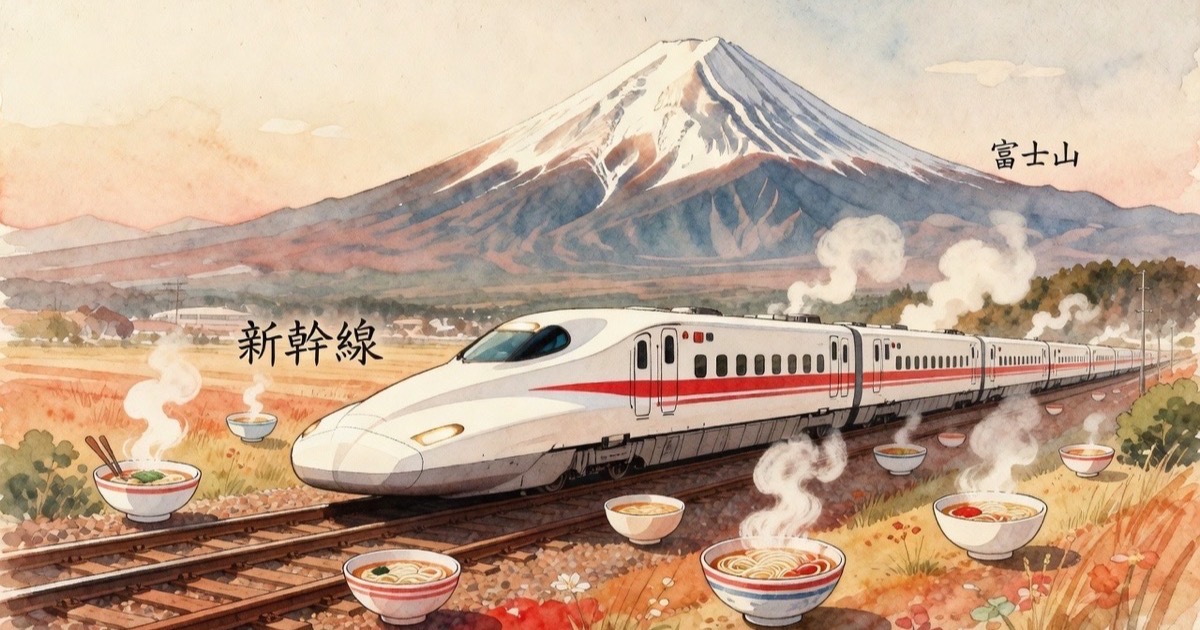
The 7-Day Japan Ramen Road Trip: Tokyo to Fukuoka by Rail
Embark on the ultimate rail-bound pilgrimage across Japan's main island. From Tokyo's refined bowls to Yokohama's heavy-hitting Iekei, Nagoya's spicy Taiwan ramen, Osaka's craft scene, and Fukuoka's legendary tonkotsu, here is your day-by-day train itinerary.
Japan's rail network is the perfect vessel for a culinary adventure. By pairing the speed of the Shinkansen (bullet train) with the country's diverse regional food cultures, you can travel from the high-tech streets of Tokyo to the warm, coastal yatai stalls of Fukuoka in one week, eating a completely different style of ramen every single day. This 7-day rail itinerary maps out the route, the regional specialities, and the best neighbourhoods to explore along the way.
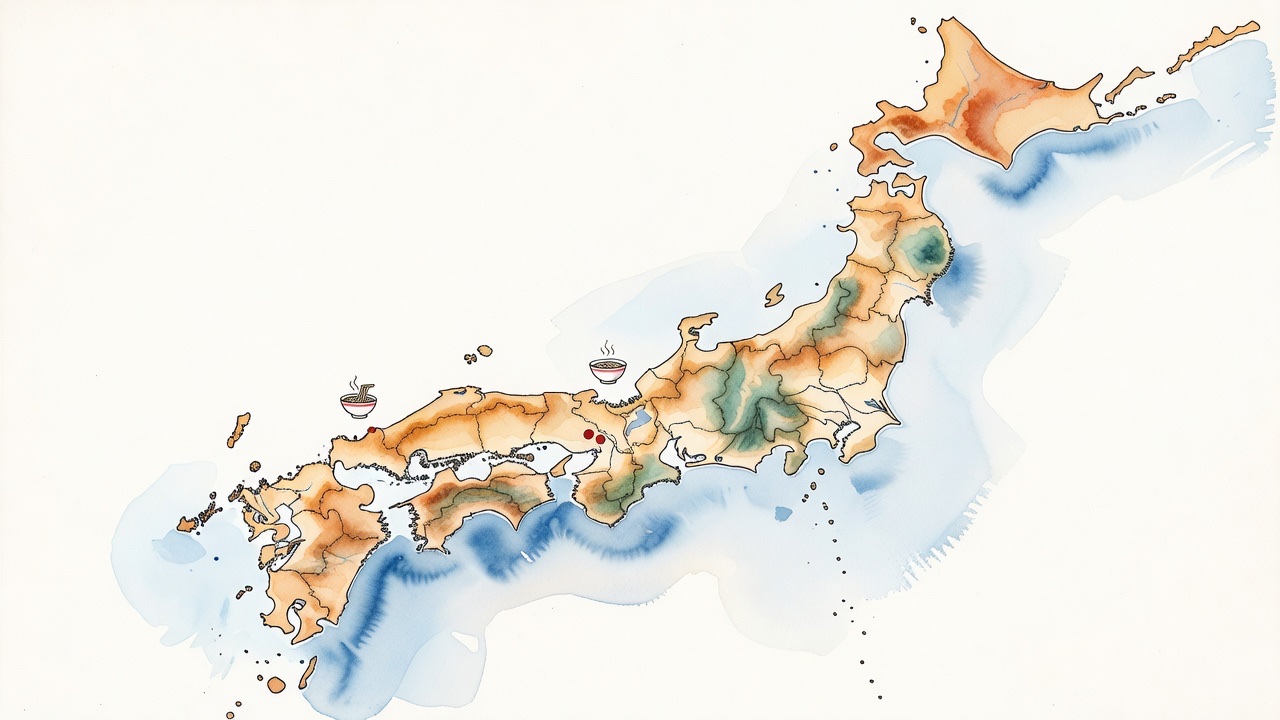
The Day-by-Day Rail Route
- Day 1: Tokyo — Begin with a classic Tokyo shoyu or modern craft bowl in the city's central wards.
- Day 2: Yokohama — Hop on the local train south to experience the salty, fatty Iekei style.
- Day 3: Nagoya — Travel west to try the fiery, garlic-laden Taiwan Ramen.
- Day 4: Kyoto — Discover Kyoto's unexpectedly dark and rich shoyu broths.
- Day 5: Osaka — Dive into Kansai's creative, seafood-forward craft ramen scene.
- Day 6 & 7: Fukuoka — Finish at the spiritual home of rich, creamy tonkotsu ramen.
Key Regional Styles You Will Taste
Yokohama Iekei: Pork Fat & Shoyu
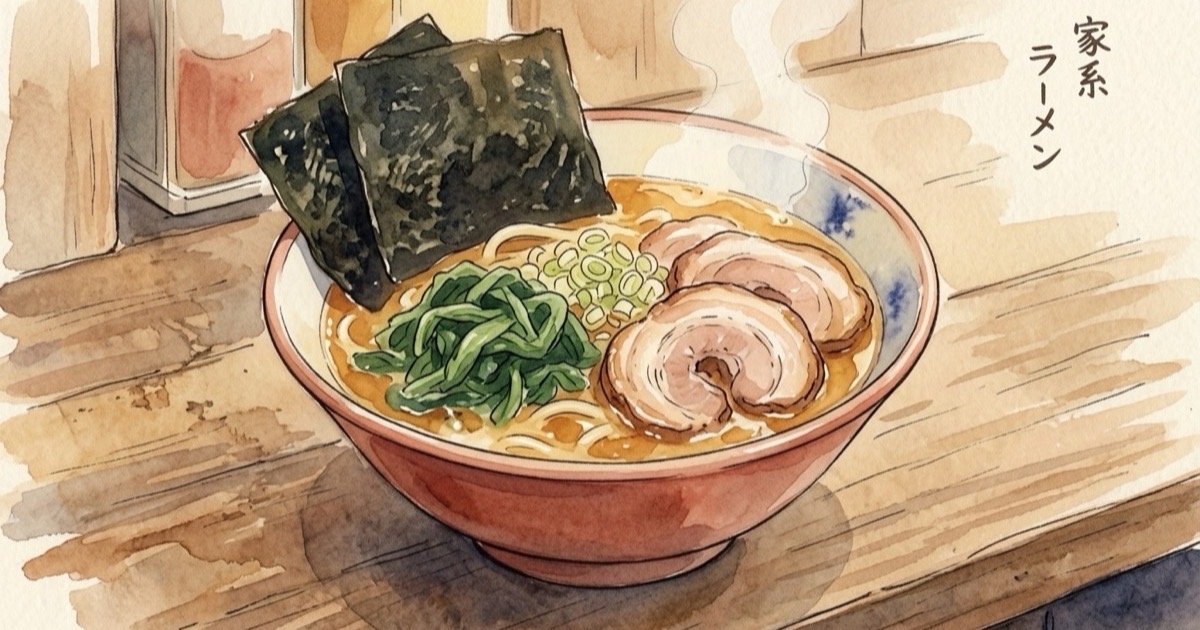
Yokohama's signature is Iekei ramen, a hybrid style created in 1974. The broth is a thick emulsification of pork bones and chicken fat, heavily seasoned with dark soy sauce. Served with thick, straight noodles, large sheets of nori (seaweed), and boiled spinach, it is a hearty and intensely savoury bowl that has a massive cult following among students and workers.
Nagoya Taiwan Ramen: Fire and Garlic
Despite the name, Taiwan ramen was invented in Nagoya during the 1970s at a restaurant called Misen. It features a soy-sauce broth topped with a fiery mixture of minced pork, garlic, chives, and red hot chillies. It's a pungent, spicy, and sweat-inducing bowl that offers a dramatic contrast to Japan's more delicate, clear soups.
Kyoto and Osaka: Kansai Craftsmanship
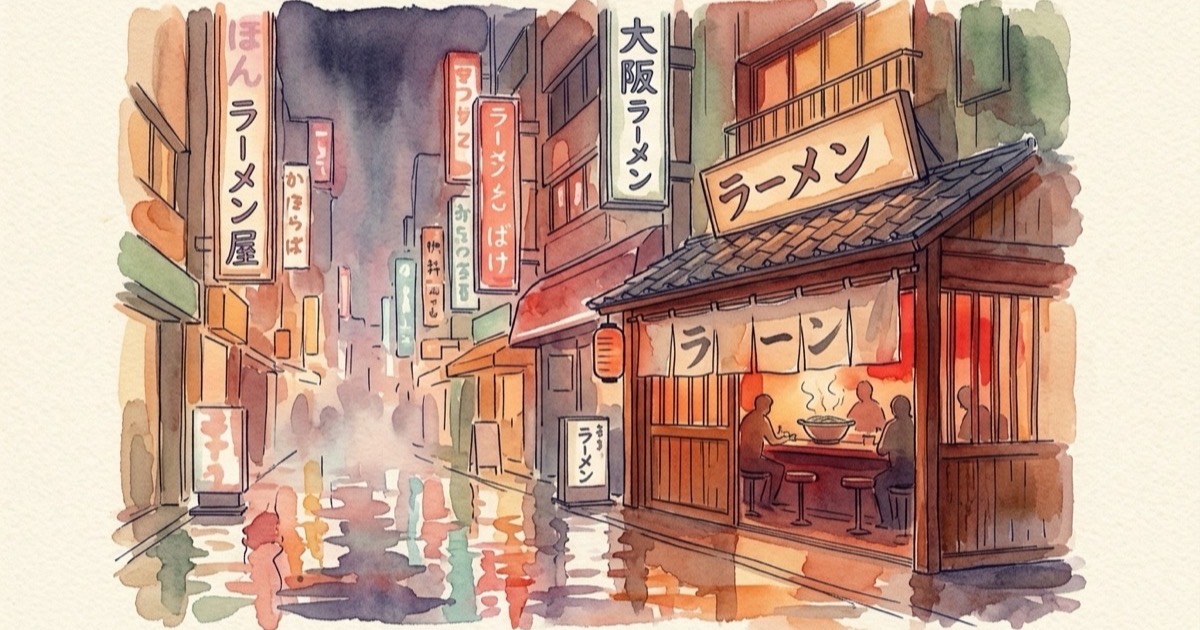
In Kansai, the focus shifts away from rigid historical styles. Kyoto is famous for dark shoyu ramen, which looks salty but is actually rich and slightly sweet, utilising local chicken and dark soy sauce. Osaka, on the other hand, is a playground for modern chefs who blend chicken, pork, and various seafood dashi (such as dried sardines and clams) to create highly complex, modern craft bowls.
Fukuoka Hakata Tonkotsu: The Grand Finale
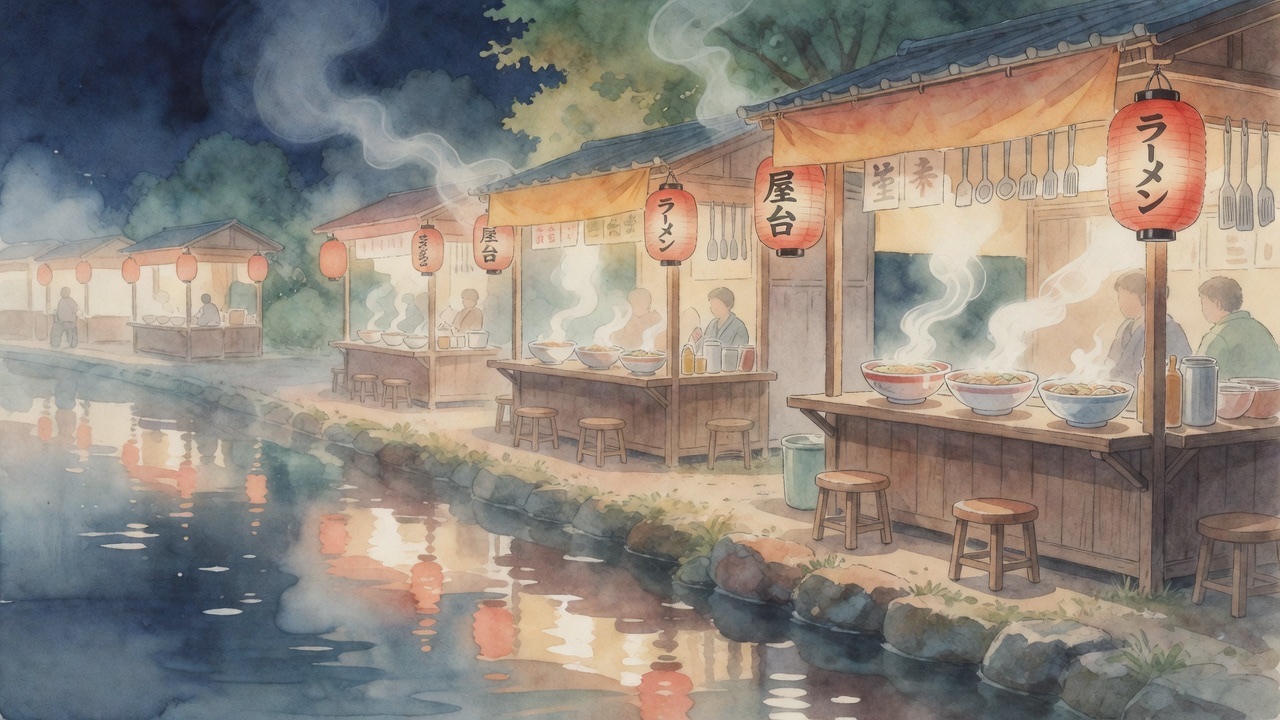
Your journey ends in Fukuoka (Hakata), the undisputed world capital of tonkotsu. Here, pork bones are boiled for up to 18 hours until the marrow dissolves, creating a milky, velvety broth. It is served with thin, firm, straight noodles and simple toppings like wood ear mushrooms and chashu. Be sure to order a kaedama (noodle refill) once you finish your first portion of noodles, leaving enough soup in your bowl.
Browse ranked shops in Fukuoka
Mapped list with ratings, stations, and tourist-friendly filters.
Best ramen in FukuokaPlanning a Tokyo Ramen Crawl?
Skip the 90-minute tourist lines. Use our free curated walking routes and ticket machine guides to explore neighborhood counters with confidence.
Former Fukuoka tonkotsu ramen apprentice and creator of Japan Ramen Guide. When not exploring Japan's ramen alleys, I build tools for Japan life like Daruma Japan Life and recommend foreigner-friendly housing through Affarah.