Best Ramen in Yokohama: Ie-Kei Style and Where to Eat
Find the best ramen in Yokohama for your trip. Learn the ie-kei tonkotsu-shoyu style, compare ranked shops, and decide whether to add the Ramen Museum.
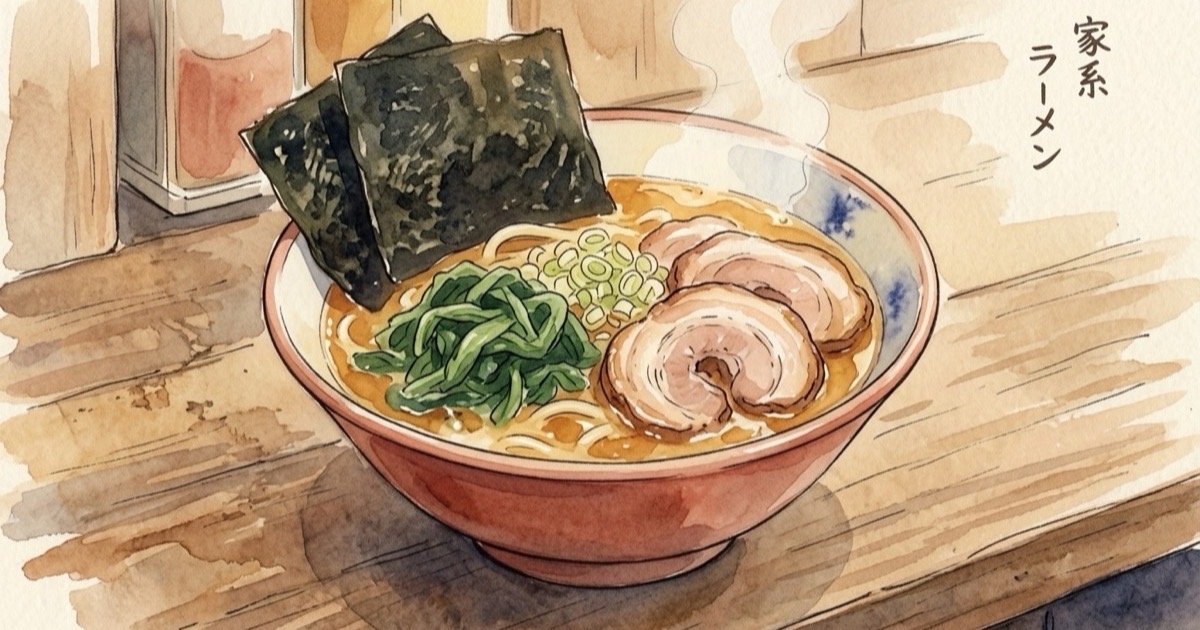
For a first ramen meal in Yokohama, choose an ie-kei shop and order the standard settings. The local style combines a rich pork-and-chicken broth with soy tare, thick noodles, spinach, chashu, and upright sheets of nori. Use the Yokohama shop directory to compare the recorded ratings, stations, and price bands before choosing a stop.
Exploring Yokohama's rich Iekei ramen origin story and its signature toppings
The Origin of Ie-Kei
Ie-kei was created in 1974 by Minoru Yoshimura at Yoshimuraya in Yokohama's Kanagawa ward. Yoshimura had trained in Fukuoka tonkotsu techniques and adapted them for the Kanto (Tokyo-area) palate — adding chicken to the pork bone broth and seasoning with a stronger soy tare. The 'ie' (家) in ie-kei means 'house' — a reference to the fact that many shops serving this style were opened by former Yoshimuraya apprentices, creating a family tree of related shops.
How to Eat Ie-Kei
At most ie-kei shops you can customise three things: broth richness (aji — light/medium/strong), fat content (abura — less/normal/more), and noodle firmness (kata-sa — soft/medium/firm). If it's your first time, order everything 'futsuu' (normal/medium) and adjust on a return visit.
The nori sheets are meant to be draped over the bowl rim — dip them in the broth until they soften slightly, then eat together with a scoop of rice if you ordered any. The spinach provides a light, slightly bitter contrast to the heavy broth.
Shin-Yokohama Ramen Museum
Yokohama is also home to the Shin-Yokohama Ramen Museum — the world's first food theme park dedicated to a single dish, opened in 1994. It recreates a 1958 Tokyo streetscape and features eight rotating ramen shops from different regions. Worth a visit, especially if you want to sample multiple regional styles in one day.
Getting There
Yokohama is accessible from Tokyo in 25–30 minutes on the Tokyu Toyoko Line or Keikyu Line. The ie-kei shops are scattered across the city — many in the Kanagawa ward area near the original Yoshimuraya. If you're combining with the Ramen Museum, take the JR Yokohama Line to Shin-Yokohama station.
Browse ranked shops in Yokohama
Mapped list with ratings, stations, and tourist-friendly filters.
Best ramen in YokohamaPlanning a Tokyo Ramen Crawl?
Skip the 90-minute tourist lines. Use our free curated walking routes and ticket machine guides to explore neighborhood counters with confidence.
Former Fukuoka tonkotsu ramen apprentice and creator of Japan Ramen Guide. When not exploring Japan's ramen alleys, I build tools for Japan life like Daruma Japan Life and recommend foreigner-friendly housing through Affarah.