The Best Takeaway Ramen Noodle Kits to Bring Home (and Customs Rules)
Famous ramen shops like Ichiran, Ippudo, and Tomita sell packaged take-home boxes across Japan. Here is what to buy, how they compare, and how to clear customs without seizures.
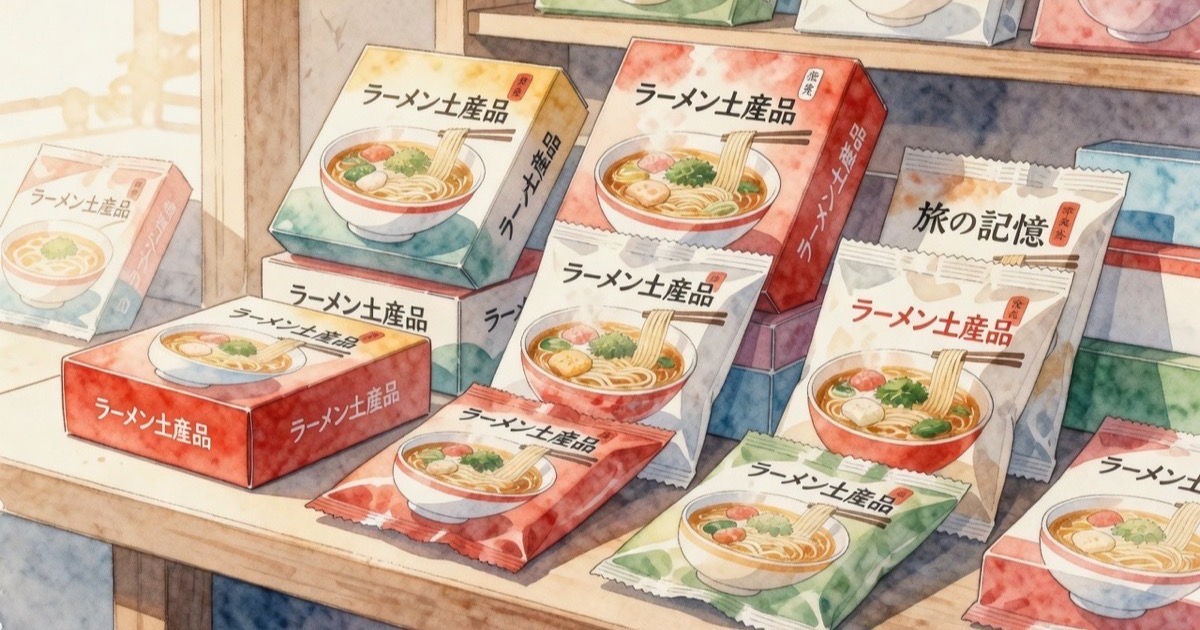
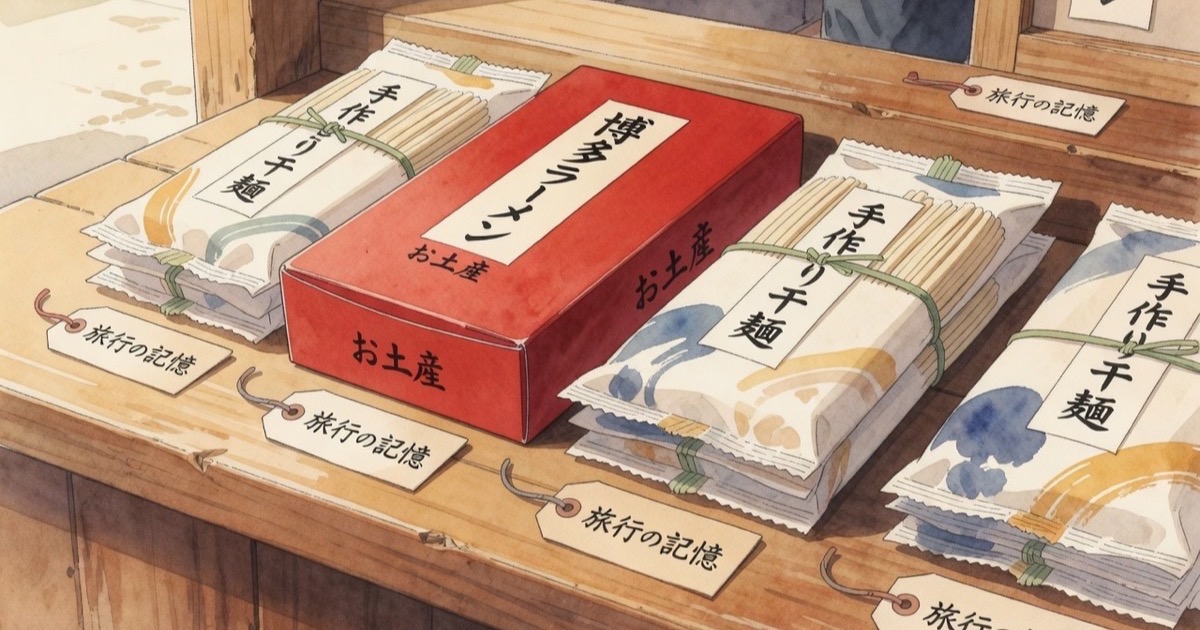
Souvenir ramen boxes (omiyage ramen) sold by Japan's leading noodle shops reproduce counter broths using semi-dried noodles and concentrated lipid-and-seasoning pastes. They perform far above supermarket instant ramen, but international travelers regularly face quarantine confiscations at customs because of meat-product regulations. This guide covers which kits are worth buying and how to bring them home legally.
Top Shop-Brand Takeaway Kits Compared
| Brand / Shop | Noodle Style | Price Band | Where to Buy | Customs Risk Level |
|---|---|---|---|---|
| Ichiran Box (Red Box) | Hakata thin straight dried noodles + concentrated tonkotsu paste + red chili powder | ¥2,000–¥2,200 (5-pack) | In-shop ticket machines, Don Quijote, Haneda/Narita duty-free | Moderate (pork extract on label) |
| Ichiran Kamadare Box | Wider noodles with heavy braised pork tare | ¥2,500 (5-pack) | Fukuoka exclusive (Tenjin, Hakata Station, Fukuoka Airport) | Moderate (pork extract) |
| Ippudo Shiromaru / Akamaru | Semi-dried Hakata noodles with seasoned garlic oil & spicy miso paste | ¥600–¥700 per box | 7-Eleven convenience stores, Ippudo branches, airport shops | Low to Moderate |
| Tomita Tsukemen (Matsudo) | Extra-thick wheat noodles with concentrated pork-and-fish dipping sauce | ¥1,100–¥1,300 (2-portion box) | Tokyo Station Ramen Street gift shops, Haneda airport, Matsudo main shop | Moderate |
| Afuri Yuzu Shio | Whole wheat thin noodles with clear chicken-dashi concentrate and pure yuzu oil sachet | ¥850–¥1,000 per box | Afuri shops (Ebisu, Harajuku, Roppongi), Tokyo department stores | Low (poultry/citrus base) |
Customs and Quarantine Regulations by Country
Border agencies monitor animal disease transmission strictly. Ramen kits that contain actual pieces of dried pork meat (real chashu) or tallow from unapproved countries are subject to immediate seizure and fines. However, chemical or enzymatic flavorings and fully shelf-stable, commercially retorted packaging are treated differently depending on your destination.
- United States (CBP / USDA): Prohibits raw, dried, or cooked pork and beef from Japan, including real meat slices inside noodle packets. Shelf-stable powder-seasoned noodles without real meat flakes generally clear inspection, but packages declaring pork extract (ポークエキス) can be confiscated at the discretion of agricultural inspectors. Always declare food on your CBP declaration form to avoid $300+ failure-to-declare penalties.
- Australia (Department of Agriculture / Biosecurity): Australia enforces strict biosecurity screening. Packaged food with visible pork or beef pieces is barred and incinerated. Commercially manufactured dried noodles with ambient-stable broth sachets are permitted only if they contain no whole meat chunks. You must tick 'Yes' to food on your incoming passenger card; undeclared meat products bring on-the-spot fines of up to AUD $1,875.
- United Kingdom & European Union: Travellers cannot bring meat or meat-containing foodstuffs into the UK or EU from non-EU nations. While dried noodles are permitted, broth packets containing animal fats or meat extracts fall under meat-product bans unless certified compliant. Seafood-based broths (bonito, niboshi, scallop) have higher personal allowance limits.
- Canada (CFIA): Permits up to 20kg of commercially packaged, shelf-stable food per traveler, provided it does not contain bovine meat or prohibited livestock derivatives.
How to Read Japanese Ingredient Labels
Check the ingredient list (原材料名, genzairyōmei) on the back of the box before purchasing at Don Quijote or souvenir stands:
- 豚肉 (Butaniku): Pork meat. High customs risk.
- 牛肉 (Gyūniku): Beef meat. High customs risk.
- ポークエキス / チキンエキス (Pork extract / Chicken extract): Concentrated animal broth. Border inspectors may confiscate depending on current bilateral disease status.
- 魚介エキス (Gyokai ekisu): Seafood / fish extract. Allowed under most country regulations as marine products carry lower livestock risk.
- 乾燥具材 (Kansō guzui): Dried garnish pack. Inspect whether dried chashu slices are included.
Planning a Tokyo Ramen Crawl?
Skip the 90-minute tourist lines. Use our free curated walking routes and ticket machine guides to explore neighborhood counters with confidence.
Former Fukuoka tonkotsu ramen apprentice and creator of Japan Ramen Guide. When not exploring Japan's ramen alleys, I build tools for Japan life like Daruma Japan Life and recommend foreigner-friendly housing through Affarah.