Ramen Souvenirs from Japan: What to Buy, Pack and Bring Home
Japan's best ramen souvenir isn't a bowl — it's a kit. Here's what to buy at shops, department stores, and airports, and what actually survives the journey home.
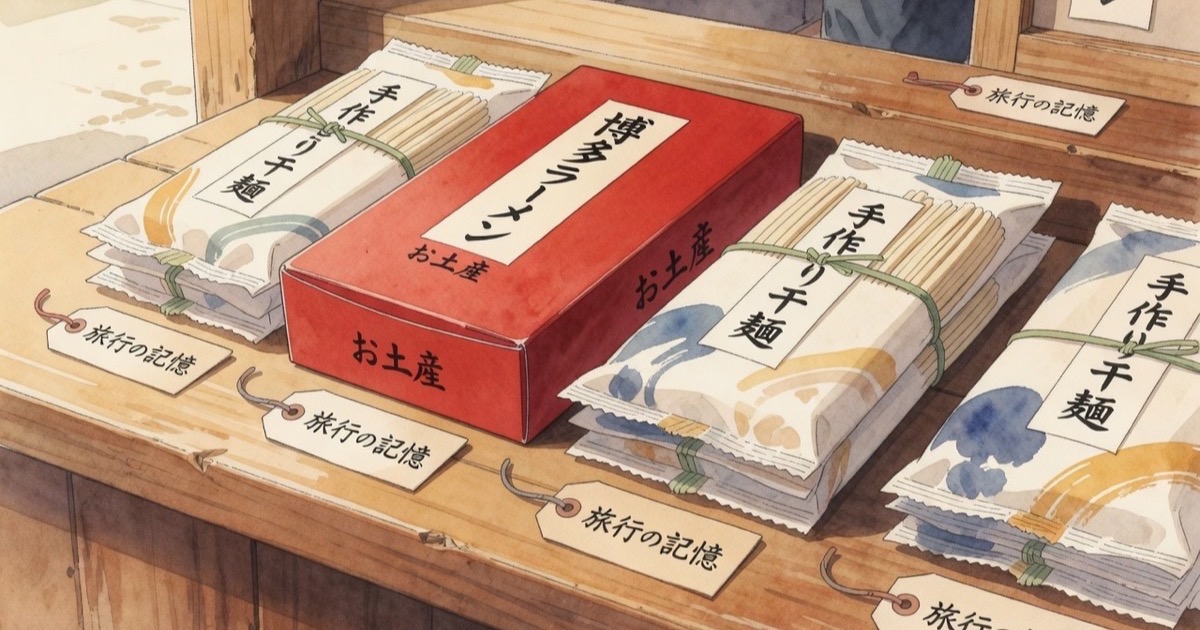
The logic of ramen as souvenir is almost perfect: it's flat, lightweight, shelf-stable, culturally specific, and genuinely delicious if you buy the right version. Almost every serious ramen shop in Japan sells a packaged version of their broth — and the quality gap between these shop-brand kits and the instant ramen you buy at a supermarket is large. This guide covers where to buy, what to look for, and how to get it home intact.
Shop-Brand Ramen Kits
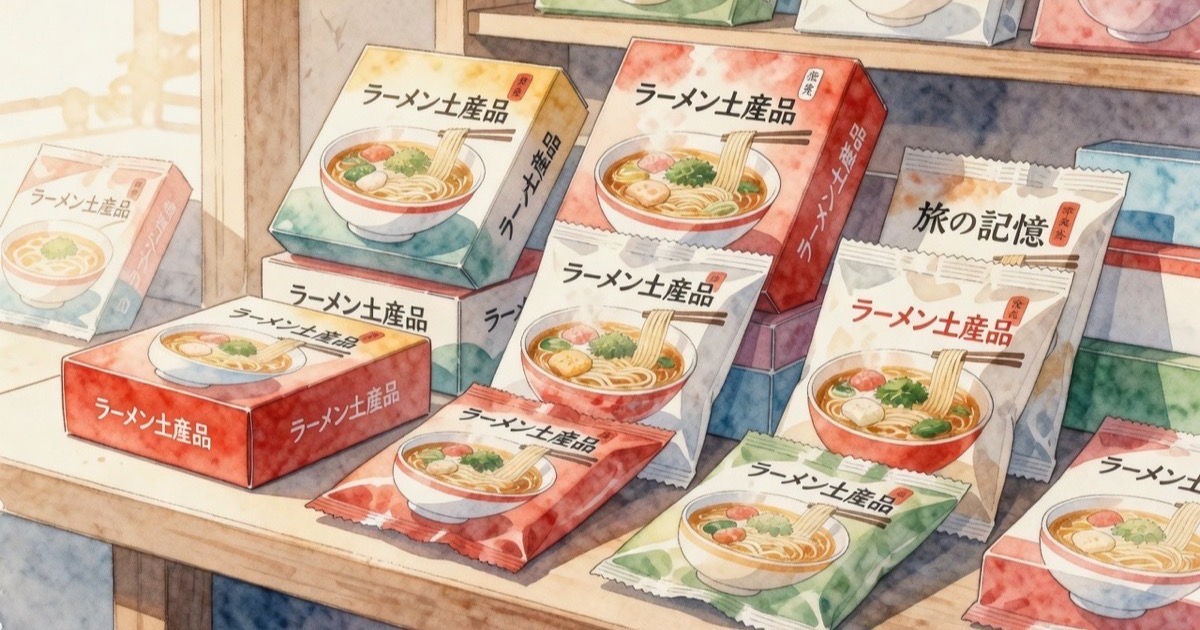
Most ramen shops that have a following also sell a packaged ramen kit (お土産ラーメン, omiyage ramen) — either at the shop counter or via their website. These typically contain dried or semi-dried noodles and a concentrated broth sachet. The best are surprisingly close to the restaurant version. Look for them on the counter or near the entrance of any shop you rate highly.
The Shin-Yokohama Ramen Museum shop carries packaged versions from its rotating shops — a good place to buy multiple styles in one visit. The range changes as the in-house shop lineup rotates.
Department Store Basement (Depachika)
The food basement floors of major department stores (known as depachika) carry curated ramen souvenir sets. Isetan Shinjuku, Takashimaya in Nihonbashi, and Mitsukoshi Ginza all have strong selections. The packaging is often gift-quality — useful if you're buying for someone specific rather than yourself. Prices are higher than at shops directly but curation is excellent.
Narita and Haneda Airports
Both Narita and Haneda have substantial ramen souvenir sections in their departure areas — past security. The selection is designed for bulk buying (multiple boxes, different styles) and is generally good. Don't assume airport = overpriced generic; the selection here is genuinely better than most supermarkets. If you forgot to buy during your trip, the airports are a reasonable last resort.
What Travels Well
- Dry noodles + broth sachets: Ideal. Flat, light, unbreakable. Most shop-brand kits are this format.
- Freeze-dried broth only: Very compact and light. Combine with good ramen noodles from an Asian grocery at home.
- Fresh/chilled noodles: Not suitable for travel — they require refrigeration and have short shelf lives.
- Tare (seasoning concentrate): Small jars of concentrated soy tare or shio tare are excellent and versatile. TSA-approved if under 100ml; pack in checked luggage if larger.
Planning a Tokyo Ramen Crawl?
Skip the 90-minute tourist lines. Use our free curated walking routes and ticket machine guides to explore neighborhood counters with confidence.
Former Fukuoka tonkotsu ramen apprentice and creator of Japan Ramen Guide. When not exploring Japan's ramen alleys, I build tools for Japan life like Daruma Japan Life and recommend foreigner-friendly housing through Affarah.