Ichiran Ramen: The Complete Guide to Japan's Solo-Booth Chain
Step into the ultimate solo-dining sanctuary. This complete guide walks you through Ichiran's ticketing, ordering slips, booth system, and how to custom-tailor your tonkotsu bowl.
From its humble beginnings in Fukuoka to its viral status as a global social media sensation, Ichiran has transformed the act of eating ramen into a highly engineered, deeply private experience. By design, Ichiran removes almost all human interaction from your meal, allowing you to focus completely on the flavour of the bowl. This guide walks you through every step of the process so you can navigate the system like a seasoned regular.
The Concept: Why Dine in a Solo Booth?
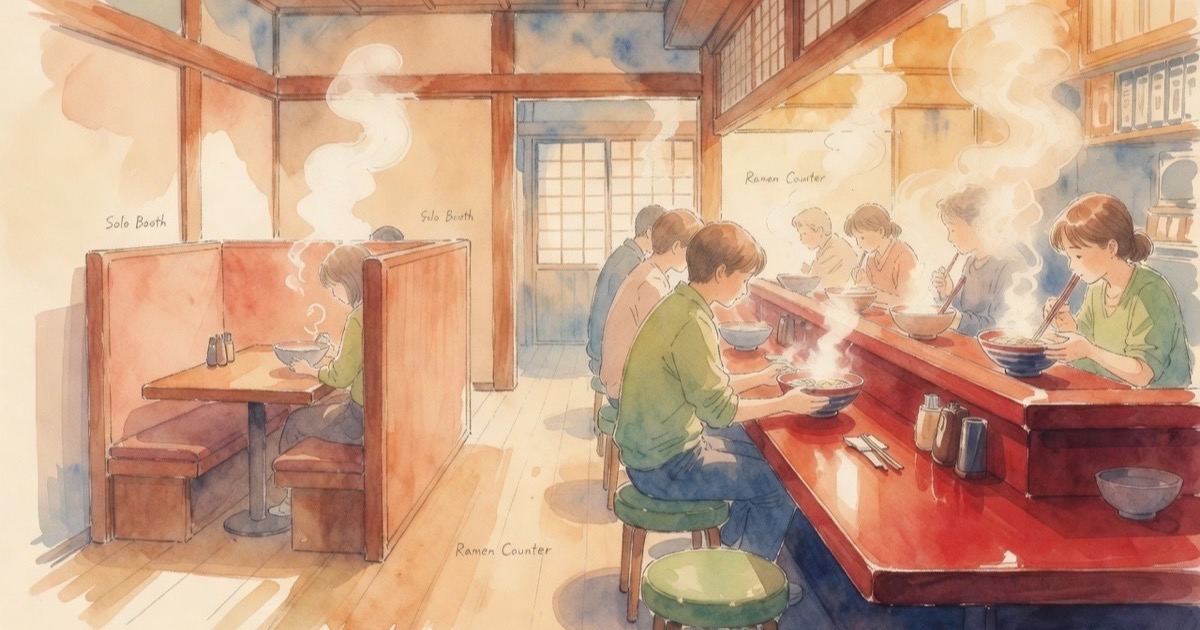
Ichiran's restaurants are built around their signature 'Flavour-Concentration Booths' (Aji Shuchu Counter). These are small, partitioned wooden stalls reminiscent of library study carrels. The dividers are designed to block out visual distractions, while the bamboo roll screen in front of you hides the kitchen staff, leaving only a small opening to slide your bowl through. The philosophy is simple: when your senses are not occupied by conversation, eye contact, or room aesthetics, your appreciation of the food is heightened.
It is an incredibly liberating concept, especially for travellers. Eating alone is highly respected in Japan, and Ichiran is the ultimate expression of this dining culture.
Step-by-Step Walkthrough
- Purchase Your Tickets — Insert cash or your IC card into the ticket machine at the entrance. Select the base Tonkotsu Ramen (usually the biggest button) and any desired toppings or sides (like a soft-boiled egg, extra chashu, garlic, or a matcha almond pudding). Collect your tickets and change.
- Find a Vacant Seat — Look at the digital seat vacancy board (Kuseki Annai-ban) on the wall. It displays a map of the dining room. Look for green lights illuminated with the Kanji '空' (empty). Head to that aisle and claim your booth.
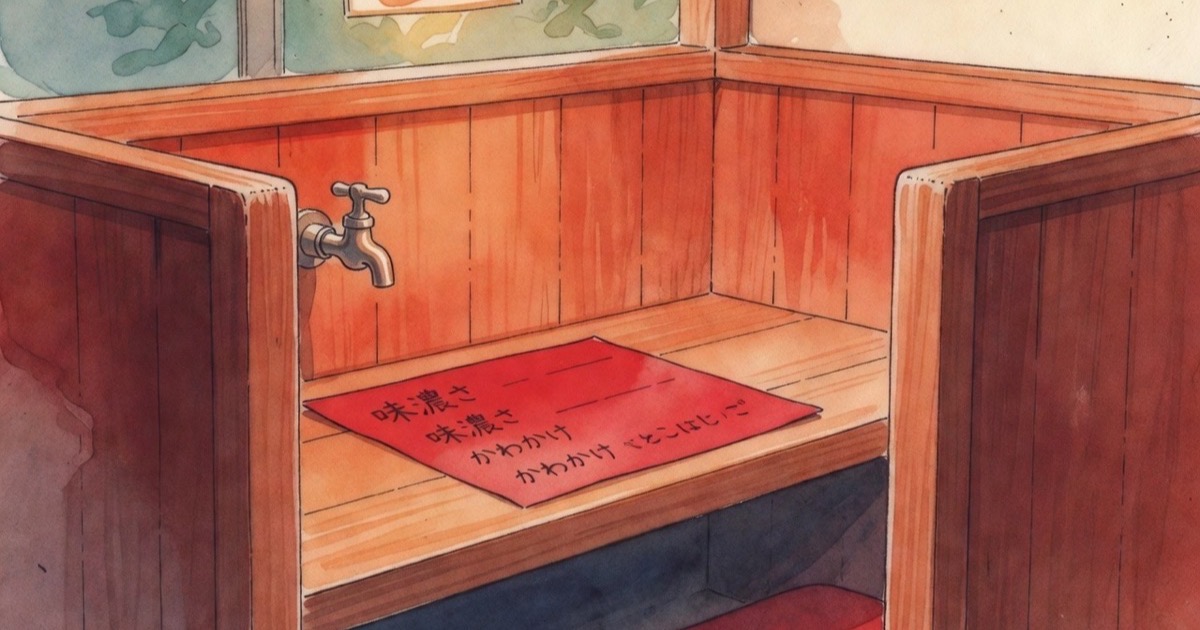
- Fill Out the Order Slip — At your booth, you will find a paper customisation slip (available in English, Chinese, and Korean). Circle your preferences for broth strength, richness, garlic, green onions, chashu, red sauce spice, and noodle firmness.
- Submit Your Order — Place your ticket and customisation slip on the counter and press the call button. A staff member's hands will appear from under the bamboo screen, collect your papers, and slide the screen back down.
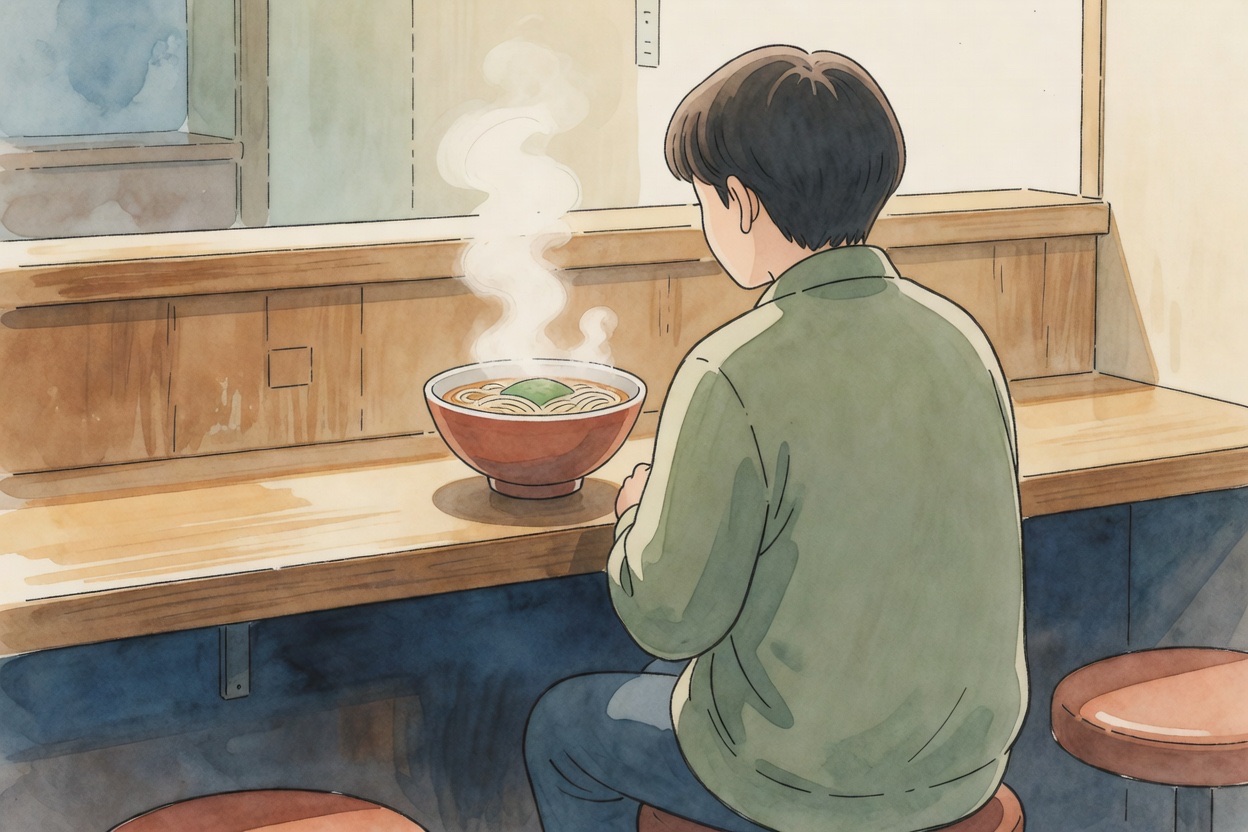
- Receive and Enjoy — Within a few minutes, the screen will rise, a steaming bowl of tonkotsu ramen will be placed before you, and the staff member will bow politely before lowering the screen. You are now free to dine in complete solitude.
Mastering the Customisation Slip
Ichiran's customisation slip lets you control seven distinct variables of your ramen. Here is a breakdown of what each option means in practice:
- Dashi Strength — Controls the saltiness and umami intensity of the soup. 'Medium' is the recommended starting point.
- Richness (Oil level) — Determines how much pork fat (chiyu) is floated on top. 'Medium' gives a rich feel, while 'Rich' or 'Ultra Rich' makes it very heavy.
- Garlic — Choose from none up to one whole clove. Garlic pairs wonderfully with tonkotsu, so we recommend selecting at least 'Medium' (half a clove).
- Green Onion — Select 'Thin Green Onion' (delicate Hakata-style) or 'Thick Green Onion' (crunchier, larger slices).
- Sliced Pork (Chashu) — Circle 'Yes' to include their thin, tender pork slices. Circle 'No' only if you dislike pork.
- Original Red Sauce — Their chilli-based seasoning paste. 'Medium' (1x) adds a pleasant kick. If you enjoy spicy food, 2x is highly recommended. It is placed in the centre, so you can mix it in gradually.
- Noodle Firmness — 'Firm' (Koshi) is the local Hakata favourite as it maintains its texture longer in the hot broth.
Ichiran Order Sheet Customizer
Select your preferences. Red circles mimic the physical paper slip used in-store.
Hover over options to read how they alter your soup broth flavor.
The Art of Kaedama (Noodle Refills)
If you finish your noodles but still have broth left, do not drink it all! You can order a Kaedama (noodle refill). If you bought a Kaedama ticket at the entrance, place the metal tray on your call button. A short, traditional chiptune melody will play, alerting the kitchen. A staff member will take the tray and return shortly with a small metal bowl of fresh, hot noodles for you to slide into your soup.
For a comparison of Ichiran against its chief rival, read Ichiran vs Ippudo: Which Tonkotsu Chain Deserves Your First Bowl?, or read our broader guide to the best ramen chains in Japan to see where else you should eat.
Browse ranked shops in Tokyo
Mapped list with ratings, stations, and tourist-friendly filters.
Best ramen in TokyoTokyo ramen planning
Explore Tokyo by neighborhood and trip style
Open the full Tokyo guidePlanning a Tokyo Ramen Crawl?
Skip the 90-minute tourist lines. Use our free curated walking routes and ticket machine guides to explore neighborhood counters with confidence.
Former Fukuoka tonkotsu ramen apprentice and creator of Japan Ramen Guide. When not exploring Japan's ramen alleys, I build tools for Japan life like Daruma Japan Life and recommend foreigner-friendly housing through Affarah.