10 Best Ramen Chains in Japan (2026): What to Order & Prices
Compare Ichiran, Ippudo, AFURI, Rokurinsha and six more top Japan ramen chains by style, price in JPY/USD, ordering kiosks, queues, vegan options, and traveler fit.
Choosing the best ramen chain in Japan isn't about finding a single winner—it's about matching the bowl, dining atmosphere, and ordering style to your exact situation. Whether you need a private late-night solo bowl at 2:00 AM after exploring Shinjuku, a lively group meal with gyoza and highballs in Ebisu, a light citrusy yuzu broth, or an ultra-thick dipping tsukemen near Tokyo Station, Japan's iconic ramen chains deliver extraordinary consistency.
Unlike fast-food chains in Western countries, major Japanese ramen chains operate under rigorous culinary standards. Broths are simmered for up to 18 hours, noodles are custom-extruded to match specific broth viscosities, and toppings like chashu pork are flame-seared to order. This comprehensive 2026 guide compares the 10 best ramen chains in Japan by signature broth, 2026 price ranges (in JPY & USD), payment methods, digital ordering systems, and dietary accommodations.
Comparing Japan's top ramen chains: Ichiran vs. Ippudo vs. AFURI
Japan's 10 Best Ramen Chains at a Glance (2026 Comparison)
| Chain Name | Signature Style | Ordering Method | Average Price (JPY / USD) | Best Scenario / Traveler Fit |
|---|---|---|---|---|
| Ichiran (一蘭) | Hakata Tonkotsu with Red Sauce | Ticket Machine + Paper Order Slip | ¥980–¥1,490 (~$6.50–$10.00) | Solo travelers, first-timers, late-night 24/7 bowls |
| Ippudo (一風堂) | Hakata Tonkotsu (Shiromaru / Akamaru) | Table Service / Tablet Kiosk | ¥850–¥1,350 (~$5.50–$9.00) | Families, groups, social izakaya vibes & side dishes |
| AFURI (阿夫利) | Yuzu Shio & Yuzu Shoyu Chicken Dashi | 100% Cashless Digital Touchscreen | ¥1,080–¥1,680 (~$7.00–$11.00) | Light citrusy broth, clean dining, vegans & vegetarians |
| Rokurinsha (六厘舎) | Pork & Dried Seafood Tsukemen | Ticket Vending Machine | ¥950–¥1,350 (~$6.30–$9.00) | Thick dipping noodles, transit stop at Tokyo Station |
| Tenkaippin (天下一品) | Ultra-Rich Chicken & Veg Kotteri | Counter / Table Service | ¥920–¥1,250 (~$6.00–$8.30) | Cult-favorite maximum richness & thick soup lovers |
| Dotonbori Kamukura (神座) | Sweet Soy Broth with Napa Cabbage | Ticket Machine / Tablet | ¥780–¥1,150 (~$5.00–$7.50) | Gentle Kansai comfort food, family-friendly seating |
| Machida Shoten (町田商店) | Yokohama Iekei Tonkotsu-Shoyu | Ticket Vending Machine | ¥850–¥1,200 (~$5.50–$8.00) | Salty, garlicky broth paired with white rice & nori |
| Sugakiya (スガキヤ) | Dashi-Pork Broth (Ramen Fork) | Food Court Counter | ¥390–¥650 (~$2.50–$4.30) | Budget travelers exploring Nagoya & Central Japan |
| Hidakaya (日高屋) | Everyday Station Chuka Soba | Table Tablet / Staff Order | ¥390–¥750 (~$2.50–$5.00) | Fast, ultra-cheap station meal with gyoza & beer |
| Ramen Yamaokaya (山岡家) | Heavy Roadside Pork Bone Ramen | Ticket Machine | ¥790–¥1,100 (~$5.20–$7.30) | 24/7 road trips, highway stops & rental car travel |
Interactive Tools: Tailor Your Bowl & Calculate Costs
Before stepping into your first shop, try our interactive customizers below to dial in your exact broth preferences and estimate your total ramen dining budget across Japan:
Ichiran Order Sheet Customizer
Select your preferences. Red circles mimic the physical paper slip used in-store.
Hover over options to read how they alter your soup broth flavor.
Trip budget calculator
Estimate your ramen spend in yen
Set the length of your trip, how often you expect to eat ramen, and the kind of bowl you usually order.
Trip length
Bowls per day
Estimated ramen budget
¥10,150
- Ramen meals
- 7
- Per bowl
- ¥1,450
- Per day
- ¥1,450
Planning estimate, not a quoted menu price. Convert the total at the current exchange rate when budgeting.
Head-to-Head Comparisons: The Big Three Showdowns
Ichiran vs. Ippudo: Which Fukuoka Tonkotsu Giant Wins?
Both Ichiran and Ippudo hail from Fukuoka (the home of Hakata tonkotsu), but their philosophies could not be more different. Ichiran vs Ippudo is the most common debate for first-time visitors to Japan.
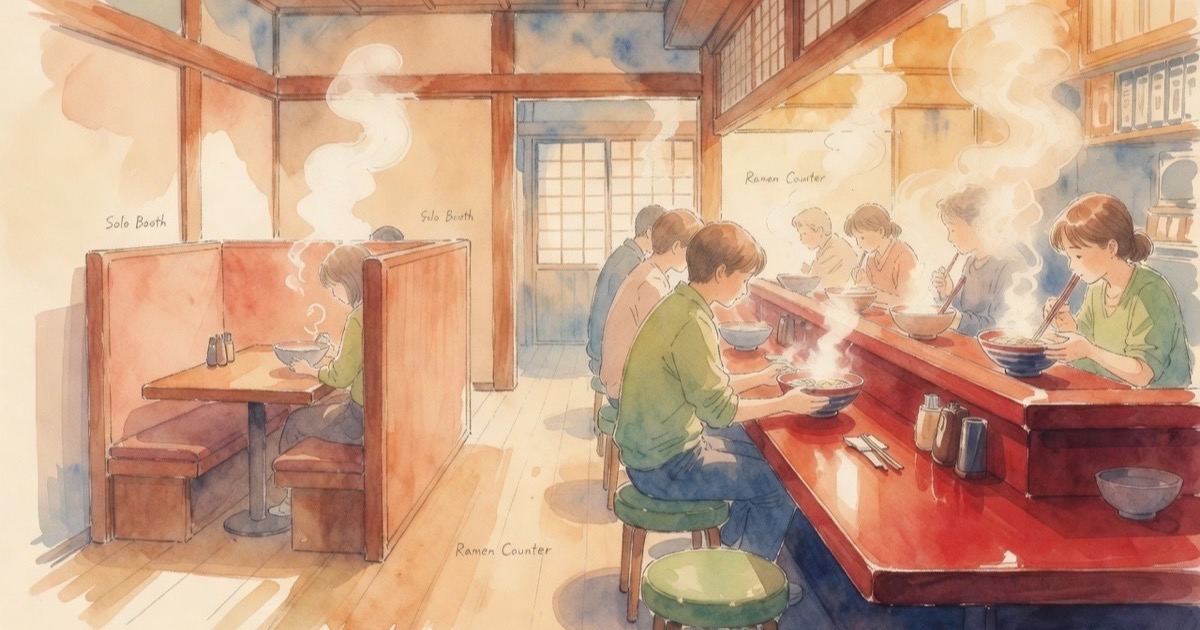
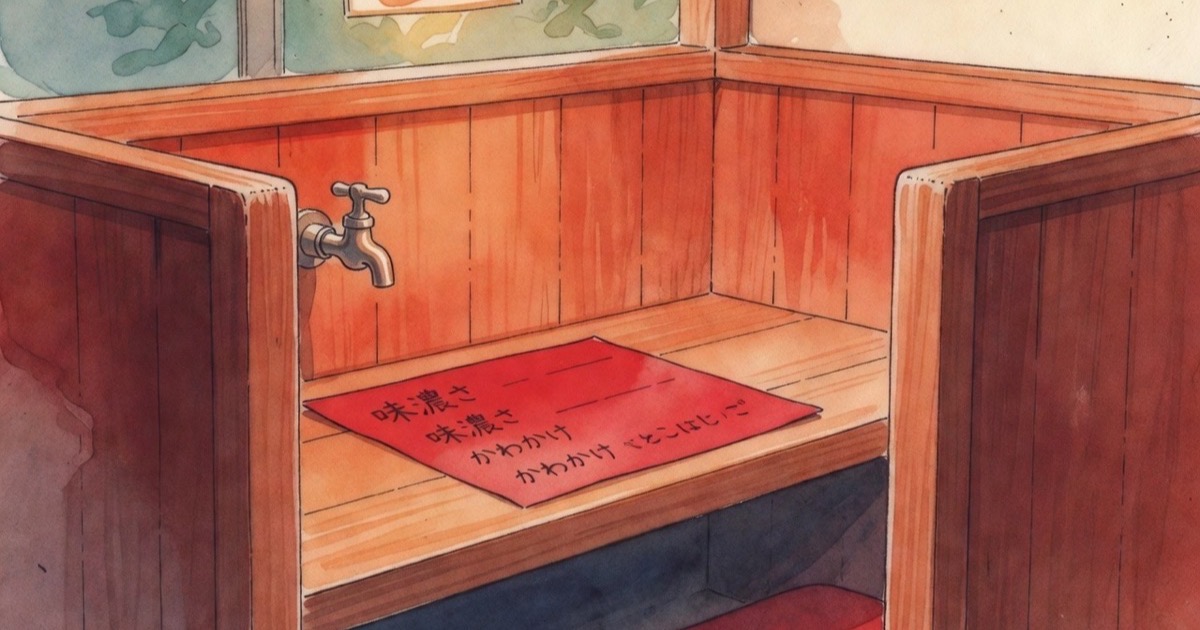
- Dining Atmosphere: Ichiran uses patented 'Flavour Concentration Booths' (Aji Shuchu Counter)—private wooden stalls with bamboo curtains that hide the staff and block out fellow diners. Ippudo offers an energetic, modern izakaya setting with communal wooden tables, open kitchens, and friendly staff shouting Irasshaimase!
- Broth Profile: Ichiran serves one signature, velvety pork bone broth crowned with Hiden no Tare (a spicy, secret red pepper sauce). Ippudo offers two core styles: Shiromaru Motoaji (a pure, traditional pork broth) and Akamaru Shinaji (infused with fragrant garlic oil and umami miso).
- Side Dishes & Extras: Ichiran focuses almost exclusively on noodles, offering only eggs, extra chashu, and rice. Ippudo excels at side dishes, serving world-famous pan-fried Hakata gyoza, steamed pork belly buns (Hirata buns), and unlimited complimentary spicy bean sprouts (spiced moyashi).
AFURI vs. Heavy Pork Tonkotsu: The Light & Modern Alternative
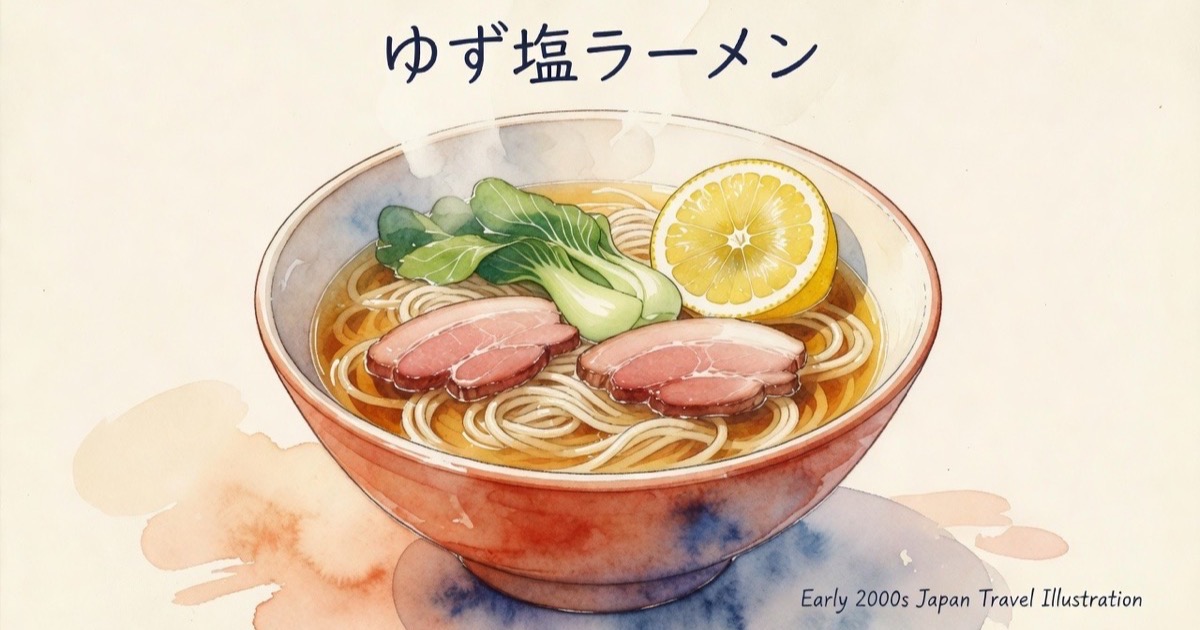
If heavy pork broths leave you feeling weighed down, AFURI is the modern antidote. Named after Mount Afuri in Kanagawa where its spring water is sourced, AFURI brews a clear chicken and seafood dashi sharpened with fresh Japanese yuzu citrus. It is also one of the few national chains to feature a 100% plant-based vegan ramen bowl and offer konjac (zero-calorie) noodle substitutes. Learn more in our Vegan and Vegetarian Ramen Guide.
Deep-Dive Guide to the 10 Best Ramen Chains in Japan
1. Ichiran (一蘭) — The Solo Tonkotsu Sanctuary
With over 80 locations worldwide, Ichiran is a cultural phenomenon. It is engineered specifically to eliminate ordering anxiety for non-Japanese speakers. You buy a ticket at an electronic machine, check a wooden seat-vacancy board for an open stall, and fill out a paper customization sheet available in English.
- Signature Bowl: Natural Tonkotsu Ramen (¥980–¥1,100 JPY / $6.50–$7.30 USD).
- What to Order: Medium Dashi Strength, Medium Richness, 1/2 clove Garlic, Firm (Katamene) noodles, and Level 1 or 2 Secret Spicy Red Sauce.
- Pro Tip: Popular tourist locations like Ichiran Shinjuku Kabukicho and Shibuya line up fast. Visit between 7:00 AM–10:00 AM or after 11:00 PM to skip the queue. Read our full Ichiran Shinjuku Kabukicho Menu Guide.
2. Ippudo (一風堂) — The Modern Hakata Masterpiece
Founded in 1985 by 'Ramen King' Shigemi Kawahara, Ippudo modernized Hakata ramen by removing the harsh pork odor traditional to old-school stalls. The result is a smooth, elegant tonkotsu served in a vibrant, full-service restaurant environment.
- Signature Bowls: Shiromaru Classic (¥850 JPY / $5.60 USD) & Akamaru Modern (¥950 JPY / $6.30 USD).
- What to Order: Akamaru Modern with hard noodles (katame), a side of 6-piece Hakata Gyoza, and extra spiced bean sprouts from the table jar.
- Pro Tip: Ippudo is great for families and groups. Many flagship locations (such as Ippudo Ebisu) accept credit cards and feature English tablet menus at every table.
3. AFURI (阿夫利) — Light Yuzu Shio & Charcoal-Grilled Chashu
AFURI brings a sleek, minimalist aesthetic to Tokyo's ramen scene. Broth is brewed from local chicken, niboshi sardines, dried bonito, and fresh yuzu juice. Pork chashu is flame-grilled over white-hot binchotan charcoal directly behind the counter.
- Signature Bowl: Yuzu Shio Ramen (¥1,080 JPY / $7.20 USD) & Yuzu Ratan Tsukemen.
- What to Order: Yuzu Shio with Tanrei (classic light chicken oil) and charcoal-grilled pork belly.
- Pro Tip: AFURI is 100% cashless. Pay using Suica/Pasmo IC cards, Apple Pay, or credit cards. Visit AFURI Harajuku or AFURI Dogenzaka (open until 5:00 AM).
4. Rokurinsha (六厘舎) — The Undisputed King of Tsukemen
Tsukemen (dipping ramen) features extra-thick, chilled noodles served alongside a separate bowl of boiling-hot, concentrated pork and fish dipping soup. Rokurinsha ignited Japan's national tsukemen craze in the 2000s.
- Signature Bowl: Tokusei Tsukemen (¥1,080–¥1,350 JPY / $7.20–$9.00 USD).
- What to Order: Special Dipping Noodle set with soft-boiled egg and extra pork. Dip a bundle of noodles halfway into the soup, eat immediately, and finish by requesting supuwari (hot dashi stock added to your remaining soup).
- Pro Tip: Located inside Rokurinsha on Tokyo Station Ramen Street. Lines move fast despite long queues.
5. Tenkaippin (天下一品 / Tenkai) — Ultra-Rich Chicken Kotteri
Tenkaippin's iconic Kotteri (こってり) soup is brewed from chicken bones and root vegetables for over 14 hours until it reaches the consistency of a thick gravy. It clings heavily to the noodles and has a massive cult following across Japan.
- Signature Bowl: Kotteri Ramen (¥920 JPY / $6.10 USD).
- What to Order: Kotteri with extra garlic paste and a side of fried rice (chahan). If you prefer a clear broth, order the Assari style.
- Pro Tip: Tenkaippin's heavy soup is the ultimate hangover cure or late-night fuel after exploring Kyoto or Tokyo's Roppongi nightlife.
6. Dotonbori Kamukura (神座) — Sweet Cabbage Comfort Food
Hailing from Osaka's bustling Dotonbori entertainment district, Kamukura offers a unique, secret-recipe soy broth packed with sweet, tender Napa cabbage and thinly sliced pork. It is lighter and sweeter than traditional Tokyo shoyu.
- Signature Bowl: Oishii Ramen (¥780 JPY / $5.20 USD).
- What to Order: Oishii Ramen with boiled egg, topped generously with free marinated garlic chives (nira) located on the table.
- Pro Tip: Great for families visiting Kansai. Visit Dotonbori Kamukura Flagship in Osaka or their conveniently located airport branches.
7. Machida Shoten (町田商店) — Salty, Fatty Yokohama Iekei
Machida Shoten is Japan's premier chain for Yokohama Iekei ramen—a powerful combination of rich pork bone broth, dark soy sauce tare, and chicken oil (chiyu). It is served with thick, flat noodles, spinach, and large nori sheets.
- Signature Bowl: MAX Iekei Ramen (¥1,050 JPY / $7.00 USD).
- What to Order: MAX Ramen + Small Bowl of White Rice. Dip the crispy nori sheets into the hot pork oil, then wrap them around a spoonful of rice.
- Pro Tip: Customize your order at the counter: Hard Noodles (Katame), Strong Soy Flavor (Koime), High Chicken Oil (Oome).
8. Sugakiya (スガキヤ) — Central Japan's Budget Icon
Founded in Nagoya in 1946, Sugakiya is a beloved food-court institution in Aichi and central Japan. It is famous for its ultra-affordable dashi-pork broth and its patented 'Ramen Fork-Spoon' hybrid utensil.
- Signature Bowl: Classic Sugakiya Ramen (¥390 JPY / $2.60 USD).
- What to Order: Standard Ramen + Soft-Serve Cream Dessert set.
- Pro Tip: An essential budget stop if you are taking the Shinkansen through Nagoya or exploring shopping malls in Central Japan.
9. Hidakaya (日高屋) — Everyday Station Chuka Soba & Gyoza
Hidakaya is a familiar sight outside almost every major train station in Greater Tokyo. It operates as an everyday Chinese diner serving cheap shoyu ramen, gyoza, stir-fries, and draft beer.
- Signature Bowl: Chuka Soba (¥390 JPY / $2.60 USD).
- What to Order: Chuka Soba + 6 Gyoza + Highball Combo (Under ¥900 JPY total).
- Pro Tip: Ideal for travelers on a tight budget or anyone looking for a fast, hassle-free meal near major train hubs.
10. Ramen Yamaokaya (山岡家) — 24/7 Roadside Heavy Tonkotsu
Yamaokaya is built specifically for long-distance drivers and roadside travel across Hokkaido, Kanto, and suburban Japan. Operating 24 hours a day, their kitchens simmer pork bones continuously, producing a thick, aromatic broth with a heavy layer of fat.
- Signature Bowl: Shoyu Tonkotsu Ramen (¥790 JPY / $5.20 USD).
- What to Order: Shoyu or Spicy Miso with extra pork fat (Oome) and firm noodles.
- Pro Tip: Best accessed if you are taking a road trip or renting a car outside major metropolitan train networks.
2026 Price Breakdown: How Much Does Chain Ramen Cost?
Ramen prices in Japan remain one of the best food bargains in the developed world. Here is what to budget per bowl across different chain tiers in 2026:
- Budget Chains (¥390–¥700 JPY / $2.50–$4.60 USD): Sugakiya, Hidakaya. Simple, comforting bowls with standard wheat noodles and thin chashu.
- Standard Chains (¥800–¥1,200 JPY / $5.30–$8.00 USD): Ichiran, Ippudo, Rokurinsha, Machida Shoten, Tenkaippin, Kamukura. Premium bone broths, slow-cooked chashu, and custom noodle firmness.
- Gourmet / Special Sets (¥1,300–¥1,800+ JPY / $8.60–$12.00+ USD): Full topping bowls (Tokusei) featuring extra chashu pork, soft-boiled ajitama eggs, bamboo shoots (menma), side gyoza, and rice refills.
- Common Extras: Kaedama noodle refills cost ¥100–¥150 JPY ($0.70–$1.00 USD); Soft-boiled Ajitama eggs cost ¥100–¥150 JPY ($0.70–$1.00 USD).
For a complete breakdown of food costs across Tokyo, Osaka, and Kyoto, read our Japan Ramen Price & Budget Guide.
How Ordering Works: Tickets, Kiosks & IC Cards
- Ticket Vending Machines (Shokuken-ki): Found at entrances of Ichiran, Rokurinsha, Machida Shoten, and Kamukura. Insert cash (¥1,000 / ¥5,000 / ¥10,000 notes) or tap your IC card (Suica/Pasmo), press your desired bowl button, collect your printed ticket and change, then hand the ticket to the chef upon seating.
- Digital Touchscreen Kiosks: Found at AFURI and modern stations. Supports full English, Chinese, and Korean interfaces. Select your broth type (Tanrei vs Maroaji), noodle type, and toppings, then pay via contactless credit card or Suica.
- Tabletop Tablets & Table Service: Found at Ippudo and Hidakaya. Sit down first, browse the digital screen or physical menu, order verbally or tap screen items, and pay at the front cash register after finishing your meal.
- Customization Slips: Handed to you at Ichiran or verbalized at Ippudo/Machida Shoten. Always choose Firm (Katamene / Katame) for thin Hakata noodles so they stay al dente in hot broth!
Master the exact ordering flow, Japanese phrases, and ticket machine buttons with our How to Order Ramen in Japan Step-by-Step Guide.
Chain vs. Independent Shops: Which Is Better?
A memorable culinary journey through Japan should include both chains and independent artisanal shops:
- Choose a Chain When: You need guaranteed late-night operating hours (24/7 locations), fast English-friendly ordering, group seating with side dishes, or a reliable meal when jet-lagged near major train stations.
- Choose an Independent Shop When: You want to sample Michelin-recognized craft dashi (like Ginza Hachigo or Raa Menya Shima), experience intimate 8-seat neighborhood counters, or taste hyper-regional micro-styles.
Official Menus and Location Finders
Menus, prices, opening hours, and payment methods can change by branch. Before making a special trip, confirm the exact location on the chain's official website:
- Ichiran Locations Finder & Ippudo Official Site
- AFURI Official Kiosks & Rokurinsha Tokyo Station
- Tenkaippin Official & Dotonbori Kamukura
- Machida Shoten Shop Finder & Sugakiya Official
- Hidakaya Stations & Ramen Yamaokaya 24/7
Frequently asked questions
Which ramen chain is best for first-time travelers to Japan?
Ichiran is widely considered the easiest first stop because its private solo booths and paper customization slips (available in English) eliminate ordering anxiety. For a social group meal with gyoza and highballs, Ippudo is the top recommendation.
Is Ichiran better than Ippudo?
It depends on your preference. Ichiran specializes exclusively in custom-tailored solo Hakata tonkotsu with a spicy red pepper sauce. Ippudo offers a social restaurant setting, two distinct broth styles (Shiromaru classic & Akamaru modern with garlic oil), and excellent side dishes like pan-fried gyoza and pork buns.
Do Japanese ramen chains have vegan or vegetarian options?
Yes! AFURI is famous for its 100% plant-based Vegan Shio Ramen featuring vegetable dashi, fresh mizuna, lotus root, and konjac noodle options. Select Ippudo locations also offer plant-based bowls. Most traditional tonkotsu chains (like Ichiran) do not offer vegetarian broths.
How much is a bowl of ramen at Ichiran in 2026?
A standard bowl of Ichiran tonkotsu ramen costs approximately ¥980 to ¥1,100 JPY (~$6.50 to $7.30 USD). Adding a soft-boiled egg, extra chashu pork, and a kaedama noodle refill brings the total set to around ¥1,490 JPY (~$10.00 USD).
Do Japanese ramen chains accept credit cards or IC cards (Suica/Pasmo)?
Most modern chains like AFURI and airport outposts accept credit cards, Apple Pay, and IC cards (Suica/Pasmo/ICOCA). However, many traditional ticket vending machines at Ichiran or local shops still require physical JPY cash notes (¥1,000 or ¥2,000 notes). Always carry some cash!
What is Kaedama and how do you order it at a chain?
Kaedama (替玉) is an extra portion of cooked noodles dropped into your leftover hot broth. You can order it at ticket machines or at your counter booth by placing cash or a kaedama ticket on the counter tray. Remember to leave plenty of broth in your bowl before requesting a refill!
Never Get Lost in Japan's Ramen Alleys
Open all 1,096 curated shops with Tabelog ratings and ramen styles in one Google My Maps layer. Internet access is required.
Stay near main railway terminals to easily ride the Shinkansen and hop between regional ramen capitals.
Sample Japan's culinary landscape from sushi to hot pot, and join local guides for ramen crawls in major cities.
JR Pass & Shinkansen
Bullet train tickets via Klook
Yesim eSIM Data
Instant data coverage in Japan
Airport Transfer
Private driver pickup from airport