Japanese Ramen Chains: 10 Best Japan Ramen Restaurant Chains Compared (2026)
Compare Ichiran, Ippudo, AFURI, Rokurinsha, and six more Japanese ramen chains. Broth styles, 2026 menu prices in JPY/USD, ticket machines, and dietary options.
Choosing the best Japanese ramen chain comes down to matching the broth, dining setup, and ordering process to your immediate needs. Whether you want a private solo booth at 2:00 AM in Shinjuku, a table with gyoza and highballs in Ebisu, a clear yuzu broth, or thick dipping tsukemen near Tokyo Station, Japan's top ramen restaurant chains maintain strict consistency across branches.
Unlike fast-food franchises in other countries, major Japanese ramen chains follow rigorous culinary methods. Kitchens simmer broths for up to 18 hours, extrude noodles to specific thicknesses, and sear chashu pork to order. This 2026 guide compares the 10 best Japan ramen chains by signature broth, 2026 prices in JPY and USD, payment methods, ticket systems, and dietary options.
Planning around cost? Start with how much ramen costs in Japan, then use the under-¥1,000 guide if price is the deciding factor. If the ticket machine is the bigger concern, save the essential Japanese ramen characters. Ratings are best treated in context; our Tabelog explainer shows how to compare branches and local alternatives.
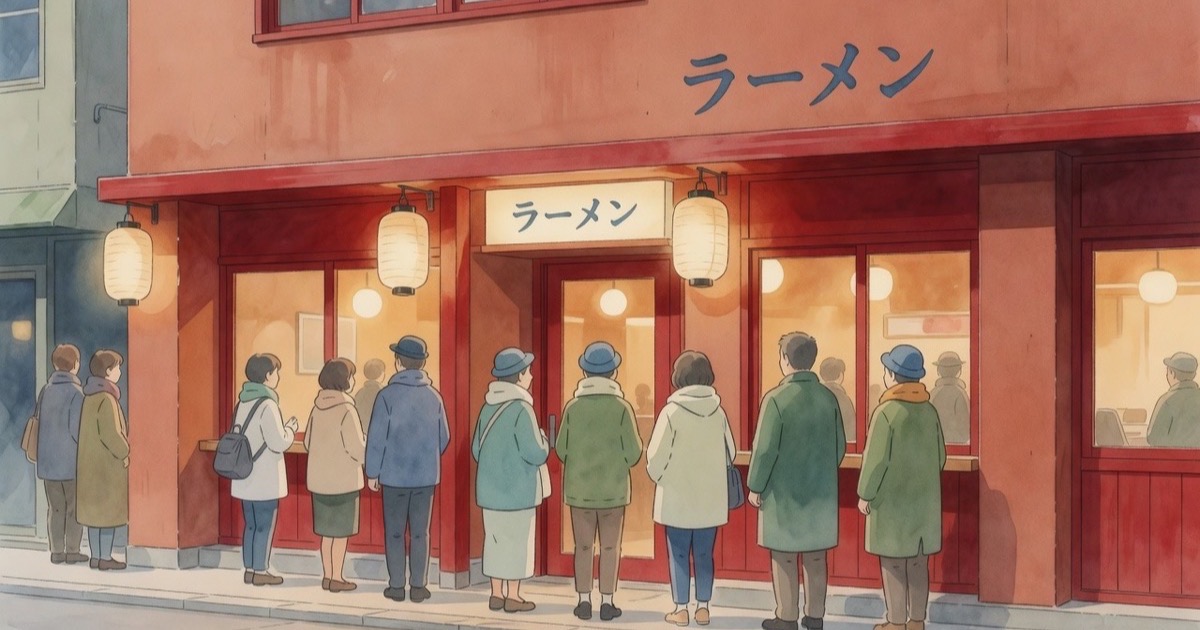
Comparing Japan's top ramen chains: Ichiran vs. Ippudo vs. AFURI
Japan's 10 Best Ramen Chains at a Glance (2026 Comparison)
| Chain Name | Signature Style | Ordering Method | Average Price (JPY / USD) | Best Scenario / Traveler Fit |
|---|---|---|---|---|
| Ichiran (一蘭) | Hakata Tonkotsu with Red Sauce | Ticket Machine + Paper Order Slip | ¥980–¥1,490 (~$6.50–$10.00) | Solo travelers, first-timers, late-night 24/7 bowls |
| Ippudo (一風堂) | Hakata Tonkotsu (Shiromaru / Akamaru) | Table Service / Tablet Kiosk | ¥850–¥1,350 (~$5.50–$9.00) | Families, groups, social izakaya vibes & side dishes |
| AFURI (阿夫利) | Yuzu Shio & Yuzu Shoyu Chicken Dashi | 100% Cashless Digital Touchscreen | ¥1,080–¥1,680 (~$7.00–$11.00) | Light citrusy broth, clean dining, vegans & vegetarians |
| Rokurinsha (六厘舎) | Pork & Dried Seafood Tsukemen | Ticket Vending Machine | ¥950–¥1,350 (~$6.30–$9.00) | Thick dipping noodles, transit stop at Tokyo Station |
| Tenkaippin (天下一品) | Ultra-Rich Chicken & Veg Kotteri | Counter / Table Service | ¥920–¥1,250 (~$6.00–$8.30) | Cult-favorite maximum richness & thick soup lovers |
| Dotonbori Kamukura (神座) | Sweet Soy Broth with Napa Cabbage | Ticket Machine / Tablet | ¥780–¥1,150 (~$5.00–$7.50) | Gentle Kansai comfort food, family-friendly seating |
| Machida Shoten (町田商店) | Yokohama Iekei Tonkotsu-Shoyu | Ticket Vending Machine | ¥850–¥1,200 (~$5.50–$8.00) | Salty, garlicky broth paired with white rice & nori |
| Sugakiya (スガキヤ) | Dashi-Pork Broth (Ramen Fork) | Food Court Counter | ¥390–¥650 (~$2.50–$4.30) | Budget travelers exploring Nagoya & Central Japan |
| Hidakaya (日高屋) | Everyday Station Chuka Soba | Table Tablet / Staff Order | ¥390–¥750 (~$2.50–$5.00) | Fast, ultra-cheap station meal with gyoza & beer |
| Ramen Yamaokaya (山岡家) | Heavy Roadside Pork Bone Ramen | Ticket Machine | ¥790–¥1,100 (~$5.20–$7.30) | 24/7 road trips, highway stops & rental car travel |
Interactive Tools: Tailor Your Bowl & Calculate Costs
Before stepping into your first shop, try our interactive customizers below to dial in your exact broth preferences and estimate your total ramen dining budget across Japan:
Ichiran Order Sheet Customizer
Select your preferences. Red circles mimic the physical paper slip used in-store.
Hover over options to read how they alter your soup broth flavor.
Trip budget calculator
Estimate your ramen spend in yen
Set the length of your trip, how often you expect to eat ramen, and the kind of bowl you usually order.
Trip length
Bowls per day
Estimated ramen budget
¥10,150
- Ramen meals
- 7
- Per bowl
- ¥1,450
- Per day
- ¥1,450
Planning estimate, not a quoted menu price. Convert the total at the current exchange rate when budgeting.
Head-to-Head Comparisons: Major Japanese Ramen Chains
Ichiran vs. Ippudo: Which Fukuoka Tonkotsu Giant Wins?
Both Ichiran and Ippudo hail from Fukuoka, the birthplace of Hakata tonkotsu, but their formats differ completely. Ichiran vs Ippudo remains the most common choice for visitors seeking tonkotsu in Japan.
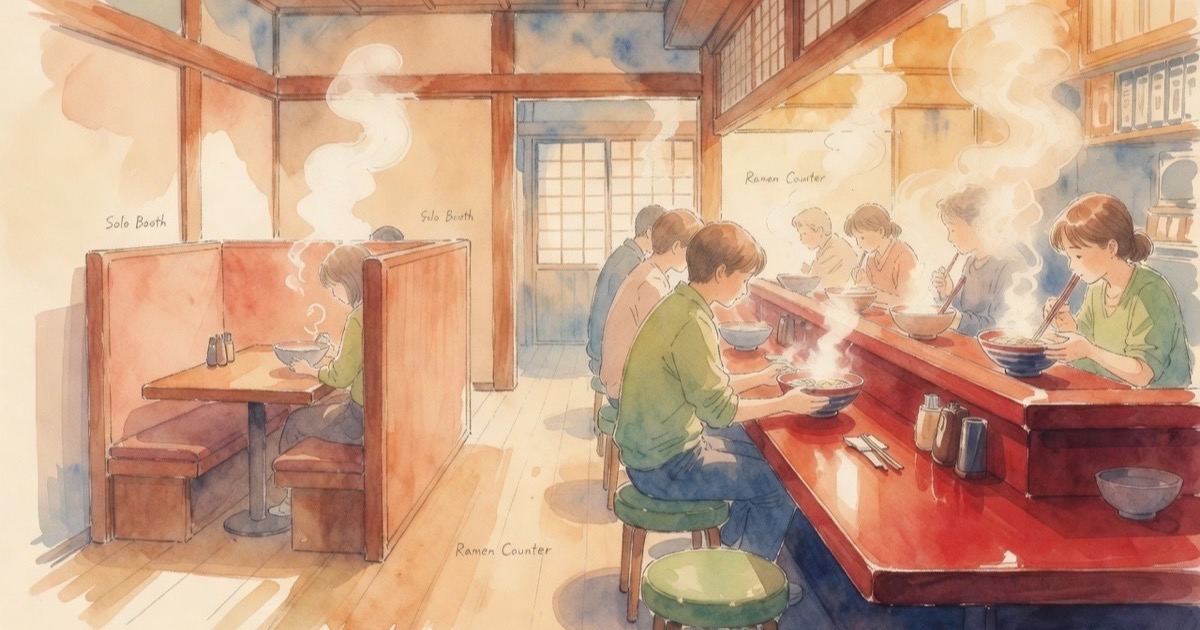
- Dining Atmosphere: Ichiran uses patented Flavor Concentration Booths (Aji Shuchu Counter), which are partitioned wooden stalls with bamboo curtains that separate diners from staff and neighbors. Ippudo runs an energetic sit-down restaurant environment with shared tables, open kitchens, and staff greeting arrivals.
- Broth Profile: Ichiran serves one signature pork bone broth seasoned with Hiden no Tare (a spicy red pepper sauce). Ippudo serves two core recipes: Shiromaru Motoaji (a classic pork broth) and Akamaru Shinaji (finished with fragrant garlic oil and miso).
- Side Dishes & Extras: Ichiran focuses almost entirely on noodles, offering boiled eggs, extra chashu, and rice. Ippudo serves pan-fried Hakata gyoza, steamed pork belly buns, and free seasoned bean sprouts at every table.
AFURI vs. Heavy Pork Tonkotsu: The Light & Modern Alternative
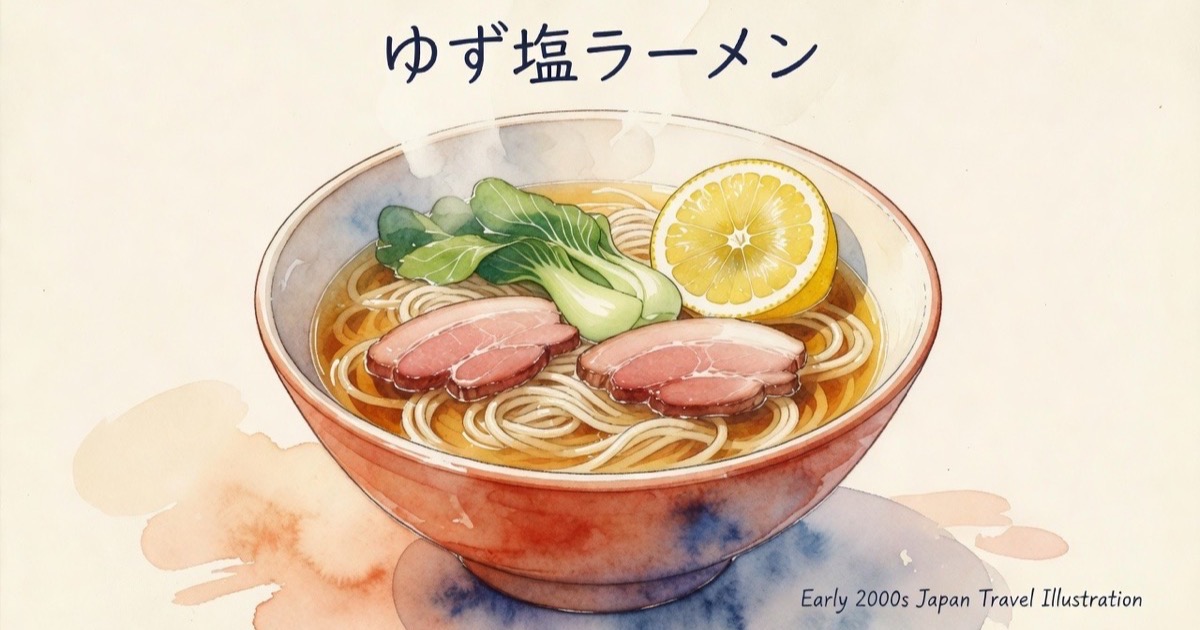
When heavy pork broths feel overwhelming, AFURI provides a lighter alternative. Named after Mount Afuri in Kanagawa, AFURI brews chicken and seafood dashi sharpened with fresh Japanese yuzu citrus. It is also one of the few national chains serving a 100% plant-based vegan ramen bowl alongside low-calorie konjac noodle substitutions. Learn more in our Vegan and Vegetarian Ramen Guide.
Deep-Dive Guide to the 10 Best Japanese Ramen Chains
1. Ichiran (一蘭): The Solo Tonkotsu Specialist
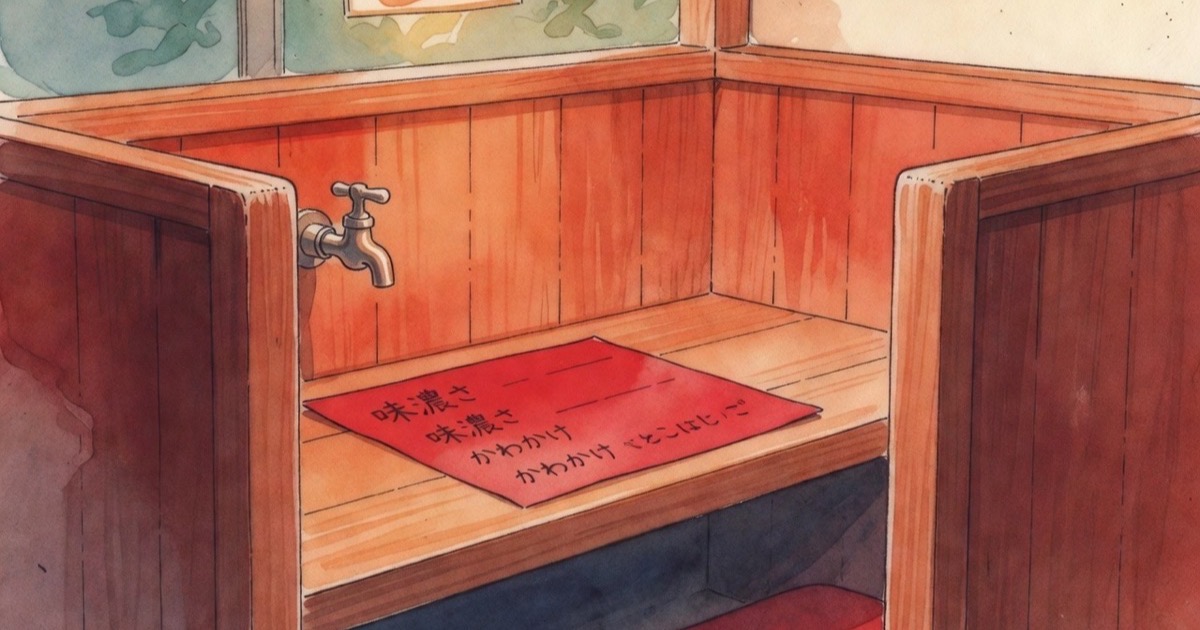
With more than 80 locations, Ichiran is engineered specifically to eliminate ordering stress for non-Japanese speakers. Diners buy a ticket at an electronic kiosk, check a lighted vacancy board for an open partition, and fill out an English paper customization slip.
- Signature Bowl: Natural Tonkotsu Ramen (¥980–¥1,100 JPY / $6.50–$7.30 USD).
- Recommended Order: Medium Dashi Strength, Medium Richness, 1/2 clove Garlic, Firm (Katame) noodles, and Level 1 Secret Spicy Red Sauce.
- Branch Strategy: High-traffic spots like Ichiran Shinjuku Kabukicho and Shibuya build long queues between 12:00 PM and 9:00 PM. Arrive between 7:00 AM and 10:00 AM or after 11:00 PM for walk-in entry. Details are in our Ichiran Shinjuku Kabukicho Menu Guide.
2. Ippudo (一風堂): Modern Hakata Ramen
Founded in 1985 in Fukuoka, Ippudo refined Hakata ramen by filtering out the heavy gamey scent common in traditional street stalls. The result is a balanced, velvety tonkotsu served in a sit-down dining room.
- Signature Bowls: Shiromaru Classic (¥850 JPY / $5.60 USD) and Akamaru Modern (¥950 JPY / $6.30 USD).
- Recommended Order: Akamaru Modern with firm noodles (katame), a side order of Hakata Gyoza, and seasoned bean sprouts from the condiment tray.
- Branch Strategy: Useful for groups and families. Major locations like Ippudo Ebisu accept credit cards and offer English tablet ordering at tables.
3. AFURI (阿夫利): Yuzu Citrus Shio & Charcoal Chashu
AFURI operates clean, modern shops across Tokyo. Broth is simmered from domestic chicken, dried fish, kombu kelp, and fresh yuzu juice. Staff grill pork belly slices over white-hot binchotan charcoal behind the counter.
- Signature Bowls: Yuzu Shio Ramen (¥1,080 JPY / $7.20 USD) and Yuzu Ratan Tsukemen.
- Recommended Order: Yuzu Shio with Tanrei (standard chicken oil) and charcoal-seared pork.
- Branch Strategy: AFURI operates 100% cashless. Pay using Suica, Pasmo, credit cards, or smartphone contactless payments. Locations include AFURI Harajuku and AFURI Dogenzaka (open until 5:00 AM).
4. Rokurinsha (六厘舎): Heavy Seafood & Pork Tsukemen
Tsukemen serves chilled, thick-cut wheat noodles alongside a concentrated, piping-hot dipping soup. Rokurinsha helped establish tsukemen across Tokyo in the mid-2000s with its thick pork and dried-bonito reduction.
- Signature Bowl: Tokusei Tsukemen (¥1,080–¥1,350 JPY / $7.20–$9.00 USD).
- Recommended Order: Special Tsukemen with ajitama egg and pork. Dip noodles halfway into the soup, eat immediately, and request soup-wari (hot dashi added to leftover dipping broth) to drink at the end.
- Branch Strategy: Visit Rokurinsha on Tokyo Station Ramen Street. Lines often reach 25 diners but turn over in 20 minutes.
5. Tenkaippin (天下一品): Thick Chicken Kotteri
Tenkaippin originated in Kyoto and is famous for its signature Kotteri (こってり) soup. The kitchen boils chicken bones and vegetables for over 14 hours until the broth reaches the thickness of potage gravy, coating every strand of noodle.
- Signature Bowl: Kotteri Ramen (¥920 JPY / $6.10 USD).
- Recommended Order: Kotteri with pressed garlic paste and a side of fried rice (chahan). Diners wanting a clear broth can order the Assari recipe.
- Branch Strategy: Popular as late-night food in Roppongi, Shinjuku, and Kyoto station areas.
6. Dotonbori Kamukura (神座): Cabbage & Soy Comfort Broth
Created in Osaka's Dotonbori district, Kamukura serves a distinctive soup combining soy sauce tare with braised Napa cabbage and thin pork slices. The flavour profile is sweeter and milder than Kanto soy broths.
- Signature Bowl: Oishii Ramen (¥780 JPY / $5.20 USD).
- Recommended Order: Oishii Ramen with soft-boiled egg, topped with marinated garlic chives (nira) from the table condiment jars.
- Branch Strategy: Good option for traveling families. Visit Dotonbori Kamukura Flagship in Osaka or their branches inside Haneda and Kansai airports.
7. Machida Shoten (町田商店): Yokohama Iekei Ramen
Machida Shoten is Japan's largest chain for Yokohama Iekei ramen. The style blends heavy pork bone broth with dark soy sauce tare and golden chicken oil (chiyu), served with short, thick, flat noodles, boiled spinach, and three nori seaweed sheets.
- Signature Bowl: MAX Iekei Ramen (¥1,050 JPY / $7.00 USD).
- Recommended Order: MAX Ramen plus a small bowl of white rice. Dip the nori into the broth oil, then wrap it around a bite of rice.
- Customization: Select firmness (Katame for noodles), flavour strength (Koime for tare), and chicken oil level (Oome for rich oil) when handing your ticket to staff.
8. Sugakiya (スガキヤ): Nagoya Budget Classic
Founded in Nagoya in 1946, Sugakiya operates across shopping centre food courts in central Japan. The chain serves a milk-colored pork and seafood dashi alongside its patented combination spoon-fork utensil.
- Signature Bowl: Classic Sugakiya Ramen (¥390 JPY / $2.60 USD).
- Recommended Order: Ramen set with soft-serve cream dessert for under ¥650 total.
- Branch Strategy: Found along Shinkansen transfer points in Nagoya and throughout Aichi Prefecture.
9. Hidakaya (日高屋): Train Station Chuka Soba
Hidakaya operates adjacent to almost every major railway hub in Tokyo, Chiba, Kanagawa, and Saitama. It runs as a low-cost Chinese canteen serving shoyu noodles, pan-fried dumplings, and draught beer.
- Signature Bowl: Chuka Soba (¥390 JPY / $2.60 USD).
- Recommended Order: Chuka Soba, 6 gyoza, and a draft beer for under ¥950 total.
- Branch Strategy: Practical for budget dining during transit stops or late arrivals.
10. Ramen Yamaokaya (山岡家): 24-Hour Roadside Tonkotsu
Yamaokaya focuses on 24-hour service along major highways in Hokkaido, Tohoku, and Kanto. The kitchen continuously boils pork bones in open vats, producing a heavy, aromatic broth sealed under a thick coat of pork fat.
- Signature Bowl: Shoyu Tonkotsu Ramen (¥790 JPY / $5.20 USD).
- Recommended Order: Shoyu Tonkotsu with extra pork fat (Oome) and firm noodles.
- Branch Strategy: Best visited during road trips or car rentals outside suburban rail zones.
2026 Price Breakdown: How Much Does Chain Ramen Cost?
Ramen remains an affordable dining option across Japan. Typical 2026 pricing across chain categories:
- Budget Chains (¥390–¥700 JPY / $2.50–$4.60 USD): Sugakiya and Hidakaya serve basic shoyu and dashi broths with thin chashu slices.
- Budget and Mid-Priced Chains: Ichiran, Ippudo, Rokurinsha, Machida Shoten, Tenkaippin, and Kamukura. Base bowls are generally cheaper than premium specialty orders, but branch menus and prices vary.
- Gourmet Sets (¥1,300–¥1,800 JPY / $8.60–$12.00 USD): Special bowls (Tokusei) adding extra braised pork, ajitama eggs, bamboo shoots, and side orders.
- Noodle Refills: Some tonkotsu chains offer kaedama noodle refills. Availability, price, and ordering method vary by branch; soft-boiled seasoned eggs are usually sold separately.
For city-by-city price comparisons across Tokyo, Osaka, and Kyoto, read our Japan Ramen Price & Budget Guide.
How Ordering Works: Tickets, Kiosks & IC Cards
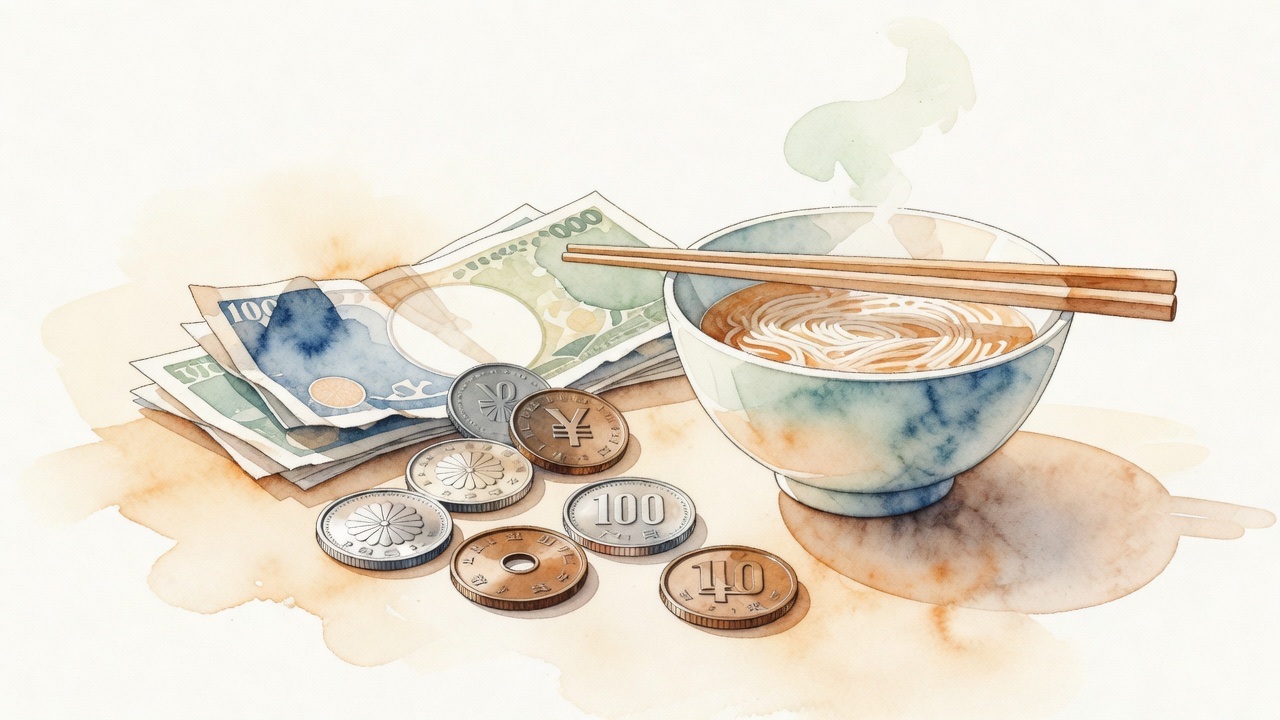
- Ticket Vending Machines (Shokuken-ki): Located at shop entrances at Ichiran, Rokurinsha, Machida Shoten, and Kamukura. Insert yen notes or tap your IC card (Suica/Pasmo), select your bowl, take your ticket and change, and hand the ticket to staff when seated.
- Touchscreen Kiosks: Used at AFURI and station outposts. Choose English on the display, pick your broth base and toppings, and tap to pay with contactless card or IC card.
- Table Service & Tablets: Used at Ippudo and Hidakaya. Sit down first, order via table tablet or waitstaff, and pay at the register near the door upon finishing.
- Customization Slips: Provided at Ichiran or spoken to staff at Ippudo and Machida Shoten. Request Firm (Katame) for thin noodles so they maintain bite in piping hot broth.
Step-by-step ticket machine instructions and phrases are detailed in our How to Order Ramen in Japan Guide.
Chain vs. Independent Shops: When to Pick Each
A complete trip across Japan should include both Japanese ramen chains and independent shops:
- Choose a Chain When: You need late-night hours (24/7 service), fast English ticket ordering, seating for groups, or a quick meal near train terminals.
- Choose an Independent Shop When: You want craft dashi without shortcuts (such as Ginza Hachigo or Ginza Hachigo's counter), six-seat counters, or hyper-regional ramen variations.
Official Menus and Location Finders
Branch hours, holiday schedules, and accepted payments vary by location. Confirm details directly through official sites:
- Ichiran Locations Finder & Ippudo Official Site
- AFURI Official Kiosks & Rokurinsha Tokyo Station
- Tenkaippin Official & Dotonbori Kamukura
- Machida Shoten Shop Finder & Sugakiya Official
- Hidakaya Stations & Ramen Yamaokaya 24/7
Frequently asked questions
Which ramen chain is best for first-time travelers to Japan?
Ichiran is the easiest first stop because its private solo booths and English customization slips remove language barriers. For social group dining with gyoza and draft beer, Ippudo is the top recommendation.
Is Ichiran better than Ippudo?
It depends on preference. Ichiran focuses exclusively on solo Hakata tonkotsu with red pepper sauce. Ippudo provides a restaurant environment, two broth styles (Shiromaru classic and Akamaru modern with garlic oil), and sides like Hakata gyoza and pork buns.
Do Japanese ramen chains have vegan or vegetarian options?
Yes. AFURI serves a 100% plant-based Vegan Shio Ramen with vegetable dashi, fresh greens, and konjac noodle substitutions. Select Ippudo locations also offer plant-based bowls. Traditional pork tonkotsu chains like Ichiran do not offer vegetarian broths.
How much is a bowl of ramen at Ichiran in 2026?
A standard bowl of Ichiran tonkotsu ramen costs ¥980 to ¥1,100 JPY (~$6.50 to $7.30 USD). A set adding a soft-boiled egg, extra chashu pork, and a kaedama refill costs roughly ¥1,490 JPY (~$10.00 USD).
Do Japanese ramen chains accept credit cards or IC cards (Suica/Pasmo)?
Modern chains like AFURI accept credit cards, Apple Pay, and IC cards (Suica/Pasmo/ICOCA). Traditional ticket vending machines at some Ichiran or franchise locations require Japanese yen cash notes. Carry yen notes during your trip.
What is Kaedama and how do you order it at a chain?
Kaedama (替玉) is an extra portion of cooked noodles added to your remaining broth. Order it at ticket machines or at your counter seat by placing cash on the counter. Always leave sufficient broth in your bowl before requesting a refill.
Planning a Tokyo Ramen Crawl?
Skip the 90-minute tourist lines. Use our free curated walking routes and ticket machine guides to explore neighborhood counters with confidence.
Former Fukuoka tonkotsu ramen apprentice and creator of Japan Ramen Guide. When not exploring Japan's ramen alleys, I build tools for Japan life like Daruma Japan Life and recommend foreigner-friendly housing through Affarah.