Dan Dan Noodles vs Tantanmen: Same Dish, Two Countries
Sichuan's fiery street-food snack Dan Dan Mian crossed the sea to Japan and evolved into the creamy, sesame-rich soup known as Tantanmen. Here is how they compare.
If you love spice and sesame, you have likely encountered both Chinese Dan Dan Noodles (担担面) and Japanese Tantanmen (担々麺). While they share a linguistic ancestor and basic ingredients, they have evolved into two entirely different culinary experiences, reflecting the distinct palates of Sichuan and Tokyo.
The Sichuan Origin: Dan Dan Mian
The original dish was born in the 1840s on the streets of Chengdu, Sichuan. It was named after the walking poles (dan dan) used by street vendors to carry baskets of noodles and sauce on their shoulders. Because it was a street snack, the portions were small, dry, and intense.
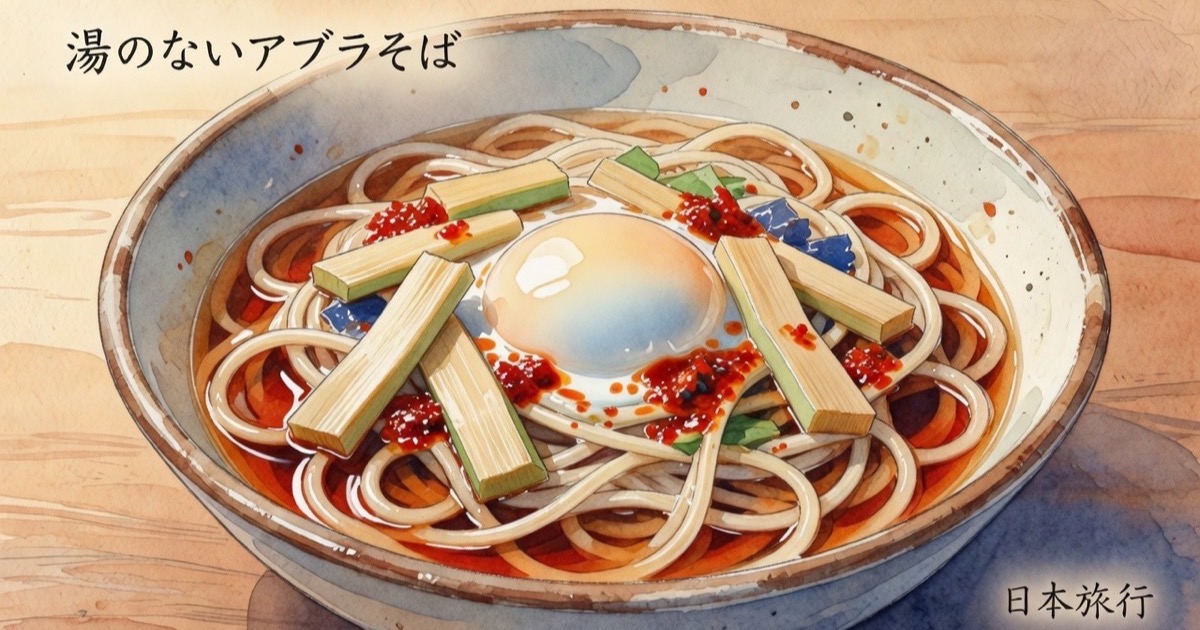
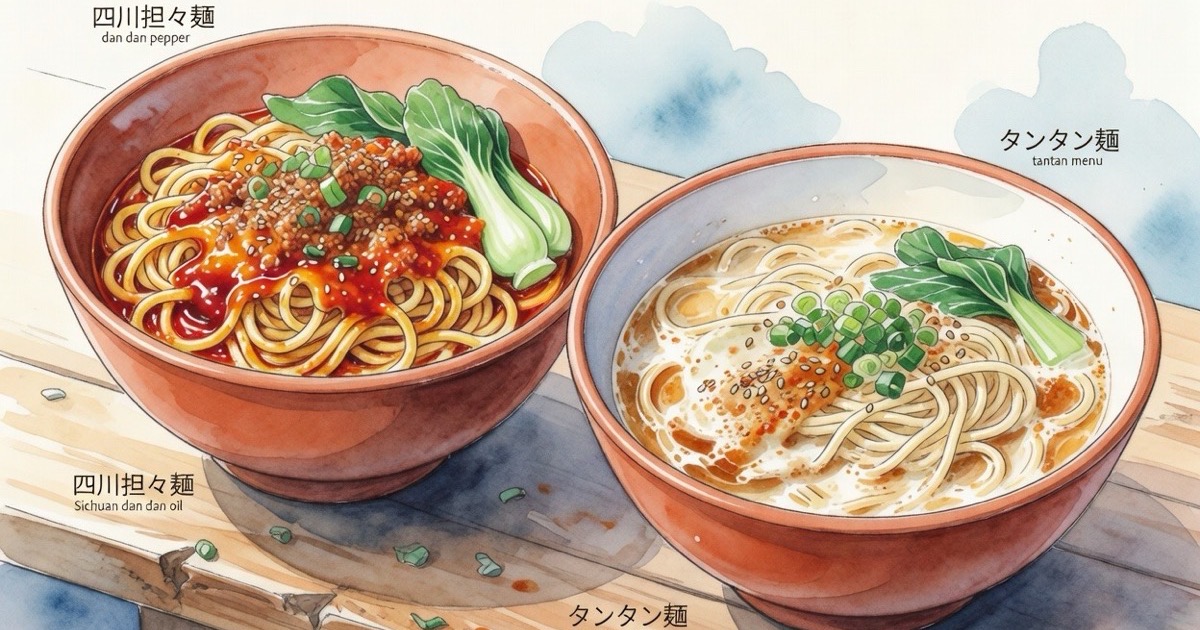
A classic Sichuan Dan Dan bowl has no soup. Instead, a fiery mixture of red chilli oil, black vinegar, soy sauce, and numbing ground Sichuan peppercorn (hua jiao) is placed at the bottom of the bowl. Alkaline wheat noodles are placed on top, finished with dry-fried minced pork and preserved mustard greens (ya cai). You toss the ingredients yourself, resulting in a dry, intensely spicy, and tongue-numbing snack.
The Japanese Migration: Chen Kenmin's Sesame Solution
In the mid-20th century, the legendary Sichuan-born chef Chen Kenmin (the father of the famous 'Iron Chef' Chen Kenichi) immigrated to Japan. He wanted to serve the foods of his homeland, but found that the intense, direct heat and tongue-numbing pepper of Sichuan cuisine were too overwhelming for the Japanese public at the time.
To adapt the dish, Chen Kenmin made two massive changes: he added a rich, chicken-based soup stock to turn it into a comforting noodle soup, and he incorporated a heavy amount of sweet, creamy sesame paste (zhi ma jiang, similar to tahini but made with toasted seeds). The sesame paste tempered the heat and added a velvety mouthfeel. This soup-style variant became known as Tantanmen and spread rapidly across Japan's ramen shops.
Key Differences: A Side-by-Side Comparison
- Soup vs Dry — Sichuan Dan Dan is dry and concentrated, while Japanese Tantanmen is primarily served as a soup, though brothless (shirunashi) versions are popular as a sub-style.
- Heat vs Creaminess — Sichuan Dan Dan emphasizes the numbing (ma) and spicy (la) balance. Japanese Tantanmen focuses on the rich, sweet, and nutty profile of toasted sesame paste (neri-goma) supported by a milder chilli oil.
- The Acid Note — Sichuan Dan Dan relies on dark, sour Chinese black vinegar for brightness. Tantanmen is generally sweeter and less acidic.
- Noodle Types — Dan Dan uses simple wheat noodles; Tantanmen utilizes yellow, springy alkaline ramen noodles designed to hold up in hot broth.
Where to Experience Refining Spice in Tokyo
Tokyo has elevated Tantanmen to an art form. The most famous example is NAKIRYU (鳴龍) in Otsuka, which earned a Michelin star for its silky, complex, and beautifully balanced sesame broth. If you are looking for an intense, numbing experience that blends Sichuan pepper with rich miso, Karashibi Miso Ramen Kikanbo Kanda Honten offers a fantastic, customisable alternative.
Planning a Tokyo Ramen Crawl?
Skip the 90-minute tourist lines. Use our free curated walking routes and ticket machine guides to explore neighborhood counters with confidence.
Former Fukuoka tonkotsu ramen apprentice and creator of Japan Ramen Guide. When not exploring Japan's ramen alleys, I build tools for Japan life like Daruma Japan Life and recommend foreigner-friendly housing through Affarah.