Abura Soba: Soup-less Ramen, Eating Rituals, and Mazesoba Differences
Abura soba is Tokyo's soup-less ramen style built on concentrated tare, hot aroma oils, thick noodles, and a vinegar-chili oil mixing ritual at the counter.
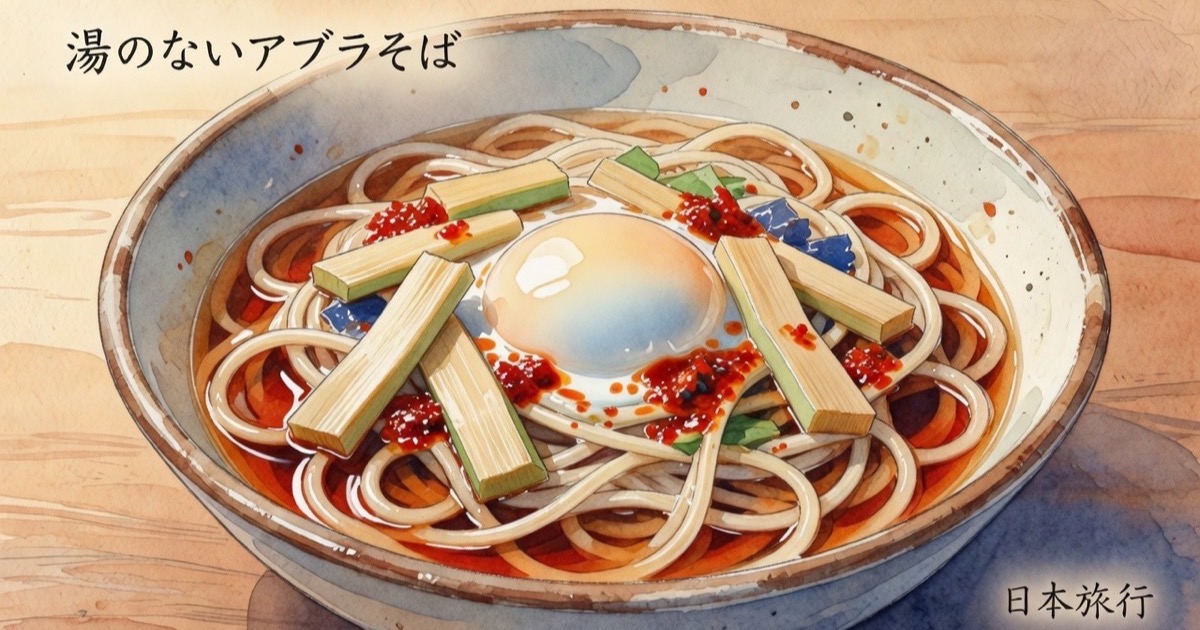
Abura soba (油そば, translating to "oil noodles") is a soup-less style of Japanese ramen. It consists of thick, freshly boiled wheat noodles placed over a shallow puddle of concentrated shoyu tare and seasoned animal or vegetable fat at the bottom of the bowl. You do not sip broth; you immediately add rice vinegar and rayu (chili oil) while the bowl steams, toss the noodles vigorously from the bottom up, and eat while the emulsified starch remains hot.
The Four Components of the Bowl
- The Tare & Oil Base: Before noodles touch the bowl, the cook ladles 1–2 tablespoons of concentrated soy sauce tare and flavored fat (usually rendered pork lard, chicken oil, or garlic-infused sesame oil) into the base.
- Thick-Cut Wheat Noodles: Boiled straight from the kettle and drained without cold-water rinsing. The residual heat and surface starch are essential for bonding the oil and vinegar into a cohesive glaze.
- Classic Toppings: Thinly sliced chashu pork strips, seasoned menma (bamboo shoots), shredded nori seaweed, and finely chopped spring onions.
- Optional Additions: Raw egg yolk (生卵, nama tamago) or soft-boiled onsen tamago to increase creaminess, plus freshly grated garlic, chopped white onion, or grated cheese.
The Tabletop Mixing Ritual
Every abura soba counter provides glass cruets of distilled rice vinegar (酢, su) and rayu chili oil (ラー油). Preparing the bowl is done at the counter by the customer before taking the first bite:
- Add vinegar in circular motions: While the noodles are steaming hot, pour vinegar over the noodles. Use two concentric circular swirls for a regular (namimori) bowl, and three swirls for a large (omori) bowl.
- Add rayu in matching circles: Immediately pour rayu using the same two- or three-circle measure. The vinegar adds acidity to cut the oil; the rayu supplies sesame aroma and mild heat.
- Toss from the bottom up: Dig your chopsticks to the base of the bowl and fold the noodles upward repeatedly for 10–15 seconds. The starch, hot oil, vinegar, and tare will whip together into a shiny, uniform coating.
- Eat without delay: Consume the noodles while hot. If you wait, the noodles cool, starch sets, and the sauce separates into an unpleasantly greasy residue.
Abura Soba vs. Mazesoba vs. Tsukemen
| Feature | Abura Soba (油そば) | Taiwan Mazesoba (台湾まぜそば) | Tsukemen (つけ麺) |
|---|---|---|---|
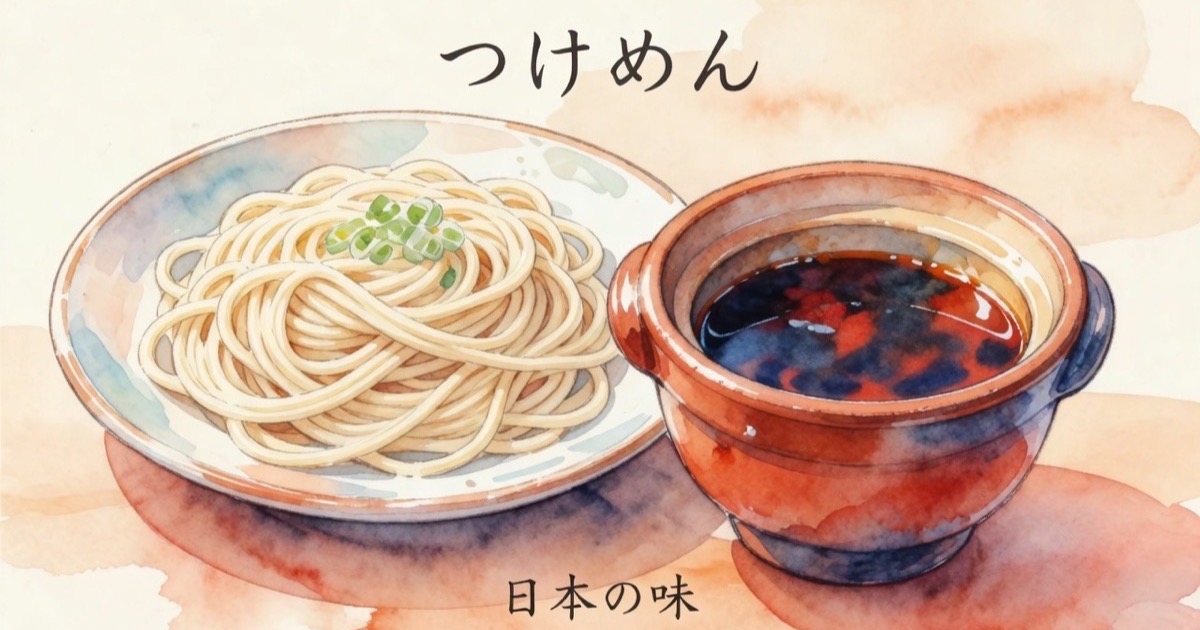
| Broth Format | No soup; shallow oil/tare base | No soup; thick spiced sauce base | Heavy dipping soup served in separate bowl |
| Seasoning Method | Customer pours vinegar & rayu at counter | Chef dresses fully; customer stirs together | Dipped bite-by-bite into hot broth |
| Signature Toppings | Chashu strips, menma, shredded nori | Spiced minced pork, raw egg yolk, raw garlic, chives, fish powder | Chashu slabs, ajitama, nori, soup-wari broth finish |
| Birthplace & Era | Musashino / Kunitachi, Tokyo (1950s) | Nagoya (Menya Hanabi, 2008) | Taishoken Nakano, Tokyo (1955) |
| Flavor Profile | Tangy, savory, sesame-scented, light finish | Punchy, garlicky, fiery, rich emulsion | Intense smoky fish-pork umami |
Where It Started
Abura soba originated in western Tokyo during the mid-1950s. Two shops—Chinchintei near Musashisakai Station and Sankokuken near Hitotsubashi University in Kunitachi—are widely recognized as pioneers. They created the dish as an economical meal for university students. Because brewing hundreds of liters of meat bone stock requires hours of gas and raw ingredients, omitting the soup allowed shops to serve dense bowls at roughly half the standard ticket price.
Recommended Tokyo Shops
Specialty chain Tokyo Abura Gumi Sohonten Ginza Gumi operates counters across Ginza, Shibuya, and Shinjuku, serving standardized house-made noodles with complimentary regular, large, and double-portion sizing. In Tokyo Station, Ganso Aburadou Tokyo Ramen Yokocho Ten serves modern abura soba alongside self-serve infused teas.
Frequently asked questions
Is abura soba healthier than regular ramen?
Omitting the 300ml to 400ml of pork-bone or chicken stock reduces overall sodium intake, since most salt in standard ramen sits in the soup. However, abura soba still features calorie-dense wheat noodles and vegetable or pork fat.
Can I order abura soba without chili oil?
Yes. The rayu chili oil is kept in cruets on the counter, so you control how much or how little you add to your bowl.
What is oimeshi?
Oimeshi (追い飯) is a small scoop of steamed white rice added to the bowl after finishing the noodles. It is stirred into the remaining tare, fat, and toppings at the bottom of the bowl.
Browse ranked shops in Tokyo
Mapped list with ratings, stations, and tourist-friendly filters.
Best ramen in TokyoTokyo ramen planning
Explore Tokyo by neighborhood and trip style
Open the full Tokyo guidePlanning a Tokyo Ramen Crawl?
Skip the 90-minute tourist lines. Use our free curated walking routes and ticket machine guides to explore neighborhood counters with confidence.
Former Fukuoka tonkotsu ramen apprentice and creator of Japan Ramen Guide. When not exploring Japan's ramen alleys, I build tools for Japan life like Daruma Japan Life and recommend foreigner-friendly housing through Affarah.