Iekei Ramen Explained: Yokohama's Rich Shoyu-Tonkotsu Hybrid
Born in Yokohama in 1974, Iekei ramen is a legendary hybrid of rich Kyushu-style pork broth and dark Tokyo soy sauce, topped with spinach, nori, and chicken oil.
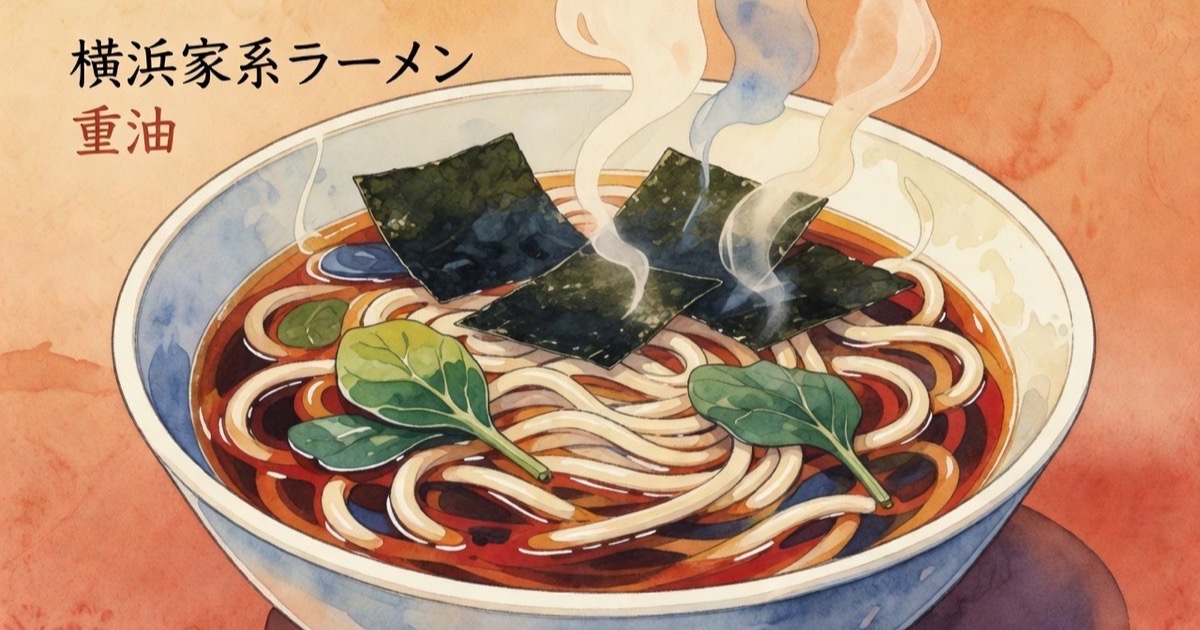
If you walk into a Japanese ramen shop and spot thick, straight noodles swimming in a creamy, dark brown broth topped with three sheets of nori and a handful of bright green spinach, you have found Iekei Ramen (家系ラーメン). Originating in the coastal city of Yokohama, this sub-genre has become one of Japan's most successful culinary exports, bridging the gap between delicate Tokyo styles and the heavy, pork-bone-driven broths of Kyushu.
The Birth of a Legend: Yokohama 1974
In 1974, a former truck driver named Yoshimura Minoru had a simple but revolutionary idea. He wondered what would happen if he combined the thick, rich, emulsified pork-bone broth (tonkotsu) of Kyushu with the dark, savoury soy sauce (shoyu) broth of traditional Tokyo ramen. He opened a shop called Yoshimuraya (吉村家) in Yokohama to test his theory.
The response was immediate and overwhelming. The broth was richer than anything Tokyo had tasted, yet had a deeper, saltier punch than Kyushu's pure pork soups. Yoshimura-san's apprentices went on to open their own shops, almost all appending the character -ya (家, meaning house or family) to their names. Thus, the style became known as Iekei, which translates literally to 'house-style' or 'family-line' ramen.
What Defines a Bowl of Iekei?
The Broth: Emulsified and Assertive
The foundation of Iekei ramen is tonkotsu-shoyu. Pork bones (and sometimes chicken carcasses) are boiled for hours at high heat until the marrow, collagen, and fat completely emulsify into a creamy, opaque soup. This base is seasoned with a dark, concentrated shoyu tare (soy sauce seasoning) and slicked with a generous layer of hot chiyu (clear chicken oil) which seals in the heat.
The Noodles: Thick, Short, and Flat
Unlike the thin, hard noodles of Hakata tonkotsu, Iekei ramen uses thick, flat, and relatively short noodles. They are specifically designed to carry the heavy broth without becoming sodden. Historically, the most respected Iekei shops source their noodles from Sakai Seimen, a legendary noodle maker that initially only supplied shops with direct lineage to Yoshimuraya.
The Essential Toppings
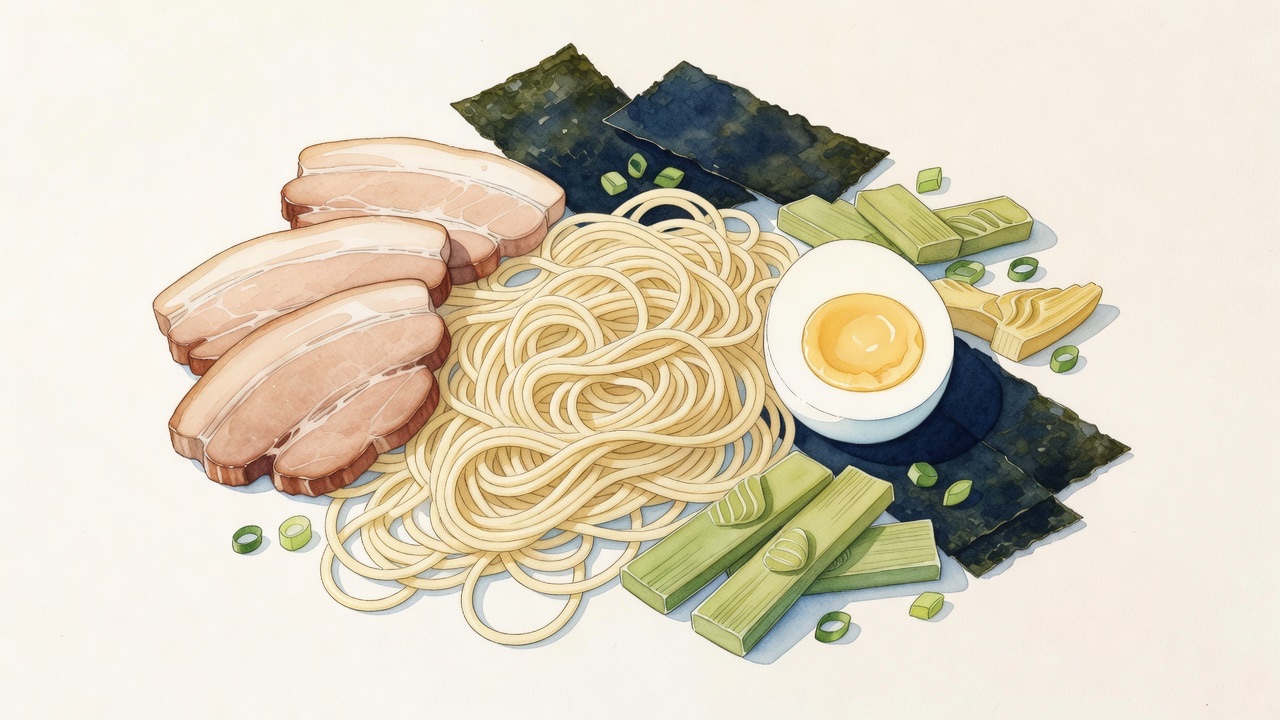
- Hourenso (Spinach) — Lightly boiled spinach is a mandatory topping. Its mineral bitterness cuts through the heavy fat of the broth, acting as a palate cleanser.
- Nori (Seaweed) — Three large, thick sheets of nori are placed upright against the back of the bowl. They are designed to absorb the chicken-oil-rich soup.
- Chashu — Slices of tender, slow-braised or lightly smoked pork shoulder.
The Ritual of Customisation (Konomiseido)
When you hand your ticket to the chef at an Iekei shop, they will ask you for your preferences. This process of customisation is central to the Iekei experience. You can choose three parameters:
- Noodle Firmness (Men no katasa): Choose Katame (firm), Futsuu (regular), or Yawarakame (soft). Firmer is the most popular choice.
- Broth Richness/Saltiness (Aji no koisa): Choose Koime (strong/salty), Futsuu (regular), or Usume (light).
- Chicken Oil Quantity (Abura no oosa): Choose Oome (extra oil), Futsuu (regular), or Sukuname (less oil).
The Tabletop Condiments
Once your bowl arrives, you are expected to customise it further as you eat. Iekei counters are famously loaded with jars of grated garlic, grated ginger, black pepper, vinegar, and doubanjiang (spicy chilli paste). Adding garlic and a splash of vinegar halfway through eating is highly recommended to transform the heavy pork flavours.
The ultimate insider move: order a bowl of white rice. Soak a piece of the broth-drenched nori in the chicken oil, wrap it around a mouthful of rice, and eat. It is arguably the best bite in the shop.
Where to Taste Yokohama's Legacy
To experience the absolute origin, a trip to Yokohama to visit Yoshimuraya is required, though queues frequently exceed two hours. In Tokyo, you can find excellent independent representations of the style, as well as massive chains. When searching, look for the 'ya' suffix on the signboard.
Browse ranked shops in Yokohama
Mapped list with ratings, stations, and tourist-friendly filters.
Best ramen in YokohamaPlanning a Tokyo Ramen Crawl?
Skip the 90-minute tourist lines. Use our free curated walking routes and ticket machine guides to explore neighborhood counters with confidence.
Former Fukuoka tonkotsu ramen apprentice and creator of Japan Ramen Guide. When not exploring Japan's ramen alleys, I build tools for Japan life like Daruma Japan Life and recommend foreigner-friendly housing through Affarah.