Shio Ramen Guide: Clear Salt Broth, Hakodate Roots, and Top Tokyo Shops
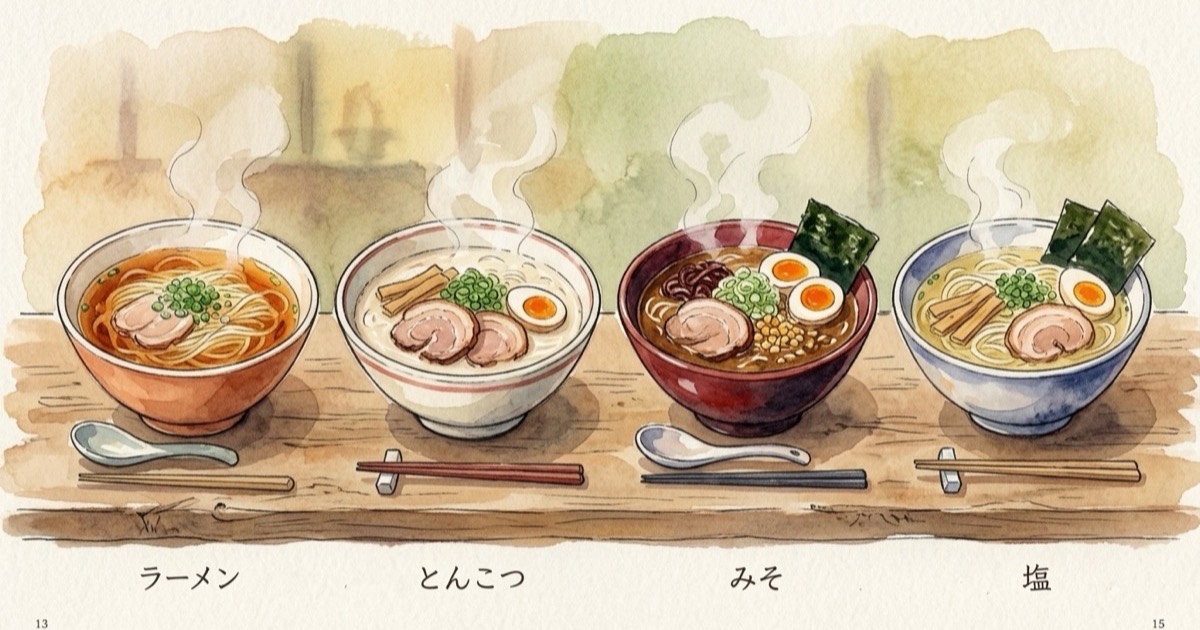
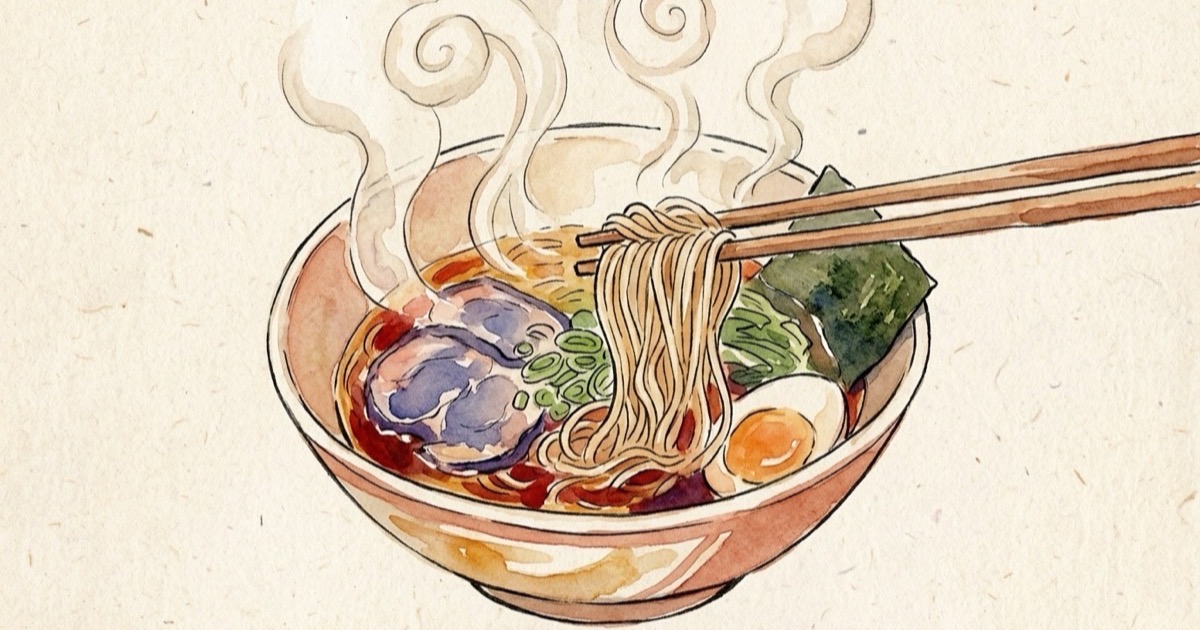
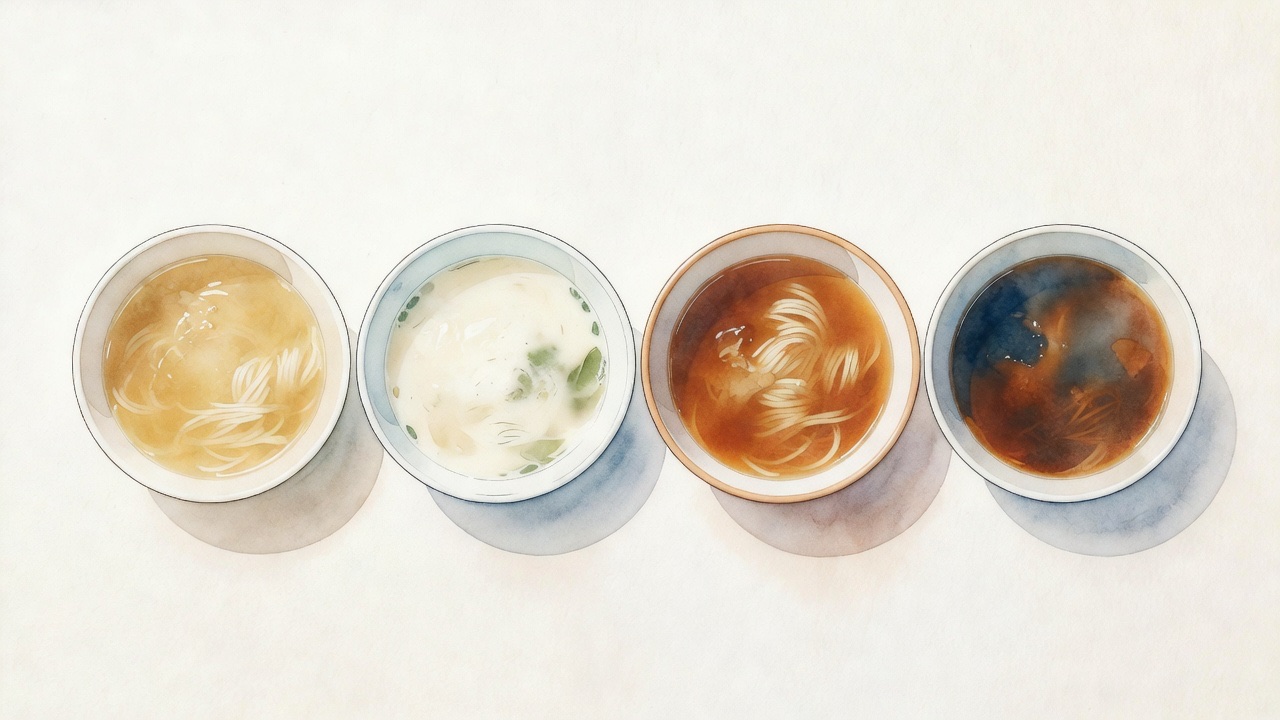
Shio ramen is Japan's oldest and most transparent style. Salt tare, chicken dashi, and kombu create a golden broth with nowhere for flaws to hide. Here are the regional roots, flavor mechanics, and five top shops to visit.
Shio (salt) ramen is the clearest and oldest recognized ramen style in Japan. Where tonkotsu masks rough edges behind emulsified pork fat and miso relies on strong fermented paste, shio leaves the soup base naked. A bowl of shio ramen succeeds or fails on the purity of its stock and the balance of its salt tare.
The Roots: Hakodate and Early Port History
Shio ramen traces back to 1884 in the port city of Hakodate, Hokkaido. Chinese merchants and cooks at the restaurant Yowaken served nankinba (Nanjing noodles), a simple salt-seasoned chicken and seafood broth designed for southern Chinese sailors. While Sapporo later became famous for rich winter miso, Hakodate preserved this light, golden tradition. Today, Hakodate shio ramen remains pale, clear, and focused on dried kelp (ma-kombu) harvested along the Oshima Peninsula.
The Mechanics of Shio Tare and Broth
Making shio broth requires simmering whole chickens, chicken backs (torigara), and dried seafood at a low simmer below 85°C (185°F). Boiling rapidly creates a cloudy paitan emulsion; gentle extraction produces a shimmering, transparent chintan.
The defining component is the salt tare (seasoning base). Chefs rarely use plain table salt. Instead, they blend multiple mineral-rich varieties to provide layered salinity:
- Okinawan Sea Salt (Yukisio or Aguni): High in magnesium and potassium, delivering a rounded sweetness rather than a harsh bite.
- Moshio (Seaweed Salt): Made by boiling seawater with sargassum seaweed, infusing natural umami and amber color directly into the crystals.
- Rock Salt: Mongolian or Himalayan rock salts add sharp, crystalline structure that cuts through rendered chicken fat (chiyu).
- Dried Shellfish Extracts: Dried scallops (hotate), dried clams (asari), and sake are simmered into the tare to supply succinic acid, which amplifies savoriness.
Noodle Pairing: Why Shio Demands Thin, Straight Strands
Because shio soup has low viscosity, it slides right off heavy or wavy noodles. Shio shops pair their broth with thin, straight noodles (hosomen) made with moderate hydration. The straight strands line up closely in the soup, drawing liquid up between them via capillary action so you get balanced broth in every mouthful.
Top Shio Ramen Specialists in Tokyo
- Raa Menya Shima (西新宿): Located near Nishi-Shinjuku Station, Shima is widely ranked among Tokyo's top three artisan ramen counters. The shio bowl combines chicken dashi with deep clam and sea bream stock. Queue begins 45 minutes before opening; closes when sold out.
- Ginza Hachigo (銀座): Holds Michelin Bib Gourmand honors for a broth constructed without traditional tare. French sea salt and cured prosciutto simmer directly in duck and chicken stock, finished with freshly cracked black pepper.
- Konjiki Hototogisu (新宿御苑): Infuses shio broth with hamaguri clam dashi, white truffle oil, and porcini paste for a rich, aromatic finish.
- AFURI (Harajuku / Ebisu): The most accessible high-quality shio bowl in Tokyo. Chicken stock brightened with tart yuzu juice and topped with binchotan-grilled pork belly.
Browse ranked shops in Tokyo
Mapped list with ratings, stations, and tourist-friendly filters.
Best ramen in TokyoTokyo ramen planning
Explore Tokyo by neighborhood and trip style
Open the full Tokyo guidePlanning a Tokyo Ramen Crawl?
Skip the 90-minute tourist lines. Use our free curated walking routes and ticket machine guides to explore neighborhood counters with confidence.
Former Fukuoka tonkotsu ramen apprentice and creator of Japan Ramen Guide. When not exploring Japan's ramen alleys, I build tools for Japan life like Daruma Japan Life and recommend foreigner-friendly housing through Affarah.