Ramen Noodles Explained: Thick, Thin, Wavy, Flat and Everything Between
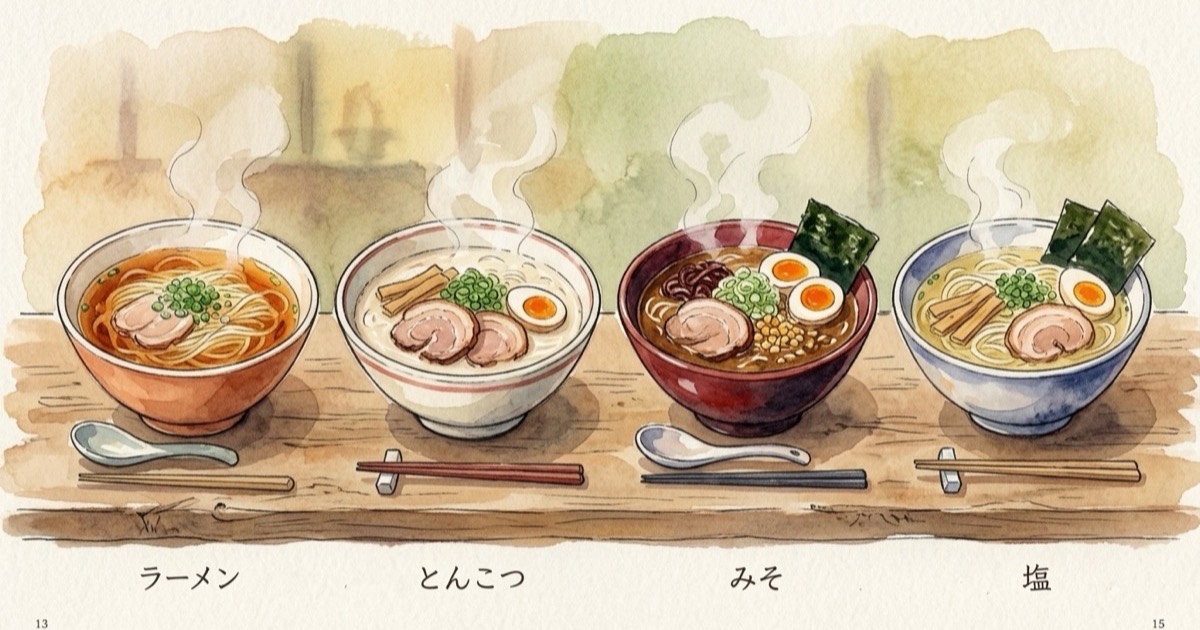
Straight thin noodles go with shio and tonkotsu, wavy thick noodles hold miso broth. Here is the hydration and shape pairing logic Japanese ramen chefs use.
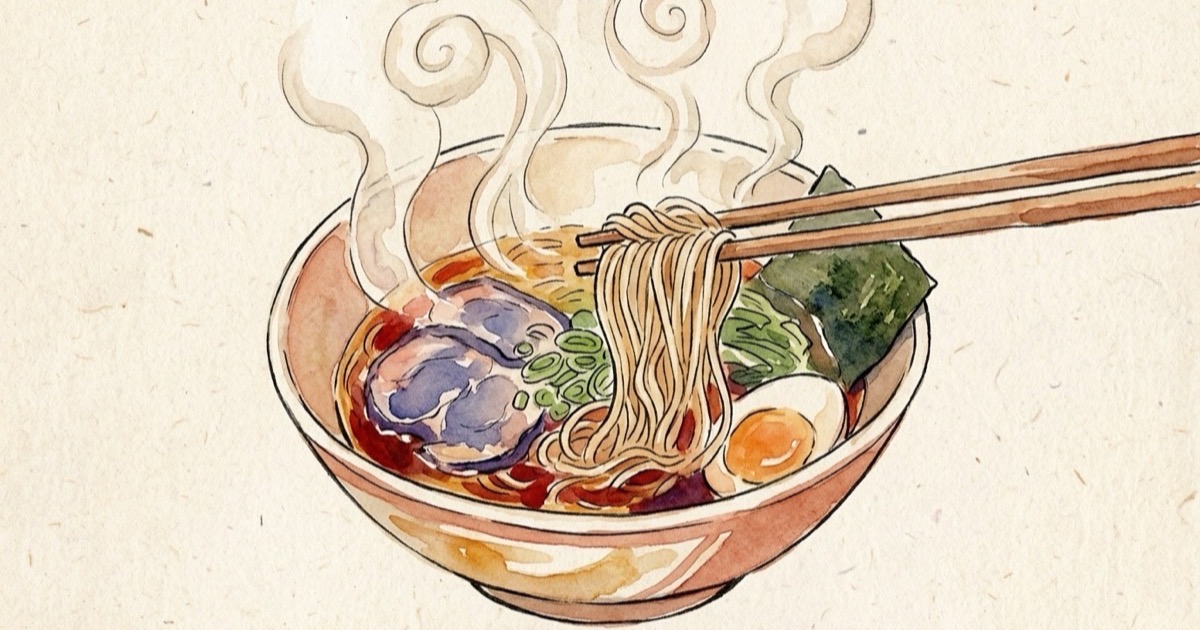
Ask a ramen chef what they're most proud of and many will point to their noodles — not their broth. Noodles are the variable that changes how a bowl feels in the mouth, how it holds the broth, how quickly it softens, and how satisfying the last few bites are. Getting them wrong ruins a good broth. Getting them right elevates it.
Understanding how ramen noodles are made, hydration science, and alkaline kansui reactions
What Makes a Ramen Noodle
Ramen noodles are made from wheat flour, water, salt, and an alkaline agent called kansui — a solution of potassium carbonate and sodium bicarbonate. The alkaline treatment is what separates ramen noodles from other wheat noodles. It raises the pH of the dough, causing a chemical reaction that makes the noodles firmer, springier, and faintly yellow. It also changes the flavour slightly — that distinctive taste in good ramen noodles isn't the broth, it's the kansui.
The Key Variables
Thickness
Thin noodles (细面, hosomen) are typical of Hakata-style tonkotsu — they cook fast, pair well with intense broths, and are traditionally refilled (kaedama) rather than ordered in larger portions. Thick noodles (太麺, futomen) hold up better to lighter broths and have more chew — they're common in ie-kei and tsukemen.
Straight vs Wavy
Straight noodles slide through broth cleanly and are typical of Tokyo shoyu and Hakata tonkotsu styles. Wavy or curly noodles (縮れ麺, chijiremen) capture more broth in their curves — they're dominant in Sapporo miso ramen and some shoyu styles where you want more broth in every bite.
Hydration Level
High-hydration noodles are softer and silkier but go mushy faster. Low-hydration noodles are firmer and hold their texture longer in hot broth. Most serious shops calculate their noodle hydration specifically for their broth temperature and service speed — a high-turnover shop in Fukuoka uses different noodles from a slow-paced Tokyo counter.
Regional Noodle Traditions
- Hakata (Fukuoka): Ultra-thin, straight, low hydration. Designed to cook in seconds in the rapid service style of Hakata-style shops.
- Sapporo (Hokkaido): Medium-thick, wavy. Designed to hold the rich miso broth and stay warm in cold weather.
- Tokyo: Medium, slightly wavy or straight. Versatile — works across shoyu and lighter tonkotsu styles.
- Kitakata: Flat, wavy (hego noodles). The most distinctive regional noodle in Japan — wide, flat, and with an unusual texture from high hydration.
- Ie-kei (Yokohama): Thick, straight. Built to survive the heavy tonkotsu-shoyu broth without going soft.
Fresh vs Dried
Most serious ramen shops use fresh or chilled noodles, not dried. Fresh noodles have better texture but shorter shelf life. Some high-end shops make noodles daily and only serve until they run out — an early sign that quality is taken seriously. Read more about the styles these noodles serve in our ramen style guide and the Sapporo ramen guide.
Browse ranked shops in Hokkaido
Mapped list with ratings, stations, and tourist-friendly filters.
Best ramen in HokkaidoPlanning a Tokyo Ramen Crawl?
Skip the 90-minute tourist lines. Use our free curated walking routes and ticket machine guides to explore neighborhood counters with confidence.
Former Fukuoka tonkotsu ramen apprentice and creator of Japan Ramen Guide. When not exploring Japan's ramen alleys, I build tools for Japan life like Daruma Japan Life and recommend foreigner-friendly housing through Affarah.