What Is the Ramen Capital of Japan? The Data-Backed Answer
Which Japanese city truly deserves the crown of 'Ramen Capital'? We look at shop density, spending statistics, and historical significance to crown the true winner.
Ask any group of travellers to name the official ramen capital of Japan, and you will spark a passionate debate. Some will insist on Tokyo for its volume and Michelin recognition, others will argue for Fukuoka as the home of tonkotsu, and cold-weather travellers will champion Sapporo's miso. However, when we look at official government data, shop density per capita, and historical influence, a surprising new hierarchy emerges. Let's dig into the numbers to crown the true capital.
The Household Spending Champion: Yamagata City
If you define a capital by how much its citizens love the food, Yamagata City in northern Japan takes the crown. According to the Ministry of Internal Affairs' annual household spending survey, Yamagata consistently ranks number one in Japan for ramen consumption. In fact, a typical Yamagata household spends more money at ramen restaurants than anywhere else in the nation, even beating out major metropolitan centres. This noodle obsession is fuelled by cold winters, a high number of local shops, and a unique culture of hospitality where ordering hot ramen delivery for visiting guests is the ultimate sign of welcome.
The Shop Density Leader: Kitakata
If density is your metric, then the tiny town of Kitakata in Fukushima Prefecture is the undisputed king. With a population of under 50,000, Kitakata boasts over 120 active ramen shops. This translates to the highest concentration of ramen shops per capita in all of Japan. Here, ramen is not just lunch; it is a morning ritual. Many shops open at 7:00 AM to serve workers coming off night shifts or early risers in a tradition known as 'asa-ra' (morning ramen).
How the Contenders Stack Up
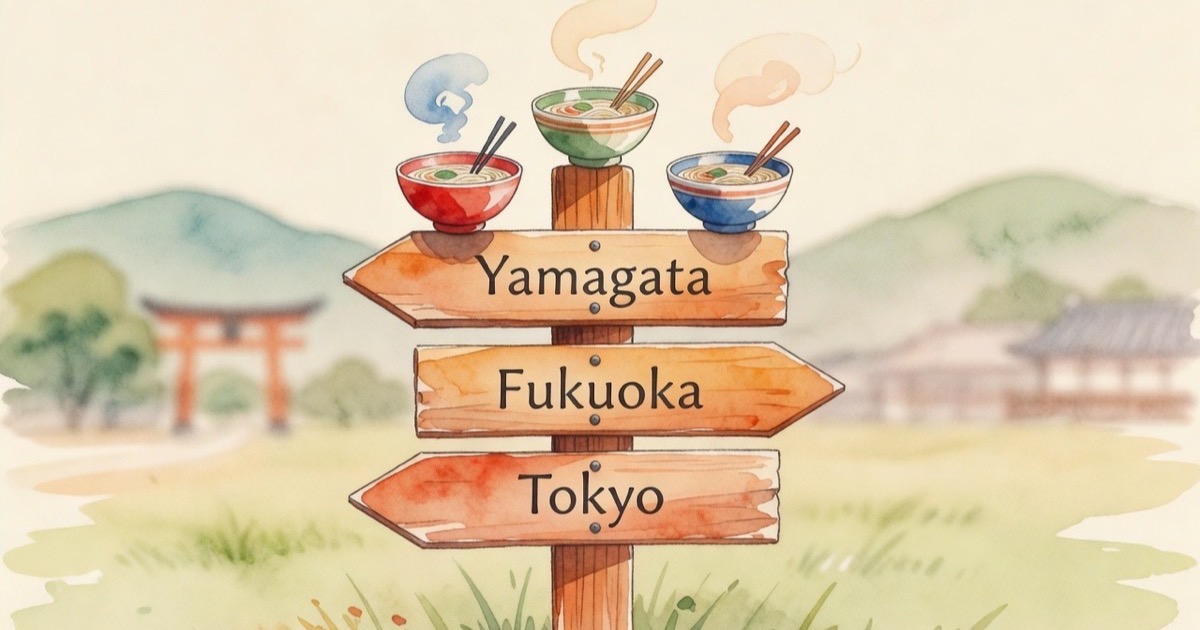
- Yamagata City — The national spending champion, famous for its cold ramen (hiyashi ramen) and massive consumption rates.
- Kitakata — The density champion, home to a legendary clear pork-bone shoyu soup and thick, hand-kneaded curly noodles.
- Fukuoka — The global influence capital, whose thin, straight-noodle tonkotsu style has conquered the international culinary scene.
- Tokyo — The sheer volume leader, with over 10,000 shops and the highest concentration of high-end, award-winning counters.
The Innovation and Michelin Capital: Tokyo
While Yamagata and Kitakata hold the local data titles, Tokyo is the capital of quality and innovation. As explored in our Tokyo vs Osaka vs Fukuoka comparison, Tokyo's massive competitive market forces chefs to innovate constantly, resulting in the world's most refined and technically complex bowls, including several Michelin-starred counters.
Where to Begin Your Pilgrimage
Whether you want to try the spending champion's favourite bowls or Tokyo's refined innovations, you can find mapped locations and ratings on our National Browse Page.
Frequently Asked Questions
Why is Yamagata so obsessed with ramen?
The region's cold climate makes hot noodle soups highly appealing. Additionally, Yamagata has a strong tradition of eating out, and local shops are highly integrated into daily social life.
Which city is best for first-time visitors?
Tokyo is the best starting point due to the sheer variety of styles available, followed by Fukuoka if you love rich pork-bone broth, or Sapporo if you prefer warming miso.
Planning a Tokyo Ramen Crawl?
Skip the 90-minute tourist lines. Use our free curated walking routes and ticket machine guides to explore neighborhood counters with confidence.
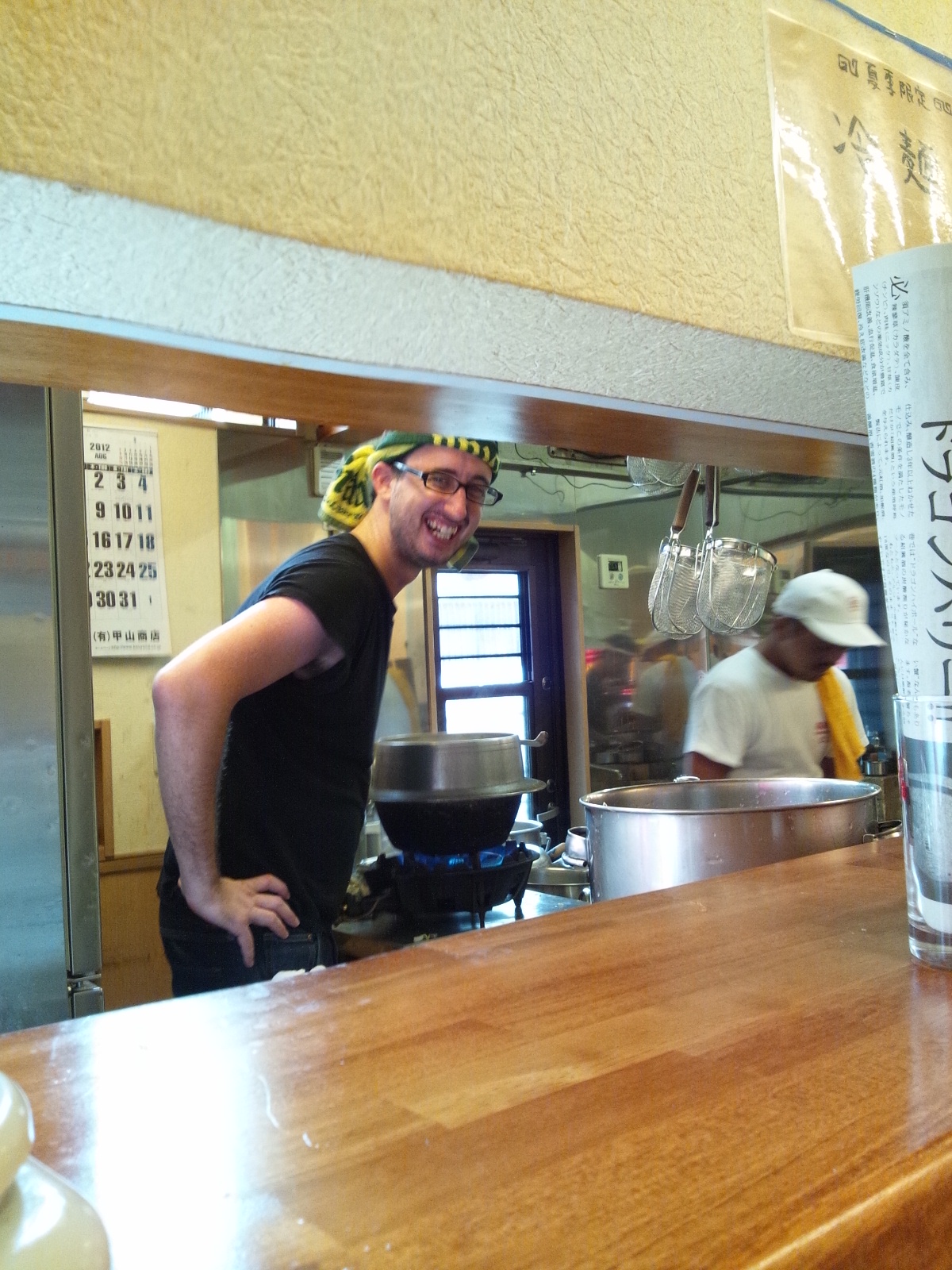
Former Fukuoka tonkotsu ramen apprentice and creator of Japan Ramen Guide. When not exploring Japan's ramen alleys, I build tools for Japan life like Daruma Japan Life and recommend foreigner-friendly housing through Affarah.