The Kyushu Tonkotsu Trail: Fukuoka, Kumamoto, Kagoshima
Kyushu is the undisputed homeland of pork-bone ramen. Embark on a journey down the tonkotsu trail, exploring the differences between Fukuoka, Kumamoto, and Kagoshima bowls.
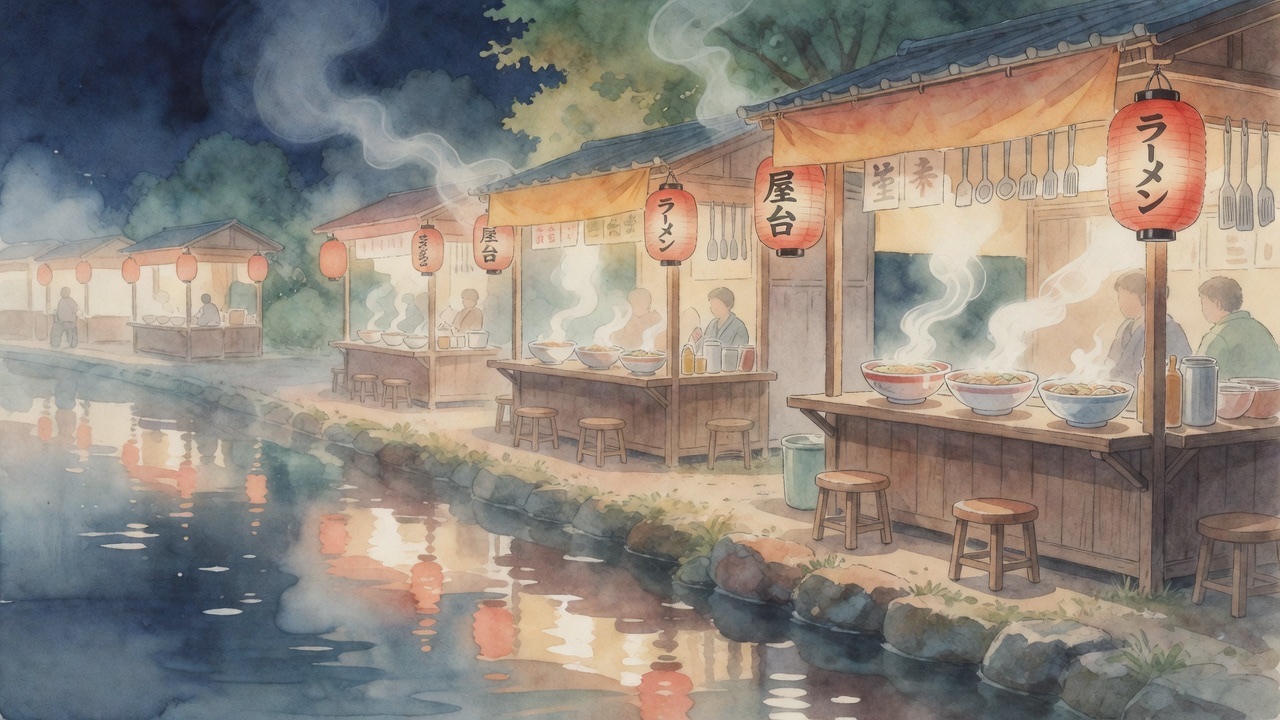
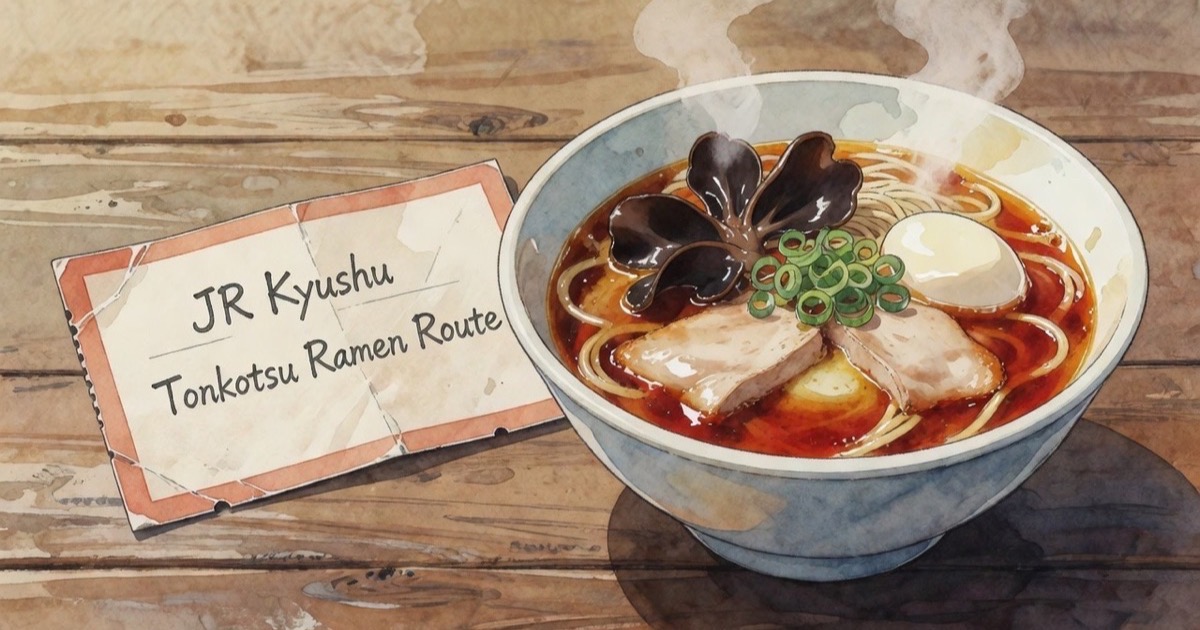
Kyushu, the southernmost of Japan's four main islands, is the spiritual birthplace and undisputed homeland of tonkotsu (pork bone) ramen. First brewed in the 1930s as a cheap, high-energy meal for fish market labourers, this creamy, opaque broth has become a global obsession. However, tonkotsu is not a single style. To truly understand pork-bone ramen, you must travel down the Kyushu Tonkotsu Trail (while you can take the Shinkansen, renting a car through Discover Cars gives you full freedom to detour through remote garlic oil specialists and mountain passes), comparing the distinct bowls of Fukuoka, Kumamoto, and Kagoshima.
Stop 1: Fukuoka — The Emulsified Birthplace
The trail starts in Fukuoka (historically Hakata), the absolute epicentre of the tonkotsu cult. As detailed in our Fukuoka Ramen Guide, Hakata tonkotsu is characterised by a pure pork-bone broth boiled at a rolling boil for 12–18 hours until the marrow and fats are fully emulsified. The resulting soup is milky-white, rich, and slightly funky. It is paired with ultra-thin, straight noodles and simple toppings like thin slices of chashu, green onions, and pickled red ginger (beni shoga).
Stop 2: Kumamoto — The Smoky Garlic Upgrade
Heading south to Kumamoto, the pork-bone broth changes. Chefs here mix pork bones with chicken carcasses, resulting in a soup that is slightly lighter and less pungent than Hakata's pure pork base. However, Kumamoto makes up for this lightness with a massive hit of garlic. The signature Kumamoto bowl is topped with a generous drizzle of mayu (black roasted garlic oil) and crispy fried garlic chips, imparting a smoky, bitter-sweet complexity that elevates the pork broth to new heights.
Stop 3: Kagoshima — The Kurobuta and Chicken Hybrid
At the southern tip of Kyushu, Kagoshima ramen offers a unique departure from standard tonkotsu rules. Heavily influenced by historical trade links with Okinawa and Taiwan, Kagoshima broth is a clear to semi-opaque soup made from local Kurobuta (black pork) bones, chicken stock, and local vegetables. The noodles are noticeably thicker, softer, and chewier than the thin noodles of the north, and the bowl is always served with a plate of sweet pickled turnip (takuan) as a palate cleanser.
Comparing the Kyushu Contenders
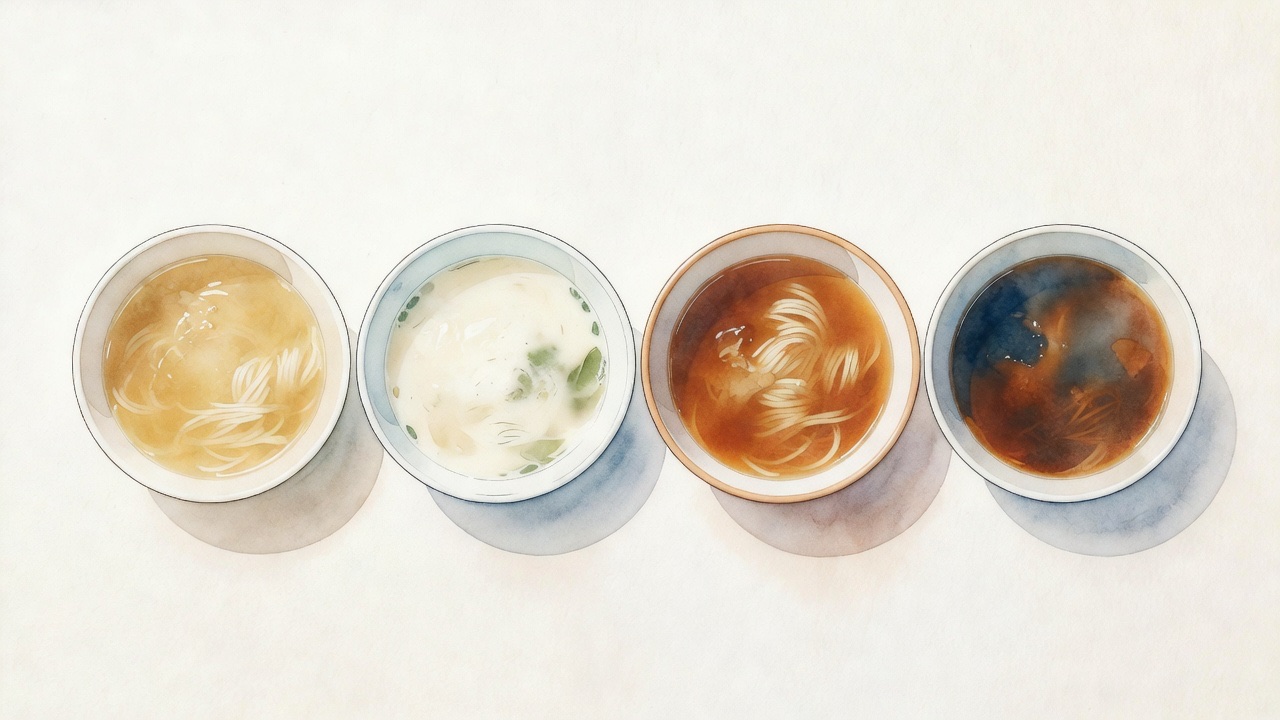
- Fukuoka (Hakata) — Pure emulsified pork stock, thin straight noodles, and kaedama (extra noodle refill) culture.
- Kumamoto — Pork and chicken blend, medium-thick noodles, and heavy use of black mayu roasted garlic oil.
- Kagoshima — Kurobuta pork and chicken stock, thick soft noodles, topped with sliced cabbage and local pickles.
How to Conquer the Trail Like a Local
- Customise your noodle firmness — In Fukuoka, always ask for 'barikata' (very firm) noodles so they don't get soggy in the hot soup.
- Order Kaedama properly — Leave some broth in your bowl; when you finish your noodles, order a refill (kaedama) and mix it into the remaining soup.
- Cleanse your palate — In Kagoshima, eat the complimentary pickled radish between spoonfuls of broth to refresh your taste buds.
Where to Sample Kyushu's Best Tonkotsu
While traveling Kyushu offers the most authentic trail experience, you can explore rated outposts and plan your itinerary on our dedicated Fukuoka and Kumamoto pages.
Frequently Asked Questions
Why are Kyushu ramen noodles so thin?
Hakata's thin straight noodles were originally designed for busy fish market workers. They cooked in under a minute, allowing workers to eat quickly and get back to work. Because they absorb soup fast, portion sizes are kept small, and extra noodles (kaedama) are ordered separately.
What is mayu oil made of?
Mayu is made by slowly frying garlic cloves in oil over several stages until they are completely charred black. The black garlic is then blended with sesame oil to create a bitter, aromatic condiment.
Browse ranked shops in Fukuoka
Mapped list with ratings, stations, and tourist-friendly filters.
Best ramen in FukuokaPlanning a Tokyo Ramen Crawl?
Skip the 90-minute tourist lines. Use our free curated walking routes and ticket machine guides to explore neighborhood counters with confidence.
Former Fukuoka tonkotsu ramen apprentice and creator of Japan Ramen Guide. When not exploring Japan's ramen alleys, I build tools for Japan life like Daruma Japan Life and recommend foreigner-friendly housing through Affarah.