We Mapped 1,100+ Ramen Shops Across Japan: Prices, Ratings & Styles (2026)
An original data look at 1,100+ curated ramen shops on Japan Ramen Guide — average ratings, city coverage, style patterns, and what the numbers mean for travellers planning a 2026 trip.
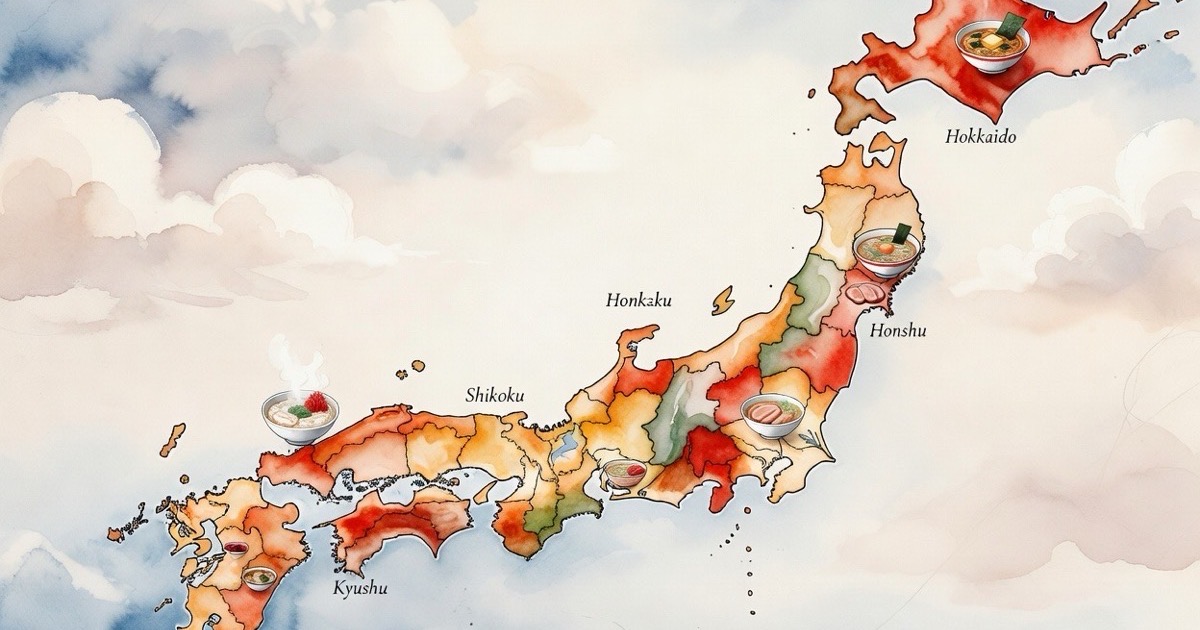
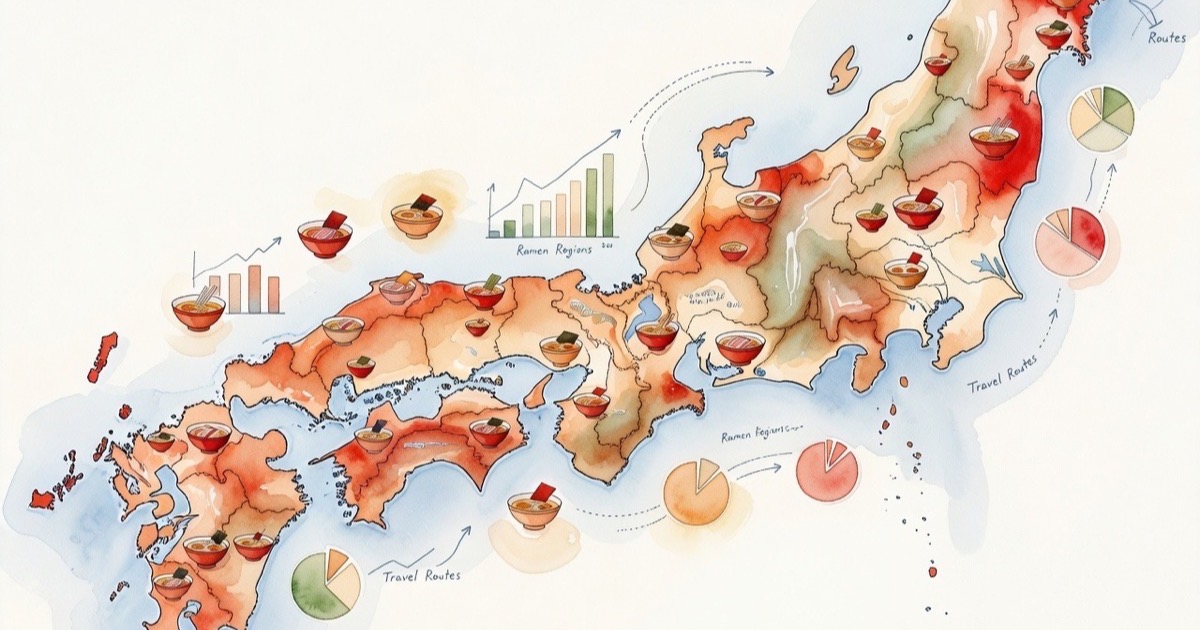
Most “best ramen” lists are vibes. We built something different: a living dataset of 1,100+ ramen shops across Japan — ratings, cities, styles, stations, and tourist-facing features — published as ranked city pages and a national map. This post is a snapshot of what that dataset shows in mid-2026.
What's in the dataset
- ~1,100 shops with English-friendly fields (name, city, broth styles, station, price band where known).
- Tabelog-linked ratings where available — Japan's most trusted restaurant scores (see What is Tabelog?).
- City coverage spanning Tokyo, Osaka, Fukuoka, Kyoto, Hokkaido cities (Sapporo area, Asahikawa, Hakodate), Kumamoto, Hiroshima, Nagoya, Kitakata, and more.
- Tourist signals — multilingual menus, card acceptance, kids-friendly flags where collected.
City coverage at a glance (mid-2026)
Inventory is uneven on purpose: we prioritised cities travellers actually search. Approximate live counts on Japan Ramen Guide:
- Tokyo — largest cluster (~230+ in dataset).
- Osaka — ~100.
- Kyoto, Fukuoka, Yokohama, Hiroshima, Kumamoto, Hokkaido cities — typically 40–60 each where fully loaded.
- Specialist towns (Kitakata, Asahikawa, Hakodate) — dense relative to population.
Browse any city: start at Tokyo, Osaka, Kyoto, or the full national browse + map.
What ratings mean in practice
On Tabelog, a 3.5+ is already excellent — the scale is compressed compared with Google. In our set, top-shelf shops cluster in the high 3s; chasing only 4.0+ will empty your itinerary. Use ratings to shortlist, then filter by station and hours.
Style patterns travellers should know
- Tokyo — Shoyu and tsukemen dominate prestige lists; every style exists.
- Fukuoka / Kumamoto — Tonkotsu gravity well; Kumamoto adds mayu garlic oil.
- Hokkaido — Miso in Sapporo, shoyu double-soup in Asahikawa, shio in Hakodate.
- Kyoto / Osaka — Less single-style dogma; rich shoyu and bold bowls thrive.
Price reality check
For trip planning, allow ¥1,000–¥1,500 for a standard bowl; recorded menu bands still include cheaper shops, while tourist corridors and premium toppings can cost more. Full narrative breakdown: How much is a bowl of ramen in Japan? and Tokyo under ¥1,000.
How to use this data on your trip
- Pick 1–2 cities and open their /ramen/{city} pages.
- Sort mentally by station clusters, not by absolute rating rank alone.
- Save 3 backups near each sightseeing block (queues and sold-outs are real).
- Use chains as insurance, not as the whole itinerary.
This dataset is maintained for travellers — not as a closed academic index. Counts and ratings shift as we add shops and as Tabelog scores move.
For journalists & bloggers
If you're writing about Japan food travel and need a citeable snapshot of national ramen inventory, link this page or the city maps. Embeddable map tools and deeper cut-downs (average rating by city, style frequency) are on our roadmap — contact via the site for dataset questions.
Planning a Tokyo Ramen Crawl?
Skip the 90-minute tourist lines. Use our free curated walking routes and ticket machine guides to explore neighborhood counters with confidence.
Former Fukuoka tonkotsu ramen apprentice and creator of Japan Ramen Guide. When not exploring Japan's ramen alleys, I build tools for Japan life like Daruma Japan Life and recommend foreigner-friendly housing through Affarah.