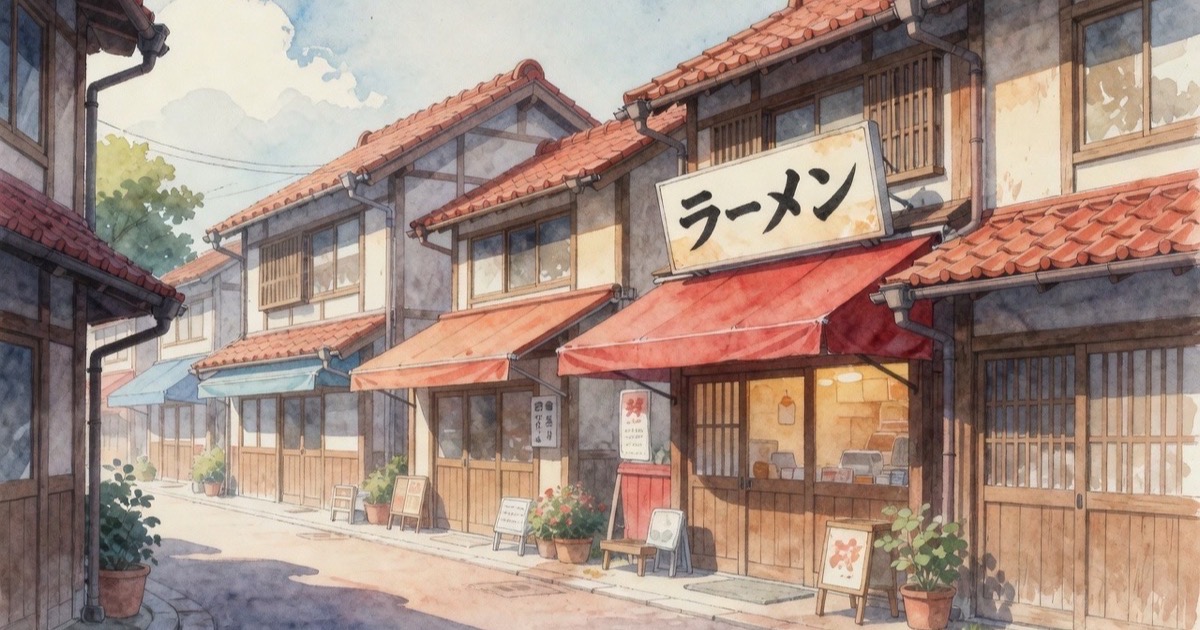
Kitakata Ramen: The Small Town That's One of Japan's Three Great Ramen Cities
Kitakata has a population of 50,000 and more ramen shops per capita than almost anywhere in Japan. The style — flat wavy noodles in a light, clean broth — is unlike anything in Tokyo or Fukuoka.
Japan's three great ramen cities are a topic of ongoing debate, but Kitakata almost always appears on the list — alongside Sapporo and Hakata/Fukuoka. That might be surprising for a city with no bullet train stop and a population smaller than many Tokyo neighbourhoods. Kitakata's reputation isn't built on size or international attention. It's built on the ramen itself: a distinctive style that developed over nearly a century of local craft.
What Is Kitakata Ramen?
Kitakata ramen uses hego noodles — flat, wide, and very wavy, with a high hydration level that gives them an unusual soft-firm texture unlike anything in Tokyo or Fukuoka. The broth is typically a clear or lightly cloudy shoyu base made from pork and dried sardines (niboshi), with a cleaner, less intense flavour than Tokyo shoyu. Toppings are simple: chashu, menma, spring onions, and sometimes a sheet of nori or a soft-boiled egg.
The Asagara Tradition (Morning Ramen)
Kitakata is famous in Japan for asagara — morning ramen. Locals have been eating ramen for breakfast here for generations, and many shops open as early as 7am. By 8am, queues form outside the best shops. This isn't a tourist affectation — it's how Kitakata works. If you visit, eating ramen before 9am is the quintessential local experience.
How to Get There
Kitakata is in Fukushima Prefecture, roughly two hours from Tokyo by shinkansen (to Koriyama) then local train (Banetsu West Line to Kitakata station). It's a half-day journey from Tokyo and most people combine it with nearby Aizu-Wakamatsu, which has its own historical interest (Tsurugajo castle) and also good ramen. You won't find Kitakata on most tourist itineraries, which is exactly why visiting feels rewarding.
How Many Ramen Shops?
Kitakata has roughly 120 ramen shops for a population of approximately 50,000 — around one shop per 420 residents. It's been called the highest ramen shop density in Japan. Most shops open in the morning and close when they sell out — sometimes by early afternoon. If you arrive at 2pm expecting lunch, you may find half the city's shops already closed.
Kitakata vs the Big City Styles
If you've eaten your way through Tokyo and Fukuoka, Kitakata offers a useful contrast — proof that Japan's most interesting ramen isn't always in its biggest cities. The style is less dramatic than tonkotsu, less rich than miso, but the quality of the hego noodles and the clean shoyu broth at the best shops here is genuinely exceptional. Read more about regional style differences in our Sapporo guide and Fukuoka guide.
Browse ranked shops in Kitakata
Mapped list with ratings, stations, and tourist-friendly filters.
Best ramen in KitakataPlanning a Tokyo Ramen Crawl?
Skip the 90-minute tourist lines. Use our free curated walking routes and ticket machine guides to explore neighborhood counters with confidence.
Former Fukuoka tonkotsu ramen apprentice and creator of Japan Ramen Guide. When not exploring Japan's ramen alleys, I build tools for Japan life like Daruma Japan Life and recommend foreigner-friendly housing through Affarah.