Gyoza, Karaage, and Rice: The Side Dishes That Make a Ramen Meal Complete
Ramen is the main event, but the sides at a good ramen shop are worth knowing about. Here's what to order alongside your bowl and how the combinations work.
The ideal ramen meal isn't just a bowl of ramen. Most dedicated ramen shops offer a small selection of side dishes designed specifically to complement their broth and noodles. Knowing what to order — and what each side actually is — turns a good meal into a great one. This isn't about overloading; it's about understanding what the kitchen considers worth pairing.
Mark Wiens exploring traditional ramen and side dishes at Fukuoka's late-night food stalls (yatai)
Gyoza (餃子)
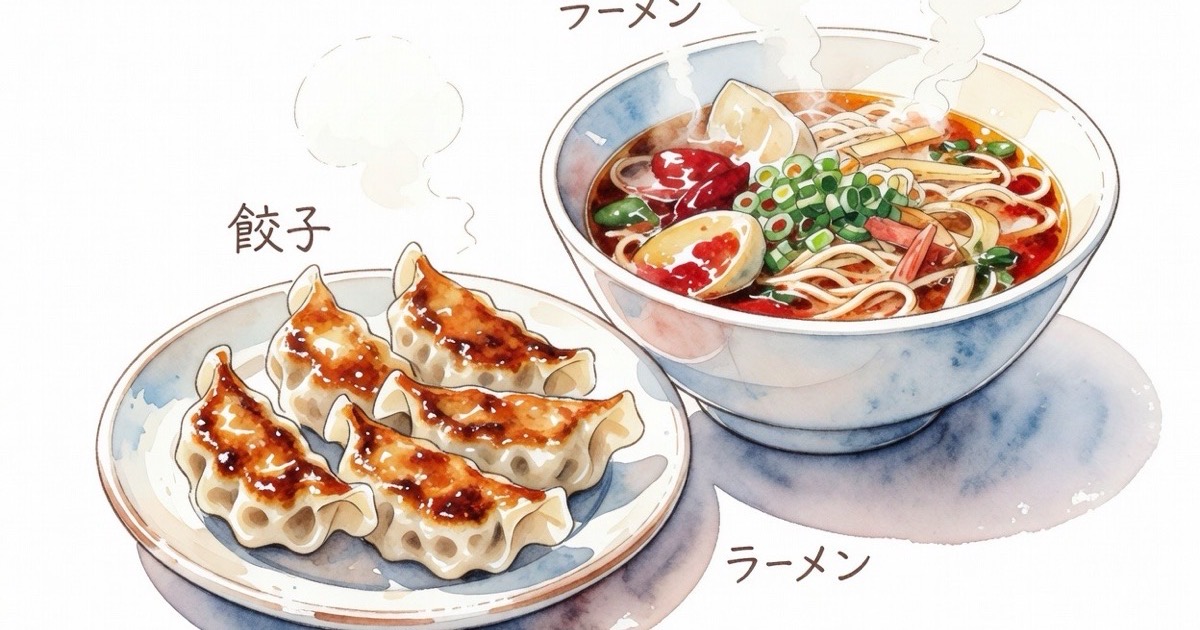
Gyoza are pan-fried dumplings — a thin wrapper around a filling of ground pork, cabbage, garlic chives, ginger, and garlic. In Japan they're almost always yaki-gyoza (pan-fried), not the boiled version common in China. The bottom is crisped in oil until golden and crackling; the top steams under a lid. They come with a dipping sauce of soy, rice vinegar, and chilli oil. At a ramen shop, gyoza are the default side. Order four to six pieces alongside your bowl — they work with almost every broth style, but particularly well with tonkotsu and shoyu.
Karaage (唐揚げ)
Karaage is Japanese fried chicken — marinated pieces of thigh (usually) coated in potato starch and fried until the exterior is shatter-crisp. The marinade typically includes soy sauce, ginger, and sake. Unlike Western fried chicken, karaage is designed to be eaten quickly without sides or sauce — it's a standalone bite. At ramen shops it comes in portions of three to six pieces and is best eaten immediately while hot. It's particularly good alongside lighter shio or shoyu ramen where you want extra protein without adding broth richness.
Rice (ご飯)
Steamed rice is a surprisingly common ramen accompaniment — particularly at tonkotsu shops in Fukuoka where a small bowl of white rice is almost standard alongside a bowl. The logic is textural contrast: the clean, neutral rice against the intense, fatty broth. Some shops offer takana gohan (rice with pickled mustard greens) or mentaiko gohan (rice with spicy cod roe). A small rice portion is also useful for soaking up the last of the broth.
Chashu Don (チャーシュー丼)
Some shops offer chashu don — a small bowl of rice topped with extra braised pork. It's a full mini-meal within a meal, and it works best if you're very hungry or the chashu is exceptional. Don't order it unless you're confident you'll finish both.
What to Order Together
- Tonkotsu + gyoza: The classic Fukuoka combination. The gyoza garlic cuts through the pork fat richness.
- Shoyu + karaage: Light broth, substantial protein side. Well-balanced.
- Miso + rice: Sapporo-style — the miso broth is substantial enough that rice alongside keeps the meal grounded.
- Tsukemen + nothing: Tsukemen portions are large. A side often tips the meal into uncomfortable territory.
Planning a Tokyo Ramen Crawl?
Skip the 90-minute tourist lines. Use our free curated walking routes and ticket machine guides to explore neighborhood counters with confidence.
Former Fukuoka tonkotsu ramen apprentice and creator of Japan Ramen Guide. When not exploring Japan's ramen alleys, I build tools for Japan life like Daruma Japan Life and recommend foreigner-friendly housing through Affarah.