Ramen in Japan with Kids: Table Seating, Child Bowls, and Etiquette
Most Japanese ramen shops seat fewer than ten people at narrow bar stools. Here are the family-friendly chains, table seating terminology, kid-safe broths, and stroller practicalities for traveling with children.
Traveling through Japan with children does not mean skipping great ramen. While independent six-seat basement shops cannot handle strollers or high chairs, dozens of major chains and suburban branches offer wide booth seating, child tableware, and mild broths.
Counter Culture vs. Table Seating
Typical ramen shops in downtown Tokyo and Osaka operate on rapid counter seating (kauntā-seki). Fixed wooden stools rarely adjust in height, aisles are narrow, and customers eat within fifteen minutes. Strollers cannot fit inside these shops.
For families, look for shops advertising teeburu-seki (テーブル席, table seats) or bokkusu-seki (ボックス席, booth seats). Large shopping centers (such as Aeon Malls, Lalaport, and train station retail complexes like Lumine or Parco) consistently host branches with family seating, elevator access, and high chairs.
The Best Family-Friendly Ramen Chains in Japan
- Dotonbori Kamukura: Clean, brightly lit dining rooms with wide booth seating. The signature soup is mild and naturally sweet from heaps of tender Napa cabbage, making it very gentle for young palates.
- Ippudo: Flagship branches (including Ebisu, Roppongi, and Yokohama) provide table service, high chairs, forks, and child bowl sets. Their creamy tonkotsu broth has no harsh gaminess.
- Kourakuen & Hidakaya: Budget family chains located across Japanese train hubs. Bowls cost under ¥500, side dishes include small fried rice and gyoza plates, and ordering uses multilingual table tablets.
- Machida Shoten: Energetic Yokohama Iekei chain offering booths, child toy baskets, and customizable broth strength (order aji usume for low salt).
Essential Phrases for Ordering with Kids
Japanese servers are accommodating when asked clearly. Use these standard phrases when ordering:
- Kodomo-yō no utsuwa o onegaishimasu (子供用の器をお願いします) — Please provide a child's bowl and spoon.
- Fōku wa arimasu ka? (フォークはありますか?) — Do you have a fork?
- Teeburu-seki wa aite imasu ka? (テーブル席は空いていますか?) — Is a table seat available?
- Kosho nashi de (コショウなしで) — Without black pepper (many shops garnish bowls with pepper by default).
Managing Heat and Noodle Length
Ramen broth arrives boiling hot, topped with an insulating layer of hot oil. Always spoon small portions of noodles into the separate child bowl first, cutting the long strands with chopsticks or asking staff for scissors (hasami) to let them cool down quickly.
Planning a Tokyo Ramen Crawl?
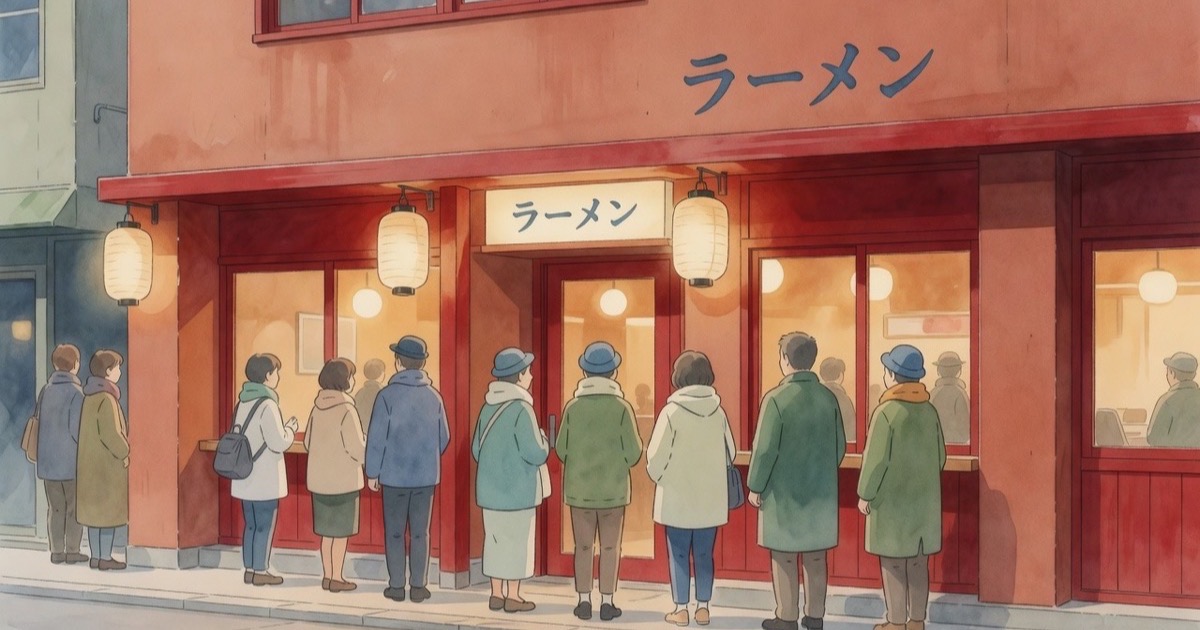
Skip the 90-minute tourist lines. Use our free curated walking routes and ticket machine guides to explore neighborhood counters with confidence.
Former Fukuoka tonkotsu ramen apprentice and creator of Japan Ramen Guide. When not exploring Japan's ramen alleys, I build tools for Japan life like Daruma Japan Life and recommend foreigner-friendly housing through Affarah.