Chuka Soba Shibata: Why This Tokyo Shop Keeps Topping the Rankings
Located in the quiet suburbs of Komae, Chuka Soba Shibata is a legendary destination for purists. Discover why this shop maintains a near-perfect rating on Tabelog for its duck-infused soy broth.
For casual tourists, Tokyo's ramen scene is concentrated around the flashing neon lights of Shinjuku, Shibuya, or Tokyo Station. But for serious ramen purists and local enthusiasts, the true holy grail lies southwest of the city centre, in the quiet residential neighbourhood of Komae. Here, Chuka Soba Shibata (中華そば 柴田) commands a near-legendary status, regularly holding a score above 4.0 on Tabelog — placing it in the top 1% of all ramen shops in Japan. If you are willing to make the suburban pilgrimage, Shibata offers an unforgettable masterclass in classic shoyu ramen.
The Anatomy of a Perfect Shoyu Bowl
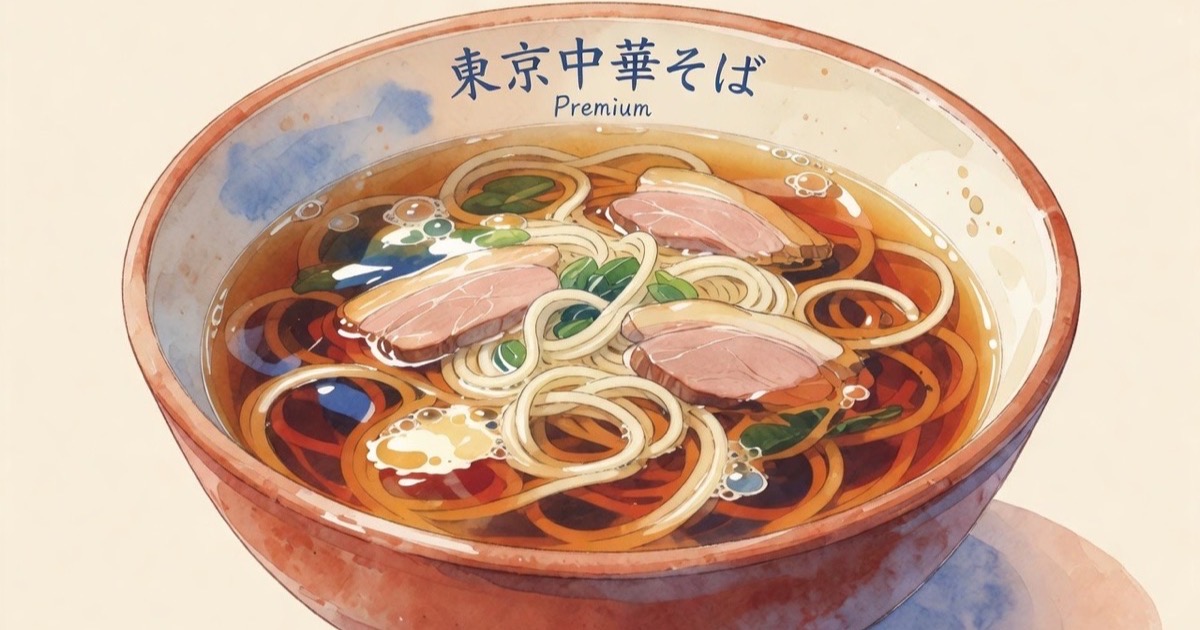
Shibata specializes in Chuka Soba (classic Chinese-style noodles in soy sauce broth), a nostalgic Tokyo style that they have elevated to modern perfection. What sets Shibata's soup apart is the use of high-quality duck (Aigamo) as the core element of the dashi, paired with premium chickens. The addition of duck imparts a deep, gamey richness and natural sweetness that you do not get from chicken alone. The broth is brilliant amber, topped with a glistening layer of duck fat that seals in the heat.
Equally impressive is the soy sauce seasoning (tare). Shibata uses a custom blend of several raw, unpasteurised soy sauces (shengshoyu) sourced from boutique breweries across Japan. This gives the broth a complex, salt-forward yet smooth umami kick, without any of the harshness of mass-produced soy sauce.
Silky, House-made Noodles
The noodles at Shibata are thin, straight, and exceptionally long. Made in-house daily, they have a silky, smooth surface that makes slurping them an absolute pleasure. The texture is soft yet retains a resilient, toothsome core, allowing the noodles to carry the perfect amount of duck fat and soy broth with every mouthful.
What to Order
- Chuka Soba (中華そば) — The flagship bowl. A masterfully balanced soy broth highlighted by duck oil, topped with tender pork chashu, menma (bamboo shoots), and fresh spring onions.
- Shio Soba (塩そば) — A lighter, salt-based alternative that strips back the soy seasoning to let the pure, clean duck and chicken flavours take centre stage.
- Niku Chuka Soba (肉中華そば) — The signature bowl loaded with extra slices of their slow-cooked pork shoulder chashu, which is incredibly tender and seasoned with soy.
The Suburban Pilgrimage: How to Get There
Visiting Shibata requires a bit of effort. From Shinjuku Station, take the Odakyu Line bound for Odawara and get off at Komae Station (a journey of about 25–30 minutes). From there, it is a pleasant 5-minute walk through suburban Tokyo streets. Because it is located away from the typical tourist trails, the queue consists almost entirely of dedicated local foodies and ramen scholars.
Why It Deserves the Hype
In a city where ramen trends change every season, Chuka Soba Shibata has stayed at the top of the rankings by focusing on perfection of the fundamentals. It is not showy, it does not rely on gimmicks or truffle oil, and it remains a humble, neighbourhood shop at heart. For anyone looking to understand the pinnacle of traditional Tokyo shoyu ramen, Shibata is well worth the train ride.
To learn more about how restaurant rankings work in Japan, check out our guide on What is Tabelog?, or explore other top shoyu spots on our Ramen Styles Guide.
Planning a Tokyo Ramen Crawl?
Skip the 90-minute tourist lines. Use our free curated walking routes and ticket machine guides to explore neighborhood counters with confidence.
Former Fukuoka tonkotsu ramen apprentice and creator of Japan Ramen Guide. When not exploring Japan's ramen alleys, I build tools for Japan life like Daruma Japan Life and recommend foreigner-friendly housing through Affarah.