Seasonal Ramen in Japan: What to Order in Summer, Autumn, Winter and Spring
Ramen in Japan changes with the seasons — cold summer bowls, warming winter miso, spring bamboo toppings. Knowing what's seasonal helps you order the best version of each shop's menu.
Japan's deep awareness of seasonality — expressed everywhere from flower viewing to menu planning — extends to ramen. Serious ramen shops update their menus seasonally, adding limited-time toppings, adjusting broth richness, and in some cases offering entirely different bowls for a few weeks. Knowing what's in season can improve your ordering even at shops you've never visited before.
Summer: Cold Ramen
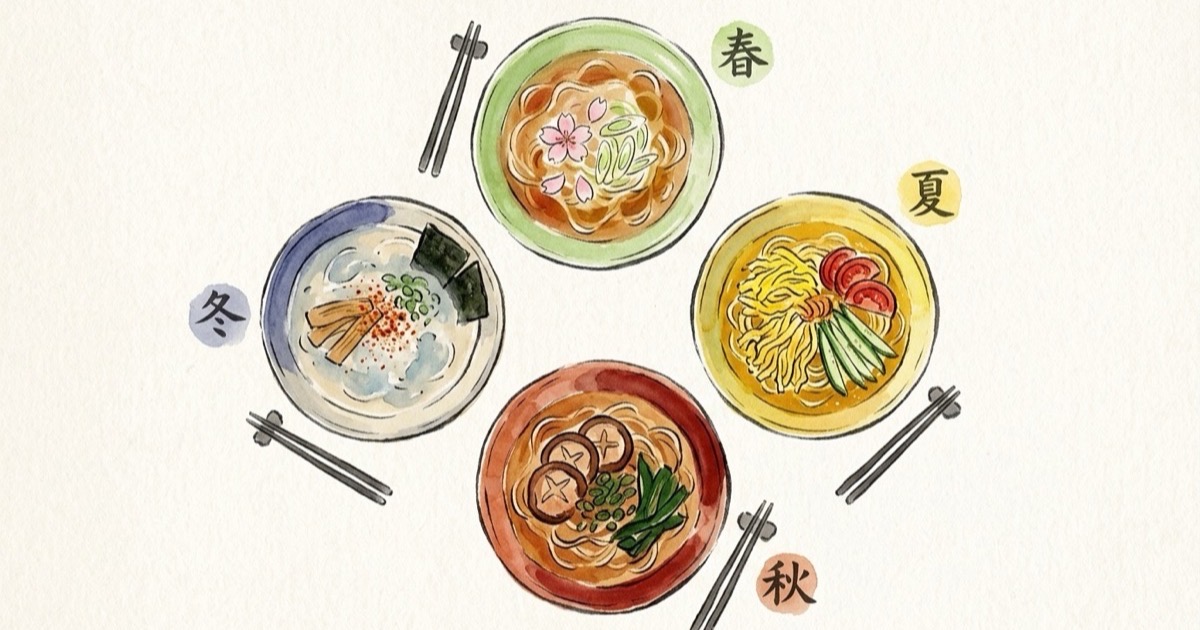
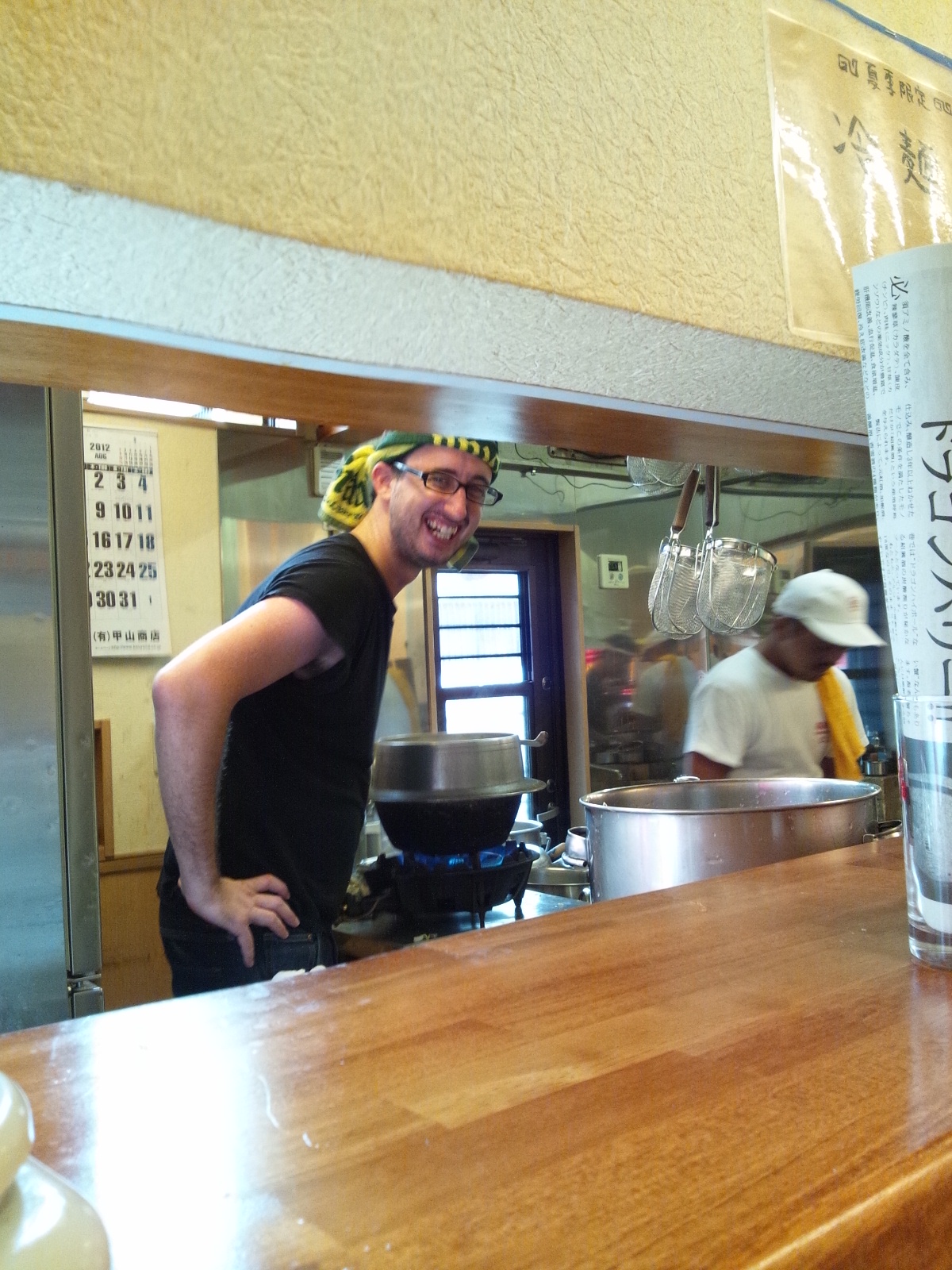
The defining summer ramen dish is hiyashi chuka (冷やし中華) — chilled noodles served flat on a plate with a vinegared soy-sesame dressing and cold toppings including julienned cucumber, thin strips of egg crepe, ham or chashu, and tomato. It's not strictly ramen in the traditional sense but appears on ramen shop menus from June through August. The sourness of the dressing is deliberately refreshing against summer heat.
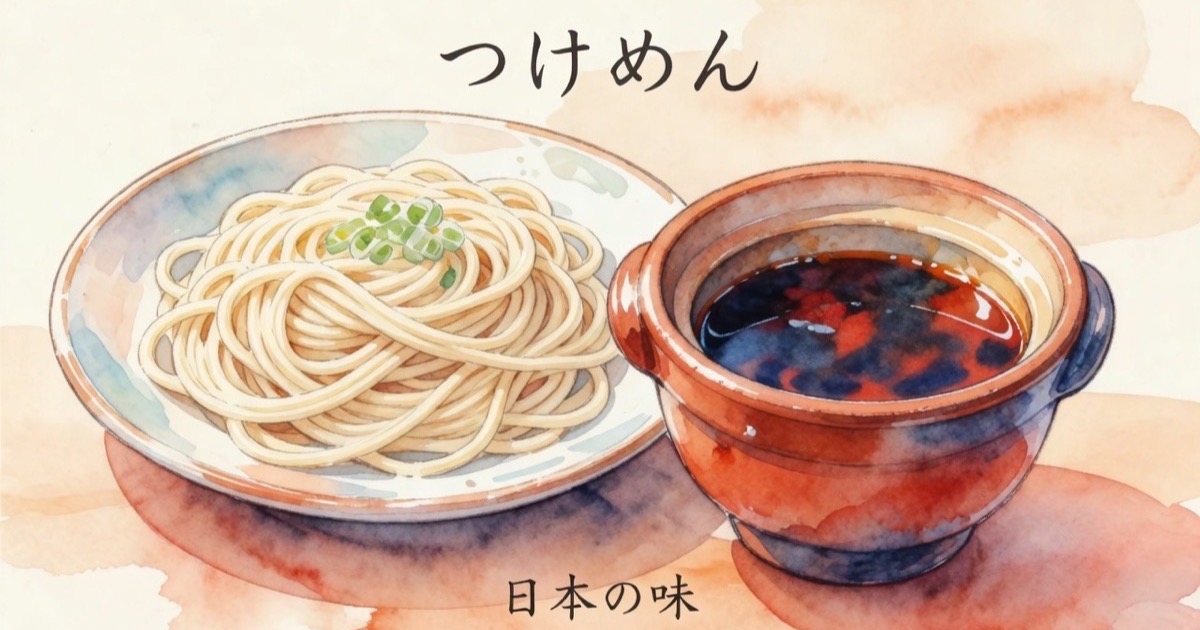
Tsukemen (dipping ramen) is also particularly good in summer — the noodles are served cold or at room temperature, and the concentrated broth is easier to manage in hot weather than a steaming bowl. Read our tsukemen guide for how to eat it.
Autumn: Limited Toppings
Autumn brings seasonal mushrooms — matsutake when in season (expensive, delicate, very briefly available), shimeji, and nameko. Corn disappears from most menus (it's a summer topping despite its association with Sapporo miso). Some shops introduce duck chashu or aged pork variations in autumn when temperatures drop enough to appreciate heavier toppings.
Winter: Rich and Hot
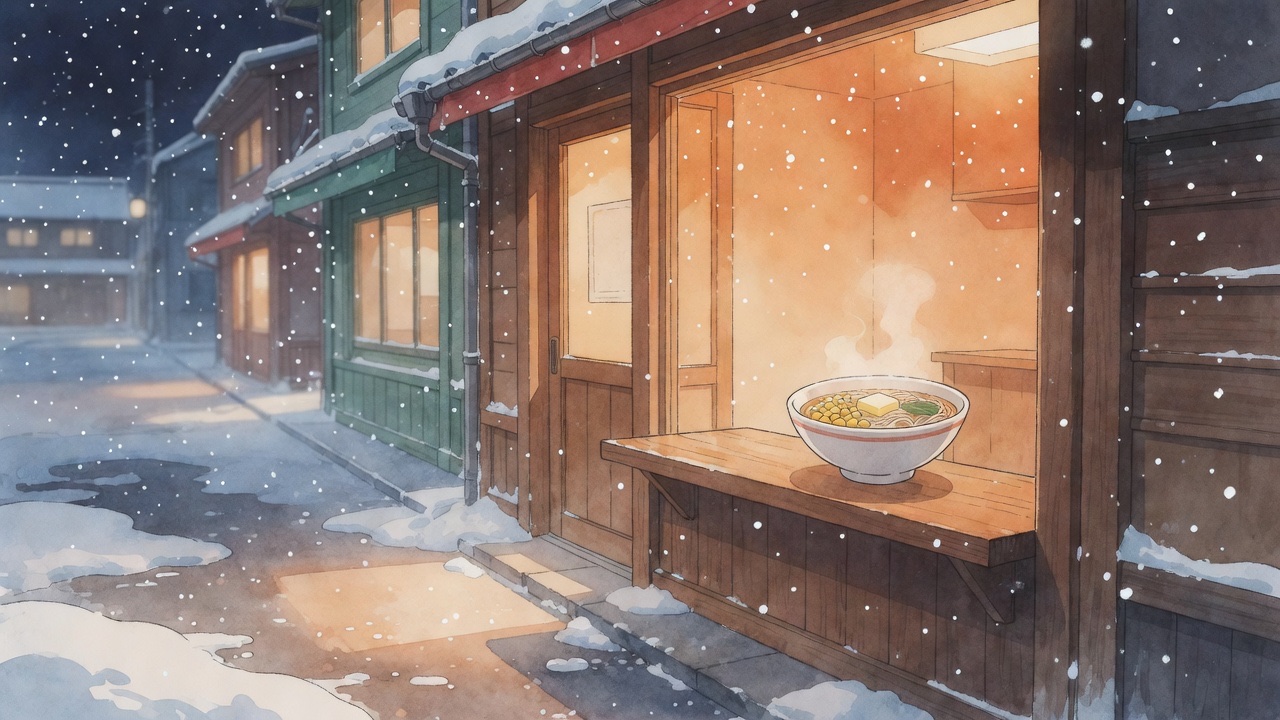
Winter is peak season for tonkotsu and heavy miso ramen. The richness that can feel excessive in August is exactly what you want in December. Sapporo miso with butter and corn — already warming — becomes even more satisfying in winter. Some shops increase their broth fat content seasonally, and winter-limited bowls often incorporate ingredients like roasted garlic, extra chashu, or warming spices.
Spring: Bamboo and Lightness
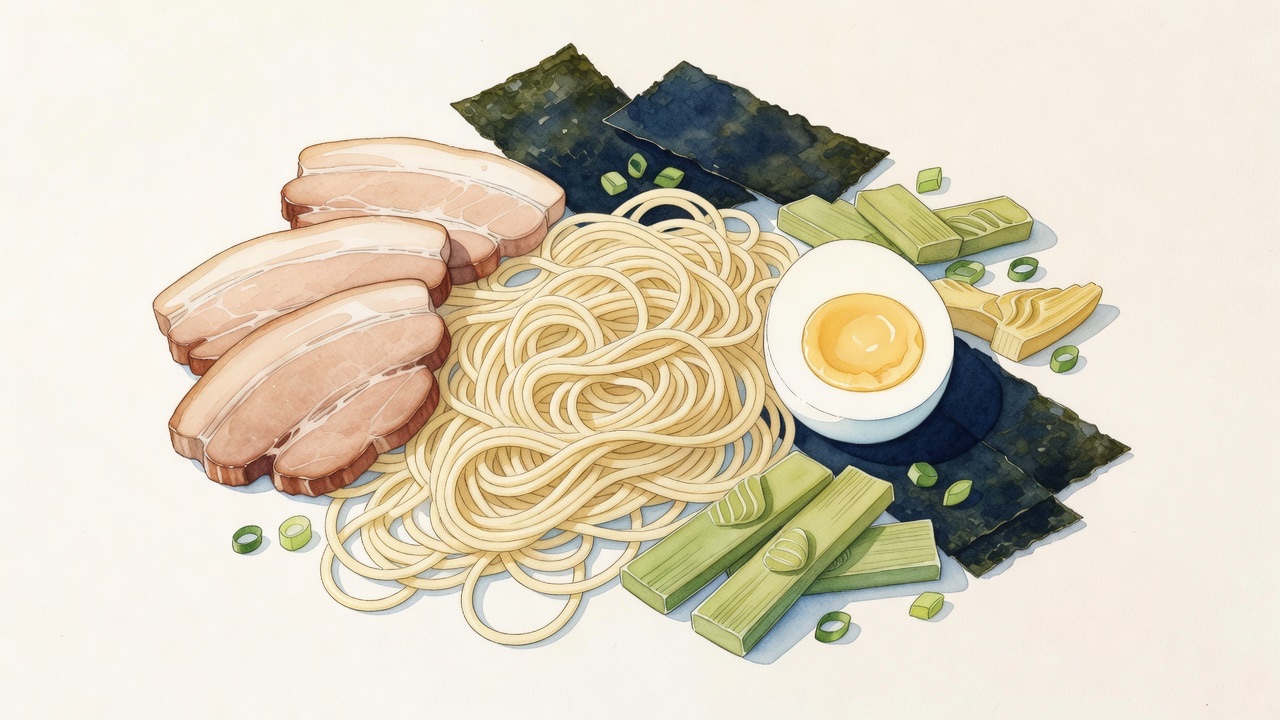
Spring ramen skews lighter. Menma (bamboo shoots) are at their freshest and most tender in spring — April and May bring the best menma of the year. Some shops feature takenoko (fresh bamboo shoots, different from menma) as a seasonal topping. Shio and shoyu ramen shine in spring: the light broths feel right alongside cherry blossoms and mild temperatures.
Reading Seasonal Menus
Seasonal items appear on chalkboards, paper inserts in menus, or A-frames outside the shop. They're rarely on the main menu poster. Our menu reading guide covers the kanji most likely to appear on seasonal specials.
Planning a Tokyo Ramen Crawl?
Skip the 90-minute tourist lines. Use our free curated walking routes and ticket machine guides to explore neighborhood counters with confidence.
Former Fukuoka tonkotsu ramen apprentice and creator of Japan Ramen Guide. When not exploring Japan's ramen alleys, I build tools for Japan life like Daruma Japan Life and recommend foreigner-friendly housing through Affarah.