Toyama Black Ramen: Japan's Saltiest, Darkest Bowl Explained
Toyama Black ramen is a legendary regional Japanese noodle style defined by its ink-dark, intensely salty soy sauce broth topped with heavy black pepper and thick, chewy noodles. Discover the history behind this unique bowl and where to try it.
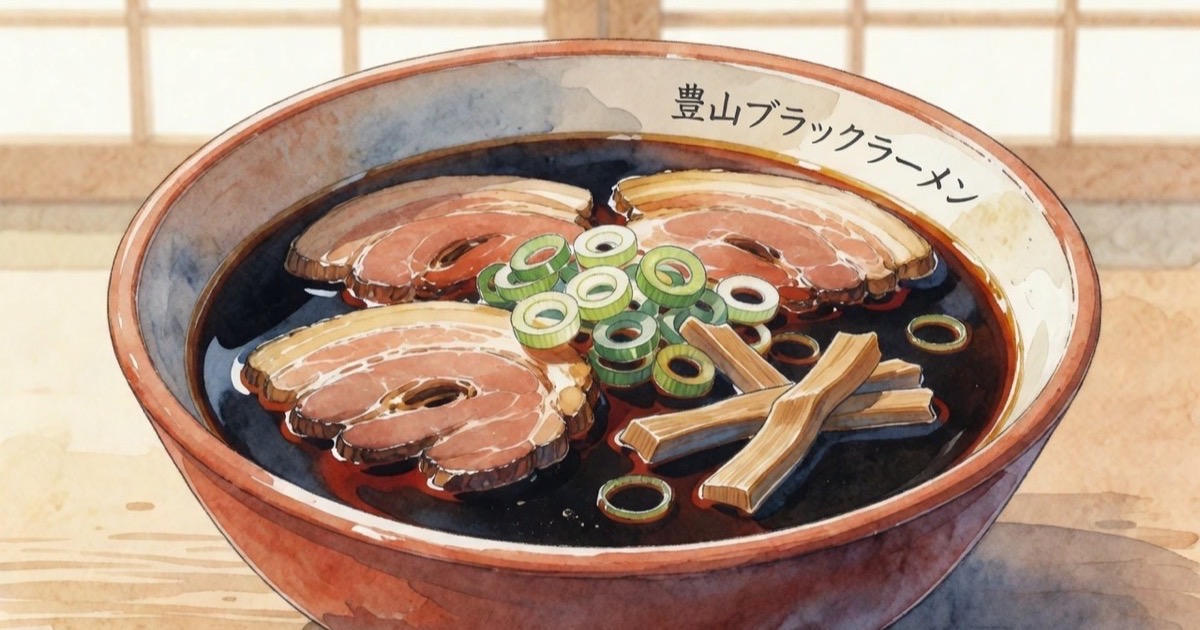
Toyama Black ramen (known locally as Toyama Black Chuka Soba) is a legendary regional Japanese noodle style defined by its ink-dark, intensely salty soy sauce broth topped with heavy black pepper and thick, chewy noodles. Originally created in the mid-1950s as a high-sodium side dish to be eaten with white rice for sweat-drenched construction labourers, it offers a deeply savoury, umami-rich flavour profile that rewards brave palates.
The Story Behind the Salt: Post-War Reconstruction and Rice
In the post-war reconstruction era of Toyama City, labourers working on rebuilding infrastructure sweated heavily under intense physical conditions. A local food stall owner named Yasuo Aono noticed these workers eating their own white rice at lunch and designed a bowl specifically to complement it. He formulated an extremely salty, soy sauce-heavy broth that could double as a savoury side dish (okazu) to season their rice. Since then, the custom of ordering a bowl of white rice alongside Toyama Black has remained the standard way to enjoy this unique regional delicacy.
Why It Looks So Dark
The jet-black colour comes from a concentrated fermentation of local dark soy sauce (koikuchi shoyu). This is combined with a robust pork bone and chicken stock, but it is the seasoning base (tare) that takes centre stage. The intensity is cut with a generous amount of coarse black pepper and thick slices of green spring onions (negi), which provide a sharp freshness to cut through the salt.
The Flavour Profile: What to Expect
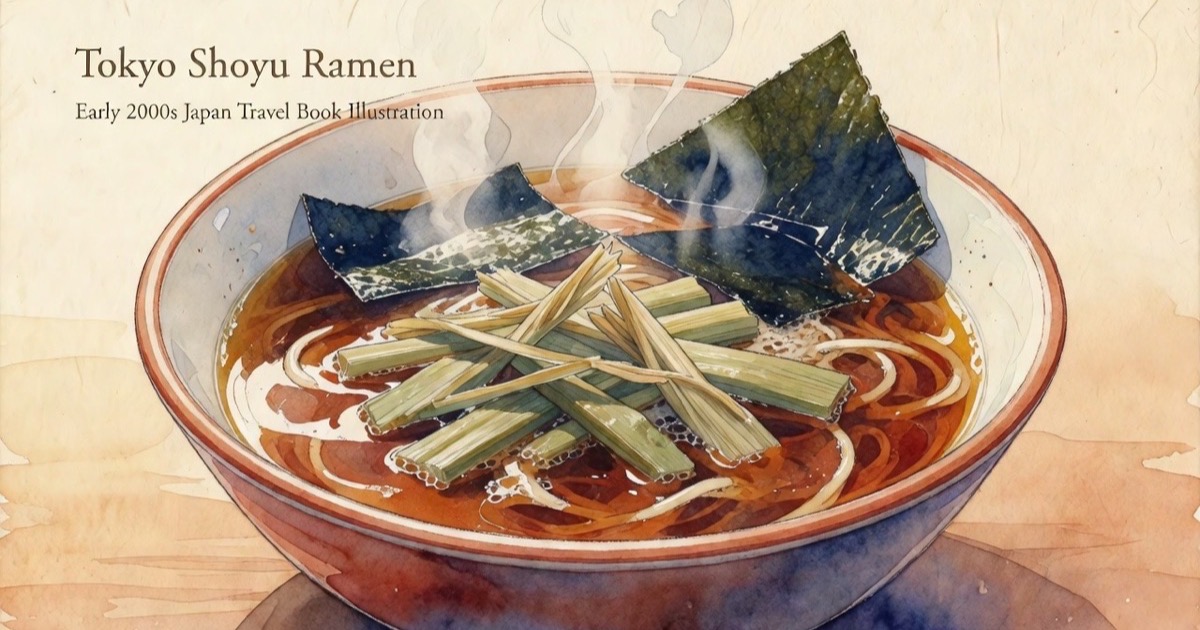
If you walk in expecting a delicate, easily sippable Tokyo-style shoyu ramen, you will be in for a shock. The first spoonful of Toyama Black is aggressively salty, but as you chew the thick, wavy noodles and let the broth settle, a deep caramelised sweetness and rich umami emerge from the background stock.
- Dark Soy Sauce (Koikuchi) — Provides the signature dark ink colour and robust saltiness.
- Coarse Black Pepper — Layered on top to add a spicy, aromatic heat that cuts through the soy.
- Thick Chashu Pork — Slowly simmered in the soy sauce base, absorbing the deep seasoning.
- Thick, Chewy Noodles — Specifically chosen to stand up to the broth's heavy salinity without becoming soggy.
How to Eat Toyama Black Like a Local
- Order a side of white rice — This is non-negotiable for first-timers; the rice balances the broth's salinity perfectly.
- Mix the toppings thoroughly — Ensure the black pepper, green onions, and chashu are integrated into the soup.
- Do not drink the entire broth — Unlike other regional styles, locals rarely finish the salty soup; it is used primarily to coat the noodles.
Where to Find the Best Toyama Black
If you are visiting Toyama, you should head to the shops where this style was born. You can browse all 64 options on our dedicated Best Ramen in Toyama page.
Frequently Asked Questions
Is Toyama Black ramen too salty for tourists?
It can be surprisingly salty if eaten on its own, which is why it is traditionally paired with white rice to cut the salinity. Adjusting your expectations and using the rice customisation makes it a delicious experience.
What is the history of Toyama Black?
It was created in the 1950s by Yasuo Aono to help sweat-drenched post-war labourers restore their sodium levels during heavy construction work.
Planning a Tokyo Ramen Crawl?
Skip the 90-minute tourist lines. Use our free curated walking routes and ticket machine guides to explore neighborhood counters with confidence.
Former Fukuoka tonkotsu ramen apprentice and creator of Japan Ramen Guide. When not exploring Japan's ramen alleys, I build tools for Japan life like Daruma Japan Life and recommend foreigner-friendly housing through Affarah.