The History of Ramen: From Chinese Noodles to Japan's Most Beloved Dish
Ramen began as a Chinese immigrant food in the late 1800s, survived a world war, and became Japan's national obsession through a combination of necessity, creativity, and craft. Here's the full story.
Ramen is often described as Japan's national dish, but it began as an import. The path from Chinese noodle stalls in Yokohama's Chinatown in the 1880s to the Michelin-starred bowls of modern Tokyo is one of the more remarkable culinary origin stories of the past century.
A comprehensive look at the history and evolution of Japanese ramen
Chinese Origins (Late 1800s)
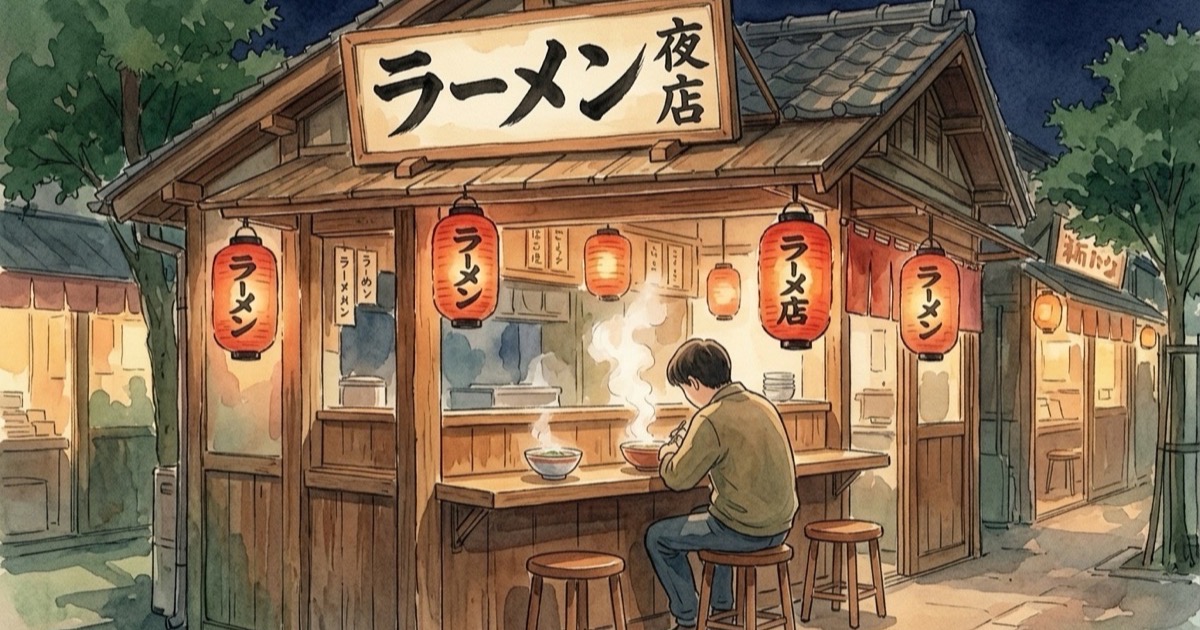
The earliest ramen-like dishes in Japan appeared in the 1880s, served by Chinese cooks in port cities — particularly Yokohama and Kobe — where large Chinese communities had settled. The dish was called shina soba (Chinese noodles) and consisted of wheat noodles in a simple broth with toppings. It was working-class food: affordable, filling, and fast.
By the early 1900s, shina soba stalls were spreading through Japanese cities. The dish wasn't yet called ramen — that name emerged gradually over the following decades, possibly from a Chinese word for pulled noodles.
Post-War Transformation
World War II changed everything. Japan emerged from the war with severe food shortages, and American aid came heavily in the form of wheat flour. Black market noodle stalls appeared across Japanese cities almost immediately. In this environment, ramen — filling, cheap, made from widely available ingredients — became a survival food. The authorities tolerated and eventually legalised it.
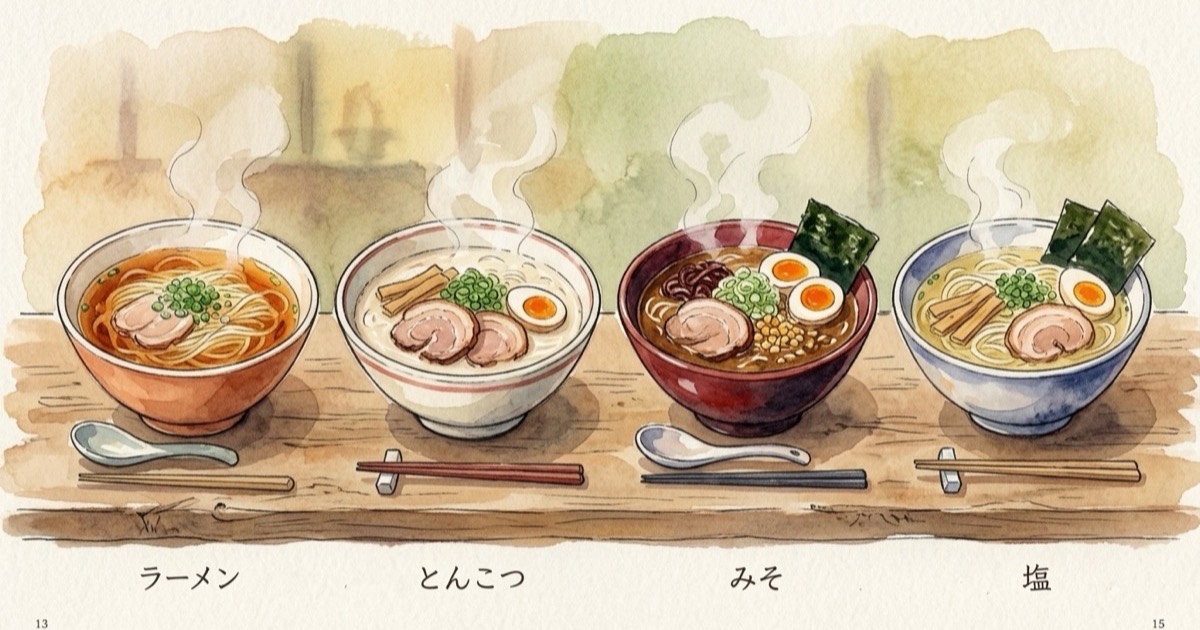
It was also in this post-war period that regional styles began to diverge. Sapporo's miso ramen emerged in the late 1950s when a customer at Aji no Sanpei restaurant asked the chef to add miso to the broth. Fukuoka's tonkotsu style, already developing before the war, intensified into the aggressive white broth it is today. Tokyo's shoyu style refined itself into something lighter and cleaner.
Instant Ramen (1958)
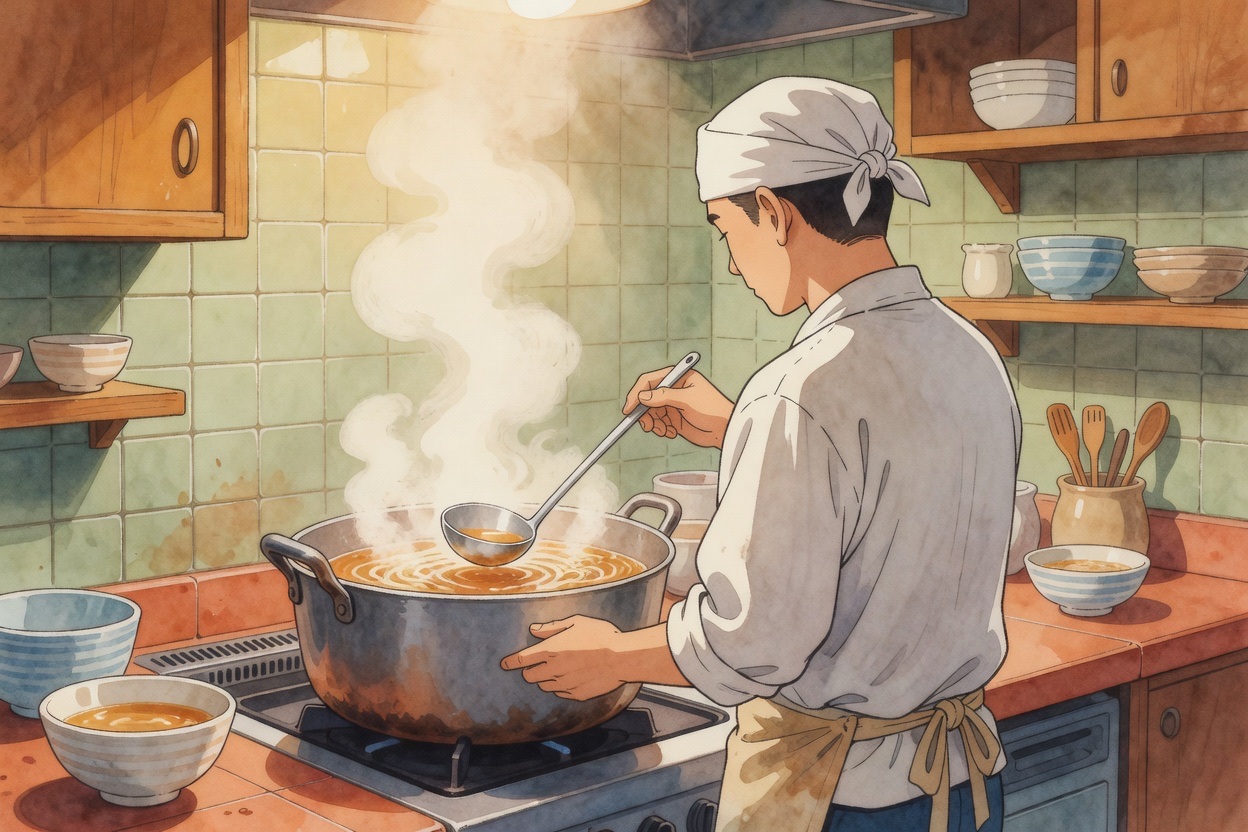
On 25 August 1958, Momofuku Ando — founder of Nissin Foods — released Chikin Ramen, the world's first instant noodle product. He had spent a year in a small shed in his backyard developing a method of flash-frying pre-seasoned noodles so they could be rehydrated in boiling water in two minutes. It was one of the most impactful food inventions of the twentieth century. Cup Noodles followed in 1971.
Instant ramen made the concept of ramen global, but it also created a misconception that would follow real ramen for decades: the assumption that it's a simple, cheap product. The opposite is true. Instant ramen is to ramen what a frozen pizza is to Neapolitan pizza.
The Ramen Renaissance (1980s–2000s)
From the 1980s onward, a generation of ramen chefs began approaching the dish as a serious craft rather than a street food. New styles emerged: ie-kei in Yokohama (a thick tonkotsu-shoyu hybrid), tsukemen (dipping ramen, popularised by Kazuo Yamagishi of Taishoken), and eventually tori paitan (chicken-based white broth). Shops began sourcing specific chicken breeds, importing particular dried seafoods, and developing house-made noodles.
Michelin Recognition (2015–Present)
The global legitimisation of ramen as fine dining came in 2015 when Tsuta in Sugamo, Tokyo became the first ramen shop to receive a Michelin star. Several shops have since earned stars or Bib Gourmand recognition, including NAKIRYU and Homemade Ramen Muginawa. The recognition didn't change the dish — it confirmed what Japanese diners already knew. More in our Michelin ramen guide.
Ramen Today
Modern ramen is a restless category. Chefs experiment with seafood-forward broths, truffle tare, clam dashi, and fermented toppings. Some shops serve ten seats and operate on a single seating. Others have thirty-year queues of regulars. The craft version and the convenience version now coexist, each serving a different need — but if you're reading this, you're interested in the craft. Start with our introduction to ramen styles to understand the landscape.
Planning a Tokyo Ramen Crawl?
Skip the 90-minute tourist lines. Use our free curated walking routes and ticket machine guides to explore neighborhood counters with confidence.
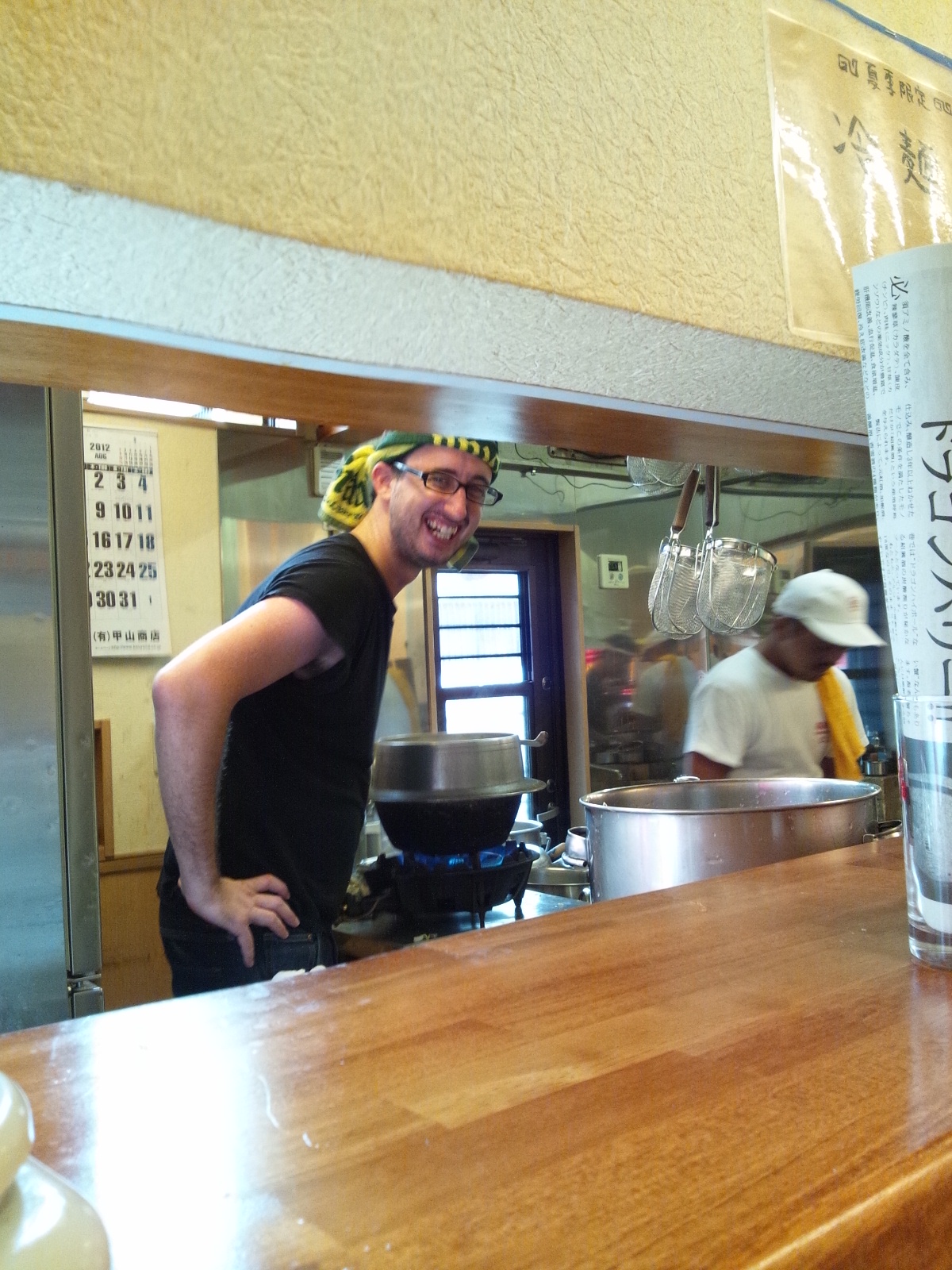
Former Fukuoka tonkotsu ramen apprentice and creator of Japan Ramen Guide. When not exploring Japan's ramen alleys, I build tools for Japan life like Daruma Japan Life and recommend foreigner-friendly housing through Affarah.