Cash-Only Ramen in Japan: 157 Shops and How to Pay Without a Card
157 of the 1,095 shops in our guide are flagged cash-only, including some of the best-known counters in Tokyo, Osaka and Sapporo. How much to carry, where to get yen, and the list.
157 of the 1,095 shops published on Japan Ramen Guide are flagged cash-only. 374 are flagged as taking cards. We set these flags only where a source says so, so the other 577 shops are unknown, and the real number of cash-only shops is higher than 157.
Some of the most famous counters in the country are on the cash-only list. If ramen is the reason for your trip, you will need yen in your pocket.
Where the cash-only shops are
- Tokyo: 33 shops
- Osaka: 24
- Fukuoka: 22
- Yamagata: 16
- Hakodate: 11
- Kitakata and Asahikawa: 8 each
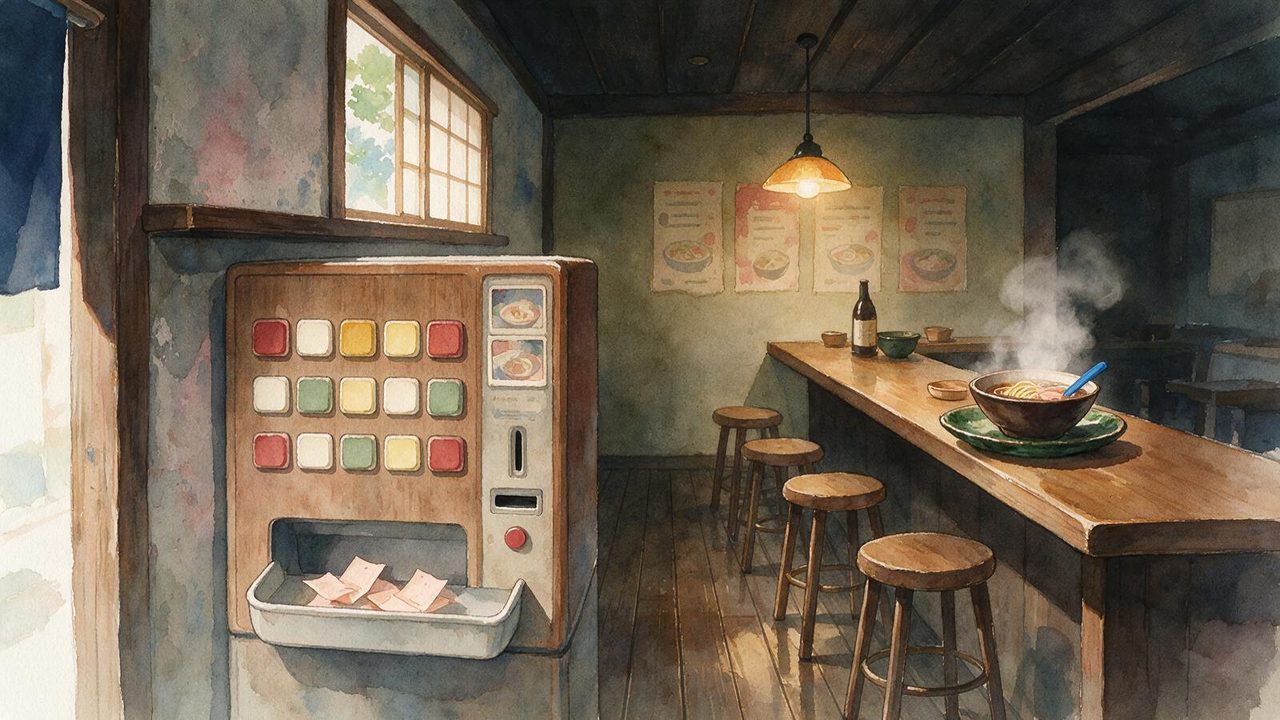
97 of the 157 also use a ticket machine, so the machine is where the cash goes. If you have not used one before, our ticket machine guide walks through it button by button.
How much cash to carry
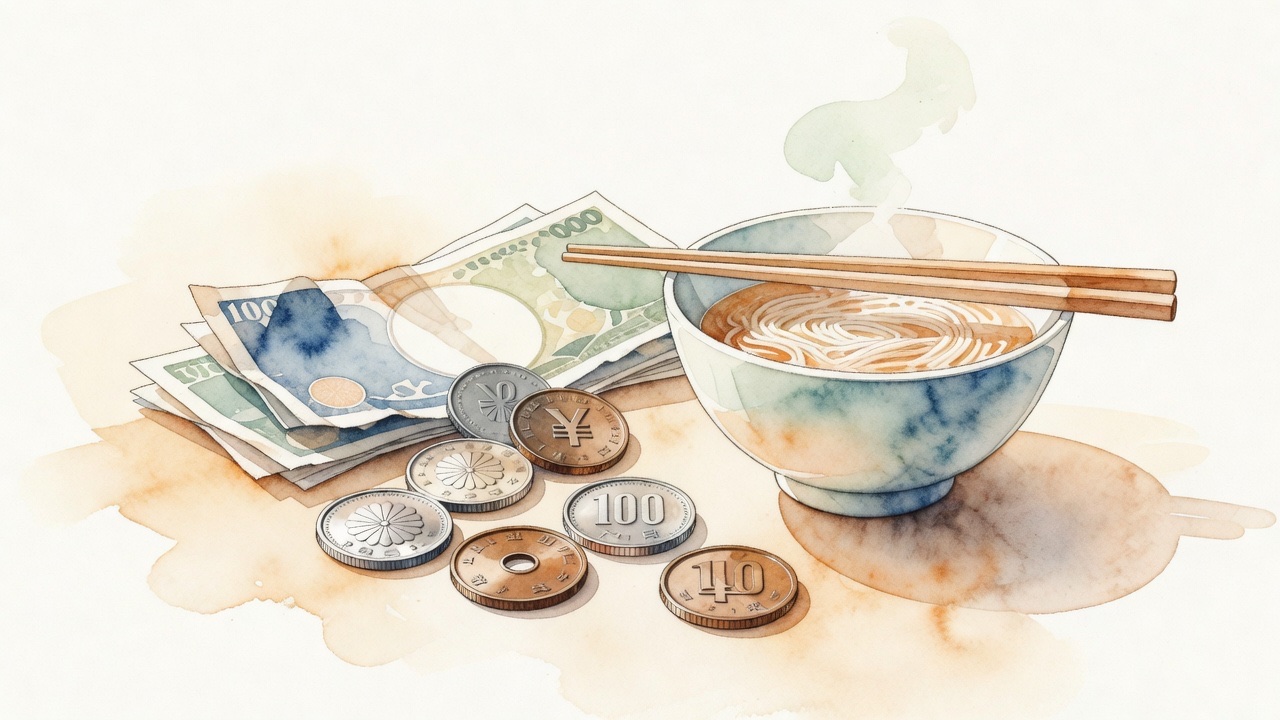
Most cash-only shops in our guide sit in the ¥1,000–1,999 lunch band: 114 of the 157. Only one is listed above ¥2,000. Carry ¥3,000 to ¥5,000 per person for a day of ramen, mostly in ¥1,000 notes, plus a few ¥100 and ¥500 coins for extras like an egg or a beer. See our ramen price guide for what bowls cost by city.
- Bring ¥1,000 notes. Many ticket machines take ¥1,000 notes and coins only, and a counter shop with one cook may not have change for a ¥10,000 note.
- Break large notes before you queue: buy a drink at a convenience store or a station kiosk.
- Withdraw yen at a 7-Eleven. Seven Bank ATMs inside the stores accept many foreign-issued cards.
- Transit IC cards (Suica, PASMO, ICOCA) do not help at a cash-only shop. Keep them for trains and convenience stores.
Top cash-only shops by city
These 31 are our top-tier picks that are flagged cash-only and not flagged for cards. We left out 13 shops that carry both flags, which usually means our sources disagree.
Tokyo
Chuka Soba Shibata, SOBA HOUSE Konjiki Hototogisu, NAKIRYU, Fuunji Shinjuku Honten, Chuka Soba Hayashi, Shijimi Chuka Soba Kohaku, Tokyo Style Noodle Hotate Biyori, Chukasoba Kotetsu, Homemade Ramen Muginae, Honkare Chuka Soba Gyora, Oudouya Chokkei IEKEI TOKYO.
Yokohama, Osaka and Kyoto
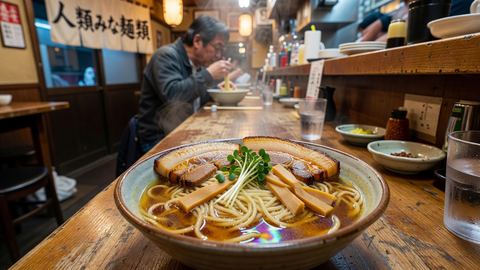
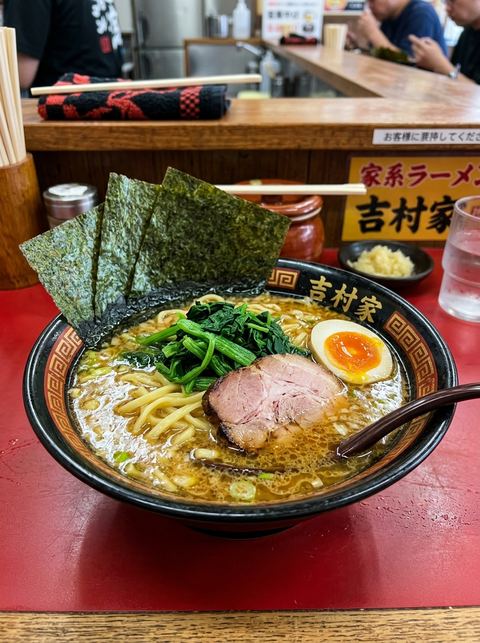
Iekei Sohonzan Yoshimuraya, Jinrui Mina Menrui, Kingemon Honten, Tori Soba Ai.
Fukuoka and Kurume
Mendo Hanamokoshi, Ramen Kurume Honda Shoten.
Hokkaido
Aji no Sanpei, Isono Kazuo, Ramen Shingen Minami Rokujo, Ame wa, Yasashiku, Menya Nanabei, Ramen Mikan, Asahikawa Ramen Aoba Honten.
Tohoku and Nagano
Bannai Shokudo, Konpiraso, Kenchan Ramen Honten, Akayu Ramen Ryushanghai, Chuka Soba Kumo no Ito, Shinshunya Honten, Shinshu Toripaitan Kimuzukashiya.
Cash-only shops worth the queue
Browse all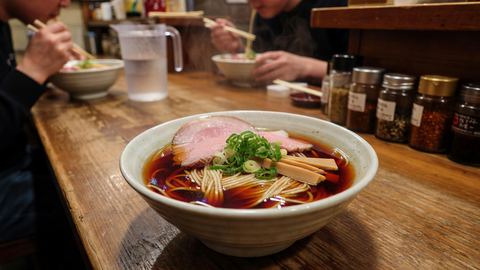
Frequently asked questions
How many ramen shops in Japan are cash-only?
In Japan Ramen Guide, 157 of 1,095 published shops are flagged cash-only and 374 are flagged as taking cards. The rest have no payment flag yet, so the real share of cash-only shops is higher.
How much cash should I bring for ramen in Japan?
Most cash-only shops in our guide charge ¥1,000–1,999 for lunch. ¥3,000 to ¥5,000 per person per day, mostly in ¥1,000 notes, covers a bowl or two plus extras.
Can I use Suica or PASMO at a cash-only ramen shop?
No. Cash-only means notes and coins. Use your IC card for trains and convenience stores, and keep ¥1,000 notes for ramen.
Planning a Tokyo Ramen Crawl?
Skip the 90-minute tourist lines. Use our free curated walking routes and ticket machine guides to explore neighborhood counters with confidence.
Former Fukuoka tonkotsu ramen apprentice and creator of Japan Ramen Guide. When not exploring Japan's ramen alleys, I build tools for Japan life like Daruma Japan Life and recommend foreigner-friendly housing through Affarah.